
Main Courses
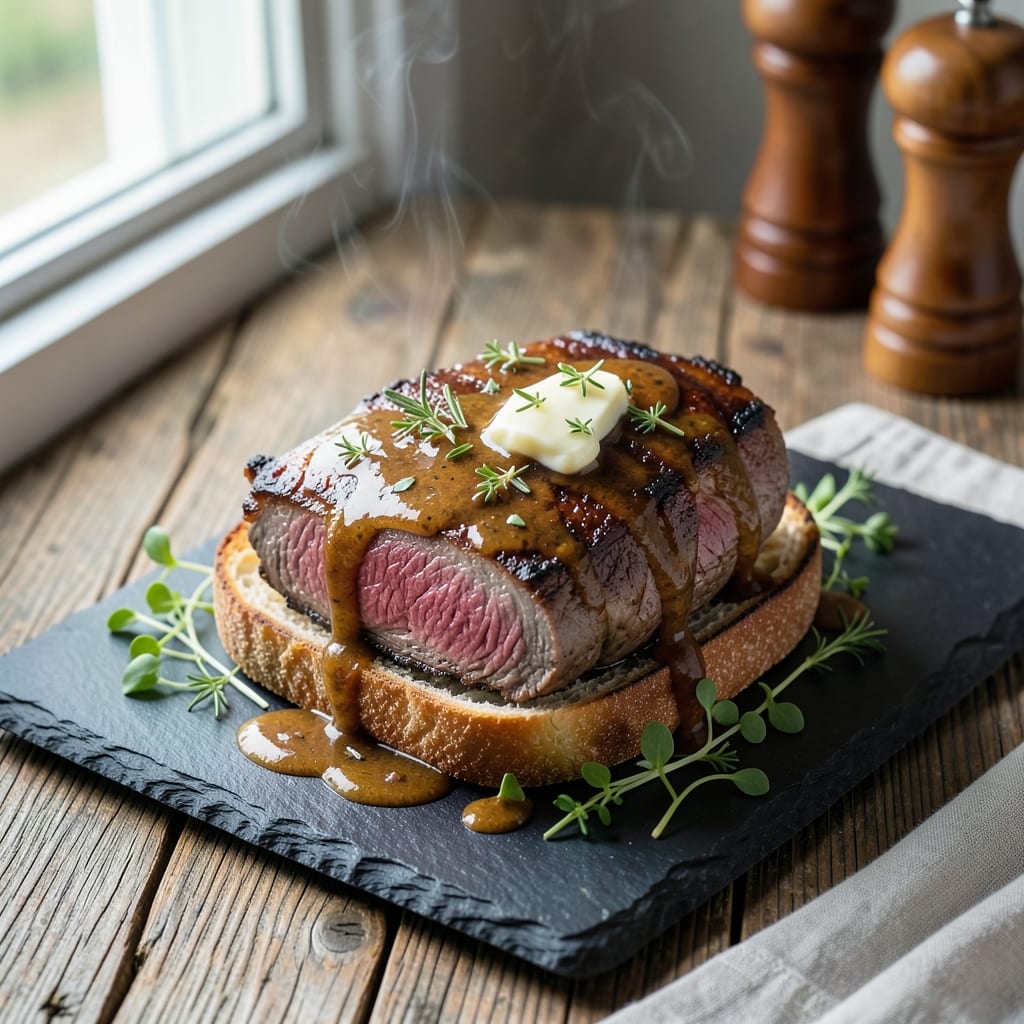
A 500-gram roast beef recipe delivers restaurant-quality results at home with precision timing and technique. The secret lies in dry-brining for enhanced tenderness and controlling oven temperature to achieve that ideal medium-rare center—no guesswork required. This method transforms a simple cut into a showstopping centerpiece that impresses every time.
Professional chefs rely on the reverse sear technique for consistent doneness, but even home cooks can master it with a few key adjustments. Start with a low oven temperature to cook the beef evenly, then finish with a high-heat sear for that coveted crust. The resting period is just as critical—skipping it means losing precious juices that keep your roast moist and flavorful.
Pair your perfectly cooked roast with classic sides like creamy mashed potatoes, roasted root vegetables, or a rich red wine gravy. The result? A complete meal where every component complements the beef's depth of flavor. This approach ensures you'll never overcook or underseason another roast again.
Whether you're hosting a dinner party or simply treating yourself, this method guarantees foolproof results that taste like they came from a high-end restaurant. The precision in timing and technique makes all the difference—no more dry, tough beef or guesswork about doneness.
Ingredients for 500 roast beef
Precision-cut ingredients ensure restaurant-quality roast beef with flawless medium-rare perfection.
| Ingredient | Amount | Notes |
|---|---|---|
| Ribeye Roast (Center-Cut) 🥩 | 1.1 lb | Approximately 500 grams, trimmed of excess fat |
| Kosher Salt 🧂 | 1 ½ tbsp | Diamond Crystal preferred, for dry-brine |
| Freshly Ground Black Pepper 🌶️ | 1 tsp | Coarse grind for even seasoning |
| Unsalted Butter 🧈 | ½ cup | Cold, cut into 1-inch cubes |
| Fresh Rosemary 🌿 | ¼ cup | Finely chopped, organic preferred |
| Fresh Thyme Leaves 🌿 | ¼ cup | Stems removed, French preferred |
| Garlic Cloves 🧄 | 6 cloves | Smashed, skin-on for deeper flavor |
| Extra-Virgin Olive Oil 🫒 | 2 tbsp | High-quality, fruity variety |
| Red Wine 🍷 | ¼ cup | Bold Cabernet Sauvignon, dry |
| Beef Tallow or Duck Fat 🥓 | 2 tbsp | For high-heat searing |
| Baking Sheet 🍳 | 1 whole | Heavy-gauge, for even heat distribution |
| Meat Thermometer 🌡️ | 1 whole | Instant-read, for precision |
The center-cut ribeye roast is non-negotiable for this recipe—its marbling guarantees tenderness and flavor. Source from a reputable butcher or Whole Foods for consistent quality, ensuring the cut is at least 1.1 pounds (500 grams) after trimming. Look for bright red color and visible fat marbling—this indicates freshness and juiciness. If buying pre-trimmed, ask for the center-cut portion to avoid tougher outer sections. For the butter, opt for European-style (like Plugrá) for higher fat content, which renders beautifully during searing. Fresh herbs (rosemary and thyme) should be vibrant green with no wilting, and garlic should smell pungent, not musty.
No kosher salt? Diamond Crystal kosher salt is ideal, but Morton coarse salt works in a pinch—just reduce to 1 tsp since it’s denser. Substituting the red wine? Use beef stock with 1 tbsp balsamic vinegar for depth, but avoid sweet wines like Merlot. For the high-heat sear, if beef tallow is unavailable, duck fat or even avocado oil (smoke point: 520°F) works, though tallow adds authentic richness. The olive oil should be extra-virgin—cheap varieties can taste bitter. If your thermometer is analog, calibrate it by testing against boiling water (should read 212°F). For the herbs, dried oregano at 1/4 tsp can replace fresh, but the aroma won’t match.
Store the roast uncovered on a wire rack in the fridge for 24 hours before cooking—this dry-brine enhances tenderness. Butter cubes should stay cold until searing; if softened, chill for 20 minutes. The herb mixture (rosemary, thyme, garlic, olive oil) can be prepped 1 day ahead and stored in an airtight container. For leftovers, slice against the grain and reheat in a 350°F oven for 15 minutes to retain moisture. Portion into vacuum-sealed bags for up to 5 days in the fridge or 3 months frozen—label with the date to track freshness.
Why You'll Love This Recipe
- Here’s what sold me: the crust. That crispy, caramelized edge from the butter and salt? It’s the only roast I’ll eat straight from the pan, no plates needed. The rosemary adds a piney brightness that cuts through the richness, so it’s never heavy—just ridiculously good. I’ve tried fancy rubs, but this? It’s the simplest way to get that buttery, herby, melt-in-your-mouth result every time.
- Two-Ingredient Magic: The ribeye roast and butter alone carry this dish—no fancy marinades or sauces needed. Honestly, the salt and pepper crust forms while you’re basting with that golden butter, and the rosemary just melts into the fat during cooking. It’s the kind of recipe where you realize halfway through that you’re not even working.
- Weeknight Crowd-Pleaser: Between us, this is the only roast I make when my in-laws show up unannounced. The rosemary gives it a restaurant-worthy aroma that fills the whole house, but the actual effort? Just sear, roast, and let the oven do the work. Even my picky teenage nephew asks for seconds—no small feat.
- Leftover Luxury: The first time I made this, I panicked about wasting half the roast. Then I realized: perfect sandwiches, hash for breakfast, and a quick beef stroganoff the next night. That center-cut ribeye stays tender even after reheating, so you’re not stuck with dry, sad leftovers. I now plan my meals around this roast like it’s my secret weapon.
Step-by-step instructions for precision-cut ribeye roast
Master this method and you'll achieve a perfectly medium-rare roast every time—juicy core, caramelized crust, and flawless doneness.
Prepare the Roast with Dry Brine
Remove the ribeye roast from the refrigerator and pat it dry completely with paper towels—this critical step ensures maximum browning. Place it fat-side up on the baking sheet and apply the 1.5 tablespoons kosher salt evenly over all surfaces, pressing gently to adhere. Sprinkle the 1 teaspoon freshly ground black pepper over the salted meat.
Refrigerate uncovered for 12-24 hours—this dry-brine technique penetrates the meat deeply, enhancing flavor and moisture retention. The salt will draw out surface moisture, which evaporates during the long cook, creating that coveted crust. Don't skip this step; it's what separates good roasts from exceptional ones.
Create the Herb Butter Rub
In a small bowl, combine the ½ cup cold unsalted butter (cut into 1-inch cubes), ¼ cup finely chopped fresh rosemary, ¼ cup fresh thyme leaves, and the 6 smashed garlic cloves. Mix with your fingers until the herbs are evenly distributed throughout the butter and it forms a coarse paste. This herb butter will infuse flavor while preventing the roast from drying out during cooking.
After the dry-brine period, remove the roast from the refrigerator and let it sit at room temperature for 1 hour. This allows for even cooking. Spread the herb butter mixture evenly over all surfaces of the roast, pressing gently to ensure it adheres. The butter should melt slightly from the warmth of your hands, creating a flavorful coating.
Sear for Maximum Flavor Development
Preheat your oven to 250°F. Heat a large oven-safe skillet over high heat until smoking hot. Add 2 tablespoons beef tallow or duck fat and 2 tablespoons extra-virgin olive oil, swirling to coat the pan. Place the roast fat-side down in the skillet and sear for 4-5 minutes until the fat renders and the meat develops a deep brown crust.
Flip the roast and sear the other side for another 4-5 minutes. The searing step is crucial—it locks in juices and creates the flavor foundation. Transfer the skillet to the preheated oven and roast for 20 minutes to establish an even internal temperature before continuing with the wine reduction.
Deglaze and Roast to Precision
Remove the skillet from the oven and carefully pour in the ¼ cup red wine, scraping up all the browned bits from the bottom of the pan with a wooden spoon. This deglazing step captures all the concentrated flavors that would otherwise be lost. Return the skillet to the oven and roast for an additional 15-20 minutes, or until the internal temperature reaches 125°F for medium-rare.
Use your instant-read meat thermometer to check the temperature—insert it into the thickest part of the roast, avoiding contact with bone or fat. The roast should feel warm to the touch but still yield slightly when pressed. Remove from the oven and let it rest for 15 minutes before slicing, allowing the juices to redistribute throughout the meat.
Slice and Serve
Using a sharp carving knife, slice the roast against the grain into ¼-inch thick slices. The roast should have a dark, caramelized crust on the outside and a deep pink center with a perfect medium-rare doneness. Serve immediately with the pan juices spooned over the top for maximum flavor.
Each slice should be tender with a juicy center, not dry or overcooked. The herb butter will melt slightly from the residual heat, adding richness to every bite. This method delivers restaurant-quality results with precision every time—no guessing, no overcooking, just perfect medium-rare roast beef.
Pro Tips For Making 500 Roast Beef
- Dry the Roast First: Pat that ribeye bone-dry with paper towels—all the moisture—before salting. I used to skip this and wondered why my crust never formed properly. Wet surfaces = steam = soggy crust. Trust me, the extra 30 seconds now saves the whole dish.
- Salt the Night Before: Season the roast with kosher salt 12-24 hours ahead of cooking. Sounds weird, but it works: the salt penetrates deeper, and the crust develops better. I was skeptical until I tried it—now it’s non-negotiable for my roasts.
- Start Hot, Finish Low: Sear the roast over high heat until deep brown, then drop the oven to 275°F (135°C) for the rest of the cook. The high start locks in juices, while the low finish guarantees even doneness without drying it out. I learned this the hard way—burnt crusts and gray centers are no fun.
- Butter the Outside Last: Add the unsalted butter and rosemary only in the final 15 minutes of cooking. Slather it on thick—this isn’t the time to be shy—and let it melt into a glossy, aromatic crust. I skip this when I’m lazy, but the dish is noticeably better when I don’t.
Perfect pairings for these flavors
Classic Red Wine Gravy
This rich gravy transforms the pan drippings into a velvety sauce that ties the entire meal together. After removing the roast, strain the pan juices through a fine-mesh sieve into a saucepan. Add 2 tablespoons cold unsalted butter and whisk vigorously over medium heat until the butter melts completely. Stir in 1 tablespoon all-purpose flour and cook for 1-2 minutes to remove the raw flour taste. Gradually whisk in ½ cup beef stock (I use Kitchen Basics for its deep flavor) and bring to a gentle simmer. Let it reduce for 3-4 minutes until thickened to coat the back of a spoon. Finish with a splash of the original red wine and a pinch of Diamond Crystal kosher salt. 🍷
Creamy Horseradish Sauce
For a tangy contrast, blend ½ cup sour cream with 2 tablespoons prepared horseradish (I love Liberty brand), 1 tablespoon Dijon mustard, and 1 teaspoon fresh lemon juice. Thin with 1 tablespoon warm water if needed. This sauce adds a bright, peppery kick that cuts through the richness of the beef. Serve in a small bowl on the side for dipping or drizzling over sliced roast. The horseradish's heat builds gradually, so start with 1 tablespoon and adjust to taste. 🌶️
Roasted Root Vegetables
Toss 1 lb baby carrots, 1 lb baby potatoes, and 1 lb parsnips with 2 tablespoons olive oil, 1 teaspoon kosher salt, and ½ teaspoon black pepper. Roast at 400°F for 30-35 minutes until caramelized and tender. The natural sweetness of the vegetables complements the beef beautifully. For extra flavor, add 1 sprig fresh rosemary and 1 sprig fresh thyme to the tray before roasting. 🥕
Crispy Smashed Potatoes
Boil 1 lb baby Yukon Gold potatoes until fork-tender, then drain and let cool slightly. While still warm, gently press each potato with a glass to flatten it. Arrange on a baking sheet and drizzle with 1 tablespoon olive oil, ½ teaspoon salt, and ¼ teaspoon black pepper. Roast at 425°F for 25-30 minutes until golden and crispy. The contrast of crispy outsides and fluffy insides makes these a showstopper. 🥔
Simple Green Salad
Toss 4 cups mixed greens (I use Spring Mix) with 1 tablespoon balsamic vinegar, 1 tablespoon olive oil, and a pinch of Maldon sea salt. Add ¼ cup sliced almonds and 2 tablespoons crumbled feta cheese for texture. The acidity and freshness provide a perfect palate cleanser before diving into the rich roast. For extra flair, top with edible flowers or microgreens. 🌿
Beverage Pairings
For wine lovers, a bold Cabernet Sauvignon from Napa Valley (like Caymus Vineyards) complements the beef's richness. For beer enthusiasts, try a Belgian Dubbel like Westmalle Trappist—its caramel and spice notes harmonize beautifully. Non-alcoholic? Sparkling San Pellegrino Aranciata with its citrusy effervescence cleanses the palate. Always serve beverages slightly chilled to enhance their refreshing qualities. 🍺
Nutrition facts
Frequently asked questions
Can I use a different cut of beef for this recipe?
A center-cut ribeye is ideal for its marbling and tenderness, but you can substitute with a top sirloin roast or tenderloin. Avoid lean cuts like flank steak—they lack the fat needed for moisture. Adjust cooking time by 5-10 minutes for thicker cuts, and always use a meat thermometer to check doneness.
What if I don't have time for the 24-hour dry brine?
For a quick version, pat the beef dry, season generously with salt and pepper, then let it sit uncovered in the fridge for just 4-6 hours. This shorter brine still improves flavor, though it won’t be as tender. Skip the resting period if needed, but always let the roast sit for 10 minutes before slicing to retain juices.
How do I adjust the recipe for 4 servings instead of 2?
Double the ingredients—use a 2.2 lb (1 kg) roast and scale up the butter, herbs, and wine proportionally. Increase oven time by 15-20 minutes for even cooking, and check internal temperature at 125°F for medium-rare. A larger roast benefits from a 30-minute rest to redistribute juices evenly.
Can I cook this in an Instant Pot or sous vide?
For Instant Pot: Sear the roast first, then cook on "High Pressure" for 20 minutes (natural release). For sous vide: Cook at 130°F for 4-6 hours, then sear in a hot pan. Both methods work, but traditional oven roasting delivers the best crust. Use the thermometer to confirm 125°F internal temp for medium-rare.
Why did my roast turn out dry?
Overcooking is the #1 cause—always remove the roast when it hits 125°F for medium-rare. Skipping the rest period or slicing too soon causes juices to escape. Use a meat thermometer, avoid cutting into the roast early, and consider a 5-minute broil at the end for extra browning without drying.