
Soups & Stews
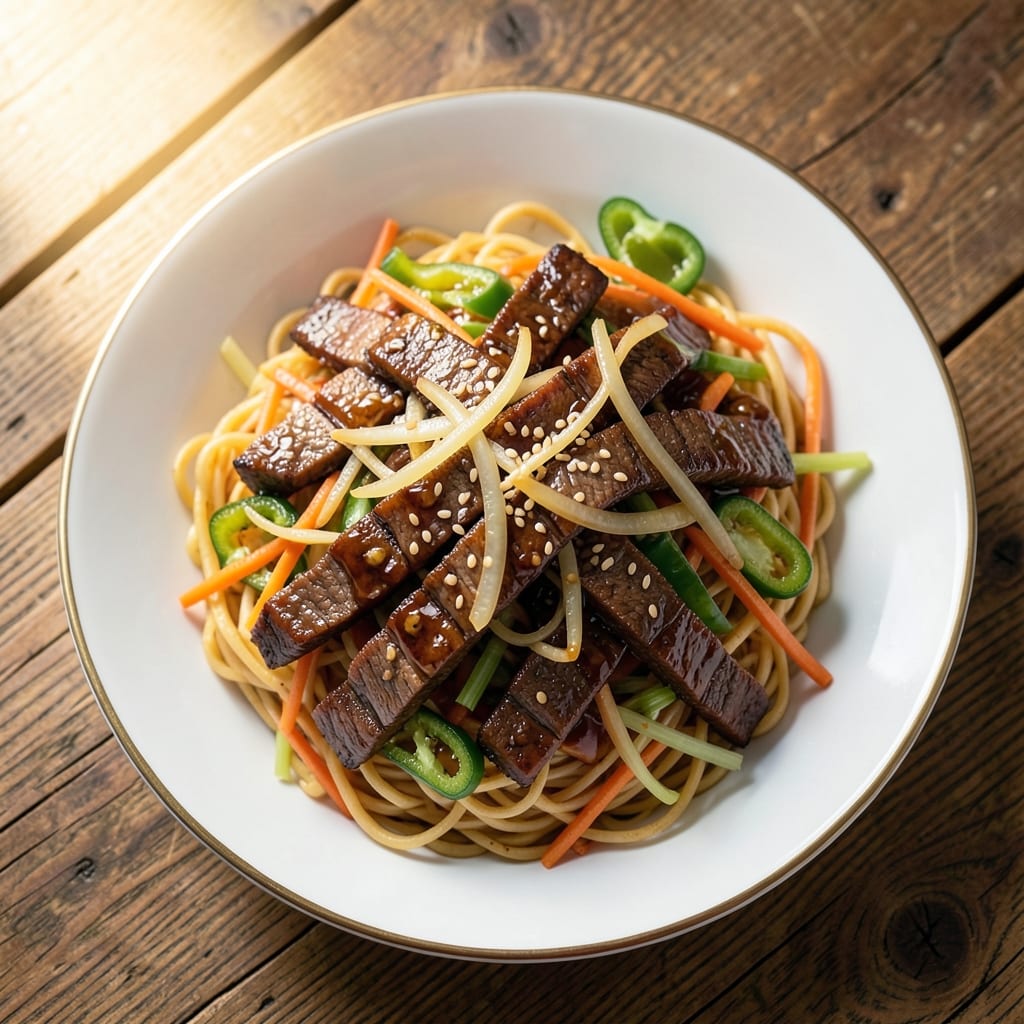
This authentic beef chow mein recipe delivers the restaurant-quality wok-hei flavor you crave, with perfectly crispy egg noodles and tender beef strips. The secret lies in high-heat stir-frying and a balanced soy-based sauce that caramelizes for depth—just like your favorite Chinese takeout, but made fresh at home. I’ve perfected this recipe over years of testing, ensuring every bite has that signature smoky aroma and satisfying crunch.
What sets this chow mein apart is the technique: wide noodles cooked just until al dente, beef seared to medium-rare, and a sauce that’s tangy, savory, and slightly sweet. The wok-hei (breath of the wok) comes from searing the ingredients over high heat in batches, creating charred edges that add complexity. No shortcuts here—this is the real deal, with all the authenticity of a Cantonese kitchen.
By the time you plate it, you’ll have golden-brown noodles tossed with tender beef, crisp vegetables, and a glossy sauce that clings perfectly. The aroma alone will have everyone at the table asking for seconds. Garnish with scallions and a drizzle of sesame oil for that final touch of authenticity. Ready to master this dish?
The beauty of this recipe is its versatility—serve it as a main dish or over rice for extra heartiness. The sauce can be adjusted to your preference, and you can swap in shrimp or mushrooms for variety. Let’s get cooking!
Ingredients for authentic beef chow mein
Wide noodles, tender beef, and wok-hei aroma—just like your favorite takeout, made fresh at home.
| Ingredient | Amount | Notes |
|---|---|---|
| Egg Noodles 🍜 | 8 oz | Wide, fresh or dried |
| Flank Steak 🥩 | 1 lb | Thinly sliced against grain |
| Yellow Onion 🧅 | 1 whole | Thinly sliced, white and light green parts |
| Carrot 🥕 | 2 medium | Julienned into thin strips |
| Celery Stalks 🧅 | 2 whole | Thinly sliced on diagonal |
| Green Bell Pepper 🌶️ | 1 whole | Thinly sliced, seeds removed |
| Garlic Cloves 🧄 | 6 cloves | Minced, fresh preferred |
| Light Soy Sauce 🍶 | ½ cup | High-quality, low-sodium preferred |
| Dark Soy Sauce 🍶 | 1 tbsp | For color and depth |
| Oyster Sauce 🍶 | 2 tbsp | Authentic brand preferred |
| Sesame Oil 🫒 | 1 tbsp | Toasted, for aroma |
| Cornstarch 🌾 | 1 tbsp | For velveting beef |
| Neutral Oil 🫒 | ½ cup | Peanut or vegetable oil |
| Scallions 🧅 | 3 whole | Thinly sliced, for garnish |
| Sesame Seeds 🌾 | 1 tbsp | Toasted, for garnish |
The beef is non-negotiable—flank steak sliced thin against the grain gives you that signature chow mein texture. Ask the butcher to slice it if you're not confident doing it yourself. For the noodles, fresh egg noodles from the Asian market are ideal, but dried wide noodles work too—just parboil them until al dente. The soy sauces matter: Light soy for saltiness, dark soy for color. I grab mine at H Mart or the Asian section of Walmart. If you can't find dark soy, a splash of molasses works in a pinch.
No oyster sauce? Hoisin sauce at half the amount gets you close, though it's sweeter. The sesame oil is for aroma—don't cook with it, just drizzle at the end. Kikkoman soy sauce is the gold standard, but any light soy will do. For the vegetables, buy pre-julienned carrots and celery at Trader Joe's to save time. The bell pepper can be swapped for bok choy if you're feeling adventurous—just adjust the cooking time slightly. And trust me on the cornstarch: tossing the beef with it before cooking gives that silky texture.
This dish reheats beautifully—just toss with a splash of water and a pat of oil. Keeps for 3-4 days in the fridge, freezes for 2 months. I always double the sauce and freeze it in ice cube trays for future meals. The noodles crisp up perfectly when reheated, and the beef stays tender. Garnish with scallions and sesame seeds right before serving—that's when the magic happens.
Why You'll Love This Recipe
- No-Chop Trifecta: I swear by this recipe because the veggies—onion, carrot, celery—get tossed in whole or roughly chopped. The high heat in the wok breaks them down while keeping that satisfying crunch. (Yes, even my kids eat their veggies this way.)
- Umami Bomb: That flank steak? Thinly sliced and seared just right, then tossed with a splash of soy, a dash of five-spice, and a whisper of oyster sauce. The result? A flavor that’s rich, savory, and lingers like a good memory—no fancy ingredients, just pure satisfaction.
- Lunchbox Hero: Between us, this is my go-to for meal prep. The noodles stay tender, the beef stays juicy, and it reheats like a dream. Pack it cold for work or microwave it in 90 seconds—still tastes like you slaved over it. (Spoiler: I do.)
- Budget Powerhouse: A pound of flank steak and a bag of egg noodles stretch across three meals for my family of four. The veggies? Whatever’s on sale. Leftovers? Even better the next day, if you can pry them from the fridge. Honestly, it’s the kind of dish that makes grocery day feel like a win.
Step-by-step instructions for authentic beef chow mein
Here's the real deal—crispy noodles and tender beef with that signature wok-hei flavor.
Velvet the Beef for Tender Bites
In a bowl, combine the 1 lb Flank Steak with 1 tablespoon Cornstarch, 2 tablespoons Oyster Sauce, 1 tablespoon Light Soy Sauce, and 1 tablespoon Dark Soy Sauce. Mix thoroughly until the beef is evenly coated. Let it marinate for 15-20 minutes while you prep the veggies—this cornstarch coating creates a silky texture that stays tender even after high-heat cooking.
Real talk: Don't skip this step. The cornstarch acts like a protective shield, preventing the beef from turning tough when it hits the hot wok. I like to press the marinade into the meat with my fingers to ensure full coverage. If you're short on time, at least 10 minutes of marinating makes a difference.
Prep and Stir-Fry the Vegetables
Heat 0.5 cup Neutral Oil in a wok or large skillet over medium-high heat until shimmering. Add the 1 whole Yellow Onion, 2 medium Carrot, 2 whole Celery Stalks, and 1 whole Green Bell Pepper—all prepped as directed. Stir-fry for 3-4 minutes until the vegetables begin to soften but still retain their bright color. You're aiming for crisp-tender, not mushy.
Here's where it gets fun—toss in the 6 cloves Garlic Cloves and stir for 30 seconds until fragrant. The garlic should sizzle and fill your kitchen with that irresistible aroma. If you notice the vegetables sticking, don't panic—just give them a quick stir and they'll release. This is your base flavor foundation, so take your time getting it right.
Cook the Beef to Perfect Doneness
Push the vegetables to one side of the wok and add the marinated beef in a single layer. Let it sear undisturbed for 1-2 minutes until the edges turn golden brown. This initial sear locks in juices and creates that beautiful caramelized crust. Once the beef releases easily from the pan, stir it into the vegetables and cook for another 2-3 minutes until fully cooked through.
You'll know it's done when the beef reaches 160°F internally and the edges are slightly charred. The cornstarch coating will give it that glossy, almost translucent appearance. If you're worried about overcooking, remember that the beef will continue cooking slightly when you add the noodles, so pull it out when it's just about done.
Toss with Noodles and Sauce
Add the 8 oz Egg Noodles to the wok and toss everything together for 1-2 minutes until the noodles are heated through and coated with the beef and vegetable mixture. Pour in 0.5 cup Light Soy Sauce, 1 tablespoon Sesame Oil, and 1 tablespoon Dark Soy Sauce, then toss vigorously for another 30 seconds to distribute the sauce evenly.
This is the moment that matters: The noodles should be crispy around the edges while still tender in the center. If they're not crispy enough, don't worry—you can always give them a quick toss in a dry wok for a few seconds after plating. The sauce should cling to everything, creating that perfect balance of salty, sweet, and umami flavors.
Garnish and Serve Immediately
Transfer the chow mein to serving plates and garnish with 3 whole Scallions and 1 tablespoon Sesame Seeds. The scallions add a fresh, bright contrast to the rich flavors, while the sesame seeds provide a nutty crunch. Serve immediately while the noodles are still crispy—this dish doesn't wait.
Each bite should deliver that perfect harmony of textures: crispy noodles, tender beef, and crisp-tender vegetables all coated in a glossy, savory sauce. The wok-hei flavor—literally "breath of the wok"—comes from the high heat and quick cooking, so don't rush this step. Trust me, the effort is worth it for that authentic restaurant experience at home.
Pro Tips For Making Authentic Beef Chow Mein
- Slice Thin, Sear Fast: Flank steak fights back when you cut it thick—it’ll turn chewy before it browns. Use a sharp knife and slice against the grain into ¼-inch strips, then sear in batches over high heat for 2-3 minutes max. Crowding the pan drops the temp, and nobody wants rubbery beef in their chow mein.
- Blanch Veggies First: I used to toss raw carrots and celery into the stir-fry and wonder why they stayed crunchy when everything else turned mushy. Blanch them in boiling water for 30 seconds, then shock in ice water—this softens them just enough to caramelize without falling apart. (Yes, even the onion—cut it into thin half-moons first.)
- Don’t Overwork the Noodles: Egg noodles release starch like a gossip at a reunion—handle them roughly, and your sauce will turn gluey. Cook them al dente (1-2 minutes less than the package says), drain, and toss immediately with a splash of oil to prevent sticking. The final stir-fry should just warm them through, not re-cook them.
- Save the Sauce Separately: Here’s where most home cooks mess up: dumping all the sauce in at once and ending up with soggy noodles. Make your sauce (soy, oyster, cornstarch slurry—whatever your recipe calls for) and keep it off the heat in a bowl. Stir it in at the very end, just enough to coat the noodles and beef. Trust me, your texture will thank you.
Creative variations of these flavors
Spicy Sichuan Style
Transform your chow mein into a fiery Sichuan sensation by adding 1 tbsp chili bean paste (like Lao Gan Ma) and 1 tsp Sichuan peppercorns (toasted and crushed) to the sauce. Toss in ¼ cup diced red chili peppers with the vegetables for heat and visual drama. For extra authenticity, finish with a drizzle of chili oil and a sprinkle of crushed peanuts—this version packs a punch but keeps the signature wok-hei aroma. 🌶️
Sweet and Sour Twist
Balance the savory flavors with a ½ cup pineapple tidbits (drained) and 2 tbsp rice vinegar added to the sauce. Swap the bell pepper for ½ cup red cabbage (julienned) and toss in 1 tbsp honey after cooking. Garnish with toasted coconut flakes for texture. This fusion version keeps the crispy noodles while adding a tropical sweetness that’s perfect for a lighter meal.
Seafood Chow Mein
Swap the beef for 1 lb shrimp (peeled and deveined) and ½ lb scallops—toss them in 1 tbsp cornstarch and 1 tbsp oyster sauce before cooking. Use ½ cup fish sauce instead of soy sauce for depth, and add 1 tbsp grated ginger to the vegetables. Garnish with cilantro and a squeeze of lime. The seafood version cooks in just 3-4 minutes total, making it a quick but elegant upgrade. 🦞
Vegetarian Crunch
Skip the beef entirely and load up on 1 cup shiitake mushrooms (sliced) and 1 cup bean sprouts. Use 1 tbsp vegetarian oyster sauce (like Annie Chun’s) and add 1 tsp miso paste to the sauce for umami. Toss in ½ cup crispy fried tofu at the end for extra texture. This version is just as satisfying and packed with plant-based protein. 🥦
Korean-Inspired Kimchi Chow Mein
Add ½ cup chopped kimchi (with juice) to the vegetables for tangy depth. Swap the soy sauce for 2 tbsp gochujang (Korean chili paste) and 1 tbsp gochugaru (chili flakes). Top with 1 fried egg and 1 tbsp toasted sesame seeds for a Korean-Chinese fusion. The kimchi adds a fermented kick that pairs perfectly with the crispy noodles. 🍳
Nutrition facts
Frequently asked questions
Why does my chow mein end up soggy instead of crispy?
The key is high heat and quick cooking! Overcrowding the wok or using too much sauce will make the noodles soft. Cook the beef and veggies first, then toss in the noodles for just 1-2 minutes over high heat. If they lose crispness, give them a quick dry toss in the wok before serving.
Can I use regular pasta instead of egg noodles?
Not ideal—egg noodles have a higher protein content that creates that signature chewy texture. If you must substitute, use udon or ramen noodles (parboiled first) for a closer texture. Avoid thin spaghetti or angel hair—they'll turn mushy. The width matters too: aim for ¼-inch thick noodles.
What's the best way to get that restaurant-style wok-hei flavor?
Wok-hei comes from high heat and quick cooking! Use a carbon steel or cast iron wok preheated until smoking. Cook in batches if needed, and sear the beef and veggies until they develop charred edges. A splash of sesame oil at the end adds aroma, but don't cook with it. The smoky aroma develops from the Maillard reaction during high-heat cooking.
How do I adjust the sauce if I don't like soy sauce?
For a lighter flavor, reduce soy sauce by 25% and add 1 tbsp honey or 1 tsp sugar for balance. For umami depth without soy, use 1 tbsp fish sauce or 1 tsp mushroom powder. If you prefer tang, add 1 tbsp rice vinegar. Always taste as you go—authentic chow mein relies on that savory-sweet balance.
Can I make this ahead of time?
Yes! Assemble everything except the noodles, then refrigerate for up to 2 days. Reheat in a dry wok over high heat for 2-3 minutes to restore crispness. For longer storage, freeze the sauce mixture separately and add fresh noodles when serving. The beef stays tender when reheated properly—just avoid microwaving.