
Main Courses
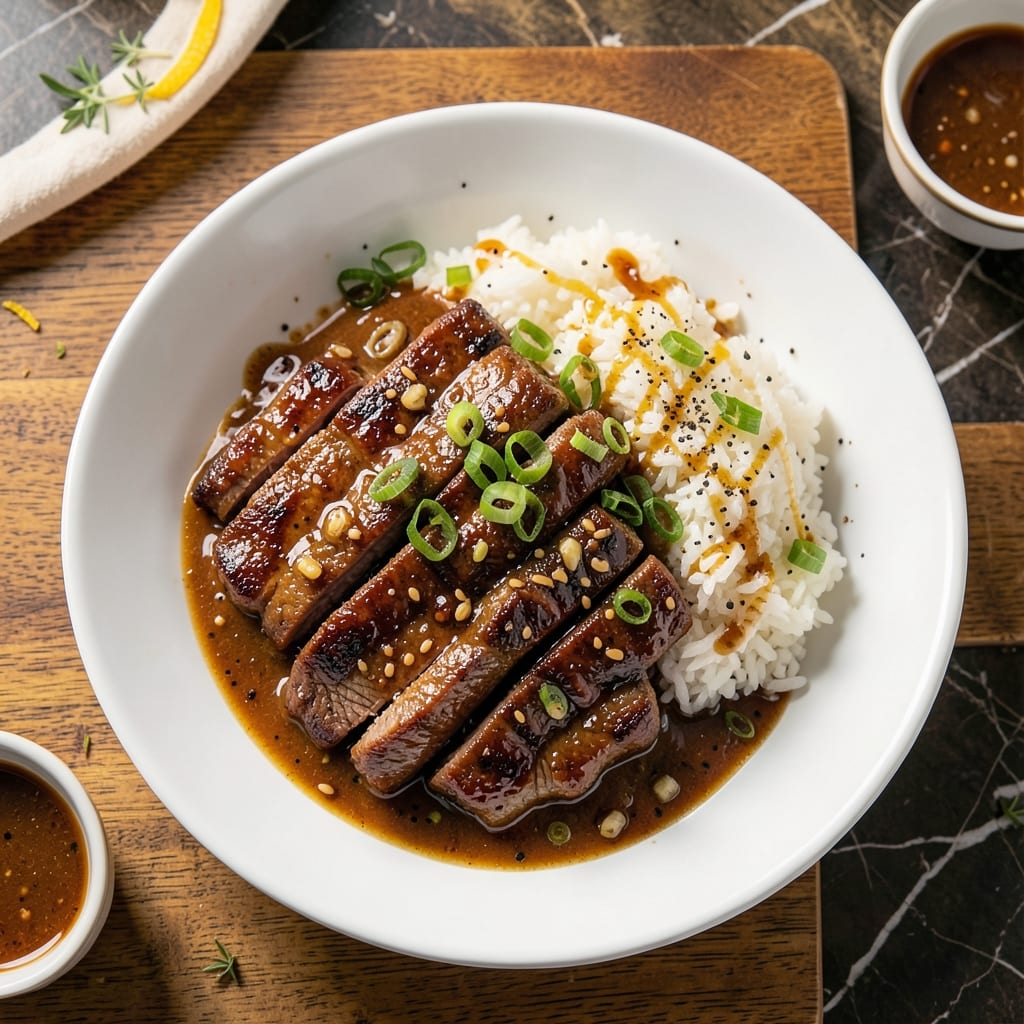
This Panda Express Mongolian beef recipe brings the restaurant's signature sweet-spiced stir-fry right to your home kitchen. After years of takeout cravings and failed attempts to recreate it, I finally perfected the balance of tangy, sweet, and savory flavors that make this dish so addictive. The secret lies in marinating the beef properly and building layers of flavor through careful sauce reduction.
The recipe delivers that signature Panda Express taste with tender beef strips coated in a glossy, slightly sticky sauce that's perfectly balanced between sweet and tangy. We'll use a combination of soy sauce, brown sugar, and vinegar as the foundation, then boost the depth with ginger, garlic, and a touch of sesame oil. The result is a dish that's restaurant-quality without requiring any special equipment.
What makes this recipe truly special is how it transforms simple ingredients into something extraordinary. The beef becomes fork-tender while maintaining a slight bite, and the sauce clings beautifully to each piece. This is the kind of meal that disappears quickly—perfect for weeknight dinners when you want restaurant-quality food without the wait.
Serve it over steamed rice with a side of steamed broccoli or mixed vegetables to recreate the full Panda Express experience. The sauce is rich enough to stand alone but works beautifully with these classic sides. Let's get started on making this home version that rivals the original.
Ingredients for panda express mongolian beef
Simple ingredients that pack maximum flavor for this iconic restaurant-style stir-fry.
| Ingredient | Amount | Notes |
|---|---|---|
| Flank Steak 🥩 | 1 ½ lb | Thinly sliced against grain |
| Soy Sauce 🍶 | ½ cup | Low-sodium preferred |
| Brown Sugar 🍚 | ¼ cup | Packed firmly |
| Rice Vinegar 🍶 | ¼ cup | White or seasoned |
| Sesame Oil 🫒 | 1 tbsp | Toasted for aroma |
| Garlic Cloves 🧄 | 4 cloves | Minced finely |
| Fresh Ginger 🌿 | 1 tbsp | Grated finely |
| Corn Starch 🌾 | 2 tbsp | For thickening sauce |
| Vegetable Oil 🫒 | 2 tbsp | High smoke point |
| Green Onions 🧅 | 3 whole | Sliced thinly |
| Sesame Seeds 🌿 | 1 tbsp | Toasted for garnish |
| White Pepper 🌶️ | ½ tsp | Freshly ground |
| Salt 🧂 | 1 tsp | Adjust to taste |
| Steamed White Rice 🍚 | 2 cups | Cooked separately |
The flank steak is non-negotiable for that signature tender bite—ask your butcher to slice it thinly against the grain (or do it yourself with a sharp knife). Costco or Whole Foods often carry pre-sliced versions if you're short on time. For the sauce base, low-sodium soy sauce prevents oversalting, and brown sugar adds the caramelized depth that makes this dish addictive. Fresh ginger and garlic? Asian markets usually have the best quality, but the grocery store works too—just look for plump, firm ginger roots with no soft spots.
No sesame oil? Toasted peanut oil works in a pinch, though it lacks that nutty aroma. Substituting white vinegar for rice vinegar? Add 1 tsp sugar to balance the sharpness. The cornstarch is key for that glossy, slightly sticky sauce—don't skip it, or you'll miss that signature Panda Express texture. For the green onions, use the white and green parts—they both add flavor. And if you're short on time, frozen stir-fry veggies** (like broccoli or snap peas) can bulk this up without sacrificing authenticity.
This sauce reheats beautifully—keep it in the fridge for up to 5 days in an airtight container, or freeze portions for 3 months. The beef stays tender when reheated gently over low heat with a splash of water. For meal prep, store components separately (sauce, beef, rice) and assemble when ready to eat. The rice should be steamed just before serving to avoid sogginess—microwaveable rice packets are a lifesaver for quick weeknight dinners.
Why You'll Love This Recipe
- One-Pan Magic: I swear by this recipe because it’s literally one pan—steak, sauce, and all. No chopping vegetables, no extra bowls, just slice the steak thin, toss it in the sauce, and let the sesame oil work its magic while you stir. My counter stays cleaner than my diet on a Monday.
- Sweet-Savory Balance: That perfect hit of brown sugar cutting through the soy sauce? Chef’s kiss. The rice vinegar brightens it up just enough to keep it from feeling heavy, and the sesame oil adds this nutty, umami punch that makes it taste like a restaurant dish. Honestly, I’ve tried other versions, but this combo is spot-on.
- Lunchbox Hero: Between us, this is my go-to for meal prep. Toss the cooked beef over rice, pack it in containers, and boom—three days of lunches with zero effort. My kids (who usually refuse anything "fancy") actually finish their portions. (Yes, even on a Tuesday night.)
- Budget Stretch: Flank steak is affordable, and a pound goes a long way when you slice it thin. The sauce costs pennies, and leftovers reheat like a dream—no dryness, no weird textures. I’ll be real: I’ve made this for date nights, potlucks, and lazy Sundays, and it never lets me down. Reliable, delicious, and kind to my wallet.
Step-by-step instructions for Panda Express Mongolian beef
This method delivers authentic restaurant-quality Mongolian beef with tender beef and glossy sauce.
Prepare the Marinade and Slice the Flank Steak
In a medium bowl, whisk together the 0.5 cup soy sauce, 0.25 cup brown sugar, 0.25 cup rice vinegar, 1 tbsp sesame oil, 4 cloves minced garlic cloves, 1 tbsp finely grated fresh ginger, 0.5 tsp white pepper, and 1 tsp salt. This marinade creates the perfect balance of sweet, tangy, and savory flavors that define Mongolian beef.
Place the 1.5 lb flank steak in a resealable plastic bag and pour the marinade over it. Seal the bag and massage the marinade into the meat, ensuring it's fully coated. Let it marinate in the refrigerator for at least 30 minutes (or up to 4 hours for deeper flavor). While marinating, slice the 3 whole green onions thinly and set aside for garnish.
Cook the Beef Until Tender
Remove the flank steak from the marinade (reserve the marinade) and slice it thinly against the grain into ¼-inch thick strips. Heat a large skillet or wok over medium-high heat and add 2 tbsp vegetable oil. Once the oil is shimmering, add the sliced beef in a single layer and cook undisturbed for 1-2 minutes until the edges begin to brown.
Stir the beef and cook for an additional 2-3 minutes until it's 75% cooked through but still slightly pink in the center. Remove the beef from the skillet and set it aside. The beef will finish cooking in the sauce, preventing it from becoming tough.
Thicken the Sauce and Combine Ingredients
Pour the reserved marinade into the same skillet and bring it to a boil over high heat. Reduce the heat to medium and let it simmer for 3-4 minutes until it thickens slightly. In a small bowl, whisk together 2 tbsp corn starch with 2 tablespoons water to create a slurry. Slowly pour the slurry into the simmering sauce while stirring constantly.
Continue stirring until the sauce thickens to a glossy, syrupy consistency—this should take about 1-2 minutes. The sauce should coat the back of a spoon and cling to the beef when combined. Return the beef to the skillet and toss everything together until the beef is fully coated in the sauce and heated through.
Finish and Serve
Remove the skillet from heat and let the Mongolian beef rest for 2-3 minutes to allow the sauce to fully adhere. Transfer the beef to a serving platter and sprinkle with 1 tbsp toasted sesame seeds and the sliced green onions. Serve immediately over 2 cups steamed white rice for the perfect balance of flavors and textures.
The beef should be tender, glossy, and coated in a sweet-savory sauce with a hint of tang. Each bite should deliver a perfect harmony of flavors, just like the restaurant version. Enjoy while warm for the best experience!
Pro Tips For Making Panda Express Mongolian Beef
- Slice Against the Grain: Flank steak’s tough fibers run long—cutting perpendicular to them turns chewy beef into tender strips. Use a sharp knife and slice before adding the sauce; the meat’s natural juices will help distribute the glaze evenly when you toss it in later.
- Salt the Steak First: Pat the flank steak dry, then hit it with a heavy hand of kosher salt (about 1.5 teaspoons per pound) 30 minutes before cooking. This seasoning step isn’t just flavor—it kickstarts moisture release, so the beef doesn’t dry out when you sear it. (Yes, even if you’re impatient like me.)
- Skip the Overcrowded Pan: The Mongolian beef’s signature shine comes from a quick sear, not a slow simmer. Cook the steak in a single layer over high heat—if you pile it on, the sauce will turn into a greasy mess instead of a glossy glaze. Start with half the meat, sear, then set aside before adding the rest.
- Brown the Sugar First: Don’t just toss brown sugar into the sauce—heat it in the pan for 30 seconds until it melts and darkens slightly. This caramelization deepens the sauce’s sweetness and balances the soy’s saltiness. (I learned this the hard way after tasting a version that tasted like syrup and soy sauce, not Mongolian beef.)
Pro cooking tips for perfect results
Marinate Like a Pro
The key to tender beef is marinating it properly. I always use a resealable plastic bag for even coating—just pour the marinade over the steak, seal it, and massage it gently. For extra tenderness, let it marinate for at least 30 minutes (up to 4 hours if you have time). The longer it marinates, the more flavor it absorbs. I like to slice the green onions while waiting, so they're ready for garnishing later. 🌿
High Heat Short Cook
Cooking the beef quickly over medium-high heat is essential. When the edges start browning after 1-2 minutes, that's your signal to stir and cook for another 2-3 minutes. The goal is to get it 75% cooked—it'll finish in the sauce. Overcooking here makes the beef tough. I use a 12-inch cast iron skillet because it heats evenly and retains heat better than nonstick pans.
Sauce Thickening Secrets
The cornstarch slurry is what gives the sauce its signature glossy texture. Mix 2 tbsp cornstarch with 2 tbsp water until smooth, then slowly pour it into the simmering sauce while stirring constantly. If the sauce gets too thick too fast, add 1 tbsp water to loosen it. The sauce should coat the back of a spoon—this is what makes it cling perfectly to the beef. 🔥
Rest Before Serving
Letting the beef rest for 2-3 minutes after cooking allows the sauce to fully adhere. This step is often skipped, but it makes a huge difference in texture. During this time, I like to toast the sesame seeds in a dry pan for 30 seconds until fragrant—they add a nutty aroma that elevates the dish. Sprinkle them over the beef just before serving for maximum freshness.
Weeknight Time-Savers
For busy weeknights, prep the marinade the night before and store it in the fridge. When ready to cook, slice the beef and proceed with the recipe. If you're short on time, use pre-sliced flank steak from the grocery store—just make sure it's sliced thinly against the grain. I also keep a batch of steamed rice ready in the fridge, so I can reheat it quickly in the microwave when needed.
Sauce Make-Ahead Tip
The sauce can be made up to 5 days ahead and stored in an airtight container. To reheat, warm it gently on the stove over low heat and add a splash of water if it thickens too much. I like to freeze extra sauce in ice cube trays—just thaw and reheat as needed. This is perfect for meal prep because you can assemble the dish quickly by tossing the reheated sauce with pre-cooked beef and rice. ✨
Nutrition facts
Frequently asked questions
Can I use flank steak substitutes for Mongolian beef?
Yes! Flank steak is ideal, but you can swap it for sirloin or ribeye (slice extra thin). For a leaner option, try top round—just marinate it 4+ hours to prevent toughness. Avoid fatty cuts like ribeye if you prefer the classic Panda Express texture.
Why does my sauce turn out too thin or too thick?
Sauce consistency is all about the cornstarch slurry. If it's too thin, simmer longer or add ½ tsp more cornstarch mixed with water. Too thick? Thin with 1 tsp water while stirring. The perfect sauce should coat the back of a spoon but still flow smoothly.
Can I make Mongolian beef without sesame oil?
Swap sesame oil for 1 tbsp toasted peanut oil or even 1 tsp sesame paste (found in Asian markets). For a neutral option, use 1 tbsp vegetable oil—just add an extra ¼ tsp garlic powder to compensate for the missing aroma. The flavor will still shine through!
How do I prevent the beef from getting tough?
Tough beef usually means overcooking or not slicing against the grain. Always slice ¼-inch thick strips perpendicular to the grain, and cook just until 75% done—it finishes in the sauce. For extra tenderness, pound the steak lightly before marinating or use a meat mallet for even thickness.
What sides pair best with homemade Mongolian beef?
Panda Express-style pairings work perfectly! Serve with steamed jasmine rice, stir-fried broccoli, or egg rolls. For a modern twist, add cucumber salad or mandarin orange slices for freshness. The key is balancing the rich beef with lighter, crisp elements.