
Main Courses
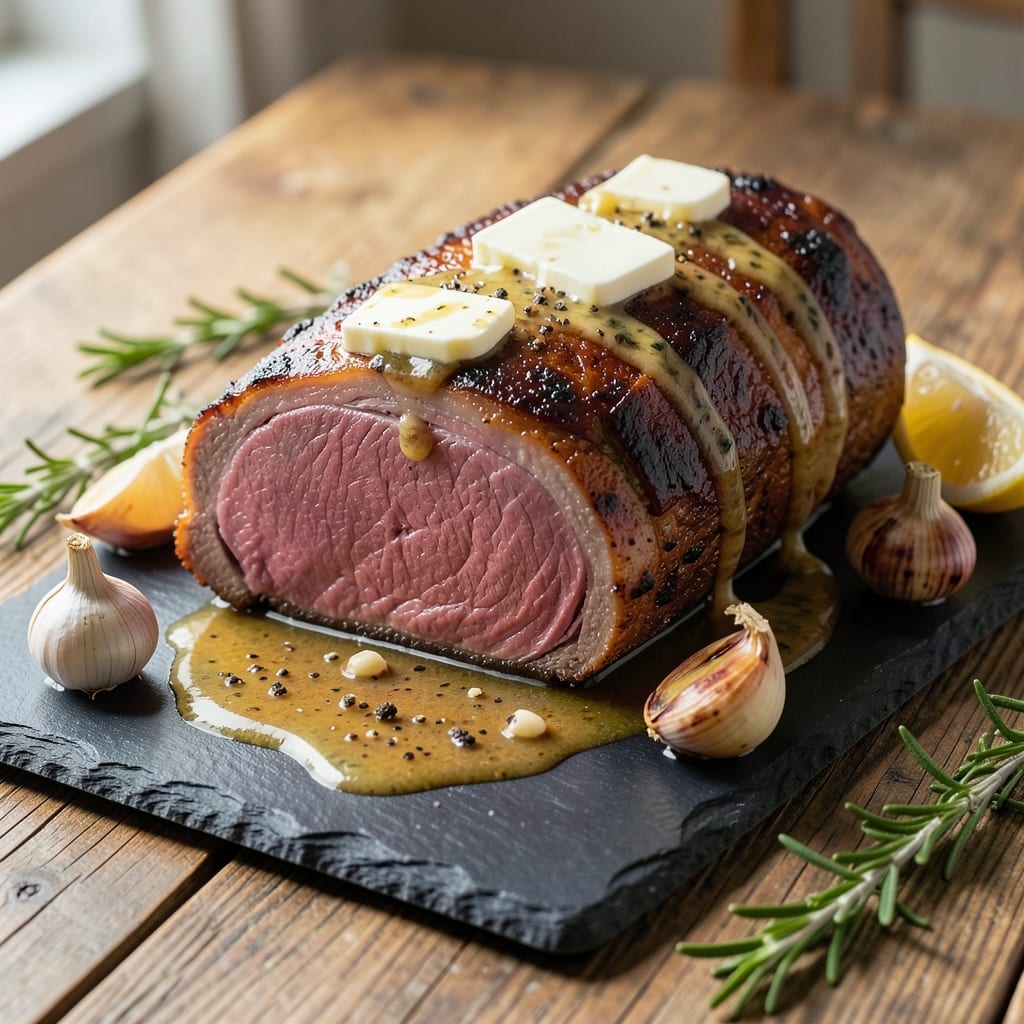
This Angus beef sirloin roast delivers the ultimate balance of juicy pink centers and a crisp reverse-seared crust—the kind of meal that transforms a weeknight into a special occasion. The secret lies in precise temperature control and a simple seasoning approach that lets the beef’s natural richness shine through. Unlike traditional roasting methods, this technique ensures tender meat with a perfect caramelized exterior every time.
Start with a dry-brine for enhanced flavor and moisture retention, then roast to an internal temperature of 130–135°F for medium-rare perfection. The final step—a quick sear in a screaming-hot pan—locks in juices and creates that coveted crust. This method is foolproof for home cooks, whether you're serving a holiday dinner or treating yourself to a restaurant-quality steak at home.
The result is a tender, melt-in-your-mouth roast with a deep, beefy flavor that pairs beautifully with classic sides like roasted garlic mashed potatoes or a bold red wine reduction. The crust is rich and caramelized, while the interior remains succulent and pink, just as you’d expect from a premium cut. No fancy equipment is needed—just patience and attention to temperature.
Serve with your favorite sides and prepare to impress. This recipe ensures a restaurant-worthy centerpiece that’s simple enough for any occasion. Let’s get cooking!
Ingredients for angus beef sirloin roast
Six ingredients transform a simple roast into restaurant-worthy perfection with that coveted crust.
| Ingredient | Amount | Notes |
|---|---|---|
| Angus Beef Sirloin Roast 🥩 | 4 lb | Center-cut, bone-in preferred |
| Kosher Salt 🧂 | 1 ½ tbsp | Diamond Crystal preferred |
| Freshly Ground Black Pepper 🌶️ | 1 tbsp | Cracked peppercorns preferred |
| Garlic Cloves 🧄 | 8 cloves | Smash lightly for even seasoning |
| Extra-Virgin Olive Oil 🫒 | 2 tbsp | High-quality, fruity variety |
| Unsalted Butter 🧈 | ½ cup | Cold, cubed for searing |
| Fresh Thyme Leaves 🌿 | ¼ cup | Stems removed, chopped |
| Fresh Rosemary Sprigs 🌿 | 4 whole | Fronds separated, chopped |
| Red Wine 🍷 | ½ cup | Bold, dry variety like Cabernet |
| Beef Tallow or Duck Fat 🧈 | 2 tbsp | For high-heat searing |
| Yellow Onion 🧅 | 1 whole | Thinly sliced, for garnish |
| Fresh Parsley 🌿 | ¼ cup | Chopped, for garnish |
The beef is everything here. Angus sirloin delivers that perfect balance of marbling and tenderness—bone-in if you can find it, but boneless works too. I always grab mine from Whole Foods or a trusted butcher shop, where they can cut it to your exact specifications. Look for vibrant color and good marbling—those little white streaks are your flavor insurance. The center-cut is key for even cooking, so don't settle for the cheaper end pieces. For a true premium experience, ask for a dry-aged cut if available, but it's not mandatory. The roast should be about 1.5 inches thick all over for even cooking.
No kosher salt? Diamond Crystal is ideal because it dissolves cleanly, but Morton's works too. Fresh herbs are non-negotiable here—they add that bright, aromatic note that makes this dish sing. Dried herbs at half the amount will work in a pinch, but fresh is worth the extra minute. The olive oil should be extra-virgin and fruity—none of that cheap cooking oil. For the sear, tallow or duck fat adds incredible richness, but butter alone works fine if that's what you've got. The red wine is just for deglazing, so any bold, dry variety will do—whatever's open in your fridge. And if you're worried about the garlic, smashing the cloves releases more flavor than mincing them.
This roast tastes even better the next day, so plan ahead. Wrap it tightly in butcher paper or foil, then place in a sealed container. Keeps in the fridge for 3-4 days and freezes beautifully for up to 3 months. For reheating, low and slow is key—250°F in the oven until just warmed through, about 15 minutes. I always make extra because it's perfect for sandwiches the next day. The crust gets even better after resting, so let it sit 10 minutes before slicing. Trust me on that—it's worth the wait.
Why You'll Love This Recipe
- Same recipe, two vibes: throw it in the oven for 45 minutes on a busy Tuesday, or let it slow-roast for hours on a lazy Sunday. Slice it thin for sandwiches or serve it whole for a showstopper dinner. I’ve done both—it works every time.
- Five-Ingredient Magic: I swear by this—just salt, pepper, garlic, olive oil, and that perfect cut of beef. No fancy rubs or last-minute shopping trips. Honestly, it’s the kind of recipe where the prep feels like a warm hug.
- Crispy-Garlicky Perfection: That seared crust on the outside? Chef’s kiss. The garlic cloves roasted right into the meat until they’re soft and fragrant—it’s the kind of flavor that makes you pause mid-bite. Between us, this is the moment beef lovers live for.
- Weeknight or Sunday Feast: Same recipe, two vibes: throw it in the oven for 45 minutes on a busy Tuesday, or let it slow-roast for hours on a lazy Sunday. Slice it thin for sandwiches or serve it whole for a showstopper dinner. I’ve done both—it works every time.
Step-by-step instructions for perfectly reverse-seared sirloin roast
Here's how to achieve a restaurant-quality crust with a juicy pink center—every time.
Prepare the Roast with Dry Brine and Seasoning
Remove the 4 lb Angus Beef Sirloin Roast from packaging and pat it completely dry with paper towels. This step is non-negotiable—moisture prevents that perfect crust we're after. Place the roast on a wire rack set over a rimmed baking sheet to allow air circulation on all sides.
In a small bowl, combine the 1.5 tbsp kosher salt and 1 tbsp freshly ground black pepper. Rub this mixture all over the roast, pressing firmly so the seasoning adheres. Don't forget the cavity if your cut has one—this ensures even flavor penetration. Let the seasoned roast sit uncovered in the refrigerator for 12-24 hours. This dry brine process creates a flavorful crust while keeping the interior juicy.
Low-Temperature Roast Until Medium Rare
Preheat your oven to 275°F. Remove the roast from the refrigerator and let it sit at room temperature for 30 minutes. Place the roast fat-side up on the wire rack and insert an oven-safe meat thermometer into the thickest part of the roast.
Roast for 2-2.5 hours until the internal temperature reaches 120-125°F. You'll notice the roast will hit a stall around 140°F—this is normal and expected. The goal here is to gently cook the center while preserving moisture. Remove the roast from the oven and tent loosely with foil. Let it rest for 15 minutes while you prepare the searing station.
Create the Herb Butter and Wine Reduction
While the roast rests, create the herb butter by combining the 0.5 cup cold unsalted butter, 0.25 cup chopped fresh thyme leaves, and 4 chopped fresh rosemary sprigs in a small bowl. Mix well and chill until ready to use. In a separate small saucepan, combine the 0.5 cup red wine and 2 tbsp beef tallow or duck fat over medium heat. Simmer for 5 minutes until reduced by half, then strain through a fine-mesh sieve to remove any impurities.
This reduction will be used to baste the roast during searing, adding depth of flavor. Keep both the herb butter and reduced wine mixture at room temperature until needed. The wine reduction should be thick enough to coat the back of a spoon but still pourable.
Reverse Sear for Perfect Crust and Pink Center
Heat a heavy oven-safe skillet (cast iron works best) over high heat until smoking hot. Add the 2 tbsp extra-virgin olive oil and swirl to coat. Place the roast in the skillet fat-side down and sear for 3-4 minutes until a deep golden crust forms. Flip the roast and sear the other side for another 3-4 minutes.
Transfer the skillet to a preheated 400°F oven. Baste the roast with the wine reduction and spoon the herb butter over the top. Roast for 10-15 minutes, basting every 5 minutes, until the internal temperature reaches 130-135°F. This final sear creates that coveted crust while keeping the center juicy and pink. The roast should have a deep caramelized crust with a pink interior when sliced.
Rest and Serve with Garnishes
Remove the roast from the oven and transfer it to a cutting board. Tent loosely with foil and let it rest for 15-20 minutes. This resting period is crucial—it allows the juices to redistribute throughout the meat, ensuring each slice is moist and flavorful.
Slice the roast against the grain into ½-inch thick portions. Garnish each serving with thinly sliced yellow onion and chopped fresh parsley. Serve immediately with the pan juices spooned over the top. Each slice should reveal a beautiful pink center with a crispy, caramelized crust that's packed with herb-infused butter flavor.
Pro Tips For Making Angus Beef Sirloin Roast
- USE A MEAT THERMOMETER: The internal temp matters more than guesswork—aim for 130°F (medium-rare) for sirloin, then pull it 5°F early. I learned this the hard way after slicing into a dry roast because I trusted the "finger test" instead. A $20 thermometer changes everything.
- DRY THE MEAT FIRST: Pat that roast thoroughly with paper towels before searing—wet surfaces steam instead of brown. I used to skip this, and my crust always came out pale and sad. Five minutes with towels makes a real difference.
- DON’T OVERCROWD THE PAN: If you’re searing in a skillet, leave space between the garlic cloves and the roast. I once stuffed the pan like a sardine, and the garlic burned before the meat got a crust. A single layer of garlic on the bottom is enough.
- REST IT UNDER FOIL: After roasting, tent the meat with foil and let it sit 10-15 minutes—this keeps it juicy. I know, I know, you want to slice it immediately, but skipping this step means dry slices. Trust the process.
Best sauces and condiments for these flavors
Classic Red Wine Reduction
The bold red wine reduction from the recipe is your best friend for adding depth to every bite. Simmer ½ cup dry red wine (like Cabernet Sauvignon) with 2 tbsp beef tallow until reduced by half—this creates a rich, concentrated sauce that complements the beef's natural flavors. Strain out impurities, then use it to baste the roast during the final sear. The acidity cuts through the richness while enhancing the crust's caramelization. 🍷
Herb-Infused Butter
The herb butter in this recipe is where the magic happens—½ cup cold unsalted butter blended with ¼ cup fresh thyme and 4 chopped rosemary sprigs creates a fragrant, golden topping. Spread it generously over the roast during the final sear, then let it melt into the crust. The herbs infuse the butter with aromatic notes that pair perfectly with the beef's richness. For extra flair, add a pinch of flaky sea salt before serving.
Pan Jus for Extra Flavor
Don't discard those precious pan juices after searing! Deglaze the skillet with ¼ cup beef broth and scrape up all the browned bits—this creates a flavorful pan jus. Strain and reduce it slightly until it coats the back of a spoon. Spoon it over each slice before serving to add an extra layer of umami richness. This technique turns simple beef into a restaurant-worthy experience with minimal effort.
Garlic-Herb Compound Butter
For a variation, mix ½ cup softened butter with 3 minced garlic cloves, 1 tbsp chopped parsley, and a pinch of red pepper flakes. Spread this on the roast during the final minutes of searing. The garlic adds a sweet, aromatic punch that balances the beef's richness, while the chili flakes introduce just enough heat to keep things interesting. This works especially well if you're serving the roast to garlic lovers.
Smoky Chipotle Glaze
Craving a smoky kick? Blend ½ cup ketchup, 2 tbsp apple cider vinegar, 1 tbsp adobo sauce (from canned chipotles), and 1 tsp smoked paprika. Simmer until thickened, then brush it over the roast during the final sear. The glaze caramelizes beautifully, creating a sweet-and-smoky contrast to the beef's natural flavor. Garnish with extra chipotle peppers for a fiery finish. 🌶️
Balsamic Berry Sauce
For a lighter option, simmer ½ cup balsamic vinegar with 1 cup mixed berries (like raspberries or blackberries) and 1 tbsp honey until reduced by half. Strain and drizzle over sliced roast. The tartness of the balsamic and the sweetness of the berries create a bright, refreshing contrast to the rich beef. This sauce works especially well for spring or summer dinners when you want something lighter but still flavorful.
Nutrition facts
Frequently asked questions
Why does the recipe call for dry-brining the beef overnight?
The 12-24 hour dry brine creates two magic things: a deeply flavorful crust and perfect moisture retention. The salt penetrates the outer layers, breaking down proteins to form a concentrated, caramelized exterior while the interior stays impossibly juicy. Skip this step and you'll miss that restaurant-quality texture and flavor depth.
What's the difference between sirloin roast and other beef roasts?
Sirloin roast comes from the rear section of the cow, offering a leaner but incredibly flavorful cut with good marbling. Unlike chuck roast (which is tougher but more forgiving) or rib roast (richer but pricier), sirloin delivers a perfect balance of tenderness and beefy flavor—ideal for reverse searing. The center-cut is especially prized for even cooking.
Can I use this recipe with a smaller roast?
For a 2-3 lb roast, reduce cooking times by about 20-30 minutes total (adjust for thickness). Keep the same temperature targets (120-125°F for initial roast, 130-135°F final). The reverse sear method works perfectly for smaller cuts—just scale the herb butter and wine reduction proportionally.
What if my oven doesn't go below 275°F?
No problem! Use your oven's broiler setting for the low-temperature phase. Preheat to broil, then immediately turn it off and crack the oven door 2 inches to maintain 275°F circulation. Monitor closely with a thermometer—this mimics sous-vide precision without special equipment.
How do I fix overcooked beef?
If your roast reaches 145°F+ (well-done), don't panic! Slice thinly against the grain and serve with rich sauces (like the red wine reduction) to compensate. For extra moisture, slice and quickly sear the pieces in butter with a splash of beef broth. The resting time is still critical—it helps redistribute any remaining juices.