
What changed, and what it changed for you
When this site started, it was a placeholder for a bigger idea: a collection of beef recipes that actually worked. The first version was thin, copied from other sources, and full of assumptions. Recipes were treated like instructions, not conversations.
The photos were generic, the explanations were sparse, and the tone was all business—no warmth, no stories, just steps.
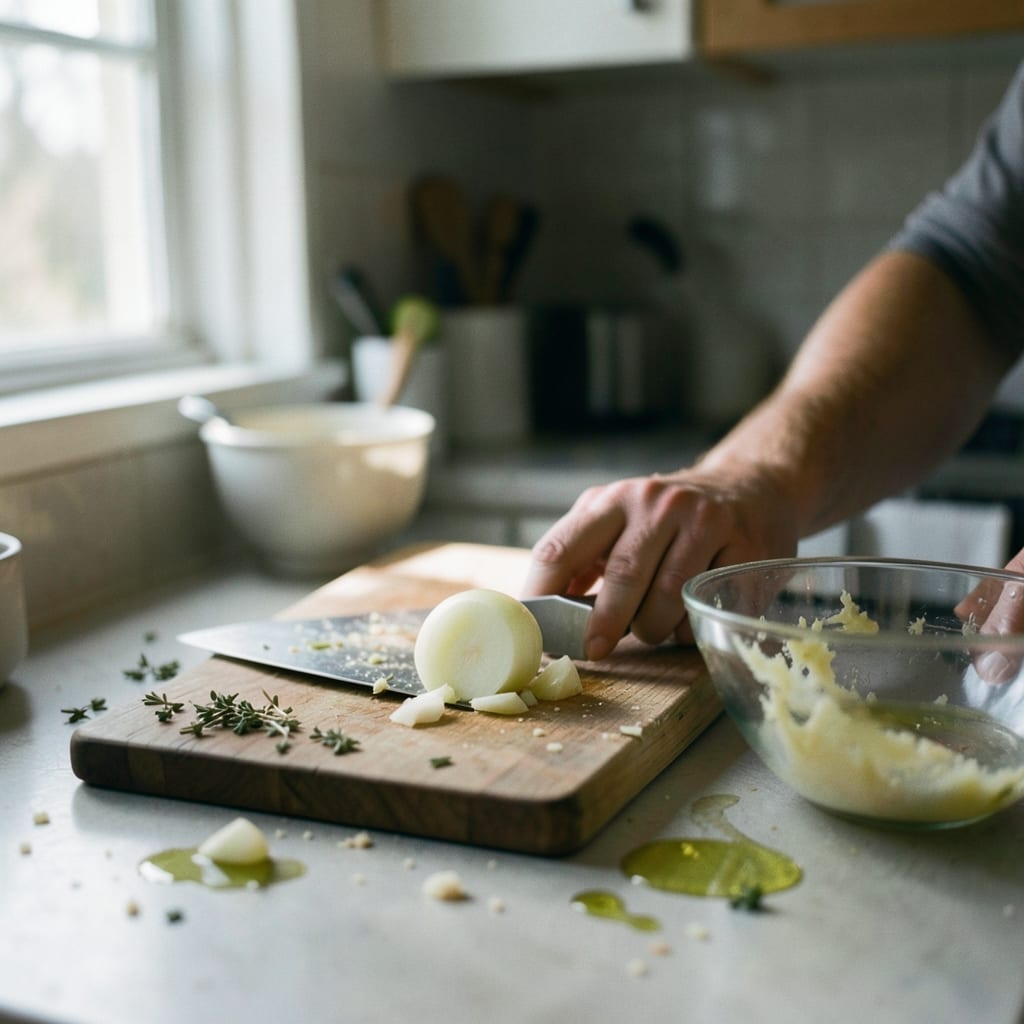
Now it’s built around the idea that cooking should feel like company. Every recipe is tested in a real kitchen with real pans and real mistakes. The photos show the process, not just the plate. The writing explains not just *what* to do, but *why* it matters. And the tone?
It’s the difference between reading a manual and sitting at a table where someone’s sharing a favorite dish—and telling you the story behind it.
| It used to be | Now it is |
|---|---|
| Recipes lifted from other sites with no testing. | Every recipe developed in-house, tested twice with real ingredients and equipment. |
| Generic stock photos that looked nothing like real home kitchens. | Photos shot in the same kitchen where the recipes are tested, with real smoke and real messes. |
| Steps listed like a grocery list—no context, no personality. | Recipes written like a conversation, with explanations for every technique and ingredient. |
| No mention of where a dish came from or why it matters. | Each recipe includes the story behind it—whether it’s a family tradition or a modern twist. |
The one that took years
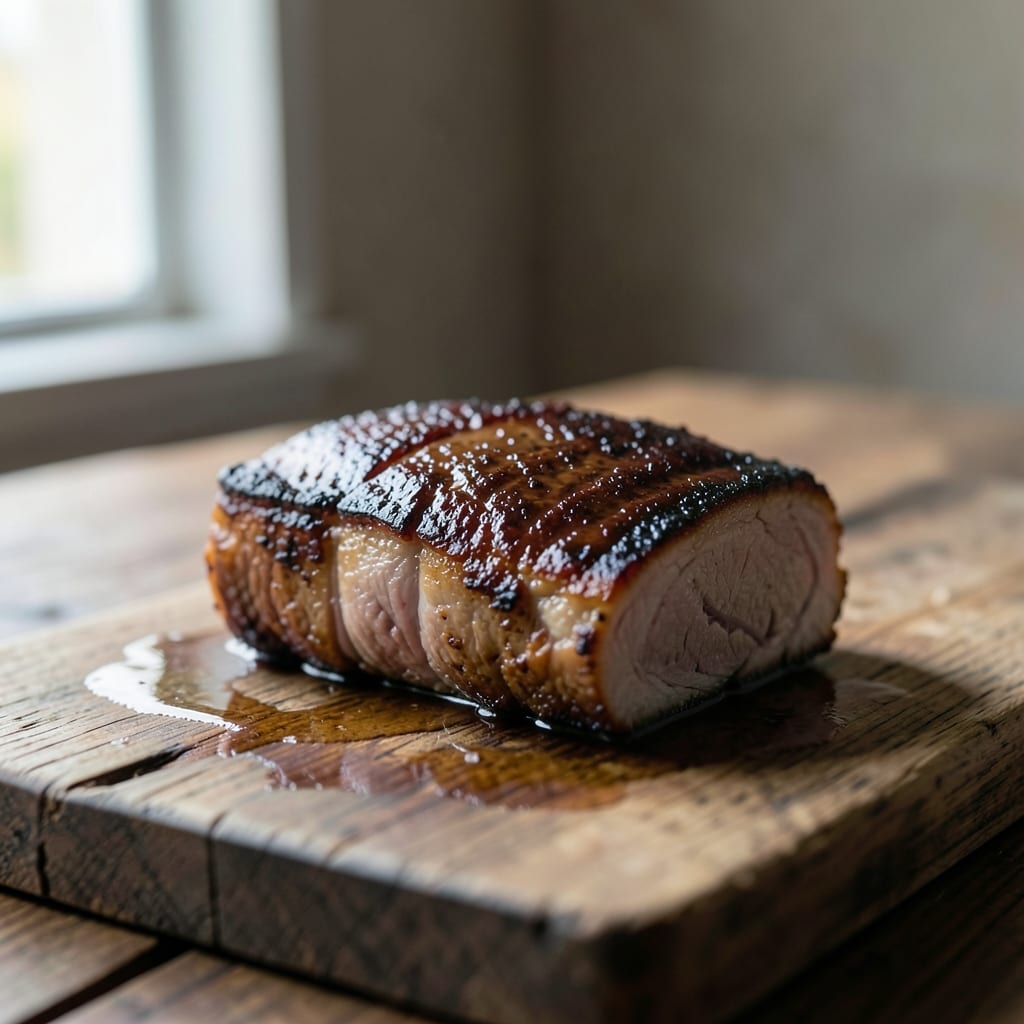
The biggest mistake was treating recipes like they were math problems. If you followed the steps exactly, you’d get the same result every time—that’s how I thought about cooking for years. But real kitchens don’t work like that.
Humidity changes, pans heat unevenly, and even the same cut of beef can behave differently. For years, I ignored that. Recipes were just instructions, not guides.
The problem stayed hidden because I never actually cooked with the recipes I wrote. I’d read them, tweak a few numbers, and call it done. But that meant every dish was either too rigid or too vague.
A reader would follow it perfectly and still end up with something that didn’t taste right—or worse, something that burned because the instructions didn’t account for a small stove or a windy kitchen.
The turning point came when I realized I was the worst test cook for my own recipes. I’d make a dish, take one bite, and call it good—even if it needed more salt or a longer rest.
So I started testing with real people: friends, family, even strangers who’d volunteer to taste and critique. That’s when I noticed the real issues. A steak recipe that worked on a gas grill failed on a charcoal one.
A slow-cooked pot roast needed different spices if you didn’t have time to brown the meat first. The fix wasn’t just retesting—it was building a system where every recipe had to account for the chaos of real cooking.
Now, every recipe goes through two full tests in different conditions: once on a standard stove and once with variables—like a smaller pan or a humid day. That doubles the time and ingredients, but it means the instructions actually work. The cost?
More money on beef, more time in the kitchen, and a lot of burnt attempts along the way. But the payoff is that when you open a recipe here, it’s not just a set of steps—it’s something that’s been stress-tested for you.
Meet the author

I used to think cooking was about precision. If you measured everything right and followed the steps, you’d get a perfect result every time. That’s how I learned—from my grandmother’s recipes, written in her neat handwriting with margins for adjustments. But when I started writing, I stripped away the margins.
Recipes became rigid, and the only thing that mattered was the final plate. I’d write a dish, cook it once, taste it, and call it done—no matter how many times it fell apart in someone else’s kitchen.
The worst moment came when I sent a recipe to a friend who’d never cooked beef before. She followed it exactly, and the result was dry, overcooked, and inedible. I’d assumed she’d adjust the time, but the instructions didn’t tell her *why* she should.
That’s when I realized I’d been treating recipes like algorithms, not art. The process was all about control, not connection.
What changed was realizing that cooking isn’t about perfection—it’s about adaptability.
Now, I write like Ramon Dubois, the guy who still burns the edges of his steak sometimes but knows how to fix it. This site is where I share recipes that account for the mess, the mistakes, and the moments when things don’t go as planned.
Every dish here is tested in real conditions, written with real stories, and designed to work in your kitchen—even if your stove is small, your hands are shaky, or you’re learning as you go.
What did not change
The core idea hasn’t wavered: beef deserves better than generic recipes. From the start, this site was built on the belief that great cooking should feel personal, not prescriptive. That’s why every dish still includes the *why* behind the *how*—whether it’s a family heirloom or a modern twist.
And the focus on tradition hasn’t shifted. Even when we add new techniques, we ground them in the flavors and methods that have stood the test of time.
The other constant is the kitchen itself. The same stove, the same cast-iron skillet, the same mistakes—just more of them, now.
The photos are still shot in the same space where the recipes are born, and the tone remains the same: no pretension, no shortcuts, just food that’s worth gathering around. The only thing that’s changed is how much we’ve learned along the way.
What is still being fixed
Right now, we’re working on making the site even more practical for real cooks. That means adding more troubleshooting tips—like how to save a dish if it’s underseasoned or overcooked—and expanding the range of techniques for different skill levels.
We’re also refining the way we explain cuts of beef, so even if you’ve never bought a ribeye before, you’ll know exactly what to look for.
If you’ve got a beef recipe that’s worked for your family for years, or a technique that’s saved your dinner more times than you can count, we’d love to hear about it. The contact page is the best place to share your ideas.
Things that would help
- Your go-to recipes that never fail—and why they work.
- A technique or trick you’ve developed for handling beef (or avoiding common mistakes).
- A story about a beef dish that turned out better—or worse—than expected, and what you learned.
The recipes are grouped by category: Appetizers, Beverages, Breakfast & Brunch, Main Courses, Salads and Sauces & Condiments.