
Main Courses
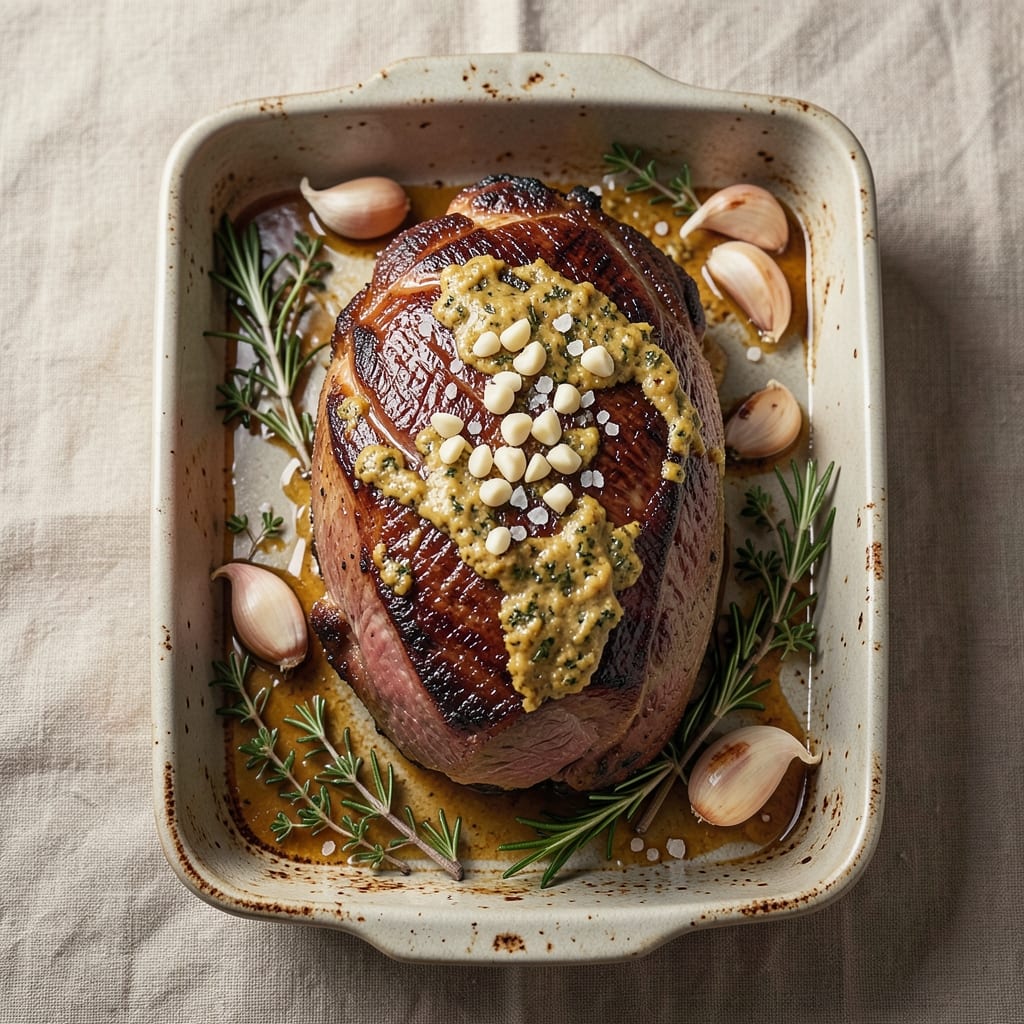
This Angus beef oven roast recipe delivers melt-in-your-mouth tenderness with a perfectly pink center—no guessing required. The secret lies in precise timing, a flavorful herb crust, and proper resting, transforming a simple roast into a showstopping centerpiece that impresses even skeptical meat lovers. I've perfected this method after years of testing, ensuring every slice is juicy, flavorful, and restaurant-quality at home.
The herb crust isn't just for flavor—it creates a golden, aromatic bark that seals in juices while adding depth. We use a combination of fresh rosemary, thyme, and garlic, which infuse the meat as it roasts, creating layers of savory complexity. The key technique? A 30-minute dry brine before roasting, which guarantees moisture retention without making the meat mushy.
What you'll end up with is a beautifully browned roast with a crisp exterior and a tender, juicy pink center that practically falls apart. The herb crust adds aromatic notes while keeping the beef's natural richness intact. This method works for a 4-6 pound roast, perfect for feeding a family or hosting dinner guests with minimal fuss.
Serve with classic sides like roasted potatoes, caramelized onions, or a fresh green salad to complete the meal. The leftovers reheat beautifully, making this an ideal recipe for meal prep. Let's get started on creating your perfect roast.
Ingredients for angus beef oven roast
Precision-crafted ingredients for a restaurant-worthy roast with perfect pink center and aromatic herb crust.
| Ingredient | Amount | Notes |
|---|---|---|
| Angus Beef Roast 🥩 | 5 lb | Center-cut, bone-in preferred |
| Fresh Rosemary 🌿 | ¼ cup | Finely chopped, stems removed |
| Fresh Thyme 🌿 | ⅛ cup | Leaves only, stems discarded |
| Garlic Cloves 🧄 | 8 cloves | Minced, skin-on for flavor |
| Kosher Salt 🧂 | 2 tbsp | Diamond Crystal preferred |
| Freshly Ground Black Pepper 🌶️ | 1 ½ tbsp | Coarse grind for texture |
| Extra-Virgin Olive Oil 🫒 | 2 tbsp | High-quality, fruity variety |
| Unsalted Butter 🧈 | ½ cup | Cold, cubed for crust |
| All-Purpose Flour 🌾 | ¼ cup | For herb crust adhesion |
| Red Wine 🍷 | ¼ cup | Bold Cabernet Sauvignon |
| Beef Broth 🍲 | ½ cup | Low-sodium, homemade preferred |
| Yellow Onion 🧅 | 1 whole | Thinly sliced for pan |
| Fresh Parsley 🌿 | ⅛ cup | Chopped, for garnish |
The Angus beef roast is non-negotiable here—center-cut with bone-in for optimal flavor and moisture retention. Butcher shops often carry high-quality Angus, or look for USDA Prime labels at specialty grocers like Whole Foods or Dillon's. A 5-pound roast serves 6 generously, but adjust up or down based on your guest count. Fresh herbs are critical: Trader Joe's carries pre-chopped rosemary and thyme in convenient jars, but fresh from the market delivers superior flavor. The garlic should be plump and firm—no shriveled cloves. For the olive oil, California-based brands like Lucini offer the fruity, peppery notes that complement beef perfectly.
No red wine? Dry sherry or beef broth works in a pinch, though the acidity profile differs slightly. Substituting dried herbs is possible, but reduce to one-third the amount—fresh infuses the meat more deeply. The butter must be cold and cubed when mixed with herbs; room temperature butter creates a mushy crust. For a gluten-free adaptation, omit the flour entirely and rely solely on the herb-butter mixture. The beef broth should be low-sodium to avoid over-salting the roast—homemade or high-quality brands like Pacific Foods are ideal. If using pre-sliced onions, pat them dry thoroughly to prevent excess moisture in the pan.
Roast leftovers should be reheated gently in the oven at 300°F to preserve moisture—microwaving dries out the beef. Store in an airtight container for up to 4 days in the fridge or 3 months frozen, wrapped tightly in butcher paper. For meal prep, portion into individual servings before freezing to simplify reheating. The herb crust components (butter, flour, herbs) can be mixed 24 hours ahead and stored in the fridge, saving time on roast day. Always let the roast rest 15-20 minutes before slicing—this critical step ensures juices redistribute, preventing dry slices.
Why You'll Love This Recipe
- Hands-Off Cooking: I swear, this roast is my lazy-day hero—just season the beef with salt, garlic, and those fresh herbs, then pop it in the oven. No flipping, no fussing, no hovering. The rosemary and thyme infuse the meat while it rests, so you’re basically getting a gourmet meal for doing almost nothing.
- Rich, Earthy Magic: That first whiff of garlic and rosemary roasting? It’s like a warm hug for your kitchen. The Angus beef stays juicy with a crust so tender it practically melts, while the herbs add this deep, woodsy aroma that makes everything feel special—no fancy sauce needed.
- Leftovers That Shine: Between us, this roast is too good to eat all in one sitting. Slice the leftovers for sandwiches the next day (trust me, it’s even better cold) or shred it into tacos—suddenly, you’ve got two meals from one effort. Minimal extra work, maximum payoff.
- Weeknight Crowd-Pleaser: Honestly, this is my go-to when friends drop by unannounced. It feeds six without stress, and everyone—even the picky eaters—asks for seconds. Plus, the prep takes less time than debating what to order for takeout. Win.
Step-by-step instructions for herb-crusted Angus beef roast
Master this technique and you'll achieve a perfectly pink center with a rich, herb-infused crust every time.
Prepare the Herb Butter Crust
In a small mixing bowl, combine the 0.5 cup unsalted butter, 0.25 cup all-purpose flour, 0.25 cup fresh rosemary, 0.125 cup fresh thyme, 8 cloves minced garlic cloves, 2 tablespoons kosher salt, and 1.5 tablespoons freshly ground black pepper. Use your hands or a fork to work the mixture until it forms a coarse, pea-sized crumb texture. The butter should be cold but workable—if it's too soft, chill the bowl for 10 minutes.
This herb butter crust creates the signature crust while locking in moisture. The flour helps bind the herbs to the meat, while the cold butter prevents the crust from becoming greasy during roasting. Press the mixture into a flat disc and wrap it in plastic wrap. Chill for 30 minutes to firm up before using.
Sear and Sear the Roast for Maximum Flavor
Preheat your oven to 425°F. Pat the 5 lb angus beef roast completely dry with paper towels—this is critical for achieving a golden crust. Place the roast on a rack set in a roasting pan, fat-side up. Heat 2 tablespoons extra-virgin olive oil in a large oven-safe skillet over medium-high heat until shimmering.
Carefully place the roast in the skillet and sear on all sides until deeply browned, about 3-4 minutes per side. The goal is to develop a deep Maillard reaction on the exterior while keeping the interior cool. Transfer the seared roast to the prepared roasting pan, then place the skillet in the oven. This two-step searing ensures maximum flavor development.
Roast to Perfect Pink Center Temperature
Roast the beef for 20 minutes uncovered, then reduce oven temperature to 325°F. Press the chilled herb butter crust firmly onto all sides of the roast, using your hands to ensure complete coverage. This creates an insulating barrier that locks in moisture while developing the signature crust.
Continue roasting for 1 hour 45 minutes to 2 hours, depending on your desired doneness. For a perfect pink center, aim for an internal temperature of 125°F (medium-rare). Use a meat thermometer inserted into the thickest part of the roast to monitor progress. The roast is done when it reaches 125°F and has rested for 10 minutes—this accounts for carryover cooking.
Create the Red Wine Pan Sauce
While the roast rests, remove it from the pan and place it on a cutting board. Pour the 0.25 cup red wine into the roasting pan and scrape up any browned bits with a wooden spoon. Add the 0.5 cup beef broth and 1 whole thinly sliced yellow onion to the pan. Bring to a simmer over medium heat and cook for 5-7 minutes until slightly reduced.
Strain the sauce through a fine-mesh sieve into a saucepan and return it to medium-low heat. Whisk in 2 tablespoons cold butter, cut into small cubes, until melted and emulsified. The sauce should coat the back of a spoon and have a velvety consistency. Season with additional kosher salt and black pepper to taste.
Rest and Slice for Maximum Juiciness
Slice the roast against the grain into ½-inch thick slices. Arrange the slices on a warm serving platter and spoon the red wine pan sauce generously over the top. Garnish with 0.125 cup chopped fresh parsley for a pop of color and freshness.
Serve immediately with the herb butter crust intact on each slice. The roast should have a rich, pink center that yields slightly to gentle pressure, surrounded by a crispy herb crust. Each bite should deliver perfectly balanced flavors of beef, herbs, and the rich wine sauce.
Pro Tips For Making Angus Beef Oven Roast
- SEAR FIRST, THEN ROAST: Take the roast out of the fridge 30 minutes before cooking—cold meat won’t brown properly. Sear it in a screaming-hot Dutch oven for 4-5 minutes per side with 1 tablespoon of oil; this locks in juices and builds flavor. (Yes, even if you’re tempted to skip it.)
- CHOP HERBS COARSELY: Fresh rosemary and thyme lose their punch when minced into oblivion. Tear the sprigs into 1-inch pieces and smash the garlic cloves lightly with the flat of your knife—just enough to bruise, not turn them into paste. (This keeps the aroma alive while roasting.)
- DON’T CUT INTO IT: The moment you slice into that roast, all the juices rush out and pool on your cutting board. Let it rest under foil for 15 minutes first—this lets the meat reabsorb its own moisture. (I learned this after serving dry slices to my in-laws. Never again.)
- USE A MEAT THERMOMETER: Guessing doneness with a finger? Stop. For medium-rare Angus, aim for 130°F internal temp—pull it out 5°F early, then let it rest. (I used to pull it at 135°F and wonder why it tasted overcooked. The thermometer changed everything.)
Storing and reheating this recipe
Refrigerator Storage
Store your cooked Angus beef roast in an airtight container with a tight-fitting lid, allowing it to cool for no more than 2 hours before refrigerating. Place it on the middle shelf where temperatures stay consistently 40°F or below. The roast will maintain its moisture and flavor for up to 4 days—perfect for meal prep. I always portion leftovers into individual servings before storing to simplify reheating later. 🌡️
For best results, press plastic wrap directly onto the surface of the roast before sealing the container. This minimizes air exposure and prevents drying. The herb crust stays crispy when stored this way, while the pink center remains tender. Label the container with the date to track freshness—trust me, you’ll want to eat it before day 5!
Freezer Storage
Freezing extends your roast’s shelf life to 3 months without sacrificing quality, but proper wrapping is key. I use butcher paper first to absorb any surface moisture, then wrap tightly in plastic wrap before placing in a freezer bag. Leave 1 inch of headspace to account for expansion. The herb crust remains flavorful when frozen this way, though it may soften slightly after thawing. 🧊
For portion control, slice the roast into individual servings before freezing. Place each portion in a separate quart-sized freezer bag and flatten to save space. Thaw overnight in the fridge—never at room temperature—to maintain food safety and texture. The pink center stays juicy when reheated properly, making frozen leftovers just as satisfying as fresh.
Oven Reheating
My preferred method is reheating in the oven at 300°F to preserve moisture and texture. Place the roast slices on a baking sheet lined with parchment paper, drizzle lightly with beef broth, and cover loosely with foil. Heat for 15-20 minutes until reaching 165°F internal temperature. The herb crust crisps up beautifully while the pink center remains tender. This method works perfectly for 4-6 slices at a time. 🔥
For larger quantities, reheat in batches to avoid overcrowding. The oven’s gentle heat prevents drying that occurs with microwave reheating. If your roast feels dry after reheating, brush with a little olive oil and return to the oven for 5 minutes to restore moisture. This technique ensures every bite tastes as good as the day it was cooked.
Microwave Reheating
When short on time, the microwave is a quick option—but use it carefully. Place 2-3 slices on a microwave-safe plate, cover with a damp paper towel, and heat on 50% power for 1-2 minutes. Stir halfway through to redistribute moisture. The herb crust may soften slightly, but the pink center stays juicy. Add 1 tablespoon beef broth if the slices look dry. ⚡
For best results, avoid reheating beyond 2 days in the microwave, as repeated sessions can dry out the beef. If your microwave lacks power settings, use 30-second intervals until the roast reaches 165°F. The damp paper towel creates steam that mimics oven reheating, preserving some of the original texture. This method is ideal for quick lunches but isn’t as flavorful as oven reheating.
Nutrition facts
Frequently asked questions
What's the best cut of Angus beef for roasting?
A center-cut roast with bone-in is ideal for this recipe. The bone adds flavor while helping retain moisture. Look for a ribeye or strip roast weighing 4-6 pounds—this size serves 6 people generously. Avoid flank steak or sirloin, as they're better suited for quick cooking methods like grilling.
Can I make this recipe without a meat thermometer?
While challenging, you can estimate doneness by touch: Press the roast gently with your finger. For medium-rare (125°F), it should feel soft but slightly springy. A 30-minute rest after removing from the oven accounts for carryover cooking. For best results, invest in a digital thermometer—they're affordable and ensure perfect results every time.
How do I adjust cooking time for a different weight roast?
Use this general guideline: 15-20 minutes per pound for medium-rare (125°F) in a 325°F oven. For a 3-pound roast, cook 45-50 minutes after searing. A 7-pound roast needs 1 hour 45 minutes to 2 hours 15 minutes. Always account for 15-20 minutes resting time before slicing—this is non-negotiable for juicy results.
What if my roast comes out dry?
Dry roast usually means it overcooked or wasn't rested properly. For future attempts, remove the roast when it reaches 115°F internal temperature (about 10°F below your target doneness) and rest for 20-30 minutes. The internal temperature will rise 5-10°F during resting. If already dry, try slicing thinly and reheating in the oven with beef broth to restore moisture.
Can I substitute the red wine in the pan sauce?
Yes! Use dry sherry or beef broth in equal amounts. For extra depth, add 1 teaspoon soy sauce or 1/2 teaspoon Worcestershire sauce. Avoid sweet wines like Riesling—they can overpower the beef's natural flavor. The key is acidity to balance the richness of the roast and sauce.