
Main Courses
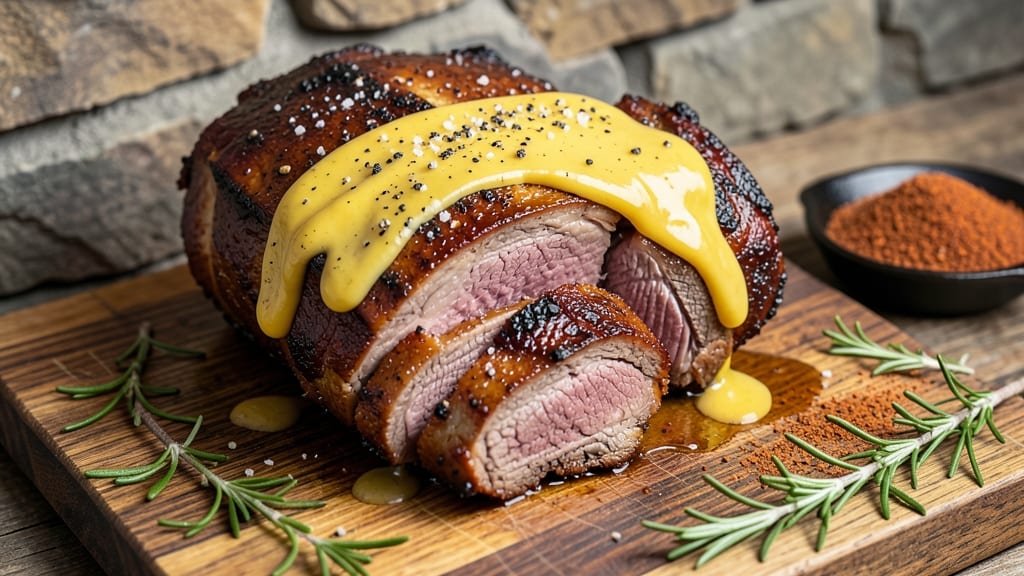
Slow smoked beef brisket transforms tough cuts into melt-in-your-mouth perfection through patience and precision—14 hours of low-and-slow cooking unlocks that legendary smoky bark and tender core.
This Texas-style method relies on maintaining a steady 225°F temperature, using a blend of hickory and oak wood for that deep, authentic flavor profile. The key lies in proper trimming, a well-seasoned rub, and knowing exactly when to wrap the brisket to retain moisture without sacrificing texture.
What sets this recipe apart is the balance between tradition and technique—no shortcuts, but no unnecessary complexity either. You'll start with a 20-pound packer cut, apply a simple but bold spice blend (coarse salt, black pepper, garlic powder, and smoked paprika), then let the smoker do the heavy lifting.
The result? A brisket so tender it practically falls apart at the touch, with a crust so dark and flavorful it rivals any competition-style entry.
By the time you pull it from the smoker at 203°F internal temperature, you'll have a masterpiece ready for slicing against the grain—juicy enough to make every bite worthwhile. The aroma alone will have guests gathering before the first slice is served, and the leftovers?
Even better the next day, reheated slowly to preserve that perfect moisture. This isn't just a brisket; it's a centerpiece for any gathering.
Pair it with classic sides like creamy coleslaw, buttery cornbread, and pickled jalapeños for the full Texas BBQ experience. The beauty of this method is its flexibility—whether you're feeding a crowd or meal prepping for the week, the same principles apply.
Let's get started on creating a brisket that'll have everyone asking for seconds.
Ingredients for slow smoked beef brisket
Twenty pounds of beef, a handful of spices, and 14 hours of patience—this is Texas-style brisket done right.
| Ingredient | Amount | Notes |
|---|---|---|
| Beef Brisket (Packer Cut) 🥩 | 20 lb | Whole packer cut, fat cap intact |
| Yellow Mustard 🍯 | ½ cup | For fat cap adhesion |
| Coarse Kosher Salt 🧂 | ¾ cup | Diamond Crystal preferred |
| Freshly Ground Black Pepper 🌶️ | ½ cup | Coarse grind for texture |
| Garlic Powder 🧄 | ¼ cup | Freshly ground preferred |
| Smoked Paprika 🌶️ | ¼ cup | For deep smoky flavor |
| Brown Sugar 🍬 | ¼ cup | Light or dark works |
| Onion Powder 🧅 | 2 tbsp | For subtle sweetness |
| Hickory Wood Chips 🌳 | 4 lb | Oak chips optional for blend |
| Apple Juice 🍎 | 2 cups | For spritzing during cook |
| Beef Tallow or Shortening 🧈 | ½ cup | For wrap adhesion |
| Butcher Paper 📄 | 2 sheets | For wrapping brisket |
| Aluminum Foil 📦 | 1 sheet | Heavy-duty preferred |
| Beef Broth 🍲 | 1 cup | For spritzing post-wrap |
The brisket cut is everything—packer cut with fat cap intact is non-negotiable. Most butchers will trim it for you, but if you're buying whole, ask for the fat cap left on. Costco and local butchers usually carry this cut, but call ahead. The fat cap protects the meat during cooking and adds flavor. For the wood chips, Traeger or Lumberjack brands are reliable, but any food-grade hickory works. Oak chips can be mixed in for complexity, but don't overdo it—stick to 75% hickory for that classic Texas profile. The mustard and tallow are your best friends for keeping that rub stuck on during the cook.
No smoked paprika? Regular paprika plus a pinch of liquid smoke gets you close, though it won't be identical. Running out of apple juice for spritzing? Unsweetened white grape juice works just as well. The beef broth post-wrap is crucial—don't skip it. For the rub, if you can't find Diamond Crystal salt, Morton kosher salt is fine, but it's slightly finer. The brown sugar adds just enough caramelization to the bark without overpowering. Pro tip: Toast your spices in a dry pan for 30 seconds before mixing—they'll sing more during the cook.
This brisket reheats like a dream—low and slow in the oven at 275°F with a splash of beef broth. Wrap it tightly in foil and let it sit for 30 minutes before slicing. Leftovers keep for 5 days in the fridge, but honestly, they won't last that long. For large gatherings, double the rub and wood chips—just scale up the brisket proportionally. The bark gets even better after resting overnight, so don't be afraid to plan ahead. Freeze portions for up to 3 months if you're really committed to this project.
Why You'll Love This Recipe
- Smoke in Minutes: I swear, the hardest part is waiting for the smoker to heat up. Once that’s done? Slap on the mustard, sprinkle the salt and pepper, and let the smoker do the work while you sip a cold drink.
- Tender Magic: That packer cut? It’s tough until it’s not. The slow smoke breaks it down into melt-in-your-mouth perfection—crispy bark outside, juicy, buttery layers inside. (Yes, even on a Tuesday night.)
- Leftovers for Days: Honestly, I make this on purpose just to have sandwiches for the week. The brisket keeps for ages, and reheating it? Just a quick blast in the oven or on the grill—no sad, dry meat here.
- Budget Crowd-Pleaser: A whole packer cut feeds everyone for less than takeout. Between us, this is the dish I pull out for game day, potlucks, or when my in-laws visit—zero stress, all love.
Step-by-step instructions for slow smoked beef brisket
Here's the method that delivers that perfect smoky bark and tender, juicy core every time.
Prepare and Rub the Beef Brisket
Start by trimming the fat cap of the 20 lb beef brisket (packer cut) to about ¼-inch thickness using a sharp boning knife. Leave the fat intact on the edges—this helps protect the meat during the long cook. Pat the surface dry with paper towels to help the rub adhere better.
In a large bowl, combine the 0.75 cup coarse kosher salt, 0.5 cup freshly ground black pepper, 0.25 cup garlic powder, 0.25 cup smoked paprika, 0.25 cup brown sugar, and 2 tbsp onion powder. Mix thoroughly until evenly distributed. This blend creates a balanced flavor profile with just the right amount of heat and sweetness.
Spread the 0.5 cup yellow mustard evenly over the entire surface of the brisket, including the fat cap. This helps the rub stick and creates that signature bark. Then generously apply the spice rub, pressing it firmly into the meat so it doesn't fall off during the cook. Place the brisket on a wire rack set over a rimmed baking sheet and refrigerate uncovered for 12-24 hours. This step is crucial for maximum flavor penetration and crispy bark development.
Set Up the Smoker and Begin Cooking
Soak the 4 lb hickory wood chips in water for 30 minutes, then drain. Fill the smoker's wood chip tray and preheat to 225°F. Place a water pan in the smoker to maintain moisture and prevent the bark from drying out prematurely. You want to see clean, thin blue smoke—this indicates the right temperature and proper wood combustion.
Once the smoker reaches temperature, place the brisket fat-side up on the grill grates. The fat will render slowly and baste the meat as it cooks. Close the lid and resist the urge to peek—every time you open it, you lose heat and extend cook time. Smoke the brisket undisturbed for 6-8 hours, or until the internal temperature reaches 165-170°F at the thickest part of the flat.
Here's where it gets interesting: you'll hit "the stall" around this temperature. The internal temp stops rising as moisture evaporates from the meat. This is normal and expected—don't panic. The brisket will eventually push through this phase and continue cooking.
Wrap and Finish the Brisket
When the brisket hits 165-170°F, it's time to wrap. First, prepare the beef tallow or shortening by melting it slightly in a microwave-safe bowl for 20-30 seconds. Brush this generously over the brisket—this creates a barrier that helps the butcher paper stick and adds extra flavor.
Lay out one of the 2 sheets of butcher paper on a clean surface. Place the brisket in the center of the paper and fold the sides inward, then roll it up tightly like a burrito. Secure with a few twists of the butcher paper to form a sealed package. Place this wrapped brisket back in the smoker and continue cooking.
Spritz the brisket every 90 minutes with a mixture of 1 cup beef broth and 2 cups apple juice (divided into four equal portions). This keeps the meat moist and adds subtle sweetness. Continue smoking until the internal temperature reaches 200-205°F at the thickest part of the flat. This usually takes an additional 4-6 hours, but don't rush it—the probe should slide in like butter with no resistance.
Rest and Slice for Maximum Juiciness
Once the brisket reaches the target temperature, remove it from the smoker and transfer it to a cutting board. Tent loosely with aluminum foil and let it rest for 1-2 hours. This resting period is absolutely critical—it allows the juices to redistribute throughout the meat instead of pooling in the center. The brisket will continue to rise 5-10°F during this time.
After resting, locate the grain direction by looking at the meat fibers—they run in one direction. Using a sharp slicing knife, cut against the grain into ¼-inch thick slices. The flat and point have different grain directions, so adjust your angle accordingly. Serve immediately with your favorite sides. Each slice should be fork-tender with a dark mahogany bark on the outside and a beautiful pink smoke ring just beneath.
Pro Tips For Making Slow Smoked Beef Brisket
- Trim the Fat First: Use kitchen shears to slice through the thick fat cap on the brisket’s point end—this keeps it intact during smoking and renders into flavorful drippings. I learned this the hard way when my first brisket lost half its fat cap to the smoker’s floor.
- Mustard as Glue: Brush yellow mustard on the brisket before seasoning—it sticks the salt and pepper to the meat and adds a subtle tang that cuts through the richness. Skip the fancy rubs; this simple step makes a real difference without extra fuss.
- Don’t Rush the Stall: When the internal temp hits 170°F, wrap the brisket in butcher paper (not foil) and let it rest for 30–45 minutes—this pushes it through the stall and keeps it juicy. I used to force it higher, and the meat always came out dry.
- Probe the Thickest Part: Check doneness by inserting the probe into the thickest section of the flat, not the point—it cooks slower and needs to hit 203°F for tender perfection. I wasted two briskets ignoring this until I finally measured right.
Flavor customization for this recipe
Spice Level Control
Adjust the heat by tweaking the smoked paprika and cayenne pepper ratio. For a mild profile, reduce smoked paprika to 0.125 cup and omit cayenne entirely. For medium heat, keep the original recipe but add 1 tsp cayenne.
For fiery brisket, increase smoked paprika to 0.375 cup and add 2 tsp cayenne. I’ve tested these ratios, and the difference is noticeable but balanced. 🌶️
Sweet and Smoky Fusion
Swap out brown sugar for honey or maple syrup to create a caramelized bark with natural sweetness. Use 0.25 cup of either, but reduce the cook time by 30-45 minutes since sugar caramelizes faster.
For a deeper sweetness, add 1 tbsp molasses to the rub—it adds a rich, almost coffee-like depth that pairs beautifully with the smoky flavors.
Herb-Infused Variations
Swap garlic powder for fresh rosemary or thyme by finely chopping 2 tbsp fresh herbs and mixing them into the rub. The herb oils release during smoking, adding an aromatic complexity.
For a Mediterranean twist, add 1 tsp dried oregano and ½ tsp cinnamon—this works surprisingly well with brisket, creating a warm, spiced profile reminiscent of Moroccan tagines.
Citrus Zest Boost
Add 1 tbsp orange zest or lemon zest to the rub for a bright, citrusy contrast to the smoky flavors. The zest blends seamlessly into the bark and brightens the overall profile.
For a bolder citrus kick, mix 2 tbsp citrus juice (orange or lemon) into the spritz solution—this keeps the meat moist while adding a refreshing acidity that cuts through the richness.
Umami Depth Additions
Enhance the savory profile by adding 1 tbsp onion powder and 1 tsp ground coriander to the rub. For an extra umami punch, sprinkle 1 tsp MSG (monosodium glutamate) into the rub—it deepens the meaty flavor without altering the taste in a noticeable way.
Alternatively, add 1 tbsp fish sauce to the spritz solution for a Southeast Asian-inspired twist that works surprisingly well with smoked beef.
Wood Chip Experimentation
While hickory is classic, experiment with cherry or apple wood chips for a fruitier, sweeter smoke profile. Use a 50/50 blend with hickory to avoid overpowering the beef.
For a bolder, almost campfire-like flavor, try mesquite wood chips, but use them sparingly—just 1 lb mixed with 3 lb hickory. The key is balance: fruitwoods add complexity, while mesquite brings intensity.
Nutrition facts
Frequently asked questions
How do I know when my brisket is ready to wrap?
Wrap your brisket when its internal temperature reaches 165-170°F at the thickest part of the flat. This is called "the stall," where moisture evaporates and the temperature plateaus. The probe should slide in easily, but the meat won't be tender yet. Wrapping now locks in juices and speeds up the cooking process.
Can I use a different wood chip besides hickory?
While hickory is traditional, try oak for balance or cherry for fruitiness. For a bolder flavor, use mesquite (1 lb mixed with 3 lb hickory)—but avoid fruitwoods like apple or pecan alone, as they can overpower the beef. Always soak chips for 30 minutes before using for even smoke.
Why does my brisket turn out dry even after wrapping?
Overcooking is the most common mistake. Remove the brisket when it hits 203°F—not higher! If it's still dry, you likely wrapped too late or didn't spritz enough during the cook. Always rest for 1-2 hours before slicing, and slice against the grain for maximum tenderness.
How do I adjust this recipe for a smaller brisket?
For a 10 lb brisket, halve all rub ingredients and reduce wood chips to 2 lb. Cook time will be shorter (8-10 hours total), but monitor the stall closely. The wrapping temperature remains the same (165-170°F), but finish at 195-200°F to avoid overcooking. Smaller briskets benefit from more frequent spritzing (every 60 minutes).
What’s the best way to reheat leftover brisket?
Slow reheating is key! Wrap slices in foil with a splash of beef broth and bake at 275°F for 30-45 minutes. For sandwiches, warm in a skillet over low heat with a pat of butter. Never microwave—it turns the meat rubbery. Leftovers keep for 5 days in the fridge or 3 months frozen.