
Main Courses
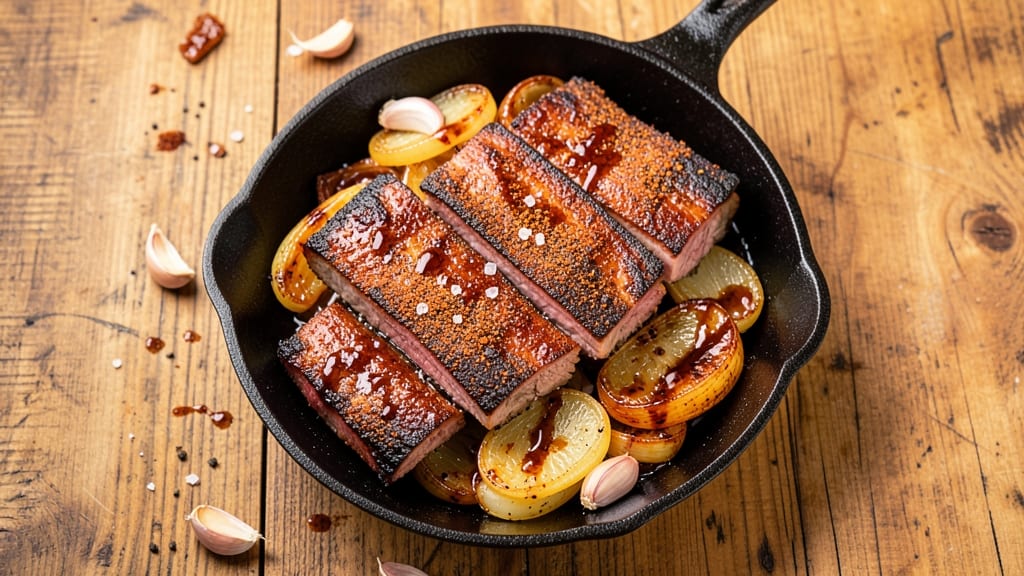
The Pioneer Woman beef ribs recipe delivers that perfect balance of smoky bark and melt-in-your-mouth tenderness that makes every bite unforgettable. This isn’t your average ribs recipe—it’s a method designed to transform tough cuts into fall-apart perfection, using a dry rub that builds deep, complex flavors over time.
I’ve perfected this technique through years of testing, and the results are worth the wait.
What sets these ribs apart is the dry rub, a blend of spices that creates a crusty bark while keeping the meat tender inside. The slow cooking process—whether on a grill, smoker, or in the oven—allows the rub to penetrate deeply, ensuring every bite is packed with flavor.
This method works best with beef ribs, where the natural richness pairs beautifully with the smoky, spiced crust.
By the time you’re done, you’ll have ribs that are crispy on the outside and tender on the inside, with a bark that’s rich and flavorful.
The secret lies in patience and precision—letting the ribs cook low and slow until they’re ready to fall apart at the touch of a fork. Serve them with classic sides like baked beans or cornbread for a meal that feels like a true comfort-food experience.
This recipe is designed to be foolproof, with clear steps for marinating, seasoning, and cooking, so you can achieve restaurant-quality results at home. Whether you’re grilling outdoors or using your oven, the method stays the same—just adjust the time slightly.
Let’s get started on ribs that will have everyone asking for seconds.
Ingredients for pioneer woman beef ribs
Six ingredients for the dry rub, five for the marinade—just beef ribs and patience for perfect smoky bark.
| Ingredient | Amount | Notes |
|---|---|---|
| Beef Short Ribs 🥩 | 4 lb | Bone-in, cut into 2-inch pieces |
| Yellow Onion 🧅 | 1 whole | Sliced into 1/2-inch rounds |
| Garlic Cloves 🧄 | 8 cloves | Minced for dry rub |
| Brown Sugar 🍯 | ½ cup | Packed, light brown preferred |
| Smoked Paprika 🌶️ | 2 tbsp | For deep smoky flavor |
| Chili Powder 🌶️ | 1 tbsp | Medium heat preferred |
| Ground Black Pepper 🌶️ | 1 tbsp | Freshly ground for best flavor |
| Kosher Salt 🧂 | 1 tbsp | Diamond Crystal preferred |
| Ground Cumin 🌿 | 1 tsp | Toasted for deeper flavor |
| Apple Cider Vinegar 🍎 | ¼ cup | For tenderizing marinade |
| Honey 🍯 | ¼ cup | Wildflower preferred |
| Beef Broth 💧 | 1 cup | Low-sodium preferred |
| Worcestershire Sauce 🍶 | 1 tbsp | For umami depth |
| Vegetable Oil 🫒 | ½ cup | For searing ribs |
The ribs are everything here. Short ribs are ideal—they've got the right balance of meat and fat, plus those bones add flavor. Look for cuts with good marbling at Costco or your butcher shop. If you're buying whole ribs, ask for them to be cut into 2-inch pieces—this ensures even cooking. The bone-in pieces stay juicier than boneless, and the marrow adds richness to the sauce. Freshly cut ribs? Use them within 2 days for best results. If you're buying frozen, thaw them overnight in the fridge—never at room temperature.
No smoked paprika? Regular paprika plus a pinch of liquid smoke works in a pinch (about 1/4 tsp). The apple cider vinegar can be swapped for red wine vinegar, but the flavor will be slightly different. Short on honey? Maple syrup is a 1:1 substitute. The beef broth needs to be low-sodium—Swanson or Pacific Foods are solid choices. Worcestershire sauce is non-negotiable for that umami kick, but if you're avoiding anchovies, Lee & Perrins is anchovy-free. For the dry rub, toast your spices in a dry pan for 30 seconds to wake up their flavors—worth the extra minute. The brown sugar should be packed lightly, not pressed down hard.
Marinate the ribs for at least 4 hours, but overnight is best. Store the marinade in a sealed container with the ribs, turning them once or twice. The dry rub keeps well in an airtight container for 2 weeks—make extra for future meals. Leftover ribs reheat beautifully in a 350°F oven with a splash of beef broth for 10-15 minutes. The sauce thickens as it cools, so thin it with a little water if needed. Portion the ribs into containers with some of the cooking liquid for 3 days of leftovers. Freeze the ribs (uncooked or cooked) for up to 6 months—just thaw in the fridge overnight.
Why You'll Love This Recipe
- One-Pan Magic: I swear by this recipe because it’s all in one pan—no fancy gadgets, no flipping between pots. The ribs caramelize right alongside the onions and garlic, turning the kitchen into a smoky, sweet aroma factory while I’m still chopping.
- Sweet-Smoky Bomb: That brown sugar and smoked paprika combo? It’s like a hug in bite form—deep, rich, and just a little bit sweet with a kick. The short ribs practically melt in your mouth, and the crust? Crispy enough to make you forget you’re eating something "healthy."
- Leftovers That Beg: Between us, these ribs taste better the next day. I’ll make a double batch on Sundays, and by Wednesday, my family’s already texting me for seconds. The flavors meld into pure comfort, and reheating them? Just a quick oven warm-up—no sad, dry meat here.
- Budget Feast: Honestly, short ribs are my go-to for feeding a crowd without breaking the bank. A few pounds goes a long way, and the sauce stretches so well you’ll have enough for sandwiches, tacos, or just straight-up slurping. Plus, the onions and garlic are cheap staples—no splurges needed.
Step-by-step instructions for smoky beef short ribs
Here's how to transform tough ribs into melt-in-your-mouth perfection with that signature smoky bark.
Prepare the Dry Rub and Marinade
In a medium bowl, combine the 0.5 cup brown sugar, 2 tablespoons smoked paprika, 1 tablespoon chili powder, 1 tablespoon ground black pepper, 1 tablespoon kosher salt, and 1 teaspoon ground cumin. Mix until the spices are evenly distributed and the sugar is fully coated. This is your dry rub - the flavor foundation for those irresistible ribs.
In a separate bowl, whisk together the 0.25 cup apple cider vinegar, 0.25 cup honey, 1 cup beef broth, and 1 tablespoon Worcestershire sauce. This marinade will work its magic on the meat while you prepare the dry rub. The acidity in the vinegar helps tenderize the tough beef short ribs, while the honey adds a subtle sweetness that balances the smoky flavors.
Coat and Marinate the Ribs
Pat the 4 lb beef short ribs completely dry with paper towels - this step is crucial for achieving that perfect bark. The moisture needs to evaporate for the rub to stick properly and create that signature crust. Work quickly to prevent the meat from drying out too much.
Generously coat each rib with the dry rub mixture, pressing it firmly into the meat so it adheres well. Then, place the ribs in a large resealable plastic bag and pour the marinade over them. Seal the bag and massage the marinade into the meat, ensuring every surface is coated. Refrigerate for at least 4 hours, but overnight is even better if you can plan ahead. This long marinating time is what transforms tough beef into tender, flavorful ribs.
Sear the Ribs to Lock in Flavors
Heat 0.5 cup vegetable oil in a large oven-safe skillet over medium-high heat until shimmering but not smoking. Working in batches if needed, carefully add the marinated ribs to the hot oil. Sear each side for 3-4 minutes until they develop a deep golden-brown crust. This searing step is critical - it locks in all those flavors from the rub and marinade.
As you sear, you'll notice the ribs release from the pan more easily - that's your signal they're ready to flip. Don't overcrowd the pan or the temperature will drop, preventing that perfect sear. Once all ribs are browned, transfer them to a plate and tent loosely with aluminum foil to keep warm while you prepare the oven.
Slow Cook to Fall-Apart Tenderness
Preheat your oven to 300°F. Place the seared ribs back in the skillet and pour any accumulated juices from the plate over the top. Cover tightly with a lid or heavy-duty aluminum foil, creating a seal to trap steam. This slow cooking method is what transforms tough beef into melt-in-your-mouth perfection.
Bake for 3 hours, then carefully flip each rib and continue cooking for another 30 minutes. The ribs should be fork-tender with a beautiful caramelized crust. If you're worried about drying out, don't be - the slow cooking process actually helps retain moisture while breaking down the connective tissues. The internal temperature should reach 195-205°F when done.
Rest and Serve
Remove the ribs from the oven and let them rest for 10-15 minutes before serving. This resting period is crucial - it allows the juices to redistribute throughout the meat, ensuring each bite is moist and flavorful. During this time, you can make a quick pan sauce by deglazing the skillet with a splash of beef broth and scraping up all those delicious browned bits.
Slice the ribs between the bones and serve with the pan sauce spooned over the top. Each bite should deliver that perfect balance of smoky, sweet, and savory flavors with meat that practically melts in your mouth. The bark should be crispy yet tender, while the meat underneath is so tender it falls apart with just a gentle pull.
Pro Tips For Making Pioneer Woman Beef Ribs
- Trim the Fat First: I learned this the hard way—skipping this step means your ribs won’t brown properly. Use a sharp knife to slice off the thick white fat cap on the bone side before searing. This isn’t just for looks; it keeps your pan from turning into a grease fire and guarantees better crust.
- Sear in Batches: Your ribs won’t caramelize if you crowd the pan. Work in two batches—high heat, 2-3 minutes per side—until deep golden. I know, I know, it’s tempting to rush, but this is the thing that matters most for flavor. A hot pan and patience beat a cold one every time.
- Deglaze with Vinegar: After searing, splash in ¼ cup apple cider vinegar when you deglaze. It cuts through the richness and brightens the sauce later. Sounds weird, but it works—your grandmother’s trick, not mine. Just don’t skip it if you want that tangy depth.
- Slow the Braise Down: The recipe might say 3 hours, but I go 4—low and slow at 275°F. The connective tissue melts better, and the ribs pull apart like butter. Yes, it’s longer, but it’s the difference between tough and fall-apart. Resist the urge to speed it up.
Perfect pairings for this pioneer woman beef ribs
Classic BBQ Sides
Serve your Pioneer Woman beef ribs with classic BBQ sides that complement the rich, smoky flavors. Slow-cooked baked beans with a touch of molasses and smoked paprika add sweetness and depth—simmer 1 can (28 oz) navy beans, ½ cup ketchup, ¼ cup molasses, and 1 tbsp smoked paprika for 2 hours on low heat.
For a tangy contrast, try creamy coleslaw with a vinegar-based dressing: shred 4 cups cabbage and 1 carrot, then toss with ½ cup mayonnaise, 2 tbsp apple cider vinegar, and a pinch of cayenne pepper. 🥓
Creamy Cornbread
A batch of sweet and buttery cornbread is the perfect vehicle for soaking up those rib juices. Mix 1 cup cornmeal, 1 cup all-purpose flour, 1 tbsp sugar, 1 tbsp baking powder, and ½ tsp salt.
In another bowl, whisk 1 cup buttermilk, 1 egg, and ¼ cup melted butter. Combine wet and dry ingredients, pour into a greased 8x8-inch pan, and bake at 375°F for 20-25 minutes. For extra richness, sprinkle ¼ cup shredded cheddar on top before baking. ✨
Smoky Coleslaw
For a smoky twist on coleslaw, add 1 tbsp smoked paprika and 1 tsp liquid smoke to your dressing.
Shred 4 cups green cabbage and 1 cup red cabbage, then toss with ½ cup mayonnaise, 2 tbsp apple cider vinegar, 1 tbsp honey, and a pinch of black pepper. The smokiness mirrors the ribs’ flavor profile while keeping the dish light and refreshing. 🌶️
Garlic Mashed Potatoes
Creamy garlic mashed potatoes elevate the meal by balancing the ribs’ bold flavors. Boil 2 lbs Yukon Gold potatoes until tender, then mash with ½ cup butter, ½ cup warm milk, 2 minced garlic cloves, and 1 tsp salt.
For extra indulgence, fold in ½ cup sour cream and top with crispy crumbled bacon. The garlic and richness cut through the smokiness beautifully. 🧄
Drink Pairings
Pair your ribs with a bold red wine like Cabernet Sauvignon or Malbec to match the dish’s richness. For a non-alcoholic option, try sweet iced tea with a splash of lemon juice—the acidity cleanses the palate.
A light lager, like Peroni or Corona, also works well, as its crispness contrasts the ribs’ depth. 🍷
Sauce Upgrades
If you love extra sauce, simmer ½ cup beef broth, 2 tbsp apple cider vinegar, and 1 tbsp brown sugar in the ribs’ drippings for 10 minutes to create a glossy glaze.
Drizzle it over the ribs or use it as a dipping sauce. For heat lovers, add ½ tsp cayenne pepper or a dash of hot sauce. 🔥
Nutrition facts
Frequently asked questions
Can I use beef ribs other than short ribs for this recipe?
This recipe is specifically designed for beef short ribs because of their excellent marbling and connective tissue, which creates that signature fall-apart tenderness. However, you could adapt it for beef back ribs (baby back or spare ribs) by reducing the cooking time to 2-2.5 hours total. The bark will still form beautifully, but the meat will be more tender initially. Never use pork ribs—the fat content and cooking method differ significantly.
How do I know when the ribs are fully cooked?
Your ribs are done when they reach an internal temperature of 195-205°F and the meat pulls away from the bone with just a gentle tug. For extra confirmation, insert a fork—if it slides in effortlessly and the meat falls apart, they're perfect. The bark should also be deep brown and slightly crispy. Never rely solely on time, as oven temperatures can vary.
Can I make this recipe without a smoker or oven?
If you don't have a smoker, use your oven at 300°F with a tightly covered pan to trap steam. For a grill method, cook indirectly over medium-low heat for 3-4 hours, spritzing with apple cider vinegar every 30 minutes to keep them moist. The key is low-and-slow cooking—just adjust the time slightly based on your heat source. A cast-iron skillet on the grill works too!
Why did my ribs turn out dry instead of tender?
Dry ribs usually happen from overcooking or skipping the resting time. Always cook to 195-205°F internal temp—never guess by time alone. Also, ensure your oven is properly calibrated (use an oven thermometer) and don't skip the 10-15 minute rest before slicing. If using a grill, avoid high heat, which can dry out the meat. The marinade and slow cooking should prevent dryness if followed correctly.
How can I make this recipe ahead of time?
These ribs reheat beautifully! Cook them fully, then store in an airtight container with some of the cooking juices for up to 3 days in the fridge. To reheat, warm in a 350°F oven for 10-15 minutes or until heated through. For longer storage, freeze cooked ribs (uncovered) for up to 3 months. Thaw overnight in the fridge before reheating. The flavors actually deepen when reheated!