
Main Courses
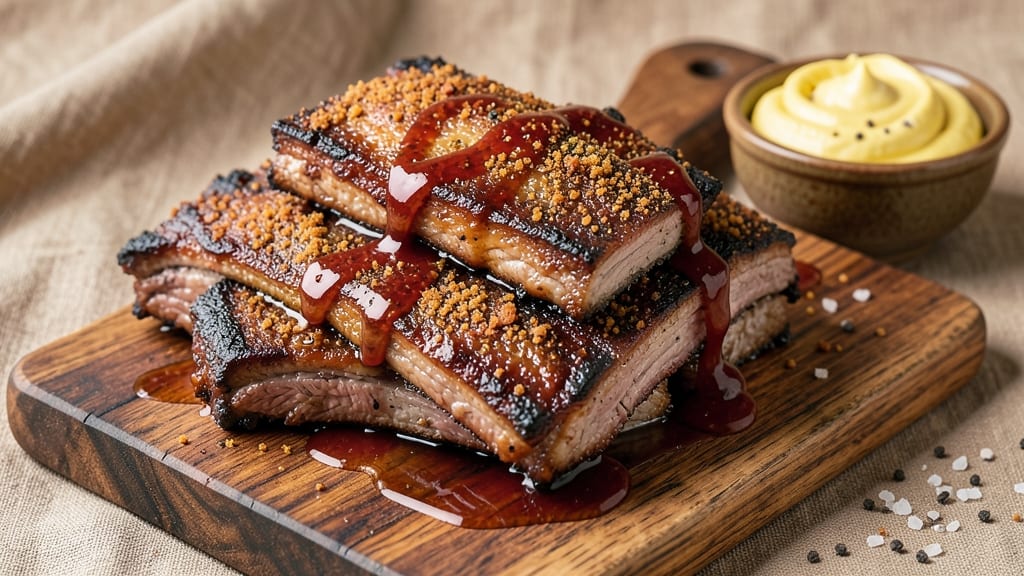
Mastering Texas-style beef shoulder ribs transforms tough cuts into fall-off-the-bone tenderness with a smoky bark that rivals any pitmaster’s. This recipe unlocks the secrets of slow cooking—whether you’re smoking, grilling, or oven-braising—using traditional Texas techniques that build deep flavor through time and heat.
The key lies in the dry rub, which creates that signature crusty exterior while keeping the meat impossibly tender inside.
What sets these ribs apart is the balance of technique and simplicity: a 3-4 hour cook (depending on your method) yields results that taste like they came from a legendary Texas BBQ joint.
The post-oak wood smoke infuses the meat with an aromatic depth, while the bark—formed by a precise dry rub—adds texture and complexity. No fancy equipment is needed, just patience and attention to detail.
By the time you’re done, you’ll have ribs that are fork-tender with a crisp, caramelized bark and juicy meat that practically melts in your mouth. The aroma alone will draw everyone to the table, and the first bite delivers that perfect harmony of smoky, savory, and slightly sweet flavors.
Serve with classic sides like baked beans or cornbread for the full Texas experience.
Whether you’re hosting a backyard gathering or feeding your family a weeknight meal, these ribs deliver restaurant-quality results at home. The method is repeatable, the flavors are unforgettable, and the satisfaction of pulling apart perfectly cooked beef shoulder is unmatched.
Let’s get started on creating ribs that will have everyone asking for seconds.
Ingredients for beef shoulder texas style ribs
Four pounds of beef shoulder and a handful of pantry staples transform into Texas-style ribs with smoky bark and melt-in-your-mouth tenderness.
| Ingredient | Amount | Notes |
|---|---|---|
| Beef Shoulder (Bone-In) 🥩 | 4 lb | Texas-style cut, 1.5-2 inches thick |
| Yellow Mustard 🥫 | ½ cup | For base coat before rub |
| Brown Sugar 🍚 | ½ cup | Light or dark variety |
| Smoked Paprika 🌶️ | 2 tbsp | Key for authentic Texas flavor |
| Chili Powder 🌶️ | 1 ½ tbsp | Medium heat preferred |
| Ground Black Pepper 🌶️ | 1 ½ tbsp | Freshly cracked for best flavor |
| Garlic Powder 🧄 | 1 ½ tbsp | Not garlic salt |
| Onion Powder 🧅 | 1 ½ tbsp | For sweet depth |
| Ground Cumin 🌿 | 1 tbsp | Toasted for richer flavor |
| Salt 🧂 | 1 tbsp | Diamond Crystal kosher preferred |
| Granulated Garlic 🧄 | 1 tbsp | Extra for rub intensity |
| Post Oak Wood Chips 🌳 | 1 package | Or substitute hickory |
| Apple Cider Vinegar 🍎 | ¼ cup | For spritzing during cook |
| Beef Broth 🥫 | ½ cup | Low-sodium preferred |
The beef shoulder is non-negotiable—look for a cut with good marbling and a thick bone-in section. Local butchers often have the best selections, but Costco or Walmart carry reliable pre-cut beef shoulder at reasonable prices. If you can't find post oak chips, hickory is the next best thing—just soak them for 30 minutes before using. The yellow mustard acts as a binder for the rub, so grab the good stuff (like French's) not the watery kind. For the brown sugar, Domino or C&H brands work perfectly—just avoid light brown if you want that deeper caramelized bark.
No smoked paprika? Substitute half regular paprika and half cayenne for heat, but you'll lose some of that authentic Texas smoke flavor. Running low on cumin? Ground coriander at the same amount gives a similar earthy note. The apple cider vinegar can be swapped for white vinegar or even lemon juice, though it won't have that same tangy depth. For the beef broth, low-sodium is key—you don't want to over-salt your ribs. If you're short on time, pre-made Texas-style BBQ rubs from McCormick or Badia work in a pinch, though making your own is worth the extra five minutes.
Store your dry rub in an airtight container for up to 6 months—it gets better with age. The beef shoulder can sit in the fridge for 3-4 days before cooking, but plan ahead if you're doing a big batch. Once cooked, ribs reheat beautifully—wrap them in foil with a splash of beef broth and 200°F oven for 15 minutes. Leftovers keep for 5 days in the fridge or 3 months frozen. For maximum tenderness, let the ribs rest for 10 minutes after cooking before serving—trust me on this.
Why You'll Love This Recipe
- Five-Ingredient Magic: I swear, this recipe nails it with just beef, mustard, brown sugar, and those two spices. No fancy marinades or hours of prep—just a sticky, smoky rub that clings to the meat like a second skin.
- Smokehouse in a Pan: That combo of smoked paprika and chili powder? It’s like a Texas BBQ joint in your kitchen. The mustard cuts through the sweetness while the brown sugar caramelizes into a glossy crust—crispy outside, tender inside.
- Leftovers That Don’t Suck: Honestly, the second day is often better. The ribs stay juicy, and the sauce gets even richer. Pack them for lunches, slice them into sandwiches, or just reheat a portion—no one will complain.
- Budget-Friendly Feast: A bone-in beef shoulder stretches across multiple meals without breaking the bank. You’re getting serious flavor for way less than pre-cut ribs, and the leftovers feed the family for days. Smart move.
Step-by-step instructions for beef shoulder Texas-style ribs
Here's the foolproof method for ribs that balance smoky bark with melt-in-your-mouth tenderness.
Prepare the Beef Shoulder for Maximum Flavor
Begin by trimming any excess fat from the beef shoulder, leaving about ¼ inch of fat cap intact. This preserves moisture while allowing the rub to adhere properly. Pat the entire surface dry with paper towels—this step is crucial for both rub adhesion and crisp bark formation later.
In a medium bowl, combine all dry rub ingredients: the 2 tablespoons smoked paprika, 1.5 tablespoons chili powder, 1.5 tablespoons ground black pepper, 1.5 tablespoons garlic powder, 1.5 tablespoons onion powder, 1 tablespoon ground cumin, 1 tablespoon salt, and 1 tablespoon granulated garlic. Mix thoroughly to distribute the spices evenly. This blend creates the authentic Texas flavor profile that defines these ribs.
Next, create a mustard base by spreading ½ cup yellow mustard evenly over the entire surface of the beef shoulder. This sticky layer helps the rub cling to the meat during the long cook. Immediately press the dry rub mixture into the mustard-coated surface, working it into every crevice. The mustard will prevent the rub from falling off during the smoking process, ensuring consistent flavor penetration.
Set Up the Smoker for Perfect Texas-Style Cooking
Soak the 1 package post oak wood chips in water for 30 minutes before using. This prevents them from burning too quickly and producing bitter smoke. When ready, fill your smoker's wood chip tray according to manufacturer instructions and preheat to 225°F. The key to Texas-style ribs is maintaining this low-and-slow temperature throughout the entire cook.
Position the beef shoulder fat-side up on the smoker grate. This allows the rendered fat to baste the meat as it cooks, adding moisture and flavor. Close the smoker lid and resist the urge to open it—each time you peek, you lose valuable heat and moisture, extending your cook time. Let the ribs smoke undisturbed for 6 hours, during which you'll need to spritz them every hour with a mixture of ¼ cup apple cider vinegar and ½ cup beef broth. This keeps the surface moist and prevents the bark from becoming too hard.
Here's the thing—your smoker might run hot or cold. I've found that maintaining 225°F ± 5°F is ideal. If the temperature fluctuates beyond this range, adjust your air intake accordingly. The ribs are ready for the next phase when they reach an internal temperature of 165°F at their thickest point.
Wrap and Finish for Fall-Off-Bone Tenderness
When the ribs hit 165°F, you'll encounter "the stall"—a period where the internal temperature stops rising despite continued cooking. This is normal and occurs as moisture evaporates from the meat. At this point, wrap the ribs tightly in butcher paper (not aluminum foil), sealing all edges securely. The paper allows some moisture to escape while maintaining the bark, unlike foil which can steam the meat.
Return the wrapped ribs to the smoker and continue cooking until they reach an internal temperature of 203°F at their thickest point. This typically takes an additional 3-4 hours, but don't rush it. The butcher paper wrap helps break through the stall while preserving that coveted Texas-style bark. You'll know they're done when a meat thermometer inserted into the thickest part reads 203°F and the meat is fork-tender with no resistance.
Remove the ribs from the smoker and let them rest on a cutting board for 15 minutes before serving. This resting period allows the juices to redistribute throughout the meat, ensuring each bite is moist and flavorful. The exterior should have a dark mahogany bark with visible smoke rings just beneath the surface—a hallmark of perfectly smoked Texas-style ribs.
Pro Tips For Making Beef Shoulder Texas Style Ribs
- Trim the Fat First: Cut away the thickest layers of fat from the beef shoulder before cooking—this keeps the ribs from rendering into a greasy mess while they smoke. I learned this the hard way after dealing with a pan full of congealed beef fat that made the sauce turn into sludge.
- Mix Mustard Last: Stir in the yellow mustard after the ribs hit the smoker, not before. The heat and smoke caramelize the brown sugar and spices first, creating a deeper crust that the mustard binds to like glue. Adding it early just makes your ribs taste like a sad, watery dip.
- Skip the Crowding: Resist the urge to stack ribs too tightly on the grill or smoker—give them at least an inch of space. I used to cram them in like sardines, and half the batch ended up steaming instead of smoking. Proper airflow = better bark and juicier meat.
- Wrap at 165°F: Pull the ribs from the smoker when they hit 165°F internal temp, then wrap them in foil with a splash of apple juice or beer. This isn’t just about speed—it’s about keeping the meat from drying out while it rests. My first attempt at unwrapping too early left me with chewy, sad ribs.
Dietary considerations for this beef shoulder texas style ribs
Gluten-Free Adaptation
For a gluten-free version, simply substitute the ½ cup yellow mustard base with ¼ cup gluten-free Dijon mustard mixed with 2 tbsp olive oil. This keeps the rub adhesion while avoiding gluten.
I use Annie Chun's gluten-free Dijon—it has the same tang without the wheat. The rest of the dry rub remains unchanged since most spices are naturally gluten-free. 💛
Lower-Sodium Options
If you're watching sodium, reduce the 1 tablespoon salt in the rub to ½ tablespoon and skip adding salt to your spritz mixture. Instead, boost flavor with extra 1 tbsp apple cider vinegar in the spritz—it enhances taste without sodium.
The ½ cup beef broth should also be low-sodium to maintain balance. This approach keeps the ribs flavorful without excessive salt.
Keto-Friendly Adjustments
For a keto version, swap the ½ cup brown sugar in the rub with 2 tbsp erythritol or 1 tbsp monk fruit sweetener. The sugar adds caramelization, but these alternatives keep carbs low.
I also recommend using ½ cup unsweetened almond milk instead of beef broth in your spritz to reduce carb content while maintaining moisture. The ribs will still develop that signature bark!
Allergen-Free Considerations
To make these ribs nut-free and dairy-free, ensure all spices are certified allergen-free. I use Penzeys spices which are processed in a dedicated facility. For those avoiding garlic/onion flavors, omit the garlic powder and onion powder and add 1 tbsp celery seed for a subtle savory depth instead.
Always check labels on mustard and broth for hidden allergens.
Vegetarian Substitute
While not an exact substitute, you can create a vegetarian version using 4 lbs portobello mushrooms or extra-firm tofu. Slice the mushrooms into thick slabs and marinate them in the same dry rub mixture (without the mustard base).
For tofu, press it dry, coat with rub, and bake at 375°F for 45 minutes, flipping halfway. Neither will have the same texture, but the flavor profile comes close!
Nutrition facts
Frequently asked questions
Can I cook Texas-style beef shoulder ribs without a smoker?
Use an oven set to 225°F with a water pan on the bottom rack for moisture. Place the ribs on a wire rack over a baking sheet and cook for 6-7 hours, spritzing with the vinegar-broth mix every 90 minutes. For extra smoke flavor, add 2-3 soaked wood chips to the pan or use a smoker box if available. The butcher paper wrap method works the same way.
Why does my bark keep falling off during cooking?
This usually happens when the mustard base isn't thick enough or the rub isn't pressed firmly. For better adhesion, mix 2 tbsp cornstarch into your mustard before applying. Also ensure your beef shoulder is completely dry before adding the rub. If using a smoker, avoid opening the lid too often—temperature fluctuations can cause the bark to crack and peel.
How do I know when the ribs are done if I don't have a meat thermometer?
Look for three key signs: the meat should pull away from the bone easily, the bark should be dark mahogany with visible smoke rings, and when you press your finger into the thickest part, it should feel very soft. For extra confirmation, cut between two bones—if the meat is fork-tender with no resistance, they're ready. Texas-style ribs should reach 203°F internally, but visual cues work too.
Can I make these ribs in a slow cooker?
Yes, but with adjustments. Place the rubbed beef shoulder in a slow cooker with ½ cup apple juice or broth, then cook on Low for 8-10 hours. For bark development, finish by broiling for 10-15 minutes with a sprinkle of brown sugar. The slow cooker won't give you the same smoky flavor, but it's a great backup method when grilling isn't possible.
What's the best way to serve leftover Texas-style ribs?
Reheat wrapped in foil with 2 tbsp beef broth in a 300°F oven for 20 minutes to maintain moisture. For sandwiches, use Texas toast (buttered white bread toasted until crisp) and top with pickles, white onion, and a drizzle of BBQ sauce. The ribs also work perfectly in tacos with cilantro-lime crema or as a hearty salad topping with mixed greens and avocado.