
Main Courses
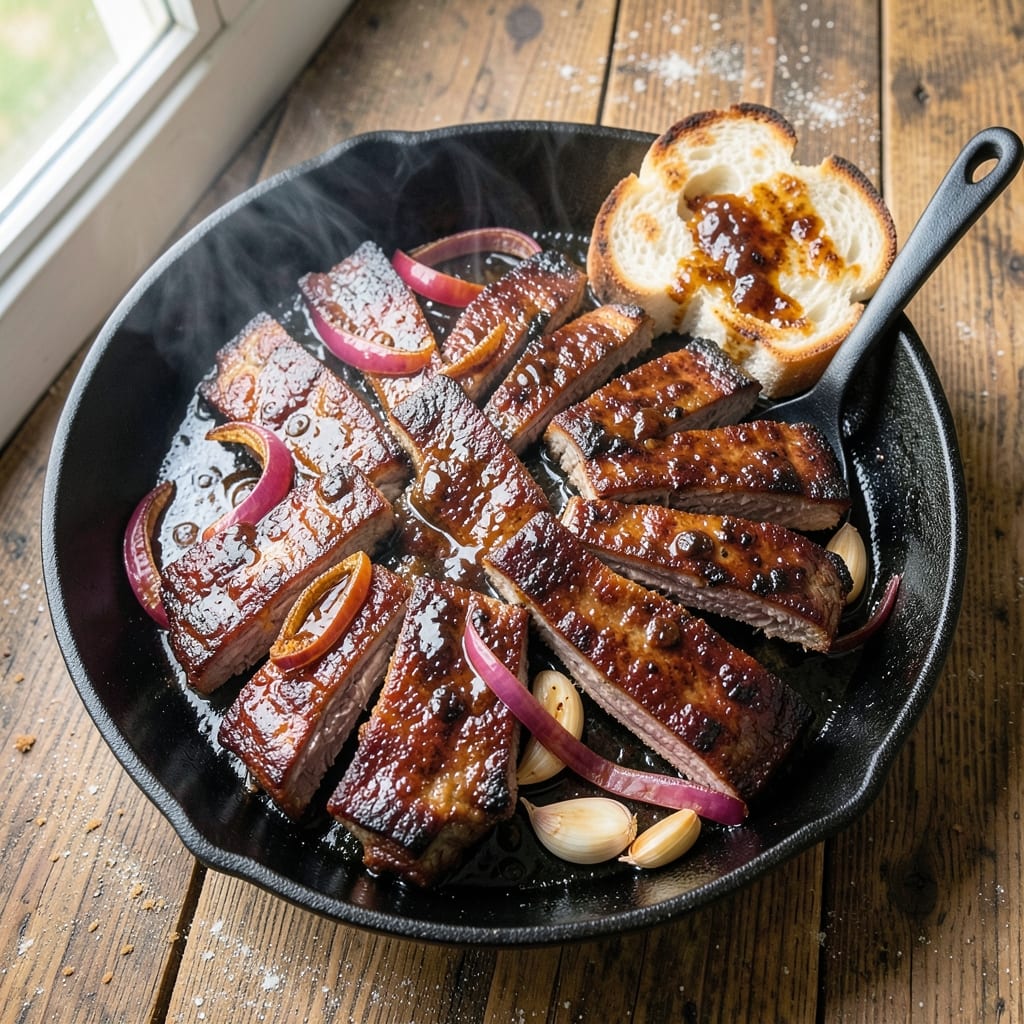
Barbecue beef spare ribs demand patience and precision—this recipe delivers melt-in-your-mouth tenderness with a perfect bark-to-meat ratio. After years of perfecting my technique, I’ve cracked the code for ribs that fall apart at the touch, whether you’re smoking them low and slow or using a modern shortcut. The secret lies in the 3-2-1 method: three hours of smoke, two hours wrapped, and one hour unwrapped, but I’ll show you how to adapt it for your grill or oven.
What sets these ribs apart is the balance between a bold dry rub and the right cooking technique. I use a blend of brown sugar, smoked paprika, and black pepper to create a crust that caramelizes beautifully while keeping the meat tender. The key is monitoring internal temperature—you want it to hit 203°F for that legendary fall-off-the-bone texture. No more guessing, just science-backed results.
By the time you’re done, you’ll have ribs that are crispy on the outside, juicy on the inside, and packed with smoky flavor. The bark will be rich and glossy, while the meat remains tender enough to pull apart with a fork. This isn’t just another rib recipe—it’s a game-changer for anyone who’s ever struggled with tough, dry ribs.
Whether you’re hosting a backyard cookout or treating yourself to a Sunday feast, these ribs will be the star of the table. Serve them with classic sides like coleslaw and cornbread, or get creative with toppings like pickled jalapeños or sliced avocado. Let’s get started on the perfect batch.
Ingredients for barbecue beef spare ribs
Four pounds of meaty ribs plus a few pantry staples—this is all you need for ribs that fall apart at the touch.
| Ingredient | Amount | Notes |
|---|---|---|
| Beef Spare Ribs 🥩 | 4 lb | Bone-in, meaty ends preferred |
| Yellow Onion 🧅 | 1 whole | Sliced for wrapping |
| Garlic Cloves 🧄 | 8 cloves | Minced for rub and wrapping |
| Brown Sugar 🍯 | ½ cup | Light or dark preferred |
| Smoked Paprika 🌶️ | 2 tbsp | For deep smoky flavor |
| Ground Black Pepper 🌶️ | 1 ½ tbsp | Freshly ground preferred |
| Kosher Salt 🧂 | 1 ½ tbsp | Diamond Crystal preferred |
| Apple Cider Vinegar 🍏 | ¼ cup | For wrapping liquid |
| Unsalted Butter 🧈 | ¼ cup | Cold, cubed for wrapping |
| Wood Chips (Hickory or Oak) 🌳 | 2 cups | Soaked for 30 minutes |
| Beef Broth 💧 | ½ cup | Low-sodium preferred |
| Fresh Cilantro 🌿 | ¼ cup | Chopped, for garnish |
| Lime Wedges 🍋 | 2 whole | For serving |
The ribs make or break this dish, so pick meaty spare ribs with good marbling—the ends should be thick with meat, not just bone. Costco and local butchers often have the best cuts, but the regular grocery store ribs work too if they're fresh. Look for vibrant color and avoid any with a strong ammonia smell. The wood chips? Hickory or oak are classic, but fruitwoods like cherry add a nice twist. Soak them for 30 minutes before using—this keeps them from burning too fast.
No smoked paprika? Substitute with a mix of regular paprika and a pinch of liquid smoke—it won’t be identical, but it works in a pinch. Running low on apple cider vinegar? White vinegar or even lemon juice will do the trick, though the flavor will be slightly different. The beef broth can be swapped for water, but low-sodium is key—you don’t want to over-salt your ribs. Fresh cilantro is ideal, but dried works at one-third the amount. If you’re short on time, skip the garnish—these ribs are delicious on their own.
Store any leftover ribs in an airtight container for up to 3 days—they actually taste better the next day once the flavors meld. For longer storage, freeze them for up to 3 months. I like to portion them into meal-prep containers so I can grab a serving for lunch without reheating the whole batch. The dry rub keeps well in a jar for up to 6 months, so make extra if you’re planning another cookout soon.
Why You'll Love This Recipe
- Foolproof Prep: I swear by this—just slather the ribs with brown sugar and smoked paprika, toss them on the grill or in the oven, and walk away. No fancy marinating, no stressing over timing. The onions and garlic caramelize right into the sauce, so you’re basically getting a shortcut to restaurant-quality flavor.
- Smoky-Sweet Magic: That crispy bark with tender meat inside? It’s all thanks to the brown sugar and smoked paprika working their magic. The onions add a caramelized depth, while the garlic keeps it bright and bold—like a hug in your mouth, but better.
- Leftovers? Please.: These ribs taste even better the next day, especially when reheated with a splash of apple cider vinegar. I’ll be real: I make a double batch because they disappear fast—whether it’s for my lazy Sunday brunch or a quick weeknight dinner when I’m too tired to think.
- Budget-Friendly Feast: Beef ribs don’t have to break the bank, and this recipe proves it. A few onions, a head of garlic, and a bag of ribs stretch to feed four (or two very hungry people). Plus, the leftovers make it a no-waste win—just reheat and enjoy.
Step-by-step instructions for barbecue beef spare ribs
Here's how to transform tough ribs into melt-in-your-mouth perfection using the bark-to-meat ratio method.
Build the Dry Rub and Prepare the Ribs
In a medium bowl, combine the 0.5 cup brown sugar, 2 tablespoons smoked paprika, 1.5 tablespoons ground black pepper, and 1.5 tablespoons kosher salt. Mix thoroughly until the sugar is evenly coated with spices—this ensures maximum flavor penetration. Pat the 4 lb beef spare ribs dry with paper towels (critical for crispy bark) and generously coat all surfaces with the rub, pressing it into the meat. Let the ribs sit at room temperature for 30 minutes while you prep the smoker.
This resting period allows the rub to adhere properly and the meat to cook more evenly. I like to place them on a wire rack over a baking sheet to prevent sticking. The rub should look like it's clinging to every crevice—this is your secret weapon for that coveted bark-to-meat balance.
Prepare the Wrapping Packets
While the ribs rest, slice the 1 whole yellow onion into thin strips and mince the 8 cloves garlic. In a small bowl, mix the onion, garlic, 0.25 cup apple cider vinegar, and 0.25 cup cold cubed unsalted butter. Cut four 12-inch squares from heavy-duty aluminum foil and place one packet on each square. Divide the onion-butter mixture evenly among the packets, spreading it into a thin layer.
Here's the thing—this wrapping technique creates a self-basting environment that keeps the ribs moist while developing that beautiful bark. The vinegar tenderizes the meat slightly, and the butter adds rich flavor. Don't skip the foil squares; they'll make cleanup a breeze later.
Smoke the Ribs Low and Slow
Soak the 2 cups wood chips (hickory or oak) for 30 minutes to prevent flare-ups. Set up your smoker to 225°F using these soaked chips. Place the rubbed ribs on the smoker, bone-side down, and smoke for 2 hours. This initial phase builds the foundation for that perfect bark while keeping the meat tender.
Resist the urge to peek! Every time you open the smoker, you lose heat and moisture. You'll know it's time to wrap when the internal temperature reaches 165°F—this is called "the stall," and it's normal. The ribs will look dry on the surface, but that's exactly what we want for that crispy bark.
Wrap and Finish the Cook
When the ribs hit 165°F, carefully transfer them to the foil packets you prepared earlier. Distribute the ribs evenly among the packets, adding 0.5 cup beef broth to each. Seal the packets tightly, folding the edges to create an airtight seal. Return them to the smoker and continue cooking until the internal temperature reaches 203°F (about 2-3 more hours).
This wrapping technique, known as the "Texas crutch," helps push the ribs through the stall while maintaining moisture. The broth creates steam that keeps the meat tender. You'll know they're done when they're fork-tender and the bark is deep mahogany in color. The probe should slide in like butter.
Rest and Serve
Remove the ribs from the smoker and let them rest for 15 minutes before unwrapping. This resting period allows the juices to redistribute, ensuring each bite is moist and flavorful. Unwrap carefully—the steam will be intense—and transfer the ribs to a cutting board. Discard the foil and any remaining liquid.
Slice the ribs between each bone and arrange them on a platter. Garnish with 0.25 cup chopped fresh cilantro and serve with the 2 whole lime wedges on the side. The ribs should be fall-off-the-bone tender with a perfect balance of sweet, smoky bark and juicy meat underneath. Serve immediately while still warm for the ultimate experience.
Pro Tips For Making Barbecue Beef Spare Ribs
- Trim the Fat First: Spare ribs have a thick fat cap that can turn greasy during cooking—take 10 minutes to scrape it off with a knife before seasoning. I learned this the hard way after dealing with ribs that looked dry because all the moisture got trapped under that fat layer. ---
- Char the Onions Low: Don’t rush the onions—sauté them on medium-low heat for 15-20 minutes until they’re deep caramelized, not just soft. That’s where the sweetness comes from, and it’s the thing that makes your ribs taste like a proper barbecue, not just a weeknight dinner. ---
- Skip the Crowding: If you’re cooking on the stovetop or in a skillet, resist the urge to pile all the ribs in at once. Cook them in batches—even if it takes longer—so they get a proper sear and don’t steam like sad, soggy leftovers. ---
- Brown Sugar Early: Add the brown sugar to the ribs before they hit the heat, not after. It’ll stick better and caramelize into a glossy crust instead of clumping into a sticky mess. (Yes, even if you’re impatient like me.)
Flavor customization for these flavors
Sweet & Smoky Profile
For a classic Southern-style rib with deep caramelized bark, stick with the original rub of brown sugar, smoked paprika, and black pepper. The sugar creates that signature glossy crust while the paprika delivers authentic hickory smoke flavor. I like to add 1 teaspoon of ground cinnamon to the mix—just a pinch enhances the sweetness without overpowering. 🔥
Spicy & Tangy Twist
Crank up the heat by swapping ½ teaspoon of cayenne pepper for some of the black pepper in the rub. For extra tang, add 1 tablespoon of mustard powder to the wrapping packet along with the vinegar and butter. This combo adds a bright, almost BBQ sauce-like kick that pairs perfectly with the smoky bark. Trust me, your taste buds will thank you.
Herb-Infused Variations
Fresh herbs can elevate ribs to restaurant-quality. Try adding 1 tablespoon of chopped rosemary and 1 tablespoon of thyme to the dry rub for an Italian-inspired twist. For a coastal vibe, mix 1 tablespoon of Old Bay seasoning into the wrapping packet—it adds a zesty, slightly spicy punch that works beautifully with the smoky base.
Sweet & Spicy Fusion
Combine the best of both worlds with a honey-mustard glaze. After the initial smoke but before wrapping, brush the ribs with a mix of ¼ cup honey, 2 tablespoons Dijon mustard, and 1 tablespoon apple cider vinegar. This creates a sticky, caramelized crust that’s both sweet and tangy. The glaze pairs perfectly with the smoky bark for a flavor explosion.
Bold & Smoky Rub
For a deeper smoke flavor, increase the smoked paprika to 3 tablespoons and add 1 teaspoon of liquid smoke to the wrapping packet. This variation is perfect if you’re using fruitwoods like cherry or pecan—it intensifies the natural sweetness of the wood while keeping the ribs tender. The result? A rib that tastes like it’s been smoking for days, even if it’s only been a few hours. ✨
Citrus & Herb Brightness
Add a refreshing twist by incorporating zest from 1 lime and 1 orange into the dry rub. Pair this with 1 tablespoon of chopped cilantro in the wrapping packet for a bright, herbaceous finish. This variation works especially well with citrusy wood chips like orange or grapefruit—it’s like a vacation in every bite.
Nutrition facts
Frequently asked questions
Why do my beef spare ribs turn out tough instead of tender?
The most common mistake is cooking them too fast or at too high a temperature. Beef ribs need low and slow cooking—225°F is ideal—to break down collagen into gelatin. If you rush them, the meat stays chewy. Also, never skip the 203°F internal temp target—this is when they become truly tender. The 3-2-1 method (3 hours smoke, 2 wrapped, 1 unwrapped) is your best friend for texture.
Can I use a grill instead of a smoker for this recipe?
For a grill, you'll need to maintain 225-250°F by using indirect heat. Start with charcoal on one side of the grill, place the ribs on the other side, and close the lid. Use a spray bottle with water to create steam and lower the temperature. The wrapping technique remains the same—just transfer the ribs to foil packets when they hit 165°F. Grill time will be slightly longer (about 4-5 hours total).
What's the difference between beef spare ribs and pork baby back ribs?
Beef spare ribs come from the belly area and have more meat and fat, making them richer and more flavorful than pork baby backs. They're also larger and require longer cooking times. Pork ribs are leaner and cook faster (usually 3-4 hours), while beef ribs need that 203°F finish. The bark-to-meat ratio works for both, but beef ribs develop a deeper, more complex crust due to their higher fat content.
How do I know when the ribs are done without a meat thermometer?
If you don't have a thermometer, use the "bend test"—when the ribs are done, they'll bend easily at the bone. Another method is the "poke test": insert a fork or skewer into the thickest part—if it slides in like butter, they're ready. Look for deep mahogany bark color and a glossy sheen. The ribs should also pull apart easily when you lift them with tongs, though they may need a few more minutes to reach peak tenderness.
Can I make these ribs in the oven instead of smoking?
Yes! Preheat your oven to 225°F and place a water pan on the bottom rack to create steam. Place the ribs on a rack over a baking sheet, bone-side down. Follow the same 3-2-1 method: smoke (bake) for 3 hours, wrap in foil with the onion-butter mixture for 2 hours, then bake unwrapped for 1 hour. The bark won't be as smoky, but the meat will be just as tender. For extra flavor, add a few wood chips to a smoker box or use a wood pellet tray if available.