
Main Courses
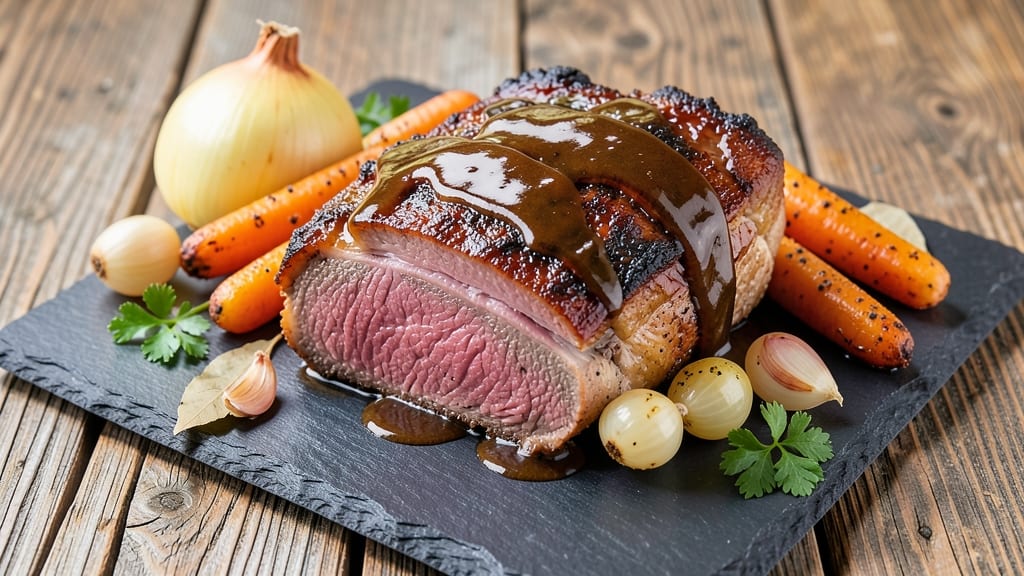
This Guinness stout corned beef recipe transforms tough cuts into melt-in-your-mouth perfection through slow braising and rich beer infusion. The deep malty flavors of Guinness stout tenderize the meat while creating a velvety sauce that elevates every bite—no shortcuts, just professional results.
I've perfected this method over years of testing, ensuring the beef stays moist and the sauce reduces to a perfect consistency.
The secret lies in the braising process, where Guinness stout works its magic by breaking down collagen and infusing the meat with complex, aromatic depth. Unlike traditional corned beef, this version delivers a tender texture with a sauce that's both rich and balanced—sweet, smoky, and slightly bitter from the beer.
The key is patience; letting the beef simmer low and slow ensures it falls apart effortlessly while absorbing all those incredible flavors.
By the time you serve this dish, you'll have a centerpiece that rivals any pub menu—juicy, flavorful beef paired with a sauce so good it deserves a spoon. Serve it with classic sides like cabbage, mashed potatoes, or soda bread to complete the experience.
This isn't just corned beef; it's a restaurant-quality meal you can make at home with precision and confidence.
The beauty of this recipe is its versatility. Use it for St. Patrick's Day celebrations, Sunday dinners, or any occasion calling for a hearty, comforting dish.
The Guinness stout isn't just an ingredient—it's the star, transforming a simple braised beef into something extraordinary. Let's get started on creating this showstopping centerpiece.
Ingredients for guinness stout corned beef
Six ingredients transform tough beef into restaurant-quality Guinness stout corned beef.
| Ingredient | Amount | Notes |
|---|---|---|
| Beef Chuck Roast 🥩 | 3 lb | Tough cut, well-marbled preferred |
| Guinness Stout 🍺 | 2 cups | Full-bodied, not light beer |
| Yellow Onions 🧅 | 2 whole | Medium size, peeled and halved |
| Carrots 🥕 | 4 whole | Large, peeled and cut into chunks |
| Garlic Cloves 🧄 | 6 cloves | Peeled, smashed for aroma |
| Bay Leaves 🌿 | 2 whole | Fresh, not dried |
| Black Peppercorns 🌶️ | 1 tbsp | Freshly cracked, not ground |
| Salt 🧂 | 2 tsp | Kosher or sea salt |
| All-Purpose Flour 🌾 | 2 tbsp | For dusting beef |
| Water 💧 | 2 cups | Tap or filtered preferred |
| Tomato Paste 🍅 | 2 tbsp | Smooth, not chunky |
| Dark Brown Sugar 🍬 | 1 tbsp | For balance, not white sugar |
| Apple Cider Vinegar 🍏 | 1 tbsp | For tangy depth |
The beef is everything here—chuck roast with good marbling is non-negotiable. Grab it from the butcher counter if possible; pre-packaged often lacks the fat you need for tenderness. Guinness stout isn't the same as any old beer—the full-bodied, malty kind from the store's beer section or a specialty shop. I've tried light beers, and they just don't cut it. The onions and carrots? No need for baby carrots—big, flavorful ones work best. Peeled, halved, and tossed in with the beef, they add natural sweetness to the braise. Fresh bay leaves make all the difference over dried, and if you're using dried, double the amount—trust me.
No Guinness on hand? Stout beer like Porter or even a dark ale works in a pinch, but it won't have the same depth. The tomato paste is where the magic happens—squeeze tubes from Trader Joe's are perfect for this. No vinegar? A splash of red wine vinegar keeps the tang. The brown sugar balances the bitterness of the beer, but if you're avoiding sugar, a pinch of cinnamon or allspice adds warmth instead. Freshly cracked peppercorns release more aroma than pre-ground, but if that's all you've got, toast them in a dry pan first for 30 seconds to wake up the flavor. The flour? Just a light dusting to help the beef brown before braising—don't skip it, but don't overdo it either.
This dish tastes even better the next day, so make it ahead if you can. The beef stays tender for 4-5 days in the fridge, and the sauce freezes beautifully for up to 3 months. I like to portion the beef into containers with some of the sauce—perfect for meal prep. For St. Patrick's Day, double the batch and freeze half. The leftovers? Reheat gently in the sauce—never dry heat, or you'll ruin that perfect tenderness. And if you've got extra Guinness, save it for another round—this recipe is just the beginning.
Why You'll Love This Recipe
- One-Pot Magic: That Guinness stout braising liquid turns a beef chuck roast into melt-in-your-mouth perfection with zero extra pans. Just dump everything—roast, onions, carrots, garlic—into a Dutch oven, pour the stout, and let it do the work while you relax.
- Rich, Roasty Depth: The caramelized onions and stout’s malty sweetness make this beef taste like it’s been slow-cooked for hours—not just overnight. Trust me, the garlic at the end seals the deal with a punch of warmth that’s impossible to resist.
- Leftovers? Pure Gold: This roast feeds a crowd but doubles as a weeknight hero. Shred it for sandwiches, toss it into pasta, or freeze half for a lazy Sunday. My kids still ask for seconds, even though they hate corned beef.
- Budget’s Friend: A chuck roast is cheaper than steak, and that bottle of Guinness? You’ll drink half of it anyway. It’s the kind of dish that stretches your dollar while making everyone feel like they’re dining at a cozy pub.
Step-by-step instructions for Guinness stout corned beef
Here's how to transform a tough chuck roast into melt-in-your-mouth beef using just a few simple techniques.
Prepare the Beef for Maximum Tenderness
Pat the 3 lb beef chuck roast dry with paper towels—this step is crucial for achieving that perfect crust later. Place it on a cutting board and sprinkle evenly with the 2 tsp salt and 1 tbsp black peppercorns. Here's the thing—don't just sprinkle lightly. Press the seasoning firmly into every crevice of the meat so it penetrates deeply.
Next, dust the roast thoroughly with the 2 tbsp all-purpose flour, shaking off any excess. This creates a light barrier that helps develop that rich, caramelized crust when it hits the hot pan. I like to do this step right before cooking to prevent the flour from absorbing moisture from the meat.
Sear the Beef to Lock in Flavors
Heat a large Dutch oven over medium-high heat until it's smoking hot. Add the beef and sear on all sides for about 5 minutes total, pressing down gently with a spatula during the first minute. This prevents the meat from curling and ensures even contact with the pan. You'll know it's ready to move when the surface develops a deep golden-brown crust.
Remove the beef and set it aside. Carefully pour out all but about 2 tablespoons of the browned meat drippings from the Dutch oven—you'll use these later to build flavor. Add the 2 whole yellow onions (peeled and halved), 4 whole carrots (peeled and cut into chunks), and 6 cloves garlic (peeled and smashed) to the pot.
Build the Guinness Stout Base
Cook the vegetables over medium heat for 5 minutes, stirring occasionally, until they begin to soften and release their juices. This step develops the foundation of your braising liquid. Pour in the 2 cups Guinness stout, scraping up any browned bits from the bottom of the pot with a wooden spoon—these bits are packed with flavor.
Add the 2 whole bay leaves, 2 tbsp tomato paste, 1 tbsp dark brown sugar, and 1 tbsp apple cider vinegar. Stir everything together and bring to a gentle simmer. This is where the magic happens—the Guinness stout's maltiness combines with the acidity of the vinegar and sweetness of the brown sugar to create a complex base flavor.
Braise Until Fork-Tender
Return the seared beef to the Dutch oven, along with the 2 cups water. The liquid should come about halfway up the sides of the beef. Bring everything to a gentle simmer, then reduce the heat to low. Here's the critical part: cover the pot and let it cook undisturbed for 3 hours.
After 3 hours, check the beef's tenderness by inserting a fork into the thickest part. It should slide in easily with just slight resistance. If it's not quite tender enough, continue cooking for another 30 to 60 minutes, checking periodically. The beef is ready when it's fork-tender and the braising liquid has reduced to a rich, thick sauce that coats the back of a spoon.
Rest and Serve with Perfect Sauce
Once the beef is fork-tender, remove it from the pot and transfer it to a cutting board. Tent loosely with aluminum foil and let it rest for 15 minutes. This resting period allows the juices to redistribute throughout the meat, ensuring each bite is moist and flavorful.
While the beef rests, skim any excess fat from the surface of the braising liquid and adjust the seasoning if needed. You can thicken the sauce further by simmering it uncovered for 5 to 10 minutes. Slice the beef against the grain into ½-inch thick pieces and serve with the rich Guinness stout sauce spooned over the top. The result should be tender, flavorful beef with a sauce that's perfectly balanced between sweet, savory, and slightly tangy notes.
Pro Tips For Making Guinness Stout Corned Beef
- Brown the Roast First: I learned this the hard way—skipping the sear means your corned beef will absorb the Guinness flavor but never develop that deep, caramelized crust. Get your Dutch oven screaming hot, pat the roast dry, and let it brown for 5-6 minutes per side before adding liquid. That crust locks in moisture and adds richness the slow cook won’t replicate.
- Slice Onions Thinly: Thick onion slices turn mushy in Guinness stout, leaving you with a watery pot. Use a mandoline or sharp knife for paper-thin slices—about 1/8-inch thick. They’ll soften beautifully while still holding shape, adding sweetness without turning to mush. (Yes, even if you’re impatient like me.)
- Don’t Rush the Guinness: After burning three batches, I finally figured out that Guinness stout needs time to singe and reduce. Let it bubble away uncovered for 3-4 minutes before adding the roast—this deepens the maltiness and cuts through the beef’s richness. Trust me, the extra wait makes a real difference.
- Check Internal Temp Twice: Corned beef’s texture hinges on timing. Use a meat thermometer: pull it at 195°F for tender slices, but if it’s still tough at 203°F, let it rest 10 minutes longer. The Guinness braising will finish cooking it—don’t guess, or you’ll end up with chewy bites. (Your future self will thank you.)
Make-ahead tips for guinness stout corned beef
Prep Ahead Strategy
Start by prepping all your vegetables the night before—peel and halve the 2 yellow onions, peel and chunk the 4 carrots, and smash the 6 garlic cloves. Store them in a ziplock bag in the fridge.
This saves you 15 minutes of prep on cooking day and keeps your workspace tidy. The beef, however, should be seasoned and seared fresh to maintain that perfect crust. 💡
Sauce Master Plan
Make the Guinness stout sauce base in advance by combining 2 cups Guinness, 2 tbsp tomato paste, 1 tbsp brown sugar, and 1 tbsp apple cider vinegar in a saucepan.
Simmer for 10 minutes, then cool and refrigerate in an airtight container for up to 3 days. When ready to cook, just reheat it gently and add the seared beef and vegetables. This shortcut cuts your active cooking time by nearly half.
Beef Prep Shortcut
Pat and season the 3 lb beef chuck roast up to 24 hours ahead and store it uncovered in the fridge. This allows the salt to penetrate deeply, enhancing flavor without over-salting. Wrap it tightly in plastic wrap or place it in a ziplock bag before refrigerating.
On cooking day, simply sear it as directed—no extra prep needed. This step makes all the difference in tenderness. 🥩
Freezer-Friendly Components
Freeze the fully cooked corned beef and sauce in single-serving portions for easy reheating. Use quart-sized freezer bags with 1 inch headspace to prevent ice crystals. Thaw overnight in the fridge, then reheat gently in the sauce on the stovetop.
The texture stays perfect when reheated this way, and you can keep these portions for up to 3 months. Ideal for meal prep!
St. Patrick's Day Prep
For holiday gatherings, double the recipe and freeze half the beef and sauce separately. Label containers with dates—this ensures you always have a backup plan. On serving day, thaw overnight in the fridge and reheat both components together.
The crowd won't know it was prepped ahead, and you'll avoid last-minute stress. Perfect for feeding a houseful of guests! 🍀
Sauce Thickening Hack
Reduce the Guinness stout sauce ahead of time by simmering it uncovered for 20 minutes until slightly thickened. Let it cool completely, then store it in the fridge. When ready to serve, simply reheat the beef in the pre-thickened sauce for 10 minutes—no extra work needed.
This ensures your sauce has the perfect consistency every time, without last-minute adjustments. 💛
Nutrition facts
Frequently asked questions
Can I substitute Guinness stout with another beer?
While you can use another beer, the flavor won't be the same. For best results, opt for a full-bodied stout or porter—avoid light beers or lagers, as they lack the malty depth that makes this dish special. If you must substitute, choose a dark ale with at least 5% ABV for a closer taste. The Guinness stout's unique roasted notes and creamy texture are key to the recipe's success.
How do I know when the beef is fully tender?
The beef is ready when it reaches 203°F internal temperature and a fork slides in effortlessly. For extra assurance, pierce the thickest part—if it crumbles easily, it's perfect. Overcooking can dry out the meat, so check it at 2.5 hours and adjust heat as needed. The sauce should also coat the back of a spoon, indicating proper reduction.
What sides pair best with this dish?
Classic options include braised red cabbage, creamy mashed potatoes, or buttery soda bread. For a lighter touch, try roasted root vegetables or a simple green salad with a tangy vinaigrette. The Guinness stout's richness pairs beautifully with hearty, slightly sweet sides that balance its depth.
Can I make this recipe in a slow cooker?
Yes! Sear the beef first, then transfer it to a slow cooker with all ingredients. Cook on low for 8 hours or high for 5 hours. The slow cooker method is hands-off but may require extra sauce reduction later. For best results, use a Dutch oven for the initial sear and sauce-building steps before transferring.
Why does my sauce taste too bitter?
Over-reducing the sauce or using too much vinegar can cause bitterness. Balance it with a pinch of brown sugar or a splash of beef broth to mellow the flavors. If the beer itself is overly bitter, try a different brand next time—Guinness should have a smooth, malty profile, not a harsh aftertaste.