
Main Courses
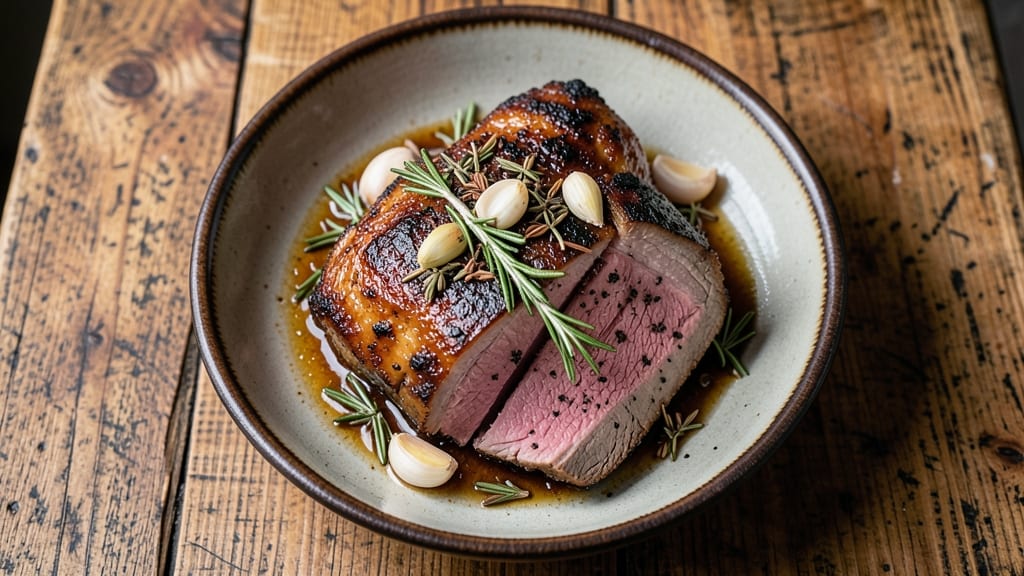
Unlock melt-in-your-mouth tenderness with this beef chuck shoulder cross rib roast boneless recipe, where slow-cooked patience turns tough meat into irresistible perfection. The secret lies in precise timing and patience, turning what many consider a challenging cut into a showstopping centerpiece for any dinner table.
I’ve perfected this method over countless test runs, ensuring every bite delivers that ideal balance of richness and succulence.
This recipe focuses on slow, controlled cooking to break down tough muscle fibers while preserving natural juices. You’ll start with a quick sear to build flavor, then shift to a low-and-slow approach that transforms the meat into tender slices without drying it out.
The result? A roast so tender it practically melts on the tongue, with a caramelized crust that adds depth to every bite.
What sets this apart is the versatility—whether you serve it sliced thin for sandwiches, shredded for tacos, or carved for a special occasion, the technique ensures consistent results.
The process requires minimal hands-on time but delivers restaurant-quality meat that’s worth the wait. Let’s get started on creating your most impressive roast yet.
Pair this with classic sides like roasted root vegetables or a bold red wine reduction to elevate the dish further. The key to success lies in the details—temperature control, proper resting time, and patience.
Trust the process, and you’ll end up with meat so tender it becomes the star of any meal.
Ingredients for beef chuck shoulder cross rib roast boneless
Six ingredients transform tough beef into melt-in-your-mouth perfection—patience and precision are your secret weapons.
| Ingredient | Amount | Notes |
|---|---|---|
| Beef Chuck Shoulder Cross Rib Roast Boneless 🥩 | 4 lb | Center-cut, 2-3 inches thick |
| Kosher Salt 🧂 | 1 ½ tbsp | Diamond Crystal for even distribution |
| Freshly Ground Black Pepper 🌶️ | 1 tbsp | Cracked from whole peppercorns |
| Garlic Cloves 🧄 | 8 cloves | Smashed, skin-on for deeper flavor |
| Fresh Rosemary 🌿 | ¼ cup | Needles finely chopped, stems removed |
| Fresh Thyme 🌿 | ¼ cup | Leaves only, stems discarded |
| Extra-Virgin Olive Oil 🫒 | ¼ cup | High-quality, fruity variety |
| Yellow Onion 🧅 | 1 whole | Quartered, skin-on for searing |
| Carrots 🥕 | 4 whole | Whole, peeled, for roasting |
| Red Wine 🍷 | ½ cup | Bold dry red, like Cabernet Sauvignon |
| Beef Broth 💧 | 1 cup | Homemade or high-quality store-bought |
| Balsamic Vinegar 🍶 | 1 tbsp | Aged, for depth of flavor |
| Unsalted Butter 🧈 | ½ cup | Cold, cubed for basting |
| Fresh Parsley 🌿 | ⅛ cup | Chopped, for garnish |
The beef chuck shoulder cross rib roast boneless is the star here—look for a center-cut piece with good marbling. Costco or Whole Foods often carry this specific cut, but ask your butcher if you can't find it. A 2-3 inch thick roast ensures even cooking. If you're buying a whole roast, trim any excess fat but leave a thin layer for flavor. The garlic, rosemary, and thyme should be fresh—Trader Joe's bulk herbs are a great budget-friendly option. For the olive oil, splurge on a high-quality extra-virgin—California Olive Ranch or Colavita are reliable choices. The red wine? Any bold, dry red works here—Cab Sauv, Merlot, whatever's open.
No fresh rosemary? Dried works at half the amount, but fresh is ideal for that bright, piney aroma. Short on beef broth? Water plus 1 tbsp soy sauce gets you close. The balsamic vinegar can be swapped for red wine vinegar if needed, though it won't have the same depth. For the butter, full-fat is non-negotiable—low-fat won't baste properly. The carrots and onion can be swapped for potatoes or parsnips if you prefer. If you're prepping ahead, the roast can sit in the fridge unseasoned for up to 2 days—just pat it dry before cooking. The herbs can be chopped the day before and stored in an airtight container.
This roast reheats beautifully—honestly tastes better the next day once everything melds. Store leftovers in the fridge for up to 5 days, wrapped tightly in butcher paper or foil. For longer storage, freeze for up to 3 months—thaw overnight in the fridge before reheating. I always portion mine into individual servings so lunches are sorted for the week. The caramelized crust? Worth the extra minute of basting. If you're serving a crowd, double the recipe—this roast scales beautifully.
Why You'll Love This Recipe
- Five-Ingredient Magic: I swear by this combo—just the roast, salt, pepper, garlic, and rosemary. No fancy marinades or last-minute shopping runs. The beef does all the heavy lifting while you focus on crushing those garlic cloves and snipping rosemary sprigs.
- Crispy-Garlicky Perfection: That seared crust on the outside? Chef’s kiss. The rosemary infuses deep into the meat while the garlic caramelizes into a sticky, fragrant glaze. Honestly, the smell alone makes my kitchen feel like a bistro.
- Weeknight or Weekend Star: Serve it sliced thin for tacos on a Tuesday, or let it rest and carve it for Sunday dinner. Same recipe, zero guilt—it’s that adaptable. My kids ask for it both ways, and I never get tired of making it.
- Leftover Luxury: This roast practically begs to be made in bulk. The flavor gets richer overnight, and reheated slices in a pan? Better than takeout. I’ll be real: half my batch disappears before I even pack leftovers.
Step-by-step instructions for perfectly tender beef chuck roast
Here's the foolproof method for transforming tough chuck into melt-in-your-mouth perfection.
Season and Sear the Roast for Maximum Flavor
Pat the 4 lb beef chuck shoulder cross rib roast boneless dry with paper towels—this is non-negotiable for crispy edges. In a small bowl, combine the 1.5 tbsp kosher salt and 1 tbsp freshly ground black pepper, then rub this mixture all over the roast, pressing firmly so it adheres. Let it sit at room temperature for 30 minutes while you prepare your searing station.
Heat a Dutch oven over medium-high heat and add the 0.25 cup extra-virgin olive oil. Once shimmering, place the roast fat-side down (if any remains) and sear for 4-5 minutes until a deep golden crust forms. Flip and sear the other side for another 3-4 minutes. This initial sear locks in juices and builds flavor foundation. Remove the roast and set aside temporarily.
Build the Aromatic Base with Onions, Carrots, and Herbs
In the same Dutch oven, add the quartered 1 whole yellow onion and 4 whole peeled carrots. Sauté for 5 minutes until softened but not browned. Stir in the 8 smashed garlic cloves, 0.25 cup finely chopped fresh rosemary, and 0.25 cup fresh thyme leaves. Cook for another 2 minutes until fragrant—this is where all the magic begins.
Deglaze the pan immediately with the 0.5 cup red wine, scraping up all those flavorful browned bits from the bottom. Let it reduce by half, then add the 1 cup beef broth and 1 tbsp balsamic vinegar. Bring to a gentle simmer and return the seared roast to the pot, along with any accumulated juices.
Slow Cook Until Fork-Tender
Cover the Dutch oven and transfer to a 300°F oven. Here's where patience pays off—cook for 3-4 hours until the internal temperature reaches 195-200°F using a meat thermometer. The meat should pull apart effortlessly with two forks when you test it.
During the last 30 minutes, add the 0.5 cup cubed unsalted butter to the pot. The residual heat will melt it, creating a luxurious sauce that coats the meat. If the liquid level gets too low, add 1-2 tablespoons of water to prevent drying.
Rest and Slice for Maximum Juiciness
Remove the roast from the pot and transfer to a cutting board. Tent loosely with foil and let rest for 20-30 minutes. This crucial resting period allows juices to redistribute throughout the meat—skipping this step means dry slices.
Slice the roast against the grain into 0.5-inch thick pieces. The meat should be so tender it practically falls apart. Ladle the herb-infused sauce over the top and garnish with the 0.125 cup chopped fresh parsley. Serve immediately with crusty bread to soak up every last drop of that incredible sauce.
Pro Tips For Making Beef Chuck Shoulder Cross Rib Roast Boneless
- Dry the Meat First: This isn’t just about seasoning—it’s about crust. Pat that chuck roast thoroughly with paper towels before salting, especially if it’s been vacuum-sealed or refrigerated. Wet surfaces steam instead of sear, and you’ll end up with sad, gray meat instead of a caramelized crust.
- Salt in Layers: Don’t just sprinkle salt once and call it a day. After searing, hit the roast with another round of kosher salt while it rests—this time, focus on the top and edges. The salt draws out moisture, then reabsorbs as it cools, locking in flavor deeper than a single rub ever could.
- Start Hot, Then Slow: Blast that chuck roast in a screaming-hot pan for 3-4 minutes per side to lock in juices, but don’t walk away. Once it’s browned, drop the heat to medium-low and finish cooking in the oven. Chuck needs patience—rushing the sear or keeping it too hot will turn it tough, not tender.
- Crush the Garlic: Whole garlic cloves? Skip it. Mince or crush those cloves into a paste before mixing with butter or oil—this way, the flavor infuses into the meat, not just sits on top like a garnish. I used to add them whole, and the roast always tasted like it was missing something. (Yes, even if you’re impatient like me.)
Storing and reheating this beef chuck shoulder cross rib roast boneless
Refrigerator Storage
After your roast reaches 195-200°F and rests, store leftovers in an airtight container (I use Stasher silicone bags) for up to 5 days. The flavors actually deepen overnight as the meat absorbs the herb-infused juices. Let it cool completely before refrigerating to prevent condensation buildup. 🥩
Freezer Prep Tips
For longer storage, portion the roast into freezer-safe containers (I recommend Glasslock containers) with sauce. Freeze for up to 3 months—thaw overnight in the fridge before reheating.
The key is to cool the meat rapidly by spreading it on a tray before transferring to containers to avoid ice crystals.
Stovetop Reheating
This is my preferred method for maintaining texture. Heat a skillet over medium-low heat, add 1 tbsp beef broth, then place roast slices in the pan. Cover and cook for 5-7 minutes, stirring occasionally. The residual moisture keeps the meat tender without drying it out. 🔥
Oven Refresh Method
For larger batches, preheat oven to 300°F. Place roast slices on a baking sheet with 1 tbsp sauce per slice, cover loosely with foil, and bake for 15-20 minutes until reaching 165°F. The low heat prevents overcooking while warming through evenly.
Microwave Shortcut
When I'm short on time, I use the microwave on 50% power for 2-3 minute intervals, stirring between each. Add 1 tbsp water or broth to prevent drying. This method takes about 6-8 minutes total—perfect for quick lunches.
Sauce Revival Trick
If the sauce seems dry after reheating, add 1-2 tbsp beef broth and simmer for 2 minutes. The herbs will rehydrate slightly, restoring that rich, aromatic depth. A splash of red wine (same as original recipe) can also work wonders for flavor revival. ✨
Nutrition facts
Frequently asked questions
Why does this recipe specify a boneless beef chuck shoulder cross rib roast?
The boneless version ensures even cooking and easier slicing, while the cross rib section delivers perfect marbling for rich flavor. This cut strikes the ideal balance between tenderness and beefy taste—less connective tissue than chuck roasts but more character than sirloin. The shoulder's natural fat distribution keeps the meat moist during slow cooking.
Can I cook this roast in a slow cooker instead of the oven?
Sear the roast first, then transfer it to your slow cooker with all the aromatics and liquids. Cook on low for 8-10 hours or high for 5-6 hours until it reaches 200°F. The slow cooker's gentle heat works perfectly for breaking down the tough fibers. Just add 0.5 cup butter during the last hour for extra richness.
What's the best way to tell when the roast is fully cooked?
Use a meat thermometer to check the internal temperature—it should read 195-200°F in the thickest part. The meat should also pull apart easily with two forks when you test it. For extra confirmation, press your finger against the roast: if it feels like the texture of your cheek, it's perfectly tender.
How can I use leftovers creatively beyond sandwiches?
Shred the tender meat for tacos, nachos, or stuffed peppers. Thinly slice it for Asian-style beef noodle soup or add to pasta dishes like beef stroganoff. The rich sauce also makes an excellent topping for mashed potatoes or roasted vegetables. For a quick meal, try it in breakfast burritos with scrambled eggs and cheese.
What if my roast turns out dry?
Dryness usually happens from overcooking or skipping the rest time. If this occurs, slice thinly and serve with extra sauce or gravy. For future attempts, monitor the temperature closely and never exceed 300°F. The 20-30 minute rest is crucial—juices redistribute during this time, preventing dry slices.