
Main Courses
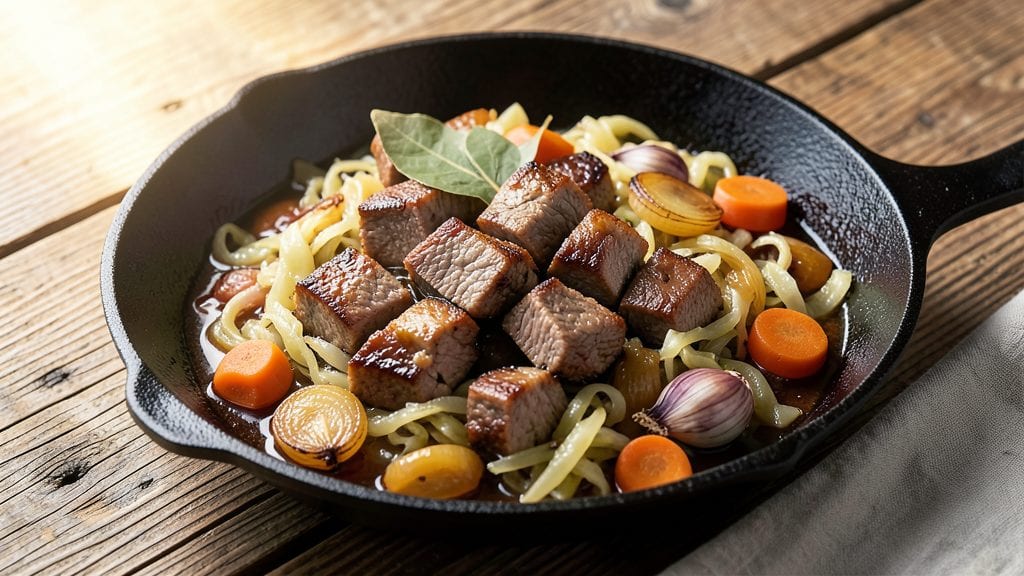
This corned beef and sauerkraut recipe transforms a simple pot roast into a tender, restaurant-worthy meal with just a few key techniques. The secret lies in balancing the bold, briny flavors of corned beef with the tangy crunch of sauerkraut—a perfect marriage that’s both comforting and complex.
I’ve perfected this method over years of St. Patrick’s Day celebrations, ensuring the meat stays juicy and the kraut remains crisp enough to cut through the richness.
The process begins with a slow-cooked corned beef brisket, where the spices and curing salt infuse deeply into the meat over hours. Meanwhile, the sauerkraut gets warmed just enough to soften its edges without losing its signature tang.
This isn’t your grandmother’s boiled beef—every bite delivers a harmonious blend of smoky, savory, and fermented flavors that linger. The result is a dish that feels indulgent yet balanced, with textures that range from melt-in-your-mouth beef to satisfyingly crisp kraut.
What makes this recipe truly foolproof is its flexibility—whether you’re using a store-bought corned beef for convenience or curing your own brisket from scratch. The method scales effortlessly for gatherings, and the leftovers reheat beautifully, making it ideal for meal prep.
Pair it with buttery boiled potatoes or crusty rye bread to soak up every last drop of that flavorful juices. This is the kind of meal that turns a weeknight into a celebration.
For those who love tradition, this recipe honors the classic technique while offering modern shortcuts. The slow-cooking method ensures tender meat, and the sauerkraut’s acidity cuts through the fat, creating a dish that’s both hearty and refreshing.
Ready to make a meal that’s as satisfying as it is impressive? Let’s get started.
Ingredients for corned beef and sauerkraut
Sixteen ingredients to create a restaurant-quality corned beef brisket with sauerkraut that balances tender meat and crisp kraut.
| Ingredient | Amount | Notes |
|---|---|---|
| Corned Beef Brisket 🥩 | 4 lb | Pre-cured or homemade, cut into 1-inch cubes |
| Sauerkraut 🥬 | 4 cups | Unopened jar, drained if too wet |
| Yellow Onions 🧅 | 2 whole | Medium, sliced into half-moons |
| Carrots 🥕 | 3 whole | Medium, cut into thick rounds |
| Garlic Cloves 🧄 | 4 cloves | Smashed, not minced |
| Bay Leaves 🍃 | 2 whole | Fresh preferred, dried acceptable |
| Black Peppercorns 🌶️ | 1 tbsp | Crushed, not ground |
| Mustard Seeds 🌿 | 1 tsp | Whole, toasted lightly |
| Beef Broth 💧 | 2 cups | Low-sodium preferred |
| Apple Cider Vinegar 🍎 | ¼ cup | For tangy depth |
| Dark Brown Sugar 🍬 | 2 tbsp | Packed, not granulated |
| Fresh Thyme 🌿 | 2 sprigs | Or 1 tsp dried thyme |
| Salt 🧂 | 1 ½ tsp | Diamond Crystal kosher preferred |
| Olive Oil 🫒 | 2 tbsp | Extra-virgin for searing |
The corned beef brisket is the centerpiece, and its quality makes all the difference. Look for well-marbled brisket from a trusted butcher—the Whole Foods or local meat counters often carry premium cuts. If using pre-cured corned beef, check the label for minimal added preservatives; Hormel or Hebrew National are reliable brands. For homemade curing, use pink curing salt (not table salt) and let the brisket sit in the brine for at least 5 days. The sauerkraut should be unopened and packed in brine—avoid pre-drained or watery varieties, as they lack authentic tang. Bubba's or Rehr's are excellent choices for quality kraut.
No fresh thyme? Dried works at one-third the amount, but the flavor won’t be as bright. Substitute 1 tsp dried thyme for the 2 sprigs called for. Running low on apple cider vinegar? White vinegar or lemon juice adds acidity, though the flavor will differ slightly. For a deeper smoky note, add 1/2 tsp smoked paprika to the broth. If your carrots are small, use 4 baby carrots instead—they’ll soften at the same rate. The mustard seeds can be omitted if you dislike their slight bite, but they add a subtle complexity that’s worth keeping.
This dish reheats beautifully—simmer the beef and sauerkraut together for 5-10 minutes on the stove or 15 minutes in a 350°F oven. Store leftovers in an airtight container for up to 5 days in the fridge, or freeze for 3 months. The flavors deepen overnight, so plan to make extra. For meal prep, portion the beef and kraut separately—reheat the kraut in a skillet with a splash of broth to maintain crispness, while the beef can be warmed gently in its juices.
Why You'll Love This Recipe
- One-Pot Magic: The moment I realized this dish only needs one pan—no chopping boards, no extra pots—I knew it was my new shortcut. Toss in the brisket, sauerkraut, onions, and carrots, cover, and let it simmer. That’s it. No stress, no mess.
- Tangy-Sweet Symphony: Honestly, the way the sauerkraut’s sharpness mellows into something rich while the carrots caramelize? It’s like a flavor hug. The garlic and corned beef’s saltiness make every bite feel like a reward.
- Leftovers That Don’t Lie: Between us, this dish tastes better the next day. The brisket gets even more tender, and the flavors meld into something deeper. I make it on Sundays just so I can reheat portions all week—zero guilt, all satisfaction.
- Budget-Friendly Feast: A whole brisket and a jar of sauerkraut stretch across multiple meals without breaking the bank. Add a few carrots and onions, and you’ve got a hearty, filling dinner that keeps everyone full and happy—no fancy ingredients required.
Step-by-step instructions for corned beef and sauerkraut
This method delivers melt-in-your-mouth tenderness with deep, fermented complexity.
Sear the Corned Beef Brisket for Rich Flavor
Heat a heavy Dutch oven over medium-high heat until hot. Add the 2 tablespoons of olive oil and swirl to coat the bottom evenly. Working in batches if needed, add the 4 lb corned beef brisket cut into 1-inch cubes, ensuring they don't overcrowd the pan. Sear each piece for 2-3 minutes per side until deeply browned and developing a caramelized crust.
This initial searing creates the Maillard reaction that forms the foundation of flavor. Don't rush this step—you'll know it's ready when the edges turn mahogany and the meat releases easily from the pan. Transfer the seared brisket to a plate as you work.
Build the Aromatic Base with Vegetables and Spices
In the same Dutch oven, add the 2 whole yellow onions sliced into half-moons and the 3 whole carrots cut into thick rounds. Cook for 5-6 minutes, stirring occasionally, until the onions soften and begin to caramelize at the edges. Add the 4 smashed garlic cloves and cook for another 30 seconds until fragrant.
Stir in the 1 tablespoon of crushed black peppercorns and 1 teaspoon of lightly toasted mustard seeds, cooking for 1 minute until the spices release their essential oils. This aromatic foundation will infuse the corned beef with complex depth during the braising process.
Combine All Ingredients for the Braise
Return the seared corned beef to the Dutch oven. Add the 4 cups of sauerkraut, spreading it evenly over the meat. Pour in the 2 cups of beef broth, the 0.25 cup of apple cider vinegar, and the 2 tablespoons of packed dark brown sugar. Stir gently to combine, ensuring the meat is partially submerged in the liquid.
Add the 2 whole bay leaves and 2 sprigs of fresh thyme, then sprinkle with the remaining 1.5 teaspoons of salt. The vinegar and sugar will create a subtle sweet-tangy balance that complements the fermented sauerkraut beautifully.
Slow-Braise Until Fork-Tender
Cover the Dutch oven tightly with a lid and transfer to a preheated 325°F oven. Braise for 3 to 3.5 hours, checking occasionally to ensure there's enough liquid. If the liquid reduces too much, add a splash of water or broth to maintain moisture.
You'll know the corned beef is perfectly tender when a fork slides in and out with minimal resistance. The meat should be falling apart easily, and the flavors should have melded into a harmonious balance of smoky, tangy, and sweet notes.
Rest and Serve with Perfect Texture
Remove the corned beef and vegetables from the oven and let them rest at room temperature for 15 minutes. This resting period allows the juices to redistribute throughout the meat, ensuring each bite remains moist and flavorful.
Skim any excess fat from the surface of the braising liquid if desired, then serve the corned beef and sauerkraut mixture directly from the Dutch oven. The result should be fork-tender meat with a glossy sheen, surrounded by caramelized vegetables and sauerkraut that's softened but still retains its distinctive tang.
Pro Tips For Making Corned Beef And Sauerkraut
- Brown the Brisket First: Drain the corned beef, pat it completely dry, and sear it hard in a hot pan for 3-4 minutes per side before adding liquid. I used to skip this, and the final dish always tasted flat—crisping the surface locks in flavor and keeps the meat from turning spongy when it rehydrates.
- Rinse the Sauerkraut: Drain the sauerkraut, then give it a quick cold-water rinse to cut the acidity—especially if your jar’s brine is still strong. My grandmother did this every time, and it stops the kraut from overpowering the beef’s rich, peppery notes. Drain well afterward.
- Slice Carrots Thin: Cut the carrots into ¼-inch slices so they cook through in the same time as the onions. Thick chunks end up mushy and forgettable; thin slices caramelize just enough to add sweetness without falling apart. (Yes, it’s more work, but it’s worth it.)
- Simmer Low and Slow: After adding everything to the pot, reduce heat to actual low—just enough to keep a gentle bubble at the edges. I learned this the hard way when I boiled it too hard and turned the kraut into a sad, watery mess. Patience here makes the difference between tender beef and tough, stringy disappointment.
Make-ahead tips for this corned beef and sauerkraut
Prep Ahead for Braising
The corned beef brisket can be prepped up to 2 days in advance—this is where the magic of slow cooking really shines. After searing the meat and building your aromatic base, transfer everything to a slow cooker or Dutch oven and refrigerate uncovered for 12 hours.
This chilling step helps the flavors concentrate and makes the braising process even more efficient. When ready to cook, simply add the sauerkraut and broth, then proceed with the 325°F oven method. 💡
Sauerkraut Prep Shortcut
Save time by prepping your sauerkraut the night before. Drain the 4 cups of sauerkraut and rinse it gently under cold water to remove excess brine—this ensures it won’t make the dish too watery.
Toss it with 1 teaspoon olive oil and ½ teaspoon caraway seeds (if you like), then store in an airtight container in the fridge. When you’re ready to cook, simply warm it in a skillet for 3-4 minutes before adding it to the braising liquid.
This step keeps the kraut crisp and ready to go. ✨
Slow Cooker Adaptation
For a hands-off approach, use a 6-quart slow cooker on low heat for 8-10 hours. After searing the beef and sautéing the onions, carrots, and spices, transfer everything to the slow cooker along with the sauerkraut, broth, vinegar, and sugar.
The slow cooker’s gentle heat ensures the beef stays tender without drying out, and the sauerkraut absorbs the flavors beautifully. Just stir occasionally and add a splash of water if needed. 🔥
Freezer-Friendly Leftovers
Corned beef and sauerkraut reheats like a dream, making it perfect for meal prep. Portion the cooked beef and sauerkraut into airtight freezer-safe containers, leaving ½ inch headspace for expansion. Freeze for up to 3 months.
To reheat, thaw overnight in the fridge, then warm in a skillet with a splash of beef broth or water over medium-low heat for 10-15 minutes. The textures hold up surprisingly well—just add a pinch of salt to brighten the flavors if needed. ❄️
Make-Ahead Sides
Plan your sides in advance to create a complete meal. Boil 4 large potatoes until tender, then store them in cold water in the fridge for up to 2 days.
For rye bread, toast slices and store in a paper bag at room temperature for 3 days—the crust stays crisp longer. Warm the bread in a 350°F oven for 5 minutes before serving to soak up those delicious juices. 🥔
Flavor Boost for Reheating
If your leftovers seem a bit flat after reheating, revive them with a quick flavor boost. Stir in 1 teaspoon Dijon mustard and ½ teaspoon smoked paprika to the reheated beef and sauerkraut mixture.
For extra brightness, add a splash of apple cider vinegar (just ½ teaspoon) or a sprinkle of fresh parsley. These simple additions cut through any richness and bring back that restaurant-quality taste. 💫
Nutrition facts
Frequently asked questions
Can I use pre-cooked corned beef for this recipe?
Store-bought corned beef works perfectly—just skip the searing step. Start by warming the pre-cooked beef in a skillet with 1 tablespoon olive oil for 3-4 minutes to caramelize the edges, then proceed with the braising instructions. The slow cooking will still infuse the flavors beautifully.
How do I keep the sauerkraut crisp instead of soggy?
Drain and rinse the sauerkraut thoroughly before adding it to the pot, then warm it separately in a skillet for 3-4 minutes with 1 teaspoon olive oil before mixing with the beef. For extra crunch, add it to the dish only in the last 30 minutes of cooking.
What's the best way to serve this dish for a crowd?
Double the recipe and use a 6-quart slow cooker on low for 8-10 hours—it's foolproof for large groups. Serve with boiled potatoes, rye bread, and a simple green salad to balance the richness. The leftovers reheat perfectly for 3-4 days.
Why does my corned beef turn out tough?
Overcooking is the most common issue. Use a meat thermometer—corned beef is done at 195°F (internal temp). If using a slow cooker, never exceed 325°F for more than 4 hours. For extra tenderness, add 1 cup beef broth during the last hour of cooking.
Can I make this dish ahead for a party?
Yes! Assemble the entire dish (except sauerkraut) up to 2 days ahead and refrigerate. Add the sauerkraut and cook for 1.5 hours before serving. For freezing, portion the beef and kraut separately—reheat the kraut in a skillet with 1 tablespoon vinegar to restore tang.