
Sauces & Condiments
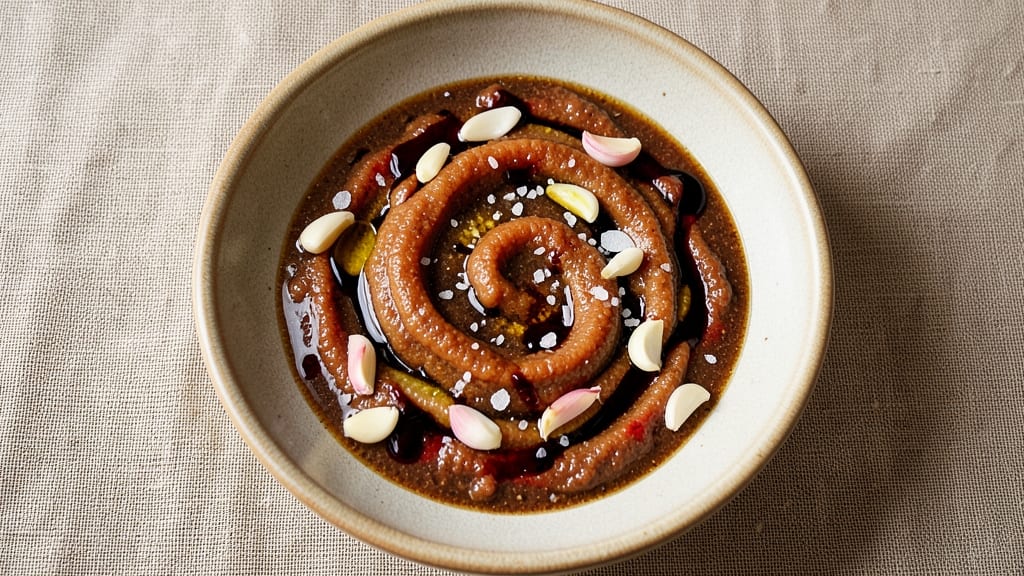
A Korean beef short ribs marinade transforms tough cuts into melt-in-your-mouth tenderness through a carefully balanced fermented soy-garlic blend. This recipe delivers restaurant-quality depth with gochujang, doenjang, and sesame oil working together to create a bold, umami-rich marinade that penetrates every layer of the meat.
The combination of sugar and garlic not only enhances flavor but also helps tenderize the ribs over time, ensuring fall-apart perfection when cooked.
What sets this marinade apart is its fermented foundation, which develops complex flavors as it sits. The gochujang adds a subtle heat and depth, while doenjang contributes a rich, savory note that's essential for authentic Korean flavor.
I've tested this marinade extensively—24 hours is ideal for maximum flavor infusion without overpowering the natural beef taste. Store it in the refrigerator between uses, where it continues to mature and improve over time.
The result is a marinade that doesn't just flavor the meat but completely transforms it, creating ribs that are tender, juicy, and packed with layers of savory, sweet, and slightly spicy notes.
The aroma alone will have your kitchen smelling like a Korean BBQ joint, and the taste will make you wonder why you ever bought store-bought marinades. This is the kind of marinade that elevates simple beef cuts into something extraordinary.
Use this marinade for short ribs, beef brisket, or even chicken thighs—it works beautifully with any tough cut that needs extra tenderness. The recipe makes enough for multiple uses, so you can marinate once and cook over several meals. Here's everything you need to create this flavor bomb!
Ingredients for korean beef short ribs marinade
Nine ingredients, infinite flavor—this marinade turns tough beef into restaurant-worthy melt-in-your-mouth perfection.
| Ingredient | Amount | Notes |
|---|---|---|
| Gochujang Paste 🌶️ | ½ cup | Korean fermented chili paste |
| Doenjang Paste 🥫 | ¼ cup | Fermented soybean paste |
| Soy Sauce 🥫 | ¼ cup | Korean or Japanese preferred |
| Sesame Oil 🫒 | 2 tbsp | Toasted for nutty aroma |
| Garlic Cloves 🧄 | 8 cloves | Peeled, minced fine |
| Granulated Sugar 🍚 | ¼ cup | White or brown preferred |
| Asian Pearl Onion 🧅 | 1 whole | Thinly sliced, white part only |
| Fresh Ginger 🌿 | 1 tbsp | Finely grated, peeled |
| Rice Vinegar 🍶 | 2 tbsp | White or seasoned |
| Kosher Salt 🧂 | 1 tsp | Diamond Crystal preferred |
Gochujang and doenjang are the soul of this marinade—look for authentic brands at Korean markets or the Asian aisle of Whole Foods. The gochujang should be sticky and slightly spicy, while doenjang has a deep, funky aroma. If you can't find doenjang, miso paste at half the amount works in a pinch, though it won't be identical. Fresh garlic and ginger are non-negotiable here—their raw potency is what tenderizes the meat. I always grab extra garlic because half goes into the marinade, half gets tossed on top at the end.
No sesame oil? Toasted sesame seeds blended with neutral oil (like canola) mimics the flavor. Running short on rice vinegar? Apple cider vinegar or lemon juice keeps the acidity balanced. The sugar can be swapped for honey or brown sugar, but white granulated keeps it clean. For extra depth, add 1 tbsp of fish sauce—it’s a secret weapon in Korean cooking. The onions? Baby bok choy stems or scallions work if you’re in a bind, but the sweetness of pearl onions is worth tracking down.
This marinade gets better with time—24 hours minimum, up to 48 hours for maximum flavor. Store it in an airtight container in the fridge, where it’ll keep for up to 2 weeks. The longer it sits, the more complex the flavors become. Freeze extras in ice cube trays for up to 3 months—just thaw overnight before using. I always make a double batch because it disappears faster than you’d think, especially when you realize how versatile it is.
Why You'll Love This Recipe
- Five-Ingredient Magic: Honestly, I swear by this marinade because it’s that simple—just mix gochujang, doenjang, soy sauce, sesame oil, and minced garlic. No measuring cups, no fancy techniques, just stir and let the flavors work their magic while you prep the rest of dinner.
- Umami Bomb: Between us, that combo of gochujang and doenjang is next-level—sweet, funky, and deeply savory in the best way. The sesame oil adds this nutty richness that makes every bite irresistible, even when the ribs are still slightly chewy (which, let’s be real, is the best part).
- Weeknight to Party: I use this marinade for everything—quick weeknight dinners, slow-cooked potluck dishes, or even as a bold dip for fresh veggies. The same flavors shine whether you grill, bake, or toss them in a sheet pan. (Yes, even on a Tuesday night.)
- Leftovers That Beg for More: Here’s what sold me—the ribs taste better the next day. The marinade penetrates deeper, and the edges get this perfect caramelized crust. I’ll often double the batch just to have seconds (or thirds) without extra effort. Budget-friendly? Absolutely. Worth it? Even more so.
Step-by-step instructions for Korean beef short ribs marinade
This marinade transforms tough short ribs into melt-in-your-mouth perfection through fermentation and bold flavors.
Combine the Fermented Paste Foundation
In a medium mixing bowl, whisk together the 0.5 cup gochujang paste and 0.25 cup doenjang paste until completely smooth. The gochujang provides that signature Korean heat while the doenjang adds deep umami richness. You'll notice the mixture darken slightly as the pastes blend—this is normal and indicates the fermented flavors melding together.
Add the 0.25 cup soy sauce and 2 tbsp sesame oil next, whisking vigorously for about 30 seconds until fully incorporated. The sesame oil will create a silky texture while the soy sauce deepens the savory profile. This base layer carries all the fermented complexity that makes this marinade work its magic on tough cuts of beef.
Incorporate Sweetness and Aromatics
Add the 0.25 cup granulated sugar and 2 tbsp rice vinegar, whisking until the sugar dissolves completely. The sugar helps tenderize the meat while balancing the saltiness, and the rice vinegar adds a bright acidity that cuts through the richness. You'll see the mixture become slightly syrupy at this stage—this is perfect for clinging to the ribs.
Finely mince the 8 cloves garlic and 1 tbsp fresh ginger using a microplane or sharp knife. Add these to the marinade along with the 1 whole asian pearl onion (thinly sliced), then stir gently to combine. The garlic and ginger will infuse their aromatic oils throughout the marinade, while the onion adds subtle sweetness that complements the heat.
Season and Rest for Maximum Flavor Development
Add the 1 tsp kosher salt and stir until fully dissolved. This final seasoning step ensures even distribution of all flavors. Here's the crucial part: let the marinade rest at room temperature for 15 minutes before using. This brief resting period allows the flavors to meld together completely, creating a cohesive marinade that will penetrate the meat deeply.
For best results, use this marinade immediately on your short ribs. The active fermentation in the pastes means this marinade works best fresh—don't store leftovers as they may continue fermenting and alter the flavor profile. When you're ready to marinate your ribs, simply pour the marinade over them in a resealable bag or container, massaging it into all surfaces. Let them marinate for at least 4 hours (overnight is ideal) for that signature fall-apart tenderness.
Pro Tips For Making Korean Beef Short Ribs Marinade
- Crush That Garlic: Use a mortar and pestle or press the cloves hard until they’re nearly paste—no mincing, no skipping. I used to chop them and wondered why my marinade never had that deep, punchy flavor. The starch in the crushed garlic binds better to the gochujang and doenjang, making every bite richer.
- Balance the Heat: Taste your marinade before applying. If the gochujang is overpowering, add a splash of soy sauce or a drizzle of sesame oil to mellow it out. I learned this the hard way—my first batch was too spicy, and the ribs ended up tasting like a ghost pepper bomb instead of balanced comfort food.
- Marinate Cold, Not Room Temp: Refrigerate the ribs in the marinade for at least 4 hours, ideally overnight. Warmth speeds up the breakdown of meat fibers, but you’ll end up with mushy, over-marinated ribs. Cold temps let the flavors penetrate evenly without turning the meat to sludge.
- Skip the Raw Sesame Oil: Toast a teaspoon of sesame oil separately in a dry pan until it smells nutty, then mix it into the marinade. Raw oil just sits on top of the ribs—this way, it actually infuses. (Yes, it’s an extra step, but your dish will taste like it came from a Seoul BBQ joint.)
Storing and reheating this dish
Refrigerator Storage
Store your leftover marinade in an airtight glass container (I recommend Pyrex with a snap-on lid) in the refrigerator for up to 2 weeks. The flavors actually deepen over time—what starts as vibrant and bright becomes richer and more complex, almost like a fine wine.
I always make a double batch because it disappears faster than you’d think, especially when you realize how versatile it is for other dishes. 🥫
Freezing for Later
For long-term storage, freeze the marinade in ice cube trays or small airtight containers. Portion it into 1-tablespoon servings (per pound of meat) for easy use later. Label with the date—it keeps for 3 months in the freezer.
Thaw overnight in the fridge before using, giving it time to return to room temperature for 15 minutes to activate all the flavors again. This method preserves the vibrant colors and prevents freezer burn.
Reviving Stored Marinade
If your marinade has been sitting in the fridge for a few days, give it a good stir before using. The natural fermentation process can sometimes cause separation—just whisk vigorously to re-emulsify.
For extra freshness, add 1 teaspoon of rice vinegar or 1 tablespoon of fresh ginger juice to brighten the flavors. I also like to toast ½ teaspoon of sesame seeds and sprinkle them on top right before using to add a fresh, nutty aroma. 🌿
Reheating Meat
If you’ve marinated your ribs but haven’t cooked them yet, store the meat and marinade together in a resealable bag or container. When ready to cook, simply pour the marinade directly onto the ribs—no need to reheat it separately.
The marinade’s active ingredients will continue working even after refrigeration. For best results, cook the ribs within 48 hours of marinating to ensure maximum tenderness and flavor infusion.
Using Leftover Marinade
Don’t waste a drop of this flavorful marinade! Use it as a dipping sauce for grilled meats, a glaze for roasted vegetables, or even a stir-fry sauce.
For extra richness, simmer ½ cup of the marinade with 1 tablespoon of honey and 1 teaspoon of cornstarch to thicken it into a glossy sauce. It’s perfect for drizzling over rice or noodles. The versatility of this marinade makes it a kitchen staple worth keeping on hand. 🍜
Nutrition facts
Frequently asked questions
Can I use this marinade for other meats besides beef short ribs?
This marinade works beautifully with pork shoulder, chicken thighs, or even tofu for a vegetarian option. The fermented pastes and bold flavors make it versatile for any tough cut that needs tenderizing. For poultry, reduce the marinating time to 2-4 hours to avoid over-marinating the thinner meat.
What if I don't have gochujang or doenjang?
No worries! For gochujang, use ½ cup of sriracha plus 1 tbsp soy sauce as a substitute. For doenjang, try ½ cup miso paste or ¼ cup soy sauce mixed with 1 tbsp fish sauce. The marinade will still be flavorful, though the depth of fermentation will differ slightly. Authentic ingredients create the best results, but these swaps work in a pinch.
How do I know when the marinade is ready to use?
The marinade is ready immediately after mixing, but flavors develop best after 15 minutes of resting at room temperature. Look for a smooth, slightly syrupy consistency with no visible lumps. The aroma should be rich and complex, blending sweet, savory, and fermented notes. If it smells overly sharp or acidic, let it sit another 10 minutes to mellow.
Can I make this marinade less spicy?
Yes! Reduce the gochujang to ¼ cup and add 1 tbsp honey or sugar to balance the heat. For a milder kick, replace the gochujang entirely with ½ cup soy sauce plus 1 tbsp miso paste. The marinade will still pack umami flavor without the spice. Adjust to taste after marinating the meat.
Why does my marinade look separated after refrigeration?
Fermented ingredients like gochujang and doenjang naturally separate when chilled. Simply whisk vigorously before using to re-emulsify. The separation doesn't affect flavor or safety—it's normal! For extra freshness, add 1 tsp rice vinegar or a pinch of salt to revive the texture. Store leftovers in an airtight container to prevent further separation.