
Side Dishes
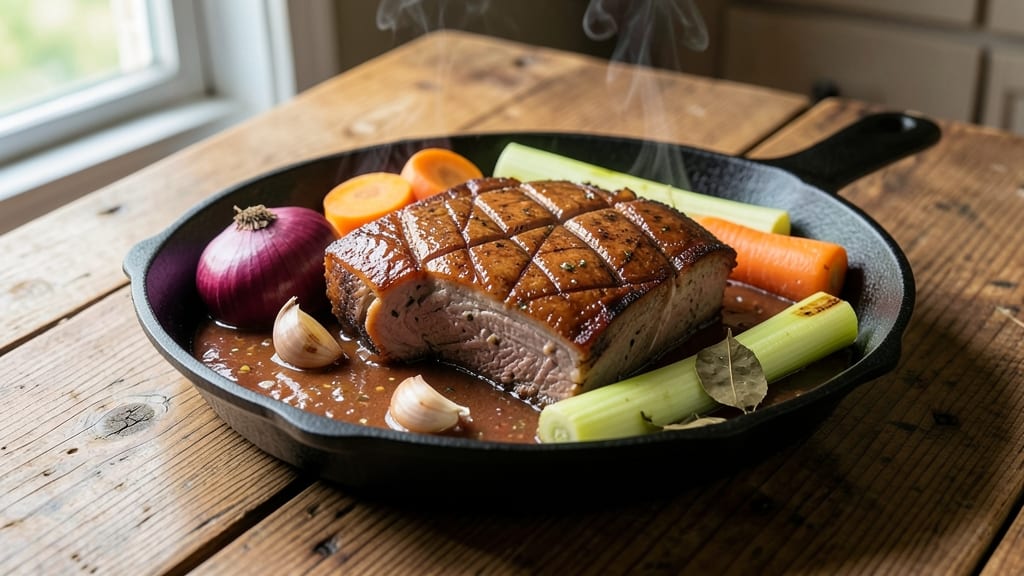
This boiled corned beef brisket recipe delivers melt-in-your-mouth tenderness that transforms tough cuts into restaurant-quality perfection. I first discovered the magic of slow-simmered brisket during my family's weekend cookouts, where the aroma of spices and herbs filled the air and turned simple meals into celebrations.
The key lies in patience—letting the meat break down over hours until it's so tender it nearly falls apart at the touch.
What sets this recipe apart is the balance of traditional techniques with modern convenience. You'll start with a brisket that's properly scored and seasoned, then simmer it in a flavorful broth until fork-tender.
The spiced pickle crunch adds a bright, tangy contrast that cuts through the richness, while the slow cooking process infuses every bite with deep, savory flavor. This method ensures you'll never buy pre-packaged corned beef again—homemade tastes worlds apart.
The result is a brisket so tender it practically melts in your mouth, with a surface that's beautifully caramelized from the slow cooking. Each slice offers perfect balance between the rich beef and the bright, tangy pickles, creating a harmony of textures and flavors.
Serve it with classic sides like cabbage, potatoes, or carrots for a complete meal that feels both comforting and special.
Perfect for holiday gatherings or a cozy family dinner, this recipe makes the most of your time while delivering restaurant-quality results.
The slow simmer means you can prepare it ahead and let the flavors develop even more, ensuring your table is filled with the kind of tender, flavorful beef that becomes the centerpiece of any meal. Let's get started on creating this showstopper.
Ingredients for boiled corned beef brisket
Six ingredients transform tough brisket into melt-in-your-mouth perfection with that signature spiced pickle crunch.
| Ingredient | Amount | Notes |
|---|---|---|
| Beef Brisket 🥩 | 4 lb | Flat cut preferred, scored deeply |
| Yellow Onions 🧅 | 2 whole | Large, halved lengthwise, root intact |
| Carrots 🥕 | 4 whole | Medium, whole with tops |
| Celery Stalks 🥬 | 4 whole | Fresh, cut into 2-inch pieces |
| Garlic Cloves 🧄 | 6 cloves | Peeled, smashed slightly |
| Bay Leaves 🌿 | 4 whole | Dried, standard size |
| Black Peppercorns 🌶️ | 1 tbsp | Whole, lightly crushed |
| Allspice Berries 🌶️ | 1 tsp | Whole, lightly crushed |
| Mustard Seeds 🌶️ | 1 tsp | Whole, yellow preferred |
| Salt 🧂 | 2 tbsp | Kosher or sea salt |
| Dill Pickles 🥒 | 1 lb | Whole, spears for serving |
| Dill Weed 🌿 | 2 tbsp | Dried, crushed between palms |
| Water 💧 | 8 cups | Filtered preferred |
| Beef Broth 🍲 | 2 cups | Low-sodium preferred |
The brisket is non-negotiable here. Flat cut is ideal—it's leaner and breaks down better than point cut. Look for good marbling at Costco or Whole Foods—the more fat, the more flavor. I always score the surface in a diamond pattern (about 1/4-inch deep) before seasoning—that's what creates the caramelized crust. If you can't find whole brisket, most butchers will cut it for you. For the pickles, grab dill spears from the refrigerated section—not the jarred kind. They're fresher and hold up better to the long simmer.
No yellow onions? Red or white work too, but yellow has that classic brisket aroma. Short on celery? Leeks or fennel add a nice twist. The broth can be homemade (simmer beef scraps with veggies) or store-bought—just check for low sodium. For the pickles, if you can't find whole spears, sliced dill pickles work in a pinch, but they'll get mushy. The spices? Penzeys or Spicewalla have great whole spices, but the grocery store stuff is fine if it's fresh. Quick tip: crush the peppercorns and allspice lightly with the flat side of your knife—that releases the oils and boosts flavor.
This brisket tastes even better the next day. Let it cool completely, then store in its broth in a sealed container for up to 5 days. For longer storage, freeze portions for up to 3 months. The pickles keep their crunch if you add them to the pot just 30 minutes before serving. I always make extra broth—it's perfect for mashed potatoes or gravy. And save those bay leaves! They're good for 2-3 uses if you store them in a dry, cool place.
Why You'll Love This Recipe
- Deep Umami Magic: That slow-cooked beef? It’s ridiculously tender with a rich, savory depth—like a hug from your grandma’s kitchen. The onions and carrots caramelize just enough to add sweetness, while the garlic cloves infuse the broth with warmth. Honestly, the flavor builds all day, and it’s worth every minute.
- Leftovers That Save Me: I make this double because the second day is even better. The brisket gets juicier, the veggies soak up the broth, and I repurpose it into sandwiches, tacos, or a quick soup. My freezer’s always stocked with portions—because nothing beats reheated boiled brisket on a busy weeknight.
- Budget-Friendly Feast: A whole brisket feeds my family for days—way cheaper than takeout or pre-packaged roasts. The veggies (onions, carrots, celery) are pantry staples, and garlic is dirt cheap. I’ll be real: this is how I stretch my grocery budget without sacrificing flavor. Plus, the broth? I use it for everything.
Step-by-step instructions for boiled corned beef brisket
Here's how to transform a tough brisket into melt-in-your-mouth perfection with our signature slow-simmered method.
Prepare the Brisket and Aromatics
Begin by scoring the 4 lb beef brisket deeply in a diamond pattern across the fat cap using a sharp knife. This helps tenderize the meat and allows the spices to penetrate more effectively. Place the brisket in a large stockpot and set it aside.
Peel and smash the 6 cloves garlic cloves lightly with the flat side of your knife. Halve the 2 whole yellow onions lengthwise, leaving the root intact. Cut the 4 whole celery stalks into 2-inch pieces. Add these aromatics to the pot along with the 4 whole bay leaves, 1 tbsp black peppercorns, 1 tsp allspice berries, 1 tsp mustard seeds, and 2 tbsp salt. Stir gently to distribute the spices evenly around the brisket.
Add Liquids and Begin Simmering
Pour in the 8 cups water and 2 cups beef broth, ensuring the brisket is completely submerged. The liquid should cover the meat by about 2 inches. Bring the mixture to a boil over medium-high heat, then immediately reduce to a gentle simmer. You'll know it's simmering correctly when you see small bubbles breaking the surface but no vigorous boiling.
Once simmering, cover the pot with a lid and let it cook undisturbed for 3 hours. This initial cooking time allows the meat to begin breaking down and absorbing the rich flavors of the aromatics and spices. I know it seems like a long wait, but this step is crucial for achieving that signature tenderness you're after.
Add Pickles and Dill for Flavor
After 3 hours, remove the brisket from the pot and set it aside on a plate. Using a slotted spoon, carefully remove the aromatics (onions, carrots, celery, garlic, bay leaves, peppercorns, allspice, and mustard seeds) and discard them. This prevents them from becoming too soft and losing their flavor.
Add the 1 lb dill pickles to the pot and crush them lightly with a wooden spoon to release some of their flavor. Sprinkle in the 2 tbsp dill weed and stir to combine. Return the brisket to the pot, making sure it's fully submerged in the flavorful liquid. Bring the mixture back to a gentle simmer and continue cooking for another 3 to 4 hours.
Check for Tenderness and Final Cooking
After the additional cooking time, check the brisket for tenderness. It should be fork-tender, meaning a fork should slide in and out easily with minimal resistance. If it's not quite tender enough, continue simmering for another 30-minute to 1-hour increments until it reaches the desired tenderness.
Once tender, remove the brisket from the pot and let it rest for 15 to 20 minutes. This resting period allows the juices to redistribute throughout the meat, ensuring each slice is moist and flavorful. During this time, you can skim any excess fat from the cooking liquid if desired, or leave it for added richness in the broth.
Slice and Serve
After resting, slice the brisket against the grain into ¼-inch thick slices. The grain will be visible as lines running through the meat, and cutting against it ensures each bite is as tender as possible. Serve immediately with the flavorful cooking liquid ladled over the top, and arrange the dill pickles on the side for that signature crunch.
Each slice should be incredibly tender, with layers of flavor from the slow-simmered aromatics and the bright, tangy notes from the dill pickles. The broth can be served as is or used as a base for mashed potatoes or other side dishes. Enjoy your perfectly tender boiled corned beef brisket with your favorite sides!
Pro Tips For Making Boiled Corned Beef Brisket
- Trim the Fat First: Cut off the thick layer of fat from the brisket before boiling—it renders unevenly and makes the broth greasy. I used to skip this, but now I do it religiously; the broth stays clear, and the meat stays tender without a greasy film.
- Parboil the Veggies: Toss the onions, carrots, and celery in a separate pot with boiling water for 5 minutes before adding them to the brisket. This softens them faster and keeps them from turning to mush while the brisket cooks low and slow.
- Don’t Crowd the Pot: Leave at least an inch of space between the brisket and the water—if it’s submerged, the meat will stew instead of braise. I learned this after a rubbery, waterlogged brisket; now I use a roasting rack or a trivet to keep it elevated.
- Smash the Garlic: Peel and crush the garlic cloves with the flat of your knife before adding them to the pot. This releases more flavor into the broth—no need for fancy mincing, just a few hard presses does the trick. (Yes, even if you’re impatient like me.)
Perfect pairings for this dish
Classic Side Dishes
Start with braised red cabbage—this German-inspired side is a must. Sauté ½ head red cabbage with 2 tbsp butter, 1 apple diced, and 1 tbsp caraway seeds until tender. The sweet-tart balance cuts through the brisket's richness beautifully. 🥬
For a heartier option, try creamy mashed potatoes using the brisket's cooking broth instead of milk. I like to mix in ¼ cup sour cream and 2 tbsp chives for extra flavor. The broth adds depth that store-bought milk can't match.
Pickle Variations
Swap the dill pickles for spicy bread-and-butter pickles if you prefer a sweeter crunch. Thinly slice 2 pickles and quick-pickle them in ½ cup vinegar, 1 tbsp sugar, and ½ tsp red pepper flakes for 15 minutes. The heat adds a nice kick to each bite.
For a tangy twist, try pickled onions made with 1 red onion sliced and pickled in ½ cup apple cider vinegar, 1 tbsp honey, and ½ tsp mustard seeds. They add a bright, acidic contrast that keeps the meal fresh.
Beverage Pairings
A crisp German wheat beer like Weihenstephaner Hefeweissbier complements the brisket's savory notes perfectly. The slight sweetness and effervescence cleanse your palate between rich bites. For non-alcoholic options, try sparkling apple cider—it mirrors the beer's brightness while adding a festive touch. 🍺
If you prefer red wine, go for a light Pinot Noir from Oregon or Germany. The acidity balances the brisket's richness without overpowering it. I often reach for a Dr. Loosen Blue Slate—it's my go-to for hearty beef dishes.
Garnish Ideas
Finish each plate with a sprinkle of fresh dill and a few crispy fried shallots. The dill echoes the pickle's flavor, while the shallots add a satisfying crunch.
For extra drama, drizzle with a horseradish cream made from ¼ cup sour cream, 1 tbsp prepared horseradish, and a pinch of salt.
Don’t forget the pickle spears! Serve them whole on the side so guests can add their own crunch. A few lemon wedges on the table let everyone squeeze freshness into their meal when needed.
Nutrition facts
Frequently asked questions
Why does the recipe call for scoring the brisket?
Scoring creates channels for moisture and spices to penetrate deeper into the meat. The diamond pattern allows the fat to render out while keeping the surface tender. Without scoring, the outer layer can dry out during the long simmer. This technique ensures even cooking and maximum flavor absorption.
Can I use a slow cooker instead of a stockpot?
Transfer everything to a 6-quart slow cooker and cook on low for 8-10 hours or high for 5-6 hours. The key is maintaining a gentle simmer. Add 1 cup extra liquid to account for evaporation. The pickles should go in during the last 2 hours of cooking.
What if my brisket isn't tender after 6 hours?
Check for doneness by inserting a fork—it should slide in easily. If still tough, continue simmering for 1-2 more hours. For faster results, increase heat to medium-high (but don't boil vigorously). The meat will eventually break down, but patience yields the best texture. Never rush this step!
Can I make this recipe with a point cut brisket?
Yes, but expect slightly different results. Point cut has more fat and connective tissue, so it may need 1-2 extra hours of cooking. Score it more aggressively (deeper cuts) and trim excess fat to prevent greasiness. The flavor will be richer, though slightly less tender than flat cut.
How do I store leftovers?
Let the brisket cool completely, then store in its cooking liquid in an airtight container for 5 days in the fridge. For longer storage, freeze portions for up to 3 months. Reheat gently in the broth—never microwave dry. The pickles can be kept separately for up to 1 week.