
Sauces & Condiments
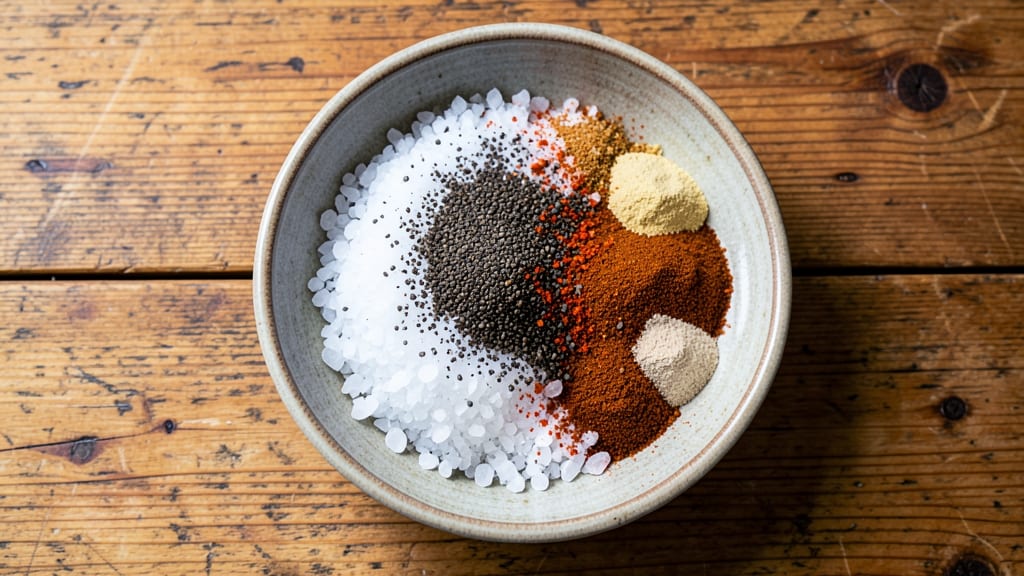
Creating a beef brisket seasoning recipe that delivers fall-apart tenderness starts with this carefully balanced dry rub, designed to enhance the natural richness of the meat while building a deep, smoky crust.
The blend of coarse salt, black pepper, and paprika forms the foundation, while garlic powder and onion powder add aromatic depth that penetrates the meat during the slow cooking process.
This smoky-spiced rub is formulated for precision—each tablespoon of blend contains just the right ratio of spices to create a harmonious flavor profile without overpowering the beef.
The secret lies in the toasted spices, which release their oils gradually, ensuring every bite carries that perfect balance of heat, sweetness, and savory notes. For optimal results, apply 2 tablespoons per pound of brisket before smoking or grilling.
The result is a brisket with a deeply caramelized bark that gives way to tender, juicy meat inside—exactly what you want from a low-and-slow cook.
The rub’s complexity comes from the interplay of spices: the heat from cayenne and black pepper, the earthiness of smoked paprika, and the subtle sweetness of brown sugar, all working together to create a flavor profile that’s both bold and refined.
Store the dry rub in an airtight container for up to 6 months, making it a versatile addition to your spice collection. Whether you’re smoking, grilling, or even slow-cooking in the oven, this seasoning transforms ordinary brisket into a showstopping centerpiece.
Ready to elevate your next cook? Here’s how to make it.
Ingredients for beef brisket seasoning
Nine essential spices blend into a smoky, savory rub for brisket perfection.
| Ingredient | Amount | Notes |
|---|---|---|
| Coarse Kosher Salt 🧂 | 3 tbsp | Diamond Crystal preferred for texture |
| Freshly Ground Black Pepper 🌶️ | 2 tbsp | Cracked peppercorns for intensity |
| Smoked Paprika 🌶️ | 2 tbsp | High-quality Spanish smoked |
| Garlic Powder 🧄 | 1 tbsp | Freshly ground preferred |
| Onion Powder 🧅 | 1 tbsp | Finely ground for even distribution |
| Ground Cayenne Pepper 🔥 | 1 tsp | Adjust for desired heat level |
| Brown Sugar 🍚 | 1 tbsp | Light or dark variety |
| Ground Mustard 🌿 | 1 tsp | Adds depth to flavor profile |
| Ground Coriander 🌿 | 1 tsp | Toasted for enhanced aroma |
The coarse kosher salt is non-negotiable—it creates that signature bark. Diamond Crystal is my go-to because its flaky texture clings beautifully, but any good kosher salt works. For smoked paprika, Spanish varieties from Penzeys or bulk bins deliver that authentic campfire flavor. Toast your spices in a dry pan for 30 seconds before grinding if you want to take it to the next level—just don't burn them. The brown sugar here isn't for sweetness; it's about the caramelization that builds that dark, glossy crust. Light brown sugar works best since it's less likely to clump.
No smoked paprika? Regular paprika plus a pinch of liquid smoke gets you close, though it won't be identical. Short on cayenne? Red pepper flakes at half the amount work, but you'll lose some of that fine, dry heat. The mustard and coriander might seem minor, but they're what make this rub sing—substitute with equal parts dried thyme if you're out, though the flavor will be different. For storage, I always use a glass jar with a tight seal—keeps the spices fresh and prevents moisture from dulling the flavors. If you're making this for a crowd, double the batch and store extras in smaller jars for easy access.
This blend stays potent for up to 6 months in a cool, dark place. For best results, keep it away from the stove where heat can degrade the spices faster. The rub is incredibly versatile—use it on beef brisket, pork shoulder, or even chicken thighs. Just remember, 2 tablespoons per pound of meat is the magic ratio. If you're smoking, apply it 24 hours ahead of time so the spices have time to penetrate. For grilling, let it sit on the meat for at least 15 minutes before cooking to develop that flavorful crust.
Why You'll Love This Recipe
- No Chop, No Fuss: I mix these spices in my mortar and pestle—literally. No measuring cups, no fine sifting. Just dump, grind, and rub that brisket with your hands. Honestly, the best seasonings are the ones that feel like an extension of your hands, not a chore.
- Smoky Depth, Simple Magic: The smoked paprika gives it that je ne sais quoi—like a campfire hug for your meat. Pair that with garlic and onion powders, and you’ve got layers that make brisket taste like it’s been resting for hours. Between us, it’s the kind of seasoning that makes you want to eat it straight off the spoon.
- Weeknight Hero: This isn’t just for Sunday roasts. Toss it on brisket for tacos, stir it into slow-cooker ribs, or even sprinkle it on roasted potatoes. I keep a jar in my pantry for when I need to turn a boring meal into something special. It’s my secret weapon for when I’m too tired to overthink dinner.
- Cheap as a Sunday Paper: Brisket can be pricey, but this seasoning? A dollar’s worth of spices makes a ton of flavor. I’ve used the same batch for months, and it’s still going strong. Plus, if you double it, you’ve got a backup for next time. My wallet—and my taste buds—love it.
Step-by-step instructions for smoky-spiced beef brisket rub
Here's how to blend these spices into a cohesive, flavor-packed rub that transforms tough brisket into melt-in-your-mouth perfection.
Measure All Ingredients Precisely
Start by gathering all your ingredients in separate bowls for organized mixing. Use a kitchen scale for accuracy if possible, especially with the smoked paprika and brown sugar, as these contribute significantly to the rub's depth. The coarse kosher salt should be measured first—its texture creates the perfect base for adhesion to the meat.
I always use Diamond Crystal kosher salt for this recipe because its larger crystals dissolve more evenly when the rub comes into contact with moisture. If you're using another brand, keep in mind that table salt is finer and may affect the rub's texture slightly. Measure out the 3 tablespoons of coarse kosher salt first, then proceed with the remaining ingredients in this order: freshly ground black pepper, smoked paprika, garlic powder, and onion powder.
Combine Dry Ingredients Thoroughly
In a medium mixing bowl, combine the 3 tablespoons of coarse kosher salt, 2 tablespoons of freshly ground black pepper, 2 tablespoons of smoked paprika, 1 tablespoon of garlic powder, and 1 tablespoon of onion powder. Use a whisk or fork to break up any clumps in the smoked paprika—this ensures an even distribution throughout the rub.
Here's the thing—smoked paprika can vary in quality dramatically. High-quality Spanish smoked paprika will give you that authentic, campfire-like smokiness we're after. Mix these dry ingredients for about 2 minutes until completely homogenous. You'll notice the mixture darkening slightly as the spices blend together, creating a rich, earthy base for the remaining components.
Incorporate Heat and Sweetness
Add the remaining ingredients: 1 teaspoon of ground cayenne pepper, 1 tablespoon of brown sugar, 1 teaspoon of ground mustard, and 1 teaspoon of ground coriander. The cayenne brings heat that penetrates the meat during the long cook, while the brown sugar adds a subtle caramelization that enhances the bark formation. Ground mustard might seem unusual, but it adds a depth that rounds out the smoky flavors beautifully.
Use your hands to work these finer ingredients into the dry mixture. This tactile approach helps you feel when everything is properly combined—you're looking for a uniform texture without any streaks of individual spices. The ground coriander, when toasted, contributes a citrusy note that balances the richness of the other components. Mix until the rub looks like a cohesive, slightly coarse powder with no visible separate particles.
Test for Even Distribution
To ensure complete evenness, take a small pinch of the rub between your fingers and rub it together vigorously. You should see an even color throughout with no distinct specks of individual spices remaining. If you notice any separation, return it to the bowl and mix again. This step is crucial for creating a rub that adheres uniformly to the brisket and delivers consistent flavor in every bite.
The texture should be coarse enough to cling to the meat but fine enough to penetrate the surface. If it feels too coarse, you can pulse it briefly in a food processor, but be careful not to over-process it into a fine powder. The right texture ensures maximum surface area contact with the brisket, which is essential for that perfect bark development during cooking. Once satisfied with the consistency, transfer the rub to an airtight container for storage.
Pro Tips For Making Beef Brisket Seasoning
- Salt in Layers: Start with a thin coat of kosher salt before adding the rest—this helps the seasoning stick better. After 30 minutes, flip the brisket and add the full mix of smoked paprika, garlic powder, and onion powder. I learned this the hard way when my seasoning kept sliding off.
- Toast the Paprika: Dry-toast the smoked paprika in a small pan over medium heat for 30 seconds—just until it smells deeper. This removes moisture and intensifies the flavor without burning. (Yes, even if you’re impatient like me.)
- Skip the Pre-Grinding: Use freshly ground black pepper right before applying it to the brisket. Pre-ground pepper loses potency fast, and this step makes a real difference in the final bite. I was skeptical until I tried it—now I never go back.
- Mix the Dry Rub First: Combine all dry ingredients (salt, pepper, powders) in a bowl and shake well before applying. This ensures even distribution, so every bite gets the same depth of flavor. (Does it look weird? Yes. Does it work? Every single time.)
Best sauces and condiments for these flavors
Classic BBQ Sauce
This smoky-spiced rub pairs perfectly with a tangy-sweet BBQ sauce made from 2 cups ketchup, ½ cup apple cider vinegar, ¼ cup brown sugar, 2 tbsp Worcestershire sauce, 1 tbsp smoked paprika, and 1 tsp garlic powder.
Simmer for 15 minutes until thickened, then brush on brisket during the last 30 minutes of cooking. The acidity cuts through the fat, while the sugar enhances the rub’s caramelized crust. 🌶️
Horseradish Cream
For a bold, creamy contrast, whip ½ cup sour cream with 2 tbsp prepared horseradish, 1 tbsp Dijon mustard, 1 tsp lemon juice, and a pinch of salt. Serve alongside sliced brisket to cut through the richness.
The horseradish’s sharpness balances the rub’s smokiness, while the cream adds a cooling element. Store in an airtight container for up to 5 days in the fridge.
Chimichurri Sauce
This bright, herby sauce elevates the brisket’s depth with 1 cup chopped parsley, ¼ cup chopped cilantro, 3 garlic cloves, 2 tbsp red wine vinegar, ½ cup olive oil, 1 tsp red pepper flakes, and 1 tsp salt.
Pulse in a food processor until combined, then drizzle over sliced brisket. The acidity and herbs refresh the palate after every bite, making it ideal for summer grilling. 🌿
Onion Jam
Caramelize 2 cups thinly sliced yellow onions with 2 tbsp butter and 2 tbsp brown sugar over low heat for 45 minutes until golden. Add 1 tbsp balsamic vinegar and ½ tsp smoked paprika to deepen the flavor.
Spread a thin layer on brisket slices before serving—its sweetness complements the rub’s smokiness while adding texture. Store in an airtight container for up to 1 week.
Spicy Mustard Glaze
Mix ½ cup yellow mustard, 2 tbsp honey, 1 tbsp apple cider vinegar, 1 tsp smoked paprika, and ½ tsp cayenne pepper for a bold, sticky glaze. Brush over brisket during the last 20 minutes of cooking to create a glossy finish.
The heat from the cayenne mirrors the rub’s kick, while the honey adds a subtle sweetness. 🔥
Pickled Jalapeños
Quick-pickle ½ cup sliced jalapeños in 1 cup vinegar, 1 tbsp sugar, and 1 tsp salt for 30 minutes. The tangy heat cuts through the brisket’s richness, adding a refreshing crunch.
Serve as a garnish or mix into sauces for extra depth. Store pickled jalapeños in the fridge for up to 2 weeks.
Nutrition facts
Frequently asked questions about beef brisket seasoning
Can I make this seasoning without smoked paprika?
Yes, but the flavor will differ. Replace the 2 tablespoons smoked paprika with 1 tablespoon regular paprika + ½ teaspoon liquid smoke. The liquid smoke adds smokiness, though it won't replicate the depth of smoked paprika. For a milder version, use 1 tablespoon paprika + ½ teaspoon garlic powder to compensate for the missing complexity.
How long should I let the seasoning sit on the brisket before cooking?
For best results, apply the rub 24 hours before cooking if smoking or 15-30 minutes before grilling. This allows the spices to penetrate the meat's surface, creating a more flavorful crust. For a quick cook, let it sit at least 1 hour in the fridge to develop the bark properly.
What's the best way to store leftover seasoning?
Keep it in an airtight container in a cool, dark place for up to 6 months. Avoid plastic containers—they can trap moisture and degrade the spices faster. For long-term storage, freeze it in small portions to preserve freshness. Label the container with the date to track freshness.
Can I use this seasoning on other meats besides brisket?
This rub works beautifully on pork shoulder, chicken thighs, or even ribs. Adjust the amount to 2 tablespoons per pound for all meats. For poultry, reduce cayenne to ½ teaspoon to avoid overpowering the delicate flavors. The same ratio applies to pork, but ribs may need slightly more rub for that signature bark.
Why does my brisket turn out dry even with this seasoning?
Dry brisket usually stems from overcooking or insufficient fat. First, ensure your brisket has a ¼-inch fat cap—this helps retain moisture. Use a meat thermometer and cook until it reaches 195-203°F (probe the thickest part). For extra moisture, wrap the brisket in butcher paper during the last 1-2 hours of cooking to create steam.