
Main Courses
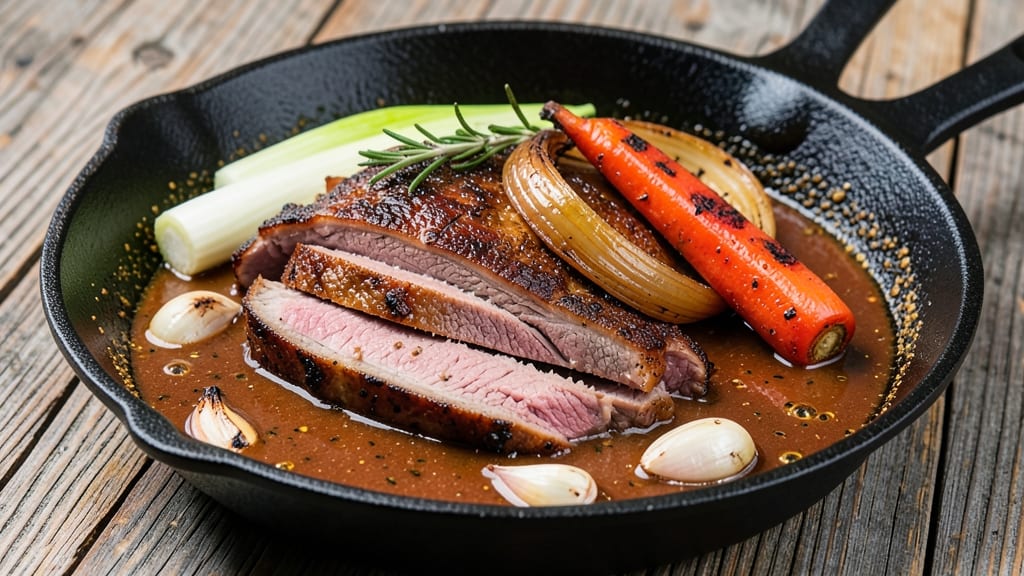
Grandma's beef brisket recipe delivers that unmistakable crispy bark and melt-in-your-mouth tenderness that makes every family gathering unforgettable. This isn't just a recipe—it's a tradition, passed down through generations with a few carefully guarded secrets that transform tough beef into a showstopping centerpiece.
The slow-simmered spice blend and patient cooking create layers of flavor that build all day, while the final high-heat sear locks in that coveted crust.
What sets this brisket apart is the balance between old-school techniques and modern convenience. We'll use a foolproof dry rub that penetrates the meat while developing deep, smoky notes, then cook it low and slow until it practically falls apart. The key to that crispy exterior?
A quick broil at the end that caramelizes the natural sugars without drying out the interior. This method works equally well in a traditional oven, slow cooker, or even an Instant Pot for those busy weeknights when you still want Sunday dinner quality.
By the time you're ready to serve, you'll have a brisket so tender it slices like butter, with a crispy bark that shatters at every bite. The aroma alone will have everyone gathering at the table—rich, savory, with just a hint of sweetness from the slow caramelization.
This is the kind of meal that disappears faster than you can plate seconds, leaving only empty plates and satisfied smiles behind.
Serve it with classic sides like creamy mashed potatoes, buttery cornbread, or tangy coleslaw to soak up every last bit of that flavorful juices. The leftovers? Even better the next day, making this the ultimate make-ahead meal for gatherings. Let's get started on creating your family's new favorite centerpiece.
Ingredients for grandma's beef brisket
Six ingredients for the dry rub, plus a handful of pantry staples to build that legendary brisket flavor.
| Ingredient | Amount | Notes |
|---|---|---|
| Beef Brisket 🥩 | 4 lb | Flat cut, 1-inch thick, trimmed of fat |
| Yellow Onion 🧅 | 1 whole | Sliced into 1/2-inch thick rounds |
| Carrot 🥕 | 2 whole | Cut into 1-inch chunks, peeled |
| Celery Stalks 🥬 | 3 whole | Cut into 1-inch pieces, strings removed |
| Garlic Cloves 🧄 | 6 cloves | Smashed, not minced |
| Beef Broth 💧 | 2 cups | Low-sodium preferred, homemade or quality store-bought |
| Apple Cider Vinegar 🍎 | ¼ cup | For tenderizing and depth |
| Brown Sugar 🍯 | ½ cup | Light or dark, packed |
| Smoked Paprika 🌶️ | 2 tbsp | High-quality for authentic smokiness |
| Ground Black Pepper 🌶️ | 1 ½ tbsp | Freshly cracked for intensity |
| Kosher Salt 🧂 | 2 tbsp | Diamond Crystal preferred |
| Dried Thyme 🌿 | 1 tbsp | Or 1 tbsp fresh thyme leaves |
| Bay Leaves 🌿 | 2 whole | Fresh preferred, removed before serving |
| Extra-Virgin Olive Oil 🫒 | 2 tbsp | For searing and basting |
| Mustard Seeds 🌶️ | 1 tsp | Yellow or brown, whole |
The brisket is the star—look for a flat cut with good marbling, not too lean. Costco or your local butcher shop are the best bets for quality. If you're buying whole, trim the fat to about 1/4-inch thickness to prevent flare-ups during cooking. The onions, carrots, and celery form the aromatic base—freshly cut makes all the difference, so don't skimp. For the spices, Penzeys or bulk bins at Whole Foods are worth the splurge, but the regular grocery store stuff works if it's recent. The key is toasting the spices lightly in a dry pan before mixing to wake up their flavors—trust me on this.
No smoked paprika? Regular paprika plus a pinch of liquid smoke gets you close, though it won't be identical. Short on apple cider vinegar? Balsamic vinegar works too, but reduce it first to concentrate the flavor. The mustard seeds are optional but add a subtle depth—skip them if you're in a hurry. For the broth, homemade is best, but Annie's or Pacific Foods are solid store-bought options. If you're using an Instant Pot, reduce the liquid by half to avoid a watery brisket. And whatever you do, don't substitute pre-made rubs—they're full of anti-caking agents that won't give you that same rich, layered flavor.
This brisket is a make-ahead masterpiece—the longer it sits, the better it gets. Wrap tightly in foil and refrigerate for up to 3 days before cooking, or freeze for 3 months for a true shortcut. Once cooked, it reheats beautifully—just cover with foil and warm in the oven at 300°F for 10-15 minutes. The leftovers? Even better the next day. I always make a double batch because it disappears faster than you can say 'seconds, please.' Store cooked brisket in its juices to keep it moist, and slice against the grain for those melt-in-your-mouth bites.
Why You'll Love This Recipe
- One-Pot Magic: I swear by this recipe because it’s all in one pot—no chopping boards, no extra pans, just the brisket, onions, carrots, and celery simmering together until tender. The veggies soften into the meat, so you’re not left with a sad pile of sides.
- Deep, Slow Love: The secret’s in the garlic and the time—this isn’t a quick sear, it’s a slow, rich build. That crispy exterior with melt-in-your-mouth beef? It’s the kind of flavor that lingers for days, and honestly, it’s worth the wait.
- Leftovers for Days: Between us, this recipe makes way more than I need for one meal. I freeze half for lazy Tuesdays or throw it into sandwiches when I’m in a rush. (Yes, even on a Tuesday night.)
- Budget Hero: Brisket is affordable, and this recipe stretches it far—no wasted scraps, no fancy cuts. Plus, the onions and carrots add bulk without breaking the bank. It’s my go-to when I need a hearty, filling meal that doesn’t cost a fortune.
Step-by-step instructions for Grandma's beef brisket
Here's the method that delivers tender brisket with a perfect crispy bark—just like Grandma used to make.
Prepare the Brisket and Sear for Depth
Begin by trimming the 4 lb beef brisket, removing any excess fat while leaving about ¼-inch on the fat cap. Pat the meat completely dry with paper towels—this ensures maximum crispiness later. In a large Dutch oven, heat the 2 tbsp extra-virgin olive oil over medium-high heat until shimmering. Place the brisket fat-side down and sear undisturbed for 8-10 minutes until deeply golden brown.
Flip the brisket and sear the other side for another 5-7 minutes. This initial searing creates a flavorful crust while tenderizing the meat. Remove the brisket and set it aside on a plate, fat-side up. Here's where it gets good—you'll notice the pan has rendered some fat and browned bits. Don't scrape them out; they're packed with flavor that will build the sauce.
Build the Flavor Base with Vegetables and Spices
In the same Dutch oven, add the sliced 1 whole yellow onion, 2 whole carrots cut into chunks, and 3 whole celery stalks cut into 1-inch pieces. Cook for 8-10 minutes, stirring occasionally, until the vegetables soften and begin to caramelize. Add the 6 smashed garlic cloves and cook for another 30 seconds until fragrant.
Now it's time for the spice blend. Stir in the 2 tbsp smoked paprika, 1.5 tbsp ground black pepper, 2 tbsp kosher salt, 1 tbsp dried thyme, and 1 tsp mustard seeds. Cook for 1 minute until the spices are toasted and aromatic. Pour in the 0.25 cup apple cider vinegar and scrape up any browned bits from the bottom of the pot—this is where all the flavor lives.
Simmer the Brisket Low and Slow
Return the brisket to the Dutch oven, fat-side up. Add the 2 cups beef broth, ensuring the brisket is mostly submerged. Bring to a gentle simmer, then cover and reduce heat to low. Here's the key—maintain a temperature between 300°F and 325°F for 3-4 hours. You'll know it's simmering properly when you see just a few bubbles breaking the surface.
After 3 hours, check the internal temperature using a meat thermometer. It should read around 195°F. If it's not there yet, continue cooking. The long simmer breaks down the connective tissue, transforming tough beef into melt-in-your-mouth tenderness. Add the 2 whole bay leaves during this time for subtle earthy notes.
Finish with Sweetness and Crisp the Bark
Once the brisket reaches 195°F, remove it from the pot and set it aside. Increase the heat to medium-high and sprinkle in the 0.5 cup brown sugar. Stir for 1-2 minutes until the sugar begins to caramelize. Pour the sauce over the brisket and return it to the pot, fat-side up.
Cover and cook for another 30 minutes. This final step creates that signature crispy bark while infusing the meat with sweet, caramelized flavors. The brisket is done when the internal temperature reaches 203°F and the bark is deep mahogany brown. Remove the brisket and let it rest for 15-20 minutes before slicing—this allows the juices to redistribute.
Pro Tips For Making Grandma'S Beef Brisket
- CHOP VEGETABLES UNIFORMLY: I learned this the hard way—jagged onion chunks and uneven carrots burn while the smaller pieces turn to mush. Cut all your yellow onion, celery, and carrots into ¼-inch dice. Yes, it takes 10 minutes extra, but they’ll cook evenly and build flavor instead of turning to sludge.
- SEAR THE BRISKET IN BATCHES: High heat. Seriously, crank it up. If you crowd the pan, the brisket will steam instead of develop that golden crust. Work in two batches—don’t rush, just let the first side get deep brown before flipping. Your future self will thank you when you slice into perfect sear lines.
- SKIP THE CROWDED POT: I used to pack my Dutch oven with too much liquid, and the brisket turned out soggy. Fill it only halfway with broth—just enough to come up about ⅓ of the way on the brisket. The veggies will release moisture, but you don’t want to drown it. Trust the process.
- USE WHOLE GARLIC CLOVES: Sounds weird, but it works: smash the garlic cloves with the flat side of your knife instead of mincing them. They’ll infuse the brisket with flavor without burning, and you won’t lose that aromatic punch to evaporation. Plus, you skip the mess of mincing.
Creative variations of this grandma's beef brisket
Smoky Instant Pot
For a quicker version, use your Instant Pot with the Pressure Cooker setting. Sear the brisket first in a skillet, then transfer it to the pot with all the vegetables and spices. Add 1 cup beef broth (half the amount) and cook on High Pressure for 90 minutes.
Release the pressure naturally, then finish with the brown sugar step on Sauté mode for 5 minutes. The result is tender, smoky brisket in under 2 hours—perfect for busy weeknights. 💪
Texas-Style Smoker
True Texas-style brisket calls for a wood-fired smoker at 225°F for 12-16 hours. Use oak or hickory wood for authentic smoke flavor. Apply a dry rub (same spices) before smoking, then wrap the brisket in butcher paper at 165°F to speed up cooking.
Finish with a broiler for 5-10 minutes to crisp the bark. This method delivers the most intense smoky depth but requires patience. 🌶️
Slow Oven Braise
For a hands-off approach, use your oven at 300°F. After searing, transfer the brisket to a Dutch oven with all ingredients and cook covered for 4-5 hours. The oven’s gentle heat mimics a smoker’s low-and-slow method, making this ideal for beginners.
Broil for 5 minutes at the end to crisp the bark. The result is tender, flavorful brisket with minimal effort. ✨
Spicy Cajun Twist
Boost the heat by adding 1 tbsp cayenne pepper and 1 tsp cayenne powder to the rub. Use Cajun seasoning (like Tony Chachere’s) instead of thyme for a bold, spicy kick.
Serve with cooling sides like creamy coleslaw or buttery cornbread to balance the heat. This version is a crowd-pleaser at summer BBQs. 🌶️
Sweet BBQ Glaze
Swap the brown sugar finish for a homemade BBQ glaze. Mix ½ cup ketchup, ¼ cup apple cider vinegar, 2 tbsp brown sugar, and 1 tbsp smoked paprika.
Brush it on the brisket during the last 30 minutes of cooking. This adds a tangy-sweet contrast that pairs perfectly with classic sides. 🍯
Herb-Infused Version
Swap thyme for 1 tbsp rosemary and 1 tbsp oregano for a Mediterranean twist. Add 1 sliced lemon to the pot during cooking for brightness. The herbs add an aromatic depth that complements the beef beautifully. Serve with garlic bread or a Greek salad for a fusion-inspired meal. 🌿
Nutrition facts
Frequently asked questions
What’s the secret to getting that perfect crispy bark on brisket?
The key is searing the brisket well before slow-cooking and finishing with a touch of brown sugar. Pat the meat completely dry first to ensure maximum crispiness, then sear it in hot oil until deeply golden. The final 30-minute broil with brown sugar locks in that signature bark while keeping the inside tender.
Can I make this brisket ahead of time?
This brisket tastes even better the next day. Cook it ahead, wrap tightly in foil, and refrigerate for up to 3 days or freeze for 3 months. Reheat gently in the oven at 300°F for 10-15 minutes to restore moisture and warmth. The flavors deepen with time, making it perfect for meal prep.
What’s the best way to slice brisket for serving?
Slice against the grain for maximum tenderness—this shortens the muscle fibers so each bite melts in your mouth. Use a sharp knife and cut ¼-inch thick slices. For extra presentation, arrange the slices in a fan shape on the platter to show off the crispy bark.
How do I adjust the recipe for a smaller or larger brisket?
For every 1 lb of brisket, plan for 1 cup of liquid (broth + vinegar) and 1 tbsp of brown sugar in the final step. If cooking a 2 lb brisket, reduce the cooking time by 30-60 minutes since it’ll cook faster. Always adjust the rub proportionally to maintain flavor balance.
What sides pair best with this brisket?
Classic choices include creamy mashed potatoes, buttery cornbread, tangy coleslaw, or roasted potatoes. For a Southern twist, add pickled okra or baked beans. The brisket’s rich flavors shine alongside anything starchy or fresh—just avoid overly acidic sides that might compete with the dish.