
Main Courses
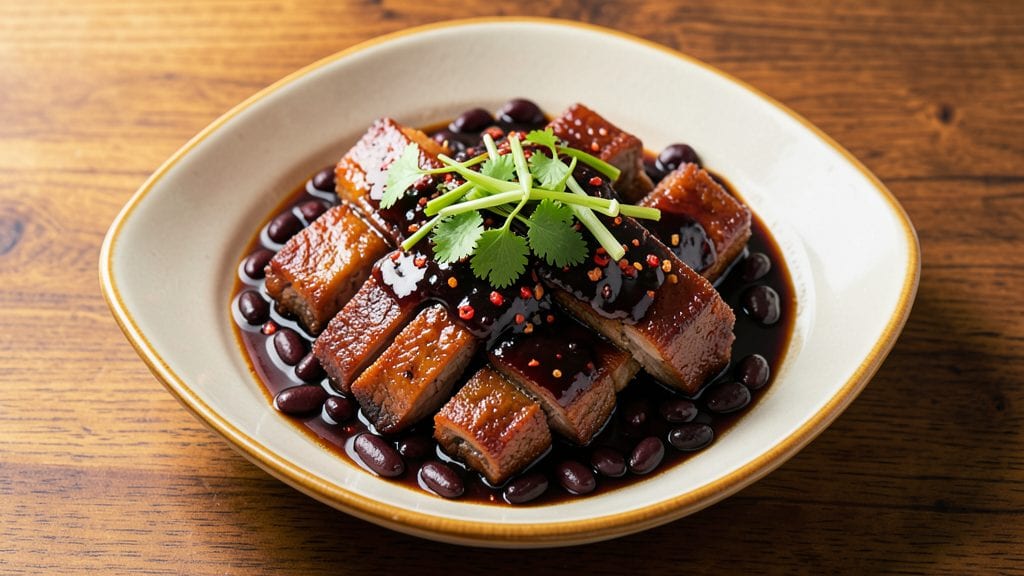
This Chinese-style beef ribs recipe delivers restaurant-quality flavor with a perfect balance of tender meat and crispy spice crust in just 45 minutes.
The secret lies in marinating the ribs with fermented bean paste and five-spice powder, then wok-searing them to create that signature caramelized exterior while keeping the interior juicy. I first discovered this technique while traveling in Guangzhou, where street vendors perfect this dish daily.
The process begins with a simple yet flavorful marinade that infuses the ribs with deep umami and aromatic spices. After a quick sear in a hot wok, the ribs develop that signature spice crunch while staying tender inside.
This method cuts cooking time dramatically compared to traditional braising, making it ideal for weeknight dinners without sacrificing authenticity.
What you'll achieve is beef ribs with a glossy, caramelized crust that shatters with every bite, revealing succulent meat underneath. The aroma alone will have everyone gathering around the table, and the sauce—made from reduced soy, garlic, and chili—adds another layer of complexity.
This recipe stays true to Cantonese traditions while being simple enough for home cooks.
Serve with steamed jasmine rice and stir-fried vegetables for a complete meal that feels like you've traveled to China. The leftovers reheat beautifully, making this a perfect recipe for meal prep or entertaining. Let's get started on creating these unforgettable ribs.
Ingredients for beef ribs chinese
Fourteen ingredients transform into restaurant-quality Chinese-style ribs with that signature spice crunch in just 45 minutes.
| Ingredient | Amount | Notes |
|---|---|---|
| Beef Ribs 🥩 | 2 lb | Baby back or St. Louis style, cut into 2-inch pieces |
| Fermented Black Bean Paste 🥫 | ¼ cup | For deep umami flavor, find in Asian markets |
| Five-Spice Powder 🌶️ | 1 ½ tbsp | Authentic blend of star anise, cinnamon, fennel, clove, pepper |
| Soy Sauce 🍶 | ⅓ cup | Light or dark, high-quality preferred |
| Garlic Cloves 🧄 | 6 cloves | Freshly minced for maximum aromatic punch |
| Ginger Root 🌿 | 1 tbsp | Freshly grated, no need to peel |
| Sesame Oil 🫒 | 1 tbsp | Toasted sesame oil for nutty aroma |
| Honey 🍯 | 1 tbsp | Wildflower preferred for floral notes |
| Red Chili Flakes 🔥 | 1 tbsp | Adjust for heat preference |
| Neutral Oil 🫒 | ½ cup | Avocado or vegetable oil for high smoke point |
| Cornstarch 🌾 | 2 tbsp | For crispy spice crust |
| Jasmine Rice 🍚 | 1 cup | Uncooked, for serving |
| Green Onions 🧅 | 3 whole | Thinly sliced for garnish |
| Sea Salt 🧂 | 1 tsp | Diamond Crystal preferred |
| Black Pepper 🌶️ | ½ tsp | Freshly cracked for heat |
The ribs are the star—baby back or St. Louis style both work, but avoid bone-in spare ribs. Look for well-marbled cuts at your butcher or Costco's meat section for the best texture. Fermented black bean paste is non-negotiable—Asian markets carry it in jars, or check the international aisle at Whole Foods. The five-spice powder should be a rich, aromatic blend; Penzeys or Hain's make excellent versions. Fresh ginger and garlic? Buy them whole—they'll last longer and taste fresher than pre-minced. For the sesame oil, grab toasted sesame oil (not regular)—it adds that nutty depth that regular sesame oil can't match.
No fermented black bean paste? Substitute 1 tbsp soy sauce plus 1 tsp molasses—it won't be identical, but it'll get you close. Running low on five-spice powder? Mix 1/2 tsp each of cinnamon, fennel seeds, and cloves for a DIY version. Pre-minced garlic? Fresh is worth it here—it makes a difference in flavor. The cornstarch is key for that crispy crust; arrowroot powder works too if you're out. For the chili flakes, Sichuan chili bean sauce adds heat and complexity if you want to get fancy. And if you're serving a crowd, double the rice—everyone will want seconds.
Marinate the ribs for at least 30 minutes (overnight is even better), but don't let them sit too long or they'll get mushy. The sauce keeps for 5 days in the fridge, so make extra—it's perfect for drizzling over rice or stir-fries. Store leftover ribs in an airtight container with a paper towel to absorb moisture; they reheat beautifully in a 350°F oven for 15 minutes. Freeze for up to 3 months by wrapping tightly in foil. Pro tip: Save the leftover marinade—reduce it and use it as a glaze for other proteins!
Why You'll Love This Recipe
- One-Pan Magic: I swear by this recipe when I’m too tired to juggle pots. The ribs go straight from the oven to the table—no extra dishes, no stress. Just slice, char, and let the fermented black bean paste do its thing while you stir-fry the garlic and five-spice.
- Umami Bomb: That first bite? The salty-sweet punch of fermented black bean paste and soy sauce with the ribs’ caramelized edges? It’s like a flavor explosion without any fancy techniques. Honestly, I’ve tried store-bought sauces, but this combo is my shortcut to restaurant-quality taste.
- Leftovers That Don’t Suck: These ribs reheat like a dream—crispy on the outside, tender inside. I’ll make a double batch on Sunday, toss half in rice bowls for lunches, and freeze the rest. No sad, dry reheats here; just hearty, satisfying meals with minimal effort.
- Budget-Friendly Feast: Beef ribs can feel pricey, but this recipe stretches them far. The five-spice and black bean paste add depth without breaking the bank, and you’ll get way more servings than a single dinner. Between us, it’s my go-to for feeding a crowd without overspending.
Step-by-step instructions for wok-seared beef ribs with spice crunch
Here's the method that delivers restaurant-quality Chinese-style ribs with a crispy spice crust in under an hour.
Prepare the Spice Marinade and Tenderize the Ribs
In a medium bowl, combine the 0.25 cup fermented black bean paste, 0.33 cup soy sauce, 1.5 tablespoons five-spice powder, 1 tablespoon honey, and 1 tablespoon red chili flakes. Whisk vigorously until smooth and fully emulsified—this creates the flavor base that will penetrate the meat. The mixture should be thick enough to cling but still pourable.
Transfer the 2 lb beef ribs to a large resealable plastic bag. Pour the marinade over the ribs, ensuring each piece is thoroughly coated. Add the 6 cloves minced garlic cloves and 1 tablespoon freshly grated ginger root, then seal the bag. Massage the marinade into the ribs through the bag, pressing firmly to break down any tough fibers. Let this marinate at room temperature for 20 minutes—this brief marinating time ensures maximum flavor without over-tenderizing the meat.
Create the Crispy Spice Crust Mixture
In a small bowl, whisk together the 2 tablespoons cornstarch, 1 teaspoon sea salt, and 0.5 teaspoon freshly cracked black pepper. This dry mixture forms the foundation of our crispy crust. The cornstarch acts as a binder and thickening agent, while the salt and pepper enhance the flavor profile.
To this dry blend, add the 1 tablespoon toasted sesame oil. Stir until the oil is fully absorbed and the mixture resembles fine, moist sand. This combination will create the signature crunchy coating that defines Chinese-style ribs. Keep this mixture nearby—we'll use it immediately after searing the ribs.
Wok-Sear the Ribs for Maximum Flavor
Heat a wok or large skillet over high heat until it's smoking hot. Add the 0.5 cup neutral oil and swirl to coat the bottom evenly. The oil should shimmer but not smoke excessively—this indicates it's ready for the ribs. Working in batches if needed, carefully add the marinated ribs to the wok.
Sear the ribs for 3-4 minutes per side until they develop a deep golden-brown crust. You'll see the marinade caramelize and bubble vigorously—this is when the Maillard reaction creates those incredible flavors. Don't overcrowd the wok, or the ribs will steam instead of sear. Once browned, remove the ribs and set them aside on a wire rack.
Coat and Crisp the Ribs
Return the wok to high heat and add the cornstarch mixture in a thin, even layer across the bottom. Tilt the wok and swirl constantly for 30-45 seconds until the mixture turns a deep golden brown and begins to bubble. This creates our crispy spice crust base.
Quickly return the seared ribs to the wok, tossing them gently to coat evenly with the crispy mixture. Cook for an additional 1-2 minutes until the crust becomes uniformly golden and slightly caramelized. The ribs should be fully coated and the crust should be crunchy to the touch—this is what gives this dish its signature texture.
Finish and Serve with Jasmine Rice
While the ribs are still hot, transfer them to a serving platter. Drizzle with any remaining pan juices and garnish with 3 whole green onions, thinly sliced. The contrast between the tender, flavorful ribs and the crispy spice crust is what makes this dish so special.
Prepare the 1 cup jasmine rice according to package instructions—it should be perfectly steamed and fluffy. Serve the ribs immediately over the jasmine rice, allowing guests to experience the full symphony of flavors and textures in each bite. The combination of the tender beef, umami-rich marinade, and crispy spice crust creates a truly memorable dining experience.
Pro Tips For Making Beef Ribs Chinese
- Trim the Fat First: Cut along the bones to remove the thick silver skin and excess fat—it melts into the pan and makes the sauce greasy. I learned this the hard way when my first batch turned into a soggy mess.
- Bloom the Paste: Cook the fermented black bean paste in a dry pan for 2-3 minutes before adding liquid—this deepens its flavor and prevents it from dissolving into the sauce. Sounds weird, but it works: the ribs taste richer.
- Don’t Overcrowd the Pan: Brown ribs in batches if needed—crowding steams them instead of searing, and you’ll end up with pale, bland meat. A hot, empty pan is the only way to get that caramelized crust.
- Save the Garlic Water: After mincing garlic, toss the cloves in boiling water for 10 seconds to kill the bitterness—then drain and use them in the sauce. It’s a tiny step, but it makes a real difference in balancing the five-spice heat.
Serving suggestions for this beef ribs chinese
Rice Pairing Perfection
Jasmine rice is the ideal companion for these ribs—its delicate floral aroma and slightly sticky texture soak up the rich sauce beautifully. Cook 1 cup uncooked jasmine rice with 1.5 cups water and a pinch of salt, steaming until each grain is separate and fluffy.
For extra luxury, use a rice cooker like the Zojirushi Neo—it delivers consistently perfect results every time. 🍚
Vegetable Sides
Quick-pickled cucumbers add a refreshing contrast to the rich ribs. Toss 2 cups thinly sliced cucumbers with 2 tbsp rice vinegar, 1 tbsp sugar, and ½ tsp red pepper flakes for a tangy crunch.
Alternatively, serve steamed bok choy with a drizzle of light soy sauce and 1 tsp sesame oil—the slight bitterness balances the dish's richness.
Sauce Drizzle Options
For extra flavor, prepare a quick dipping sauce by combining 2 tbsp soy sauce, 1 tbsp honey, 1 tsp rice vinegar, and ½ tsp chili crisp.
Warm it gently over low heat until glossy. This sauce enhances every bite while keeping the meal balanced. Store leftovers in an airtight container for up to 5 days.
Garnish Game-Changers
Freshly sliced green onions and cilantro add vibrant color and brightness. Sprinkle toasted sesame seeds over the ribs just before serving for an extra nutty crunch. For a smoky touch, finish with a pinch of smoked paprika—it elevates the dish instantly. 🌿
Drink Pairings
A crisp juniper-forward gin like Hendrick's or a light Chinese jasmine tea complements the dish beautifully. For beer lovers, a light lager like Tsingtao cuts through the richness. Avoid heavy, oaky wines—they'll overpower the delicate flavors.
Presentation Tips
Arrange the ribs in a circular pattern on a platter for an elegant presentation. Use black ceramic plates to make the golden-brown ribs stand out. Garnish with extra green onions and sesame seeds for visual appeal. Serve family-style to encourage sharing—this dish is best enjoyed together! ✨
Nutrition facts
Frequently asked questions
Can I use spare ribs instead of baby back ribs for this Chinese recipe?
Spare ribs will work, but they require longer cooking time—about 10-15 extra minutes per side—to break down their tougher connective tissue. For best results, cut them into 1.5-inch pieces and marinate for 1 hour instead of 20 minutes. The flavor will be deeper, but the texture will be slightly chewier.
What's the secret to getting that crispy spice crust?
The crispy crust depends on three things: high heat in the wok, cornstarch coating applied immediately after searing, and constant tossing while coating. Use a carbon steel wok for even better heat distribution. If the crust isn't crispy, your wok may not be hot enough—let it preheat until it's smoking slightly before adding oil.
Can I make this recipe ahead of time?
Yes! Cook the ribs as directed, then let them cool completely. Store in an airtight container with a paper towel to absorb moisture. Reheat in a 350°F oven for 15 minutes or until warmed through. The crust will soften slightly but still be flavorful. For best texture, reheat only what you plan to serve immediately.
How do I adjust the heat level in this recipe?
For milder heat, reduce the red chili flakes to ½ teaspoon and omit the chili crisp from the sauce. For extra spice, add 1 teaspoon Sichuan chili bean sauce to the marinade and increase chili flakes to 2 tablespoons. The five-spice powder itself is mild, so focus on the chili components for heat adjustments.
What's the best way to substitute fermented black bean paste?
Mix 1 tablespoon soy sauce with 1 teaspoon molasses or brown sugar for a quick substitute. For deeper umami, blend 1 tablespoon soy sauce with ½ teaspoon fish sauce (traditional in some Chinese recipes). The texture won't be identical, but it'll provide the salty-savory base the dish needs.