
Main Courses
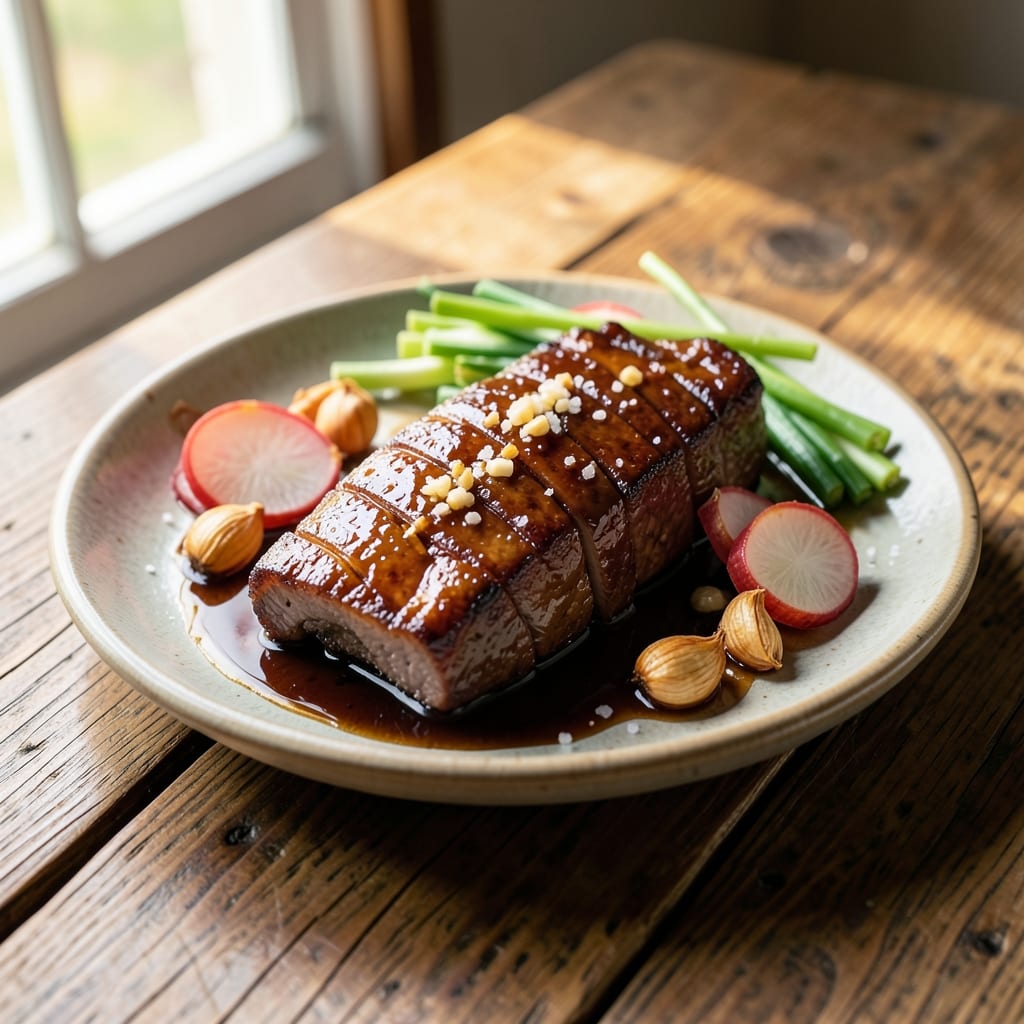
This Asian beef tongue recipe transforms a humble cut into a luxurious centerpiece with a velvety texture and glossy soy caramel finish. After years of perfecting the technique—balancing tenderizing marinades with slow cooking—I’ve developed a method that delivers restaurant-quality results at home, whether you’re serving it sliced thin for banchan or as a showstopping main dish. The key lies in the marinade’s acidity and the controlled braising process, which breaks down collagen without drying out the meat.
The recipe begins with a foolproof marinade of soy sauce, rice wine, and aromatics that tenderizes the tough cut while infusing deep umami flavor. Unlike quick stir-fry methods, this dish relies on low-and-slow cooking—about 2.5 hours—to achieve that signature melt-in-your-mouth tenderness. The final step, a quick sear in a hot pan, creates the caramelized gloss that elevates it from simple to extraordinary. This approach works for both Korean-style sundae (braised beef tongue) and Thai-inspired stir-fry variations.
What you’ll end up with is a dish that’s rich yet balanced, with a texture so silky it practically melts on the tongue and a flavor profile that’s savory, slightly sweet, and deeply aromatic. The soy caramel glaze adds a sticky-sweet contrast that makes every bite irresistible. Serve it sliced over rice with pickled vegetables, or pair it with miso soup and steamed greens for a complete meal. The best part? Leftovers reheat beautifully, making this a perfect recipe for meal prep or entertaining.
Whether you’re exploring traditional Asian techniques or adapting them for modern kitchens, this method ensures restaurant-quality results without requiring specialized equipment. The secret is patience—letting the collagen render slowly while maintaining moisture—and the payoff is a dish that feels both comforting and impressive. Ready to master this technique? Let’s get started.
Ingredients for asian beef tongue
Restaurant-quality Asian beef tongue relies on these carefully selected ingredients for velvety texture and deep umami flavor.
| Ingredient | Amount | Notes |
|---|---|---|
| Beef Tongue 🥩 | 2 lb | Whole, cleaned and trimmed |
| Kosher Soy Sauce 🍶 | ½ cup | High-quality, low-sodium preferred |
| Rice Wine 🍶 | ¼ cup | Dry, preferably Shaoxing wine |
| Brown Sugar 🍚 | ¼ cup | Packed, light or dark |
| Garlic Cloves 🧄 | 6 cloves | Whole, peeled and smashed |
| Fresh Ginger 🌿 | ½ inch | Thinly sliced, peeled |
| Sesame Oil 🫒 | 1 tbsp | Toasted, for finishing |
| Asian Pearl Onions 🧅 | 2 whole | Quartered, peeled |
| Green Onions 🧅 | 4 whole | White and green parts separated |
| Low-Sodium Soy Sauce 🍶 | 2 tbsp | For finishing glaze |
| Honey 🍯 | 1 tbsp | For caramelized glaze |
| Vegetable Oil 🫒 | 2 tbsp | High smoke point for searing |
| Diamond Crystal Kosher Salt 🧂 | 1 tsp | For seasoning |
| Ground Black Pepper 🌶️ | ½ tsp | Freshly cracked |
| Star Anise Pods 🌟 | 2 whole | Optional, for aroma |
The beef tongue is the star—look for fresh, firm cuts with minimal odor from reputable butchers or Asian markets like H Mart or 99 Ranch. A 2-pound tongue serves four generously. Rinse thoroughly under cold water to remove any surface impurities, then score the surface lightly with a knife to help the marinade penetrate. For the soy sauce, Kikkoman or Pearl River Bridge brands deliver consistent quality, while Shaoxing wine from specialty stores adds authentic depth. Brown sugar should be packed tightly—Domino or C&H work perfectly. Fresh ginger and garlic are non-negotiable; their pungency cuts through the richness of the tongue.
No Shaoxing wine? Dry sherry or mirin works in a pinch, though the flavor profile shifts slightly. Substitute brown sugar with white sugar plus 1 tsp molasses for similar caramelization. For the onions, frozen pearl onions thawed and drained work fine, though fresh have better texture. The star anise is optional but adds a subtle licorice note—Penzeys Spices sells high-quality whole pods. When prepping the tongue, score it in a crosshatch pattern to ensure even cooking. For the glaze, raw honey creates a smoother finish than processed varieties, but any honey will work in a bind.
Marinated tongue keeps 3-4 days in the fridge, fully submerged in its marinade. For long-term storage, freeze the raw tongue in its marinade for up to 6 months—thaw overnight in the fridge before cooking. The finished dish reheats beautifully; steam or warm in a skillet with a splash of water to restore moisture. Portion into individual servings for easy meal prep. The caramelized glaze thickens upon reheating, so add a drop of water if needed. Store leftovers covered in the fridge for 4-5 days or freeze for 3 months, though texture softens slightly after freezing.
Why You'll Love This Recipe
- One-Pot Magic: I swear by this recipe because it’s all in one pot—simmer the tongue with garlic, soy, and wine, then finish with brown sugar until it’s sticky and caramelized. No chopping, no fuss, just hands-off flavor-building while you do whatever else needs doing.
- Umami Bomb: That beef tongue? It’s like a meaty, gelatinous treasure chest of flavor, especially after hours in the sauce. The soy and rice wine cut through the richness while the brown sugar adds this perfect balance—salty, sweet, and deeply satisfying in one bite.
- Weeknight Workhorse: I make this when I’m feeding a crowd or just need something hearty for lunch all week. Slice it cold on rice for bento boxes, toss it into fried rice, or serve it warm with pickles—it’s adaptable without trying too hard.
- Budget Flex: Beef tongue is way cheaper than steak but packs just as much punch. A single cut feeds four, and leftovers reheat beautifully—either crisped in a pan or tossed into noodles. Honestly, it’s my go-to when I want to impress without breaking the bank.
Step-by-step instructions for Asian beef tongue
Transform tough beef tongue into silken perfection with this precise braising method.
Prepare the Beef Tongue for Cooking
Begin by thoroughly cleaning the 2 lb beef tongue under cold running water, removing any surface membranes with a sharp knife. This step ensures proper flavor penetration and texture transformation. Score the surface lightly in a crosshatch pattern—about ¼-inch deep—to help the marinade and braising liquid infuse more deeply.
In a large bowl, combine the 0.5 cup kosher soy sauce, 0.25 cup rice wine, 0.25 cup packed brown sugar, 1 tsp diamond crystal kosher salt, 0.5 tsp ground black pepper, and the 2 whole star anise pods. Add the prepared beef tongue and turn to coat completely. Let it marinate at room temperature for 30 minutes, then refrigerate for at least 2 hours or up to overnight. This extended marination breaks down collagen and develops deep umami flavor.
Sear the Tongue for Depth of Flavor
Heat 2 tablespoons vegetable oil in a heavy Dutch oven over medium-high heat until shimmering. Remove the beef tongue from the marinade (reserve the marinade) and pat dry with paper towels. Sear the tongue on all sides for 3-4 minutes per side until developing a deep mahogany crust. The searing creates a flavorful barrier that prevents moisture loss during braising.
After searing, return the tongue to the Dutch oven and add the reserved marinade along with the 6 smashed garlic cloves and 0.5-inch sliced fresh ginger. Bring to a simmer over medium heat, then reduce heat to low. The liquid should just bubble gently—this prevents toughening the collagen.
Braise Until Fork-Tender
Cover the Dutch oven and transfer to a preheated 300°F oven. Braise for 3 hours, then increase temperature to 325°F and continue cooking for another 2-3 hours until the tongue is fork-tender. You'll know it's ready when a knife slides in easily with no resistance and the internal temperature reaches 195-200°F.
During the final hour, check the liquid level occasionally and add hot water if it drops below halfway up the tongue. This prevents drying and maintains consistent moisture for silky texture. The star anise pods will infuse subtle anise notes—remove them before serving if you prefer a cleaner flavor profile.
Create the Glossy Caramelized Sauce
Once the beef tongue is fully braised, remove it from the pot and let it rest on a cutting board for 15 minutes. Place the Dutch oven over medium heat and add the 2 whole quartered Asian pearl onions. Sauté for 5 minutes until lightly caramelized, then add the white parts of the 4 separated green onions and cook for another 2 minutes.
In a small bowl, whisk together the 2 tablespoons low-sodium soy sauce, 1 tablespoon honey, and 1 tablespoon toasted sesame oil. Pour this mixture into the Dutch oven and simmer for 3-4 minutes until slightly thickened. The honey creates a beautiful glossy finish while balancing the soy's saltiness.
Finish and Serve
Slice the rested beef tongue into ½-inch thick slices against the grain for maximum tenderness. Arrange the slices on a platter and spoon the caramelized onion sauce over the top. Garnish with the green parts of the green onions for fresh contrast and a final drizzle of sesame oil.
Serve immediately with steamed jasmine rice to soak up the rich sauce. Each bite should reveal silky, melt-in-your-mouth texture with layers of soy-caramelized flavor and subtle anise aroma. The pearl onions add sweet crunch while the green onions provide bright freshness to cut through the richness.
Pro Tips For Making Asian Beef Tongue
- Parboil First, Simmer Slow: The tongue’s tough—don’t rush it. Start with a rolling boil for 10 minutes to loosen the skin, then drop the heat to a gentle simmer. I learned this the hard way: skipping the boil means fighting for tenderness later, and no one wants to chew beef tongue like leather.
- Slice Skin Side Down: Before braising, slice the tongue skin-side down in the pan. The skin crisps up first, locking in moisture and giving that glossy, caramelized finish. Sounds weird, but it works: the skin becomes a flavor shield, not a chewy afterthought.
- Deglaze with Rice Wine: Don’t just dump the wine in—let it reduce first. After searing the garlic and sugar, splash in the rice wine and let it bubble for 30 seconds before adding soy sauce. This concentrates the flavor instead of diluting it, which is crucial for balancing the sweet-savory balance.
- Save the Braising Liquid: Strain and reserve the braising liquid after cooking. It’s liquid gold—use it for rice, noodles, or even a quick glaze for veggies. I skip this step sometimes, but the dish is noticeably better when I don’t. The depth of flavor in the sauce is what turns a good braise into a showstopper.
Serving suggestions for this dish
Korean-Style Banchan
Slice the beef tongue into ¼-inch thick pieces against the grain and serve as banchan (Korean side dish) alongside kimchi and steamed rice. The silky texture pairs perfectly with the tangy crunch of H Mart’s spicy kimchi or Mae Ploy’s sweet kimchi for balance. Garnish with sesame seeds and a drizzle of toasted sesame oil to enhance the umami. 🌟
Thai-Inspired Platter
For a Thai-inspired twist, serve the beef tongue with sticky rice and pickled vegetables like daikon and carrot. Add a side of Thai cucumber salad (tossed with fish sauce, lime juice, and chili flakes) to cut through the richness. The sweet-savory glaze complements the dish beautifully, and the green onions add a fresh herbal note. ✨
Japanese Shabu-Shabu
Transform the beef tongue into a shabu-shabu dish by slicing it into thin strips and serving with pond broth and dipping sauces like ponzu or soy-based tare. Arrange the slices on a steaming pot with napa cabbage, shitake mushrooms, and tofu for a communal dining experience. The caramelized glaze adds depth to the broth-based meal. 🔥
Western-Inspired Sandwich
For a fusion approach, layer the beef tongue on sourdough bread with sharp cheddar, caramelized onions, and arugula. Drizzle with honey-mustard and toast until crispy. This sandwich makes a hearty lunch or appetizer, blending Asian flavors with Western comfort food. 🥪
Garnish & Presentation
Elevate the dish with edible flowers (like nasturtiums or borage) for color and a sprinkle of flaky salt for contrast. Serve on a slate board with pickled radishes and steamed bok choy for a visually stunning spread. The glossy caramelized sauce makes it perfect for special occasions. 💫
Meal Prep & Leftovers
Store leftovers in an airtight container with a splash of broth or water to keep them moist. Reheat in a skillet with a splash of water or steam for 5-10 minutes to restore tenderness. Serve cold sliced tongue in lettuce wraps or on toast for a quick meal. The flavor deepens overnight, making leftovers even more delicious. 💡
Nutrition facts
Frequently asked questions
How do I find fresh beef tongue for this recipe?
Look for beef tongue at specialty Asian markets like H Mart or 99 Ranch, or order online from butchers or suppliers like Snake River Farms. Choose a 2-pound whole tongue that's firm to the touch with minimal odor. If unavailable, frozen beef tongue works too—thaw it overnight in the fridge before marinating.
Can I make this recipe without Shaoxing wine?
Yes! Substitute with dry sherry or mirin in equal amounts. For a non-alcoholic version, use apple cider vinegar or rice vinegar mixed with a touch of sugar to mimic the depth. The flavor will shift slightly but still deliver delicious results.
Why does the recipe call for such a long braising time?
The 5-hour braising process is essential to transform tough beef tongue into silky perfection. This slow cooking breaks down collagen naturally, creating that signature melt-in-your-mouth texture. Rushing it risks dryness or toughness—patience pays off with restaurant-quality results!
How do I store and reheat leftovers?
Keep leftovers in an airtight container with a splash of broth or water to maintain moisture. Reheat gently in a skillet with a splash of water or steam for 5-10 minutes until warmed through. For cold meals, slice thinly and serve in lettuce wraps or on toast.
What's the best way to slice beef tongue for serving?
Always slice against the grain into ½-inch thick pieces for maximum tenderness. For banchan, cut into ¼-inch slices. Use a sharp knife and work carefully—the texture should be silky, not fibrous. A hot knife prevents sticking and makes clean cuts.