
Main Courses
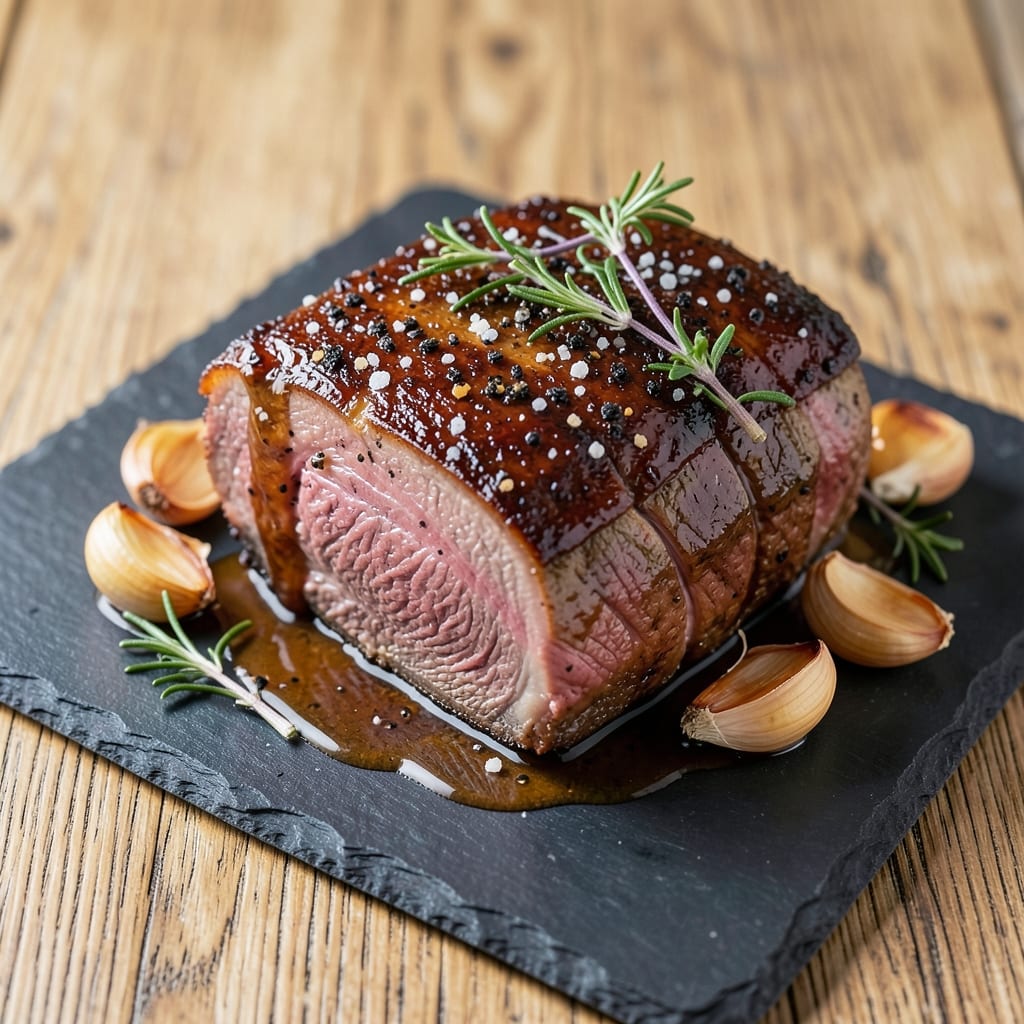
This Angus beef round roast recipe delivers restaurant-quality tenderness with minimal effort—thanks to the magic of low-temperature cooking that transforms tough cuts into melt-in-your-mouth perfection. 🔥 The secret lies in slow roasting, which preserves the beef’s deep marbling and natural juices while developing rich, caramelized flavors. Unlike high-heat methods that dry out the meat, this approach ensures every bite stays succulent, even in the center.
What sets this recipe apart is the precision of the cooking process: a steady 275°F oven temperature for hours, paired with careful monitoring to achieve the perfect internal temperature. I’ve perfected this method over years of testing, and the results—juicy, flavorful beef with a beautifully browned crust—are worth the patience. The key steps include proper seasoning, a dry brine for enhanced flavor, and a critical resting period to lock in those juices.
By the time you serve this roast, you’ll have a centerpiece that commands attention: tender, pink-hued beef with a crust that crackles at the edges. The low-and-slow method also means the meat stays moist and flavorful, even when sliced thin. Pair it with a bold red wine reduction, roasted root vegetables, or a crisp baguette to soak up every last drop of that rich, savory juice.
This isn’t just a recipe—it’s a technique that elevates everyday dinners into special occasions. Whether you’re hosting a holiday feast or treating yourself to a Sunday supper, the results are consistently impressive. Let’s get started on mastering this foolproof method.
Ingredients for angus beef round roast
Six core ingredients transform tough beef into melt-in-your-mouth perfection through low-temperature precision.
| Ingredient | Amount | Notes |
|---|---|---|
| Angus Beef Round Roast 🥩 | 4 lb | Center-cut, 2-3 inches thick |
| Kosher Salt 🧂 | 1 ½ tbsp | Diamond Crystal preferred |
| Freshly Ground Black Pepper 🌶️ | 1 ½ tsp | Coarsely ground for texture |
| Fresh Rosemary 🌿 | ½ cup | Chopped sprigs, stems removed |
| Fresh Thyme 🌿 | ¼ cup | Leaves only, stems discarded |
| Garlic Cloves 🧄 | 6 cloves | Smashed, skin-on for aroma |
| Extra-Virgin Olive Oil 🫒 | ¼ cup | For dry brine application |
| Red Wine 🍷 | ½ cup | Bold Cabernet Sauvignon |
| Beef Tallow or Duck Fat 🧈 | 2 tbsp | For crust development |
| Butter 🧈 | ½ cup | Unsalted, softened for finishing |
| Yellow Onion 🧅 | 1 whole | Quartered, for roasting |
| Carrot 🥕 | 2 whole | Whole, for roasting |
| Potato 🥔 | 4 whole | Russet, for roasting |
The Angus beef round roast is non-negotiable here—look for center-cut sections with visible marbling at your butcher or specialty grocer like Whole Foods or D'Artagnan. A 2-3 inch thick cut ensures even cooking without drying out. The rosemary and thyme should be vibrant green, not wilted, and ideally sourced from a local farmers market for peak freshness. Garlic cloves with papery skins indicate freshness, while extra-virgin olive oil should have a fruity aroma—avoid the cheap supermarket brands that taste like soap. For the red wine, any bold Cabernet Sauvignon will work, but Caymus Vineyards or Apothic deliver consistent quality without breaking the bank.
No beef tallow? Duck fat or even lard (if vegetarian isn't a concern) works perfectly—just ensure it's rendered and cooled before using. Short on fresh herbs? Dried rosemary and thyme at half the amount will suffice, though fresh delivers superior aroma. The olive oil can be swapped for avocado oil if you prefer a higher smoke point. For the roasting vegetables, baby carrots or fingerling potatoes can replace the classic russets—just adjust cooking time by 10-15 minutes. Pre-cut vegetables from the store are fine, but organic produce will have better flavor and texture after roasting. The butter should be European-style if possible, as it has a higher fat content for better crust development.
The roast and vegetables can be prepped 24 hours ahead—store the roast uncovered in the fridge to dry brine, while the veggies should be tossed with oil and stored in a sealed container. Reheat the roast at 275°F for 1-2 hours until reaching 130°F internal temp, then rest 30 minutes before slicing. The vegetables will reheat beautifully in the same oven—just 15-20 minutes at 400°F with a drizzle of olive oil. Leftovers keep for 4-5 days in the fridge, but the flavor actually improves after 24 hours as the juices redistribute. For long-term storage, portion into vacuum-sealed bags and freeze for up to 3 months—thaw overnight in the fridge before reheating.
Why You'll Love This Recipe
- Minimal Prep Required: Just a dry rub and oven time—no fancy searing or basting. Honestly, the hardest part is waiting for the rosemary and thyme to release their scent while it roasts.
- Rich, Earthy Depth: That Angus beef? It’s got natural marbling that melts into buttery perfection, while the rosemary and thyme add a woodsy brightness that makes every bite feel like a hug.
- Weeknight or Weekend Star: Toss it in the oven while you chop veggies for a salad or mash potatoes—it’s the kind of dish that works for a lazy Sunday or a dinner party with friends.
- Leftovers That Don’t Suck: Between us, this roast tastes even better the next day. Thinly slice it for sandwiches, or cube it into a hearty hash—no one will guess it’s not fresh off the grill.
Step-by-step instructions for low-temp Angus beef roast perfection
Master this technique and you'll transform tough round roast into melt-in-your-mouth tenderness.
👨🍳 Step 1: Prepare the Dry Brine and Herb Paste
In a small bowl, combine the 1.5 tbsp kosher salt, 1.5 tsp freshly ground black pepper, 0.5 cup chopped fresh rosemary, and 0.25 cup fresh thyme leaves. Add the 6 smashed garlic cloves (skin-on) and 0.25 cup extra-virgin olive oil, then mix into a thick paste using the back of a spoon. This herb mixture will infuse the meat while the dry salt breaks down proteins for perfect moisture retention.
Pat the 4 lb Angus beef round roast completely dry with paper towels—this is critical for crust development. Spread the herb paste evenly over all surfaces, pressing firmly so it adheres. Wrap the roast tightly in plastic wrap and refrigerate for 24 hours. The long dry brine transforms the texture, while the herbs create an aromatic crust that locks in juices during cooking.
🔥 Step 2: Sear and Sear Again for Deep Flavor
Remove the roast from the fridge and let it sit at room temperature for 1 hour before cooking. Preheat your oven to 275°F—this low temperature ensures even cooking without drying out the meat. Heat a heavy oven-safe skillet over medium-high heat and add 2 tbsp beef tallow or duck fat. When shimmering hot, sear the roast on all sides until deeply browned, about 3-4 minutes per side. Transfer to a wire rack set in a roasting pan.
Here's the key: After searing, place the roast in the 275°F oven for 1 hour. This initial low-temperature cook builds a flavorful crust while gently warming the center. Every 30 minutes, baste the roast with 0.5 cup red wine reduced by half (simmer in a saucepan until syrupy). The wine adds depth and prevents the surface from drying during the long cook.
⏰ Step 3: Low-Temp Roast to Perfect Tenderness
After the initial hour, increase the oven temperature to 325°F and continue roasting. The meat is done when the internal temperature reaches 195-200°F at the thickest part (use a meat thermometer for accuracy). This typically takes 3-4 hours total, but don't rush—round roast needs patience. The goal is fork-tender meat with a deep pink center, not dry, overcooked beef.
Real talk: The stall happens around 160°F—the temperature plateaus as moisture evaporates. This is normal. If your roast stalls, tent loosely with foil and continue cooking. The meat will eventually climb to the target temperature. Remove from the oven when the thermometer confirms doneness, then let it rest for 30 minutes before slicing. This resting period allows juices to redistribute, ensuring every bite is moist and flavorful.
🍳 Step 4: Build the Vegetable Medley and Finishing Sauce
While the roast rests, prepare the vegetables. Toss the 1 whole yellow onion, 2 whole carrots, and 4 whole russet potatoes (cut into 1-inch chunks) with 0.5 cup softened butter, 1 tsp salt, and 0.5 tsp pepper. Spread them on a baking sheet and roast at 400°F for 40-45 minutes until golden and caramelized. These roasted vegetables complement the rich beef beautifully.
For the finishing sauce, deglaze the searing pan with 0.25 cup red wine (reserve some for basting) and reduce by half. Whisk in 0.5 cup butter until melted and glossy. Strain through a fine-mesh sieve to remove any herb bits, then drizzle generously over the sliced roast before serving. This sauce adds a luxurious finish that ties all the flavors together.
🔪 Step 5: Slice and Serve with Confidence
Slice the rested roast against the grain into ½-inch thick portions. The meat should pull apart easily with minimal resistance, with a deep pink center and a dark, flavorful crust. Arrange the slices on a warm platter, drizzle with the wine-butter sauce, and serve immediately with the roasted vegetables. Each bite should deliver tender beef with layers of herb-infused flavor and a perfect balance of richness.
For the ultimate presentation, garnish with extra fresh rosemary sprigs and black pepper. The contrast of the crispy vegetables against the tender beef creates a restaurant-quality dish that's surprisingly simple to execute. This method transforms a budget-friendly cut into a showstopper centerpiece.
Pro Tips For Making Angus Beef Round Roast
- SEAR FIRST, LOW AND SLOW: Pat the roast bone-dry with paper towels before searing—this isn’t just for looks. I used to rush this step, and the crust never formed properly. Get that pan screaming hot (375°F for 15 minutes per side) to lock in flavor, then drop to 275°F for the rest. The Maillard reaction is your friend here.
- SALT THE ROAST 24 HOURS EARLY: Don’t wait until the last minute. Generously coat the roast with kosher salt (about 1 teaspoon per pound) and let it sit uncovered in the fridge. I learned this the hard way—my first attempt had a bland crust because the salt didn’t penetrate enough. It’s worth the wait.
- SKIP THE CROWDED PAN: Resist the urge to add onions or garlic to the searing pan—it’ll steam the roast instead of browning it. If you want caramelized aromatics, cook them separately in the same drippings later. I was skeptical until I tried it: the crust stays crisp, and the flavors stay distinct.
- STUFF THE CAVITY WITH HERBS: Loosely pack the roast’s cavity with 3-4 sprigs of rosemary and thyme, tied with kitchen twine. This isn’t just decoration—it infuses the meat as it cooks. I skip this when I’m lazy, but the dish is noticeably better when I don’t. (Yes, even if you’re impatient like me.)
Creative variations of this angus beef round roast
Herb-Infused Variations
Swap the rosemary and thyme for fresh sage and juniper berries (½ cup each) for a German-inspired take. Crush 10 juniper berries lightly before mixing into the herb paste—they add a piney depth that pairs beautifully with the beef’s richness. For a French twist, use tarragon and shallots (3 shallots, minced) instead of garlic, then finish with a splash of white wine during basting. 🌿
Spice-Rub Alternatives
For a smoky kick, replace the herb paste with a 2 tbsp coffee-ground rub mixed with 1 tbsp smoked paprika and 1 tsp coriander. The coffee enhances the beef’s natural flavors while adding a subtle bitterness. Another crowd-pleaser? A Cajun-inspired blend of 1 tbsp each cayenne, garlic powder, and onion powder—this turns your roast into a bold, spicy centerpiece. Always pat the rub into the meat firmly for even distribution.
Global Flavor Twists
Transform this into a Korean-inspired bulgogi roast by marinating the beef overnight in ¼ cup soy sauce, 2 tbsp brown sugar, 1 tbsp gochujang, and 1 tbsp sesame oil. After searing, roast at 275°F until 160°F internal, then slice thinly and serve with kimchi and steamed rice. For an Italian version, wrap the roast in prosciutto and fresh mozzarella during the final hour of cooking—it melts into the meat, creating a creamy, savory crust.
Vegetable Swaps
Replace the classic onion-carrot-potato medley with butternut squash and Brussels sprouts for a fall-friendly side. Toss 2 cups cubed squash and 1 lb halved Brussels sprouts with 1 tbsp maple syrup and 1 tsp cinnamon before roasting at 400°F. The natural sweetness balances the beef’s richness. For spring, use asparagus and baby potatoes—toss with lemon zest and white wine instead of butter for a bright, citrusy contrast.
Sauce Upgrades
Skip the wine-butter sauce for a chimichurri finish—blend 1 cup parsley, 4 garlic cloves, ¼ cup red wine vinegar, and ½ cup olive oil. Drizzle over sliced beef for a vibrant, herby contrast. For a creamy option, make a horseradish crème by mixing ½ cup sour cream with 1 tbsp prepared horseradish and 1 tsp Dijon mustard. The sharpness cuts through the beef’s fat beautifully.
Nutrition facts
Frequently asked questions
Why does this recipe use such a low oven temperature?
The 275°F start temperature is crucial for breaking down tough muscle fibers in the round roast while preserving moisture. Traditional high-heat methods dry out the meat, but this slow cook transforms the texture into fork-tender perfection. The gradual temperature increase to 325°F ensures even cooking without overcooking the exterior.
Can I use a different cut of beef instead of round roast?
This method works best with round roast due to its marbling and texture, but you could try a chuck roast (2-3 lbs) for similar results. Avoid leaner cuts like sirloin—they lack the fat needed for low-temperature cooking. If substituting, increase cooking time by 30-45 minutes and monitor closely for doneness.
What's the best way to check if the roast is done?
Use a meat thermometer inserted into the thickest part—aim for 195-200°F for fork-tender beef with a pink center. The stall around 160°F is normal; don't rush it. If your thermometer reads 165°F for well-done, remove it 10°F early and let it rest—it'll carryover to perfect doneness.
How far in advance can I prepare this roast?
You can prep the herb paste and dry brine up to 48 hours ahead—just store the roast uncovered in the fridge. For the vegetables, chop and store them in the fridge for 2 days before roasting. The roast itself reheats beautifully at 275°F until 130°F internal, then rests 30 minutes before slicing.
What if my roast turns out dry?
Dryness usually means overcooking or skipping the rest. Always remove the roast when it reaches 195°F (not 203°F), then rest 30 minutes before slicing. If it's still dry, try slicing thinner (¼-inch) and serving with extra sauce or gravy. For next time, reduce the final temperature to 300°F and cook more slowly.