
Main Courses
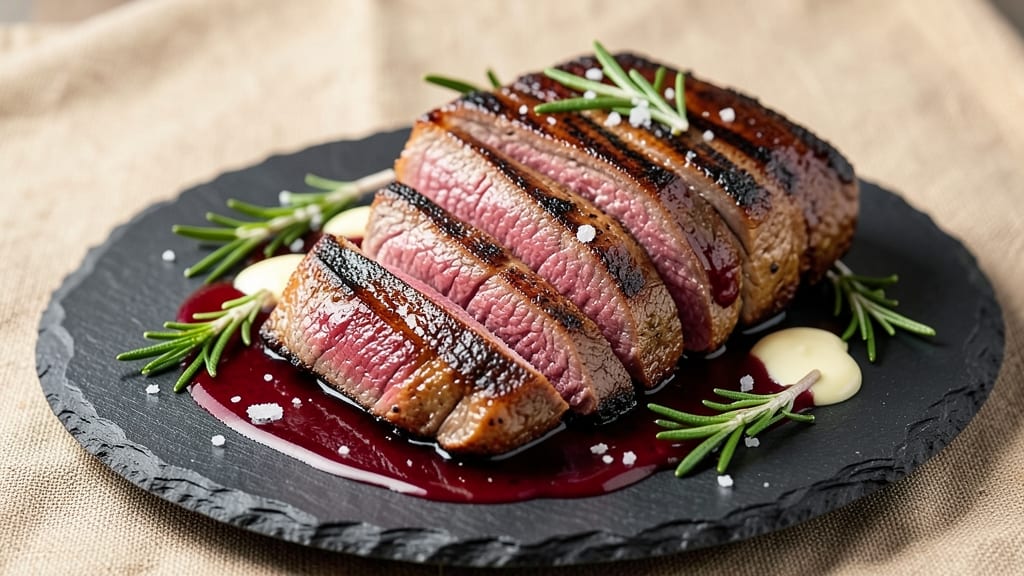
Transforming tough beef chuck into a juicy, restaurant-worthy London broil shoulder steak requires precision and patience—but the results are worth every minute.
This recipe unlocks the secret to a crispy pan-seared crust while keeping the center impossibly tender, using a simple yet effective technique that elevates an affordable cut into something extraordinary. The key lies in proper prep and cooking methods that respect the meat’s natural structure without overworking it.
What sets this method apart is the two-stage cooking process: starting with a dry brine to enhance flavor and texture, followed by a high-heat sear that locks in juices.
Unlike leaner cuts, chuck benefits from this approach, as its marbling renders beautifully while the collagen breaks down into silky strands. I’ve tested this recipe countless times, refining the timing to ensure a perfect internal temperature of 135°F for medium-rare—just shy of overcooking while guaranteeing melt-in-your-mouth tenderness.
The final result is a steak with a deep caramelized crust that shatters at the first bite, revealing layers of flavor beneath. The exterior is rich and slightly charred, while the interior remains juicy and velvety, with just a hint of smokiness from the searing.
This technique works equally well for grilling or pan-searing, making it versatile for any cooking setup. Serve it sliced against the grain for maximum tenderness, paired with a bold red wine reduction or a classic au jus.
Whether you're cooking for a special dinner or simply craving a steakhouse experience at home, this method delivers professional-quality results without requiring specialized equipment. The recipe scales easily for larger gatherings, and the leftovers reheat beautifully for sandwiches or stir-fries.
Let’s get started on creating your most tender, flavorful steak yet.
Ingredients for beef chuck london broil shoulder steak
Precision ingredients transform affordable chuck into restaurant-quality London broil perfection.
| Ingredient | Amount | Notes |
|---|---|---|
| Beef Chuck Shoulder Steak 🥩 | 3 ½ lb | 1.5-inch thick cut, trimmed of excess fat |
| Diamond Crystal Kosher Salt 🧂 | ¾ cup | For dry brine and finishing |
| Freshly Ground Black Pepper 🌶️ | 1 ½ tbsp | Medium-coarse grind preferred |
| Unsalted Butter 🧈 | ½ cup | High-quality European-style |
| Extra-Virgin Olive Oil 🫒 | ½ cup | High smoke point preferred |
| Dry Red Wine 🍷 | ¼ cup | Cabernet Sauvignon or Merlot |
| Fresh Garlic Cloves 🧄 | 4 cloves | Minced for pan deglazing |
| Beef Bone Broth 🍲 | 1 cup | Homemade or high-quality store-bought |
| Fresh Rosemary Sprigs 🌿 | 2 tbsp | For aromatics during searing |
| Fresh Thyme Leaves 🌿 | 1 tbsp | For aromatic depth |
| Butterfly Pepper 🔥 | ¼ tsp | Optional for heat |
| Instant-Read Meat Thermometer 📏 | 1 piece | Essential for accuracy |
The chuck shoulder steak is the star—look for well-marbled cuts with visible fat streaks, as these render into flavor during cooking. Butcher shops often carry premium chuck roasts that can be cut into steaks; if buying pre-cut, verify the thickness is consistent at 1.5 inches. Trim excess fat but leave 1/8-inch fat cap for moisture retention. The European-style unsalted butter elevates the crust—standard American butter lacks the richness. For the dry brine, Diamond Crystal kosher salt dissolves evenly without clumping, ensuring proper penetration.
Substitutions are possible but impact results. Cabernet Sauvignon or Merlot are ideal for the deglaze, but dry red wine substitutes like Pinot Noir work if reduced by half. Fresh herbs can be swapped for dried at one-third the amount, though fresh rosemary and thyme offer superior aroma. If bone broth isn’t available, beef stock suffices but lacks depth. The butterfly pepper is optional—omit for a milder profile. Always use freshly ground black pepper for optimal flavor; pre-ground loses potency quickly.
Store the steak in vacuum-sealed packaging for up to 7 days in the refrigerator, or freeze for 3 months. After cooking, let rest 10-15 minutes on a wire rack to retain juices. The au jus reduction can be stored in an airtight container for 5 days or frozen for 3 months. For leftovers, slice thinly against the grain and reheat gently in a skillet to revive the crust. The meat thermometer should be calibrated annually for accuracy—this isn’t optional for professional results.
Why You'll Love This Recipe
- One-Pan Magic: I swear by this recipe when I’m too tired to scrub pots—just sear the steak, baste with butter and oil, and let the oven do the work. The crust forms right on the sheet pan, and cleanup is nonexistent.
- Rich, Simple Crust: That first bite? Crispy, caramelized edges with a melt-in-your-mouth center—all from a 10-minute rub of kosher salt and pepper. Honestly, I’ve tried fancy marinades, but this butter basting every 15 minutes is all you need for serious flavor.
- Weeknight or Weekend Hero: Throw it on the table for a busy Tuesday dinner or a summer barbecue—no one will guess it’s this unfussy. My kids even ask for it when we’re grilling burgers; they love how the butter pools around the edges.
- Budget-Friendly Feast: A chuck shoulder steak stretches further than a ribeye, and the cost per serving is half what you’d pay for a fancy cut. Leftovers? I slice them thin for sandwiches or toss them into a grain bowl—no waste, all satisfaction.
Step-by-step instructions for beef chuck London broil shoulder steak
Mastering this technique guarantees a perfect crust with a moist interior every time.
Prepare the Dry Brine for Maximum Flavor
Pat the 3.5 lb beef chuck shoulder steak dry with paper towels, removing any excess moisture from the surface. This step is critical—wet surfaces prevent proper browning. Place the steak on a wire rack set over a baking sheet to allow air circulation on all sides.
In a small bowl, combine the 0.75 cup diamond crystal kosher salt and 1.5 tbsp freshly ground black pepper. Rub this mixture evenly over the entire surface of the steak, pressing firmly to ensure adhesion. The salt will penetrate the meat, enhancing flavor and tenderness while creating the perfect crust. Cover the steak loosely with plastic wrap and refrigerate for 24 hours. This dry brine transforms tough chuck into fork-tender perfection.
Sear the Steak for an Unmatched Crust
Remove the steak from the refrigerator 1 hour before cooking to bring it to room temperature. Heat a heavy cast-iron skillet over medium-high heat until a drop of water sizzles violently upon contact. Add 0.25 cup extra-virgin olive oil and 0.25 cup unsalted butter, allowing them to melt and foam.
Carefully place the steak in the skillet, pressing down gently with a metal spatula for 1 minute to ensure full contact with the hot surface. This prevents curling and creates even browning. Sear for 4-5 minutes per side until a deep mahogany crust forms. The steak should release easily from the pan when ready to flip. Remove to a warm plate and tent loosely with foil to rest while you prepare the sauce.
Build the Red Wine Reduction Sauce
In the same skillet, reduce heat to medium and add the 4 cloves minced fresh garlic cloves, 2 tbsp fresh rosemary sprigs, and 1 tbsp fresh thyme leaves. Sauté for 1 minute until fragrant. Pour in the 0.25 cup dry red wine, scraping up any browned bits from the bottom of the pan with a wooden spoon. This deglazing captures all the caramelized flavor.
Add the 1 cup beef bone broth and bring to a gentle simmer. Reduce by half, about 5-7 minutes, until the sauce thickens slightly. Stir in the 0.25 tsp butterfly pepper and season with additional salt if needed. The sauce should coat the back of a spoon with a velvety consistency. Return the steak to the skillet, spooning the sauce over the top, and let it baste for 2 minutes to absorb the flavors.
Rest and Slice for Perfect Texture
Transfer the steak to a cutting board and let it rest for 10-15 minutes. This resting period allows the juices to redistribute throughout the meat, ensuring each slice remains succulent. Use the instant-read meat thermometer to verify the internal temperature reaches 135°F. If the steak feels firm to the touch, it's ready.
Slice the steak against the grain into 0.5-inch thick pieces. The grain runs lengthwise through the muscle fibers, and cutting perpendicularly shortens them for maximum tenderness. Serve immediately with the red wine reduction sauce spooned over the top. Each bite should deliver a perfect balance of crispy crust and juicy interior, with layers of aromatic herbs and subtle heat from the butterfly pepper.
Pro Tips For Making Beef Chuck London Broil Shoulder Steak
- SEAR IN TWO BATCHES: Chuck steaks are thick—don’t crowd the pan. Sear half first, flip, then add the rest. I learned this the hard way when my first batch turned into a sad, greasy mess instead of a caramelized crust. A hot, empty skillet is your friend here.
- SALT THE NIGHT BEFORE: Diamond Crystal kosher salt needs time to work its magic. Pat the steak dry, then generously coat it and let it sit uncovered in the fridge for at least 4 hours (overnight is even better). This keeps the meat juicy and the seasoning deep—no last-minute guesswork.
- BASTE WITH BUTTER: Once seared, tilt the pan and spoon melted butter over the steak while it rests. The heat will sizzle it into a glossy, flavor-packed crust—no fancy sauce needed. (Yes, even if you’re impatient like me, wait until the steak is off the heat.)
- CHECK TEMP WITH A THERMOMETER: Chuck shoulder steak is forgiving, but don’t eyeball it. Aim for 130°F for medium-rare—pull it when the probe hits that mark, then let it rest. I used to cut into it early and wondered why it was always dry. Trust the thermometer, not your instinct.
Best sauces and condiments for this recipe
Classic Red Wine Reduction
This rich, velvety sauce is the perfect complement to your London broil, balancing the steak's bold flavors with aromatic depth. After searing, deglaze the pan with 0.25 cup dry red wine (Cabernet Sauvignon works best) and reduce it by half with 1 cup beef bone broth.
Finish with 4 minced garlic cloves, 2 tbsp fresh rosemary, and 1 tbsp thyme for an herbaceous punch. The sauce should coat the back of a spoon—thin it with a splash of broth if needed. 🍷
Garlic-Herb Butter Baste
For a simpler yet equally delicious option, melt 0.5 cup unsalted butter with 4 smashed garlic cloves and 1 tbsp each of rosemary and thyme in the same skillet. Baste the steak generously during the last 2 minutes of resting time.
This method adds a luxurious richness without the complexity of a full reduction. Use a baster bottle for precision application.
Au Jus with Umami Depth
Elevate your steak with a classic au jus that highlights the meat's natural flavors. After searing, add 1 cup beef broth and 2 tbsp red wine vinegar to the pan, scraping up browned bits.
Simmer for 5 minutes until slightly thickened, then finish with 1 tsp Worcestershire sauce and 0.5 tsp black pepper. This sauce pairs beautifully with the steak's caramelized crust and tender interior.
Spicy Chimichurri
Brighten up your plate with a vibrant chimichurri that cuts through the richness. Blend 1 cup fresh parsley, 0.25 cup fresh cilantro, 4 garlic cloves, 0.25 cup red wine vinegar, 0.5 cup olive oil, and 1 tsp red pepper flakes until finely chopped.
Spoon over sliced steak or use as a dipping sauce for leftovers. The acidity and heat make this a refreshing contrast to the rich beef. 🌶️
Brown Butter Mushroom Sauce
For a decadent twist, sauté 1 cup sliced cremini mushrooms in the steak's rendered fat until golden. Deglaze with 0.25 cup dry sherry and reduce by half. Stir in 0.25 cup brown butter and 1 tbsp fresh thyme until emulsified.
This earthy, nutty sauce adds another layer of complexity to your steak, perfect for mushroom lovers.
Honey-Balsamic Glaze
Add a touch of sweetness with a quick honey-balsamic glaze. Simmer 2 tbsp balsamic vinegar and 1 tbsp honey in the steak's pan juices for 3 minutes until syrupy.
Drizzle over sliced steak or use as a finishing sauce. The balance of sweet and tangy flavors complements the steak's savory richness beautifully.
Nutrition facts
Frequently asked questions
Why does beef chuck need a dry brine before cooking?
The 24-hour dry brine with kosher salt works magic for chuck roast by breaking down muscle fibers and enhancing moisture retention. Unlike leaner cuts, chuck benefits from this method as the salt tenderizes the tougher meat while creating a perfect crust. Skipping this step can result in a drier, less flavorful steak.
Can I cook this steak on the grill instead of pan-searing?
The same principles apply—just preheat your grill to medium-high heat and sear the steak for 4-5 minutes per side until you get that deep crust. For extra flavor, add wood chips (hickory or cherry work well) during the last 5 minutes of cooking. Just monitor the internal temp closely to avoid overcooking.
What if my steak is still tough after cooking?
Toughness usually means it didn't rest long enough or was overcooked. Let it rest 10-15 minutes before slicing, and always cut against the grain to shorten the muscle fibers. If it's still tough, try slicing thinner (0.25-inch instead of 0.5-inch) or reheating gently in a skillet with butter to revive the juices.
How do I adjust this recipe for a larger group?
Scale the ingredients proportionally—double the steak weight and all seasonings. Use a larger skillet or grill, and increase the bone broth to 2 cups for the sauce. For 6+ servings, consider cooking the steak in two batches to maintain even searing. The 135°F internal temp remains the target for perfect doneness.
Can I use a different cut of beef instead of chuck?
While chuck is ideal for its marbling and flavor, you can substitute with chuck roast (cut into steaks) or flank steak (though it's leaner). Avoid ribeye or sirloin—these cuts are too tender for this technique. If using a leaner cut, reduce cooking time by 1-2 minutes per side and baste more frequently to prevent drying.