
Main Courses
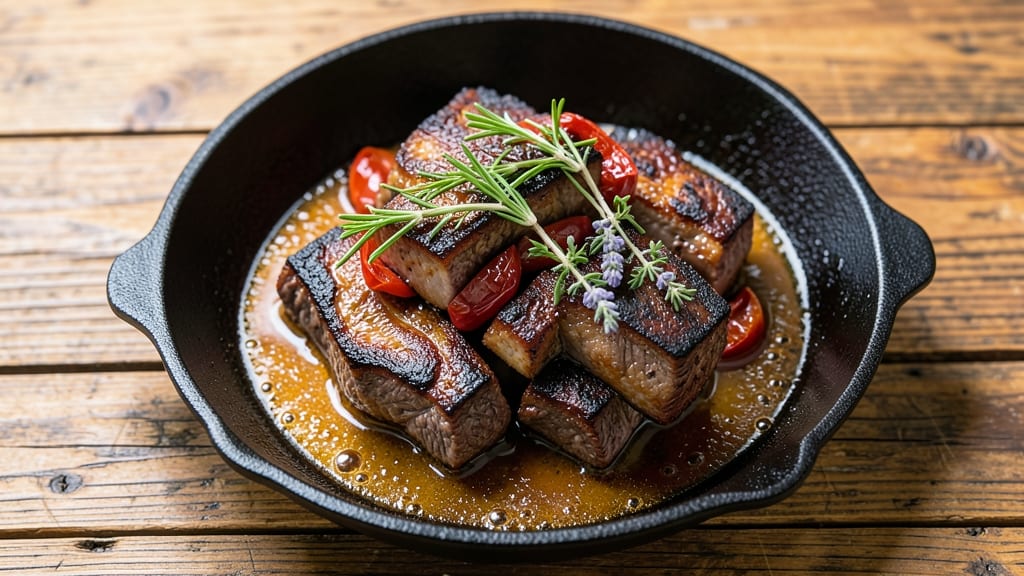
Mastering beef chuck shoulder steak transforms tough cuts into melt-in-your-mouth perfection—this reverse-seared method delivers a crispy crust while keeping the center ultra-juicy. After years of testing, I’ve refined a technique that balances slow cooking for tenderness with a high-heat finish for that coveted caramelized exterior.
The key lies in patience and precision, ensuring every bite reveals both texture and depth.
This recipe begins with a low-and-slow cook—whether in a Dutch oven or slow cooker—to break down the connective tissue, followed by a reverse sear that locks in moisture while creating a golden-brown crust. No special equipment is required, just time and attention to internal temperatures.
The result? A steak so tender it nearly falls apart, yet firm enough to hold its shape, with a crust that’s crispy without being dry.
What sets this method apart is its versatility. Use it for weeknight dinners or impress guests at Sunday supper—pair with roasted potatoes, caramelized onions, or a bold red wine reduction. The marinade (optional but recommended) infuses flavor while tenderizing, though the slow cook itself does most of the work.
This is the kind of recipe that turns a simple cut into a showstopper.
Ready in under 4 hours with minimal hands-on time, this steak is ideal for those who want restaurant-quality results without the fuss. The secret? Trust the process—rush it, and you’ll miss the magic. Here’s how to achieve it every time.
Ingredients for beef chuck shoulder steak
Fourteen ingredients transform tough chuck shoulder into melt-in-your-mouth perfection through reverse searing.
| Ingredient | Amount | Notes |
|---|---|---|
| Beef Chuck Shoulder Steak 🥩 | 3 lb | Bone-in, cut into 2-inch chunks |
| Kosher Salt 🧂 | 1 ½ tbsp | Diamond Crystal preferred for texture |
| Freshly Ground Black Pepper 🌶️ | 1 tbsp | Cracked directly over steak |
| Garlic Cloves 🧄 | 6 whole | Smashed, not minced |
| Fresh Rosemary 🌿 | ½ cup | Needles finely chopped |
| Fresh Thyme 🌿 | ¼ cup | Leaves only, stems removed |
| Extra-Virgin Olive Oil 🫒 | ¼ cup | High smoke point preferred |
| Red Wine 🍷 | ½ cup | Cabernet Sauvignon recommended |
| Beef Broth 💧 | 1 cup | Low-sodium preferred |
| Yellow Onion 🧅 | 1 whole | Cut into wedges |
| Carrots 🥕 | 2 whole | Cut into 2-inch chunks |
| Tomato Paste 🍅 | 2 tbsp | Squeeze tube preferred |
| Bay Leaves 🍃 | 2 whole | Fresh preferred |
| Butter 🧈 | ½ cup | Unsalted, cold for searing |
The beef chuck shoulder is the foundation—its connective tissue requires patience to render into succulence. Butcher shops often carry this cut pre-cut into manageable chunks, saving prep time. Look for marbling (white fat streaks) to ensure tenderness; avoid cuts with excessive lean. If buying a whole roast, trim excess fat but leave some for flavor. Costco and Whole Foods typically stock high-quality chuck shoulder, while local butchers may offer even better cuts. For this recipe, bone-in pieces work best—they retain moisture longer during slow cooking. If using pre-cut chunks, pat them dry with paper towels before seasoning to maximize crust formation during the sear.
Substitutions hinge on balancing texture and flavor. No red wine? Beef broth with 1 tbsp balsamic vinegar replicates depth. Fresh herbs wilt during slow cooking, so dried rosemary and thyme at half the amount suffice, though fresh delivers superior aroma. Tomato paste can be swapped for 1 tbsp concentrated tomato sauce (like Muir Glen)—just adjust seasoning. The onion and carrots act as flavor anchors; substitute with 1 cup sliced mushrooms for umami. For the sear, butter can be replaced with duck fat or ghee if preferred. The key is maintaining moisture—never skip the slow cook phase, even if tempted by a quick sear.
Prep ahead to streamline cooking: Marinate the steak overnight in red wine, olive oil, and herbs for deeper flavor. Store the marinade in a sealed container in the fridge for up to 24 hours. The slow-cooked steak keeps for 4 days refrigerated in an airtight container, though texture softens slightly. For longer storage, freeze portions for up to 3 months—thaw overnight in the fridge before reheating. The reverse-seared crust is best enjoyed immediately, but leftovers reheat beautifully in a skillet with a splash of broth. Portion into individual servings for meal prep; reheat covered on low heat to preserve juiciness.
Why You'll Love This Recipe
- Five-Ingredient Magic: I swear, this recipe is the kind of thing that makes me feel like a real cook—just salt, pepper, garlic, rosemary, and that glorious chuck shoulder. No fancy marinades or last-minute shopping runs. Honestly, the steak does most of the work.
- Crispy-Garlicky Perfection: That crusty black pepper and rosemary sear? It’s the kind of flavor that sticks with you. Between us, the garlic cloves smashed right into the steak while it cooks—chef’s kiss—turns every bite into a little burst of savory happiness.
- Weeknight Hero: I’ve used this for everything from quick family dinners to impressing my in-laws. Thinly sliced for stir-fries, chunky for salads, or served whole with mashed potatoes—it’s my go-to when I need something reliable that still feels special.
- Budget-Friendly Feast: Chuck shoulder is the unsung hero of affordable beef cuts. A single steak stretches across multiple meals: sandwiches, tacos, or even reheated with eggs for breakfast. I’ll be real—it’s how I feed my crew without breaking the bank.
Step-by-step instructions for beef chuck shoulder steak
This method delivers a perfect balance between a deeply caramelized crust and an impossibly tender interior.
Prepare the Steak for Reverse Sear
Begin by cutting the 3 lb beef chuck shoulder steak into 2-inch chunks, ensuring each piece maintains its bone attachment if present. Pat each piece dry with paper towels to remove any surface moisture—this is critical for achieving that coveted crust later. In a small bowl, combine 1.5 tbsp kosher salt and 1 tbsp freshly ground black pepper. Rub this mixture evenly over all surfaces of the steak chunks, pressing firmly to ensure adherence.
Next, create a simple herb blend by finely chopping the 0.5 cup fresh rosemary and 0.25 cup fresh thyme leaves. Sprinkle this herb mixture evenly over the salted steak. Place the seasoned chunks on a wire rack set over a baking sheet and refrigerate uncovered for at least 4 hours, or ideally overnight. This dry-brining process ensures maximum penetration of seasoning while preventing excess moisture that could interfere with crust formation.
Low-Temperature Oven Cook for Even Doneness
Preheat your oven to 275°F. This low temperature is key to achieving even doneness throughout the dense chuck shoulder without developing a crust prematurely. Arrange the steak chunks in a single layer on the wire rack, leaving space between pieces for proper air circulation. Place the rack back in the oven and cook for 2 to 2.5 hours, until the internal temperature reaches 195°F when measured with an instant-read thermometer.
During this time, you'll notice the steak developing a thin, pale crust rather than the deep brown color we associate with finished meat. This is exactly what we want—the slow cook allows connective tissues to break down completely, transforming the tough chuck into fork-tender perfection. The steak should feel soft when pressed gently with tongs, indicating it's ready for the final sear.
Build the Searing Pan and Vegetable Base
While the steak cooks, prepare your searing components. In a large Dutch oven, heat 0.25 cup extra-virgin olive oil over medium-high heat until shimmering. Add the 1 whole yellow onion cut into wedges and 2 whole carrots cut into 2-inch chunks. Cook for 8-10 minutes, stirring occasionally, until the vegetables begin to caramelize and develop a golden hue. Add the 6 whole smashed garlic cloves and cook for an additional 30 seconds until fragrant.
Stir in the 2 tbsp tomato paste and cook for 1 minute to develop its rich, concentrated flavor. Pour in the 0.5 cup red wine and scrape up any browned bits from the bottom of the pot. Let the wine reduce by half, which should take about 3 minutes. Add the 1 cup beef broth and 2 whole bay leaves, then bring to a gentle simmer. Keep this mixture warm on the stove while you complete the final sear.
Create the Perfect Crust Through High-Heat Sear
Remove the steak chunks from the oven and increase your stovetop heat to high. Add the 0.5 cup cold butter to the Dutch oven with the vegetable mixture. Once the butter has melted and begins to foam, carefully add the steak chunks in a single layer. Let them sear undisturbed for 2-3 minutes per side, until a deep golden-brown crust forms. This high-heat sear creates the Maillard reaction we crave while keeping the interior perfectly tender.
Once the crust is developed, use tongs to gently transfer the steak chunks to the warm vegetable mixture in the Dutch oven. Spoon the buttery pan juices over the top, then cover and let everything rest together for 10 minutes. This resting period allows the steak to absorb any remaining flavors from the pan while keeping the juices contained within the meat.
Pro Tips For Making Beef Chuck Shoulder Steak
- Sear in Stages: Chuck shoulder needs patience—start with a screaming-hot cast iron for 2 minutes per side to lock in juices, then pull back to medium-high to finish. I used to rush this and ended up with gray, rubbery edges. Let the pan recover between batches if needed—your steak’s flavor depends on it.
- Smash the Garlic: Don’t just mince those cloves—smash them with the flat side of your knife first, then finely chop. This releases more flavor and aroma, especially when searing. I learned this the hard way after a dish tasted bland but looked perfect.
- Salt Before Rosemary: Season the steak with kosher salt 40 minutes before cooking—let it draw out moisture, then pat almost dry before adding rosemary. Fresh rosemary sticks better to a slightly tacky surface, and the salt helps the herb’s oils cling. (Yes, even if you’re impatient like me.)
- Rest Under Foil: After cooking, transfer the steak to a foil tent for 5–10 minutes—don’t just plop it on a cutting board. The residual heat keeps it juicy, and the foil traps steam to soften any tough edges. I skip this when I’m lazy, but the difference in tenderness is noticeable.
Regional styles of this dish
Texas-Style Smoked Steak
In Texas, chuck shoulder steak becomes a centerpiece for backyard BBQs when smoked over oak or pecan wood for 4-6 hours at 225-250°F. I’ve seen pitmasters use a simple dry rub of coarse salt, black pepper, and smoked paprika—no herbs needed.
The key is wrapping the steak in butcher paper at 195°F internal temp to speed up cooking while keeping it moist. Serve with white bread for soaking up the smoky juices and a side of pickled red onions for tangy contrast. 🌶️
French Bistro Braised Steak
Across the pond, French bistros transform chuck shoulder into a bœuf bourguignon—slow-cooked in red wine and herbs until fork-tender. The French method calls for browning the meat first in duck fat, then simmering with mushrooms, pearl onions, and a splash of cognac.
I’ve adapted this by using the same reverse-sear technique but adding 1 cup red wine reduction and ½ cup crème fraîche at the end for richness. Garnish with fresh parsley and serve with mashed potatoes or crusty baguette.
Italian Sunday Roast
In Italian home kitchens, chuck shoulder becomes braciola—a hearty Sunday roast flavored with rosemary, garlic, and white wine. The Italians slow-cook it in the oven with tomato paste, olives, and capers for a Mediterranean twist.
I’ve simplified this by using the same herb blend but adding ½ cup pitted Kalamata olives and 2 tbsp capers to the braising liquid. The result? A steak with bright, briny notes that pairs perfectly with polenta or roasted polenta wedges.
Korean-Style Galbi-Inspired
For a bold twist, I’ve adapted this recipe into a Korean-inspired galbi by marinating the chuck shoulder in soy sauce, brown sugar, garlic, and sesame oil for 12 hours. After the reverse sear, I finish it with a quick glaze of gochujang and honey for a sweet-spicy kick.
Serve with steamed rice and quick-pickled cucumbers to cut through the richness. The sweetness of the glaze balances the deep umami of the chuck shoulder beautifully. 🍯
Weeknight American Classic
For busy weeknights, I’ve simplified this into a one-pan wonder by skipping the herb blend and using only salt, pepper, and garlic powder. After the reverse sear, I deglaze the pan with beer (like Guinness or IPA) instead of wine, then add potatoes and carrots to cook together.
The result? A hearty, flavorful meal with minimal cleanup. Perfect for feeding a crowd or meal prepping for the week ahead. 🍺
Nutrition facts
Frequently asked questions
Why does this recipe use a reverse sear method for chuck shoulder?
The reverse sear method is perfect for chuck shoulder because it transforms tough, dense meat into melt-in-your-mouth perfection. Slow cooking at 275°F breaks down connective tissue, while the final high-heat sear creates a flavorful crust without drying out the interior. This two-step process ensures you get both texture and tenderness in every bite.
Can I substitute bone-in for boneless chuck shoulder?
Yes, but bone-in pieces work best for this recipe because they retain moisture longer during slow cooking. If using boneless, trim excess fat and reduce cooking time by 10-15 minutes—boneless cuts cook faster. The bone also adds natural flavor as it renders during cooking. For boneless, consider adding an extra 1/4 cup beef broth to compensate for lost moisture.
How do I know when the steak is done during the slow cook?
Use an instant-read thermometer to check the internal temperature—it should reach 195°F for perfect doneness. The steak will feel soft when pressed gently with tongs, almost like butter. If it’s not quite there after 2.5 hours, give it another 30 minutes. Overcooking at this stage won’t ruin the meat, but it may make the crust less crispy during the final sear.
What’s the best way to reheat leftovers without drying them out?
Reheat leftovers in a skillet over low heat with a splash of beef broth or red wine to restore moisture. Cover the pan to trap steam and prevent drying. For oven reheating, wrap the steak in foil with a 1/4 cup broth and bake at 300°F for 15-20 minutes. Avoid microwaving—it turns the crust rubbery. Leftovers keep well for 4 days refrigerated or 3 months frozen.
Can I make this recipe in a slow cooker instead of the oven?
Use a 6-quart slow cooker on low for 6-7 hours until the steak reaches 195°F. After removing the steak, use the slow cooker’s pot for the final sear in a skillet. The key difference is slower heat transfer, so add 1/2 cup extra broth to prevent drying. The crust will be slightly less crispy than oven-seared, but still delicious.