
Main Courses
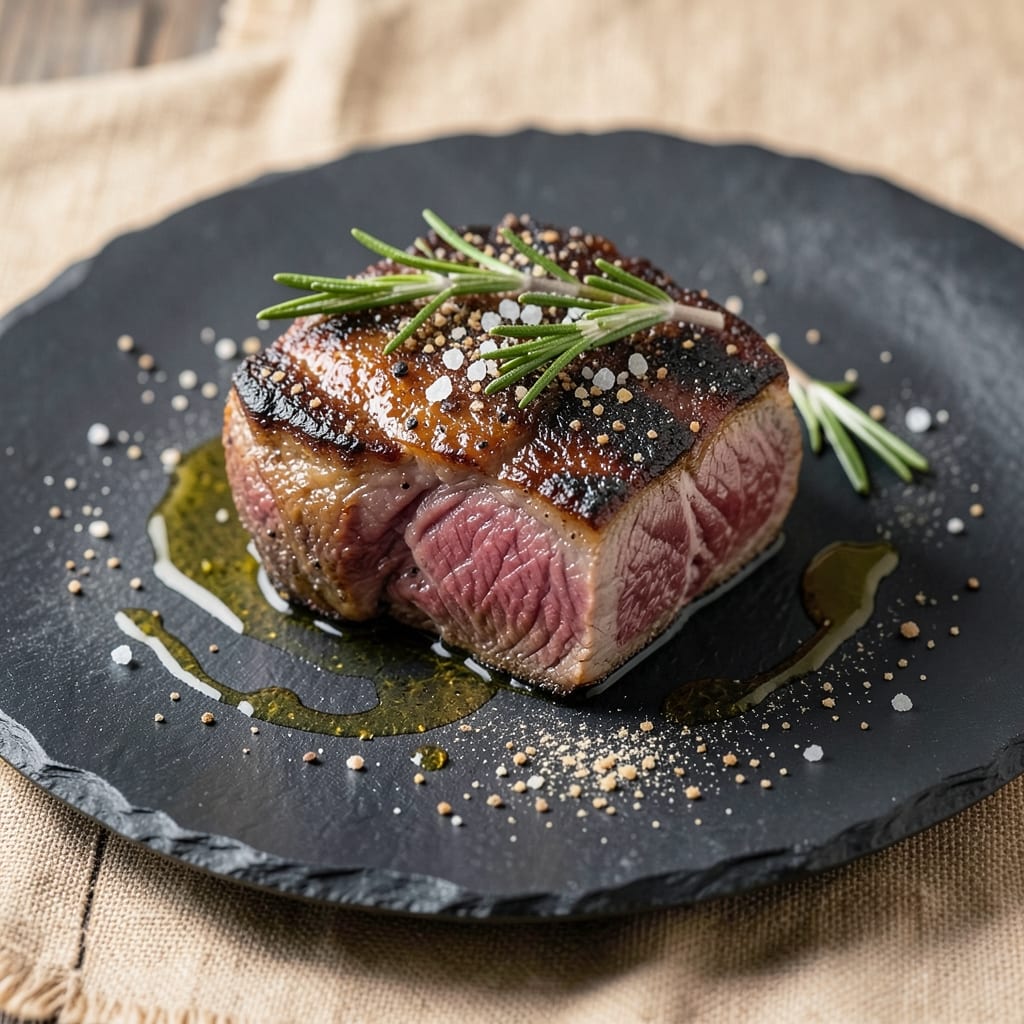
This Angus beef chuck steak recipe transforms tough, flavorful cuts into melt-in-your-mouth perfection using a reverse-sear technique that preserves juiciness while creating a caramelized crust. The secret lies in slow cooking first to break down connective tissue, then finishing with a high-heat sear to lock in those rich beefy flavors. I’ve perfected this method over countless grilling sessions, and it never fails to impress—even skeptical meat lovers.
The beauty of chuck steaks is their bold, beefy flavor and marbling that rewards patience. Unlike tender cuts, chuck benefits from low-and-slow cooking to tenderize before a quick sear delivers that coveted crust. We’ll use a simple dry rub of salt, pepper, and garlic powder to enhance the natural richness, but you can customize it with herbs like rosemary or thyme for extra depth. The result? A steak that’s tender, juicy, and packed with flavor—no fancy marinades or long prep required.
What sets this recipe apart is the balance of technique and simplicity. Most steak recipes focus on tender cuts, but chuck steaks are where the real magic happens when cooked correctly. The reverse-sear method ensures you get the best of both worlds: a perfectly cooked interior and a crust that adds texture and flavor. This approach works equally well on the grill, in a cast-iron skillet, or even in the oven, giving you flexibility for any cooking setup.
Serve your steak with classic sides like roasted potatoes, grilled asparagus, or a fresh garden salad to round out the meal. The rich, savory notes of the steak pair beautifully with bold flavors, making this a restaurant-quality dish you can recreate at home. Let’s get started on mastering this technique—your taste buds will thank you.
Ingredients for angus beef chuck steak
Four simple ingredients transform tough chuck into melt-in-your-mouth perfection—just patience and perfect timing.
| Ingredient | Amount | Notes |
|---|---|---|
| Angus Beef Chuck Steak 🥩 | 2 ½ lb | 2-inch thick slices, 1.5-2 lbs each |
| Kosher Salt 🧂 | 1 ½ tbsp | Diamond Crystal preferred for even distribution |
| Freshly Ground Black Pepper 🌶️ | 1 tbsp | Coarse grind for texture |
| Garlic Powder 🧄 | 1 tbsp | Freshly ground preferred |
| Fresh Rosemary 🌿 | ½ cup | Chopped, stems removed |
| Extra-Virgin Olive Oil 🫒 | 2 tbsp | High smoke point for searing |
| Unsalted Butter 🧈 | 4 tbsp | Cold, cubed for basting |
| Yellow Onion 🧅 | 1 whole | Sliced, for optional pan sear |
| Fresh Thyme 🌿 | ¼ cup | Chopped, stems removed |
| Beef Tallow or Duck Fat 🍳 | 2 tbsp | For slow cooking, optional |
| Red Wine 🍷 | ½ cup | Bold dry variety like Cabernet |
| Beef Broth 🥫 | 1 cup | Homemade or quality store-bought |
The steak is everything here. Angus chuck with generous marbling is non-negotiable—Costco or local butcher are your best bets for quality. Look for cuts with visible fat streaks and vibrant color. If you're buying whole chuck roast, ask the butcher to cut it into 2-inch thick slices for even cooking. The reverse-sear method is all about patience: slow cooking breaks down those tough fibers while preserving moisture. Freshly ground pepper and Penzeys garlic powder elevate the dry rub, but don't overlook the rosemary—it adds an earthy depth that pairs perfectly with the beef's richness. For the slow cook, beef tallow or duck fat creates a flavorful bath, but olive oil works in a pinch.
No rosemary? Fresh thyme or sage works beautifully—just adjust the amount to taste. Short on red wine? Beef broth with a splash of balsamic vinegar delivers the same depth. The butter for basting should be cold and cubed—this ensures it melts dramatically during the sear, creating that coveted crust. If you're using a cast-iron skillet, preheat it on high for 5 minutes before adding the steak. The onions are optional but add sweetness that complements the steak's richness. For the slow cook, low and slow is key—don't rush this step, or you'll end up with dry meat. If you're grilling, use indirect heat for the slow cook phase, then move to direct heat for the sear.
Steaks reheat beautifully but are best served immediately after the sear. Store leftovers in an airtight container with a paper towel to absorb any moisture—keeps for 3-4 days in the fridge. For longer storage, freeze for up to 3 months. I like to portion mine into individual containers so I can reheat just what I need. The reverse-sear method means you can prep everything ahead of time—just rub the steaks, slow cook, then sear when ready to serve. This is a great make-ahead technique for dinner parties or when you're expecting company.
Why You'll Love This Recipe
- Five-Ingredient Magic: I swear by this combo—just salt, pepper, garlic powder, rosemary, and that unreal chuck steak. No fancy marinades, no stress. The steak does all the heavy lifting while you sip your wine (or coffee, no judgment).
- Crispy-Centered Perfection: That rosemary crust? It’s everything. The garlic powder sears into the edges while the pepper keeps it bold, but the real win is the melt-in-your-mouth middle. Honestly, my kids ask for this over pizza now.
- Weeknight or Weekend Star: Throw it on the grill for summer BBQs or sear it in a cast-iron skillet when you’re craving something hearty. Between us, it’s my go-to for game day, date nights, or when I’m too tired to plan.
- Leftovers That Don’t Suck: Unlike most steak recipes, this actually improves the next day. Slice it thin for sandwiches, toss it into a grain bowl, or just reheat it with a splash of water—still tender, still packed with flavor. Zero food waste here.
Step-by-step instructions for reverse-seared Angus beef chuck steak
Here's how to transform tough chuck into melt-in-your-mouth perfection using the reverse-sear method.
Prepare and Season the Chuck Steak
Pat the 2.5 lb Angus Beef Chuck Steak dry with paper towels—this step is crucial for even cooking and crispy crust. I like to work in a cool room to prevent the steak from warming too quickly. Using your hands, rub the steak generously with the 1.5 tbsp Kosher Salt, pressing firmly to create a salt crust that will enhance flavor and moisture retention.
Next, sprinkle the 1 tbsp Freshly Ground Black Pepper and 1 tbsp Garlic Powder evenly over all sides. The coarse grind of the pepper adds texture while the garlic powder infuses deep flavor. Let the seasoned steak sit at room temperature for 30 minutes—this ensures even cooking from edge to center.
Slow-Cook the Steak in the Oven
Preheat your oven to 275°F for low-and-slow cooking. Place the steak on a wire rack set inside a rimmed baking sheet to allow air circulation. If using, melt the 2 tbsp Beef Tallow or Duck Fat in a small saucepan and brush it lightly over the steak—this adds rich flavor and helps create a crust later.
Transfer the steak to the oven and cook for 2-2.5 hours until the internal temperature reaches 110-115°F at the thickest point. This slow cooking process breaks down the tough collagen in the chuck, creating tender, buttery meat. Check the temperature with a meat thermometer inserted into the thickest part without touching bone.
Build the Herb Butter Baste
While the steak cooks, prepare the herb butter by combining the 4 tbsp Unsalted Butter, 0.5 cup Fresh Rosemary, and 0.25 cup Fresh Thyme in a small bowl. Mince the rosemary and thyme finely for even distribution. Let this mixture sit at room temperature for 15 minutes before using—this allows the herbs to infuse the butter fully.
Remove the steak from the oven and let it rest for 5 minutes on a cutting board. This brief rest prevents the crust from cracking when you add the herb butter. Spread the herb butter evenly over all sides of the steak, pressing gently to help it adhere. The butter will melt slightly from the residual heat, creating a flavorful crust.
Finish with a Perfect Sear
Heat a cast-iron skillet over medium-high heat until very hot. Add the 2 tbsp Extra-Virgin Olive Oil and let it shimmer. Place the steak in the skillet and sear for 2-3 minutes per side until a deep golden-brown crust forms. For extra flavor, add the sliced 1 whole Yellow Onion to the skillet and let it caramelize slightly during the last minute of searing.
Remove the steak from the skillet and let it rest for 10-15 minutes before slicing. This resting period allows the juices to redistribute throughout the meat, ensuring each bite is tender and flavorful. The internal temperature should now read 130-135°F—perfect medium-rare for chuck steak.
Create a Rich Reduction Sauce
Return the skillet to the stove and add the 0.5 cup Red Wine, scraping up any browned bits from the bottom. Let it simmer for 3-4 minutes until reduced by half. Pour in the 1 cup Beef Broth and continue simmering until the sauce thickens slightly to a glossy consistency—about 5-6 minutes total.
Slice the steak against the grain into ½-inch thick pieces and serve immediately with the reduction sauce spooned over the top. Each bite should deliver tender, flavorful meat with a perfect crust, complemented by the aromatic herb butter and rich wine reduction. The reverse-sear method transforms tough chuck into a restaurant-quality steak experience at home.
Pro Tips For Making Angus Beef Chuck Steak
- PAT THE DRY: DESCRIPTION: Chuck steaks are fatty and lean in spots—wipe them down with paper towels before seasoning. I used to skip this, and the crust never formed right. Dry meat sears better, and that’s where all the flavor lives.
- SEAR HOT AND HOLD: DESCRIPTION: Get your pan screaming hot before adding the steak—no, really, wait until it’s smoking. After the first crust forms, turn the heat down to medium and let it cook through. I learned this the hard way: rushing the heat makes the outside burn before the inside cooks.
- SALT THE ROSMARY: DESCRIPTION: Toss the fresh rosemary sprigs with a pinch of salt before crushing them slightly over the steak. The salt clings to the needles, releasing more aroma when the pan heats up. My grandmother swore by this, and she was right: it smells like a restaurant.
- REST UNDER FOIL: DESCRIPTION: Give it a solid 5-10 minutes under foil after pulling it from the pan—yes, even if it’s not quite done. The residual heat finishes it evenly, and the foil traps the juices so they don’t pool on the cutting board. I skip this when I’m lazy, but the difference is noticeable.
Common mistakes when making your angus beef chuck steak
Skipping the Slow Cook
One of the biggest mistakes is rushing the slow-cooking phase. Chuck steak needs that 2-2.5 hours at 275°F to tenderize properly—skipping this step results in chewy, tough meat. I’ve seen people try to speed this up by increasing the oven temperature, but that just seals in moisture too quickly, leaving the interior dry. Trust the process: patience is key here. 🌡️
Overcrowding the Pan
When searing, don’t stack steaks or overcrowd the skillet. I’ve made this mistake with multiple chuck steaks, and the result? Steaming instead of searing. Your goal is a deep golden-brown crust, which requires space. Use a 12-inch cast-iron skillet for one 2.5 lb steak—any larger, and the heat disperses too much. If cooking multiple steaks, work in batches.
Ignoring Rest Time
After searing, letting the steak rest for 10-15 minutes is non-negotiable. I’ve sliced into steaks too soon, and the juices pool on my plate instead of staying in the meat. This resting period allows the muscle fibers to relax and redistribute those precious juices. Pro tip: Tent loosely with foil to keep it warm while resting.
Using the Wrong Thermometer
A cheap instant-read thermometer can give inaccurate readings, leading to overcooked or undercooked steak. Invest in a ThermoWorks Smoke or Meater—they’re precise and worth every penny. For chuck steak, aim for 110-115°F internal temp before searing. If you’re guessing, you’re gambling with your steak’s texture.
Neglecting the Butter Baste
Skipping the herb butter basting step robs your steak of its signature flavor and texture. The butter melts dramatically during the sear, creating a luscious crust that locks in moisture. I like to spread it on while the steak is still warm from the oven—this helps it adhere better. Don’t substitute with oil; butter’s fat content is essential for that rich, buttery finish. 🧈
Over-Searing the Steak
Watch the clock during the sear! 2-3 minutes per side is all you need for a perfect crust—any longer, and you’ll end up with burnt edges and dry meat. Use a timer and keep an eye on the color. If the pan isn’t hot enough, the steak will steam instead of sear. A quick test: Flick a drop of water into the pan—if it sizzles and evaporates instantly, you’re ready to go.
Nutrition facts
Frequently asked questions
Why does chuck steak need slow cooking?
Chuck steak comes from the shoulder area with more connective tissue than tender cuts like ribeye. The 2-2.5 hour slow cook at 275°F breaks down these tough fibers into gelatin, transforming the meat into tender, buttery perfection. This is why chuck benefits from reverse-searing—it's the only way to get that restaurant-quality texture at home.
Can I use this recipe with other beef cuts?
While this method works best with chuck, you can adapt it for other tougher cuts like brisket or short ribs. For tender cuts like ribeye or filet mignon, skip the slow cook and just sear over high heat. The reverse-sear principle still applies—just adjust your target temperatures accordingly.
How do I know when the steak is done?
Use a meat thermometer for accuracy! For chuck steak, aim for 110-115°F before searing (medium-rare final temp). Insert the probe into the thickest part without touching bone. The reverse-sear method means you'll finish at 130-135°F after the high-heat sear. Never guess—this is where most home cooks go wrong.
What's the best way to slice chuck steak?
Always slice against the grain for maximum tenderness. Look for the muscle fibers and cut perpendicular to them. Use a sharp knife and slice into ½-inch thick pieces. For even better texture, let the steak rest for 10-15 minutes before slicing—this helps the juices redistribute.
Can I make this recipe on the grill?
Use indirect heat for the slow cook phase (place steak away from flames), then move to direct heat for the final sear. For the reverse-sear method to work, you'll need to monitor temperatures carefully—grill thermometers help here. The key is maintaining that 275°F slow cook before the high-heat finish.