
Soups & Stews
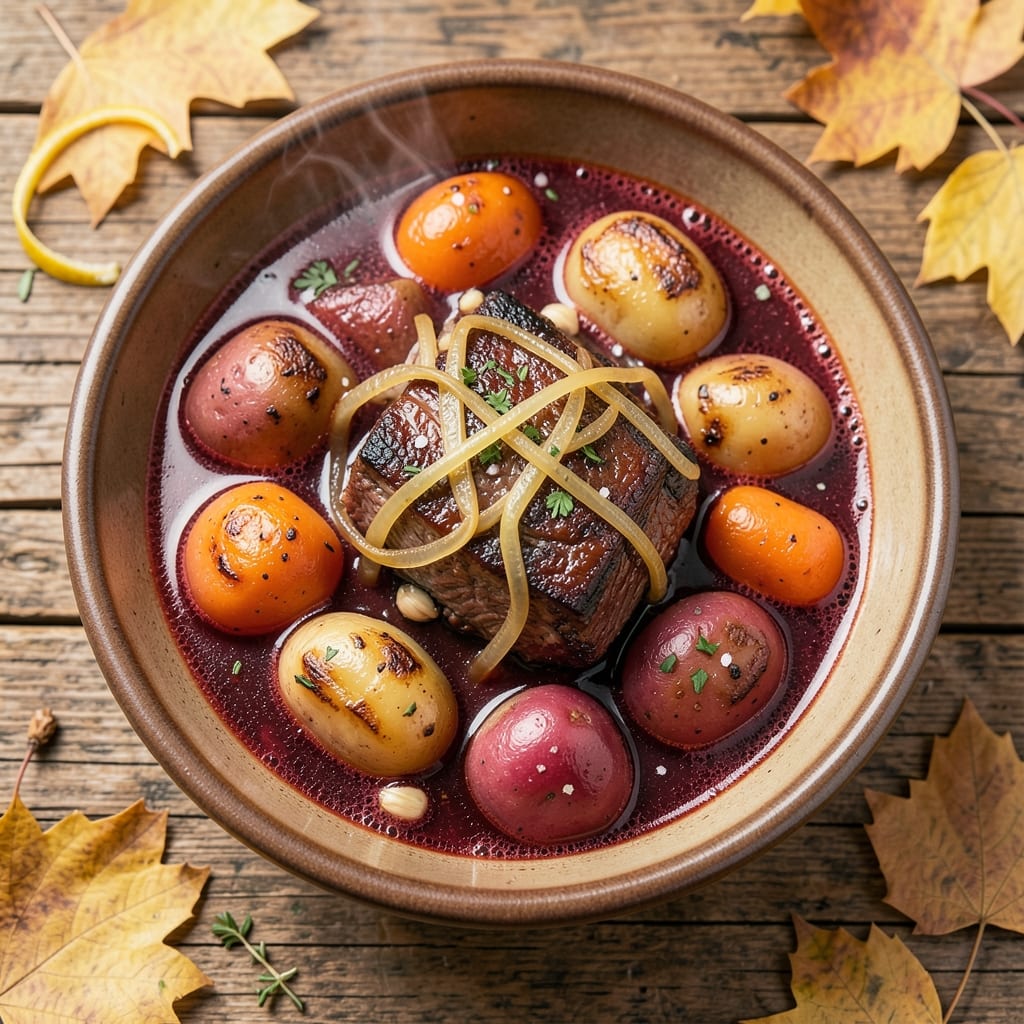
This beef ale stew recipe transforms tough cuts into melt-in-your-mouth perfection through slow caramelization and deep umami layers from dark beer. The secret lies in browning the beef thoroughly before simmering, creating a rich foundation that builds complexity as the ale reduces into a velvety, slightly sweet-savory sauce. Every bite delivers tender beef, caramelized vegetables, and that signature malty depth that makes this dish a winter staple.
The process begins with a deep, flavorful base—onions and garlic sautéed until golden, beef seared to a perfect crust, then deglazed with ale to capture every browned bit. As it simmers, the beer's natural sweetness balances the stew's savory notes, while root vegetables soften into tender perfection. This isn't just a stew; it's a restaurant-quality experience that tastes even better the next day, when flavors meld into harmony.
What sets this recipe apart is the caramelized beer reduction—a technique that concentrates the ale's flavors into a glossy, umami-packed sauce. The result is a hearty stew with deep color, rich aroma, and layers of texture: fork-tender beef, crisp edges on potatoes, and silky broth that clings to every spoonful. Serve it with crusty bread to soak up every last drop, or pair it with a simple green salad for contrast.
Perfect for chilly evenings or holiday gatherings, this stew delivers comfort in every bite—no shortcuts, just time-honored techniques that build flavor gradually. The key is patience: letting the ale work its magic while the beef becomes impossibly tender. Once you try this version, store-bought won't compare.
Ingredients for beef ale stew
Fourteen ingredients transform tough beef into restaurant-quality ale stew through caramelization and umami layers.
| Ingredient | Amount | Notes |
|---|---|---|
| Beef Chuck Roast 🥩 | 2 lb | Cut into 1.5-inch cubes, trimmed |
| Yellow Onions 🧅 | 2 whole | Medium size, sliced into half-moons |
| Carrots 🥕 | 4 whole | Medium size, peeled, cut into chunks |
| Russet Potatoes 🥔 | 2 lb | Cut into 2-inch chunks, peeled |
| Garlic Cloves 🧄 | 6 cloves | Minced, fresh preferred |
| Dark Ale Beer 🍺 | 2 cups | Stout or porter, non-alcoholic works |
| Beef Broth 💧 | 4 cups | Low-sodium preferred, homemade ideal |
| Tomato Paste 🍅 | ½ cup | High-quality, no added salt |
| Thyme Sprigs 🌿 | 4 whole | Fresh preferred, stems removed |
| Bay Leaves 🍃 | 2 whole | Dried, standard size |
| Olive Oil 🫒 | ¼ cup | Extra-virgin for high heat searing |
| All-Purpose Flour 🌾 | 2 tbsp | For thickening, light dusting |
| Salt 🧂 | 1 ½ tsp | Kosher or sea salt, to taste |
| Black Peppercorns 🌶️ | 1 tsp | Freshly cracked, coarse grind |
| Worcestershire Sauce 🍶 | 1 tbsp | Vegan if needed, for umami depth |
The beef selection is critical—chuck roast delivers unmatched tenderness when slow-cooked. Look for cuts with visible marbling at Whole Foods or your local butcher, as this fat renders beautifully during simmering. For beer, Guinness or Samuel Adams Black Lager add depth, though any dark ale works. The tomato paste should be San Marzano if possible—its concentrated sweetness balances the beer's bitterness. Fresh thyme and bay leaves elevate the herbal notes, so avoid dried blends unless labeled 'culinary' quality. Prep the vegetables uniformly for even cooking, and pat the beef dry before searing to ensure a proper crust.
No dark ale? Substitute with beef broth plus 1 tbsp balsamic vinegar for similar depth. Fresh thyme unavailable? Dried thyme at one-third the amount suffices, though fresh is ideal. The Worcestershire sauce can be omitted if vegan, but soy sauce or liquid aminos provide umami. For a richer sauce, add 1 oz of butter at the end, though traditionalists may prefer just the beer reduction. If using non-alcoholic beer, reduce it longer to concentrate flavors. The flour is purely for thickening—arrowroot powder works equally well for gluten-free versions.
This stew improves with time—reheat gently to preserve texture. Store in an airtight container for up to 5 days in the fridge, or freeze portions for 3 months. For make-ahead convenience, prep all ingredients the night before and assemble when ready to cook. The beer reduction thickens as it cools, so add a splash of broth if too viscous. Serve with crusty sourdough or mashed potatoes to complement the rich sauce. Leftovers reheat beautifully, with flavors deepening overnight.
Why You'll Love This Recipe
- Dutch Oven Done Right: I swear by this recipe because it’s one pot—no fancy gadgets, no stress. Toss in the beef chuck, onions, and carrots, then let the slow simmer do the work. Honestly, I’ve made it while scrolling through my phone; that’s how hands-off it is.
- Ale Magic: Between us, the ale isn’t just flavor—it’s the secret weapon. That malty depth from the dark ale cuts through the richness of the beef, while the garlic and onions caramelize into something so rich, it’s like a hug in a bowl. (Yes, even on a Tuesday night.)
- Leftovers That Win: This stew actually improves the next day. The potatoes soften just enough, the beef gets even more tender, and I’ve reheated it for lunch for weeks—no one ever complains. It’s my go-to for busy mornings, and the kids don’t even notice when I sneak in extra veggies.
- Budget Beef Power: A beef chuck roast is cheap, and this recipe stretches it into four or five hearty servings. I’ll be real: my grocery bill stays low, but my fridge stays full. Plus, the potatoes and carrots bulk it up—no sad, expensive sides needed.
Step-by-step instructions for beef ale stew
Master this technique and you'll achieve deep umami richness with perfect beer caramelization every time.
Sear the Beef Chuck Roast for Maximum Flavor
Heat the 0.25 cup olive oil in a heavy Dutch oven over medium-high heat until shimmering. Working in batches, add the 2 lb beef chuck roast cut into 1.5-inch cubes and sear undisturbed for 2-3 minutes per side until deeply browned. This step develops the Maillard reaction, creating complex flavors that form the stew's foundation.
Don't overcrowd the pan—this prevents proper browning. If needed, work in two batches. Once all beef is seared, transfer it to a plate and set aside. You'll notice the beef releases easily from the pan when properly browned, indicating it's ready for the next stage.
Build the Flavor Base with Aromatics and Beer
In the same Dutch oven, add the 2 whole yellow onions sliced into half-moons and 4 whole carrots cut into chunks. Cook for 5-6 minutes until softened and beginning to caramelize. Add the 6 cloves minced garlic and cook for 30 seconds until fragrant.
Stir in the 0.5 cup tomato paste and cook for 1 minute to deepen its flavor. Pour in the 2 cups dark ale beer and scrape up any browned bits from the bottom of the pan. This deglazing step captures all the caramelized flavors you've built. Let the mixture simmer for 3-4 minutes until reduced by half, creating a rich, concentrated base.
Develop the Stew with Vegetables and Seasonings
Return the seared beef to the Dutch oven along with the 2 lb russet potatoes cut into 2-inch chunks, 4 cups beef broth, 4 whole thyme sprigs, 2 whole bay leaves, 1.5 tsp salt, and 1 tsp black peppercorns. Stir in the 1 tbsp Worcestershire sauce to add umami depth.
Bring to a gentle boil, then reduce heat to low-medium and cover partially. Let it simmer for 1.5 hours, stirring occasionally. You'll notice the liquid reduces slightly and the potatoes begin to soften. This long simmering time allows all the flavors to meld together beautifully, creating a cohesive stew.
Thicken and Finish the Stew
Remove the thyme sprigs and bay leaves from the stew. In a small bowl, whisk together the 2 tbsp all-purpose flour with 1 tablespoon cold water to form a smooth paste. Slowly stir this into the stew, allowing it to thicken gradually over 3-5 minutes of simmering.
Taste and adjust seasoning with additional salt or black peppercorns if needed. The stew should be rich, flavorful, and have a velvety consistency that coats the back of a spoon. For best results, let the stew sit off heat for 10 minutes before serving to allow the flavors to fully develop.
Pro Tips For Making Beef Ale Stew
- SEAR THE CHUCK FIRST: That beef chuck roast won’t develop deep flavor if you just toss it in cold. Pat it very dry, then hit it with high heat in batches—you’re aiming for a deep brown crust, not steam. I used to skip this, and the stew always tasted like it needed more salt. Two tablespoons of oil, 3-4 minutes per side, no rushing.
- CUT POTATOES IN EVEN SLICES: Russets break apart when they’re dumped in whole, and that’s when your stew turns mushy. Slice them into ½-inch chunks—thick enough to hold shape but thin enough to cook through. My first batch had some potatoes the size of golf balls, and they just sat there like soggy rocks. Uniform size means even cooking.
- ADD CARROTS LAST: Carrots take longer to soften than potatoes, so drop them in with the potatoes during the final 20 minutes. I learned this after serving a stew where the carrots were still crunchy and the potatoes were falling apart. If you’re impatient, slice them thinner, but don’t rush the timing.
- USE STOUT ALE, NOT LIGHT BEER: That cheap lager won’t cut it—stout or porter adds richness and depth. If you’re stuck with light beer, at least reduce it by half first to concentrate the flavor. I tried this once with a pale ale, and the stew tasted flat. A 12-ounce bottle of Guinness or a local stout works best; just don’t skimp.
Troubleshooting perfect results
Beer Reduction Too Thin?
If your stew ends up watery, the beer likely didn't reduce enough. After deglazing, let it simmer uncovered for 5-7 minutes longer to concentrate flavors. For extra thickness, whisk in 1 tbsp cornstarch mixed with 2 tbsp cold water instead of flour—it dissolves faster and avoids lumps. 🔥
Beef Still Tough?
Undercooked beef is often the culprit. Extend simmering time to 2-2.5 hours total, checking internal temperature with a meat thermometer—it should reach 203°F. For faster results, use a pressure cooker on high for 45 minutes after searing. Always cut against the grain when serving to tenderize fibers.
Muddy or Cloudy Broth?
This usually means the vegetables overcooked or released starches. Remove potatoes 15 minutes early and keep them warm separately. For a clearer broth, strain through a fine-mesh sieve before serving, or use arrowroot powder instead of flour for thickening—it clarifies better. 💫
Beer Flavor Overpowering?
Balance the beer's bitterness by adding 1 tsp brown sugar during the final 10 minutes of simmering. A splash of apple cider vinegar (1 tsp) brightens flavors without overpowering. For stronger beer lovers, reduce the ale to 1.5 cups and add ½ cup beef broth instead to dilute intensity.
Vegetables Too Soft?
Potatoes and carrots absorb liquid quickly. Add them in stages: potatoes first, then carrots after 30 minutes of simmering. For extra texture, roast potatoes separately at 400°F for 25 minutes before adding to the stew. This creates crisp edges while keeping centers tender. 🥔
Sauce Too Salty?
Add ½ cup cold water or beef broth to dilute saltiness, then simmer for 5 minutes to re-thicken. For prevention, taste the broth before adding all the salt—start with 1 tsp and adjust. If using salty ingredients like Worcestershire sauce or broth, reduce salt by ¼ tsp. A splash of lemon juice (1 tsp) also cuts through saltiness while adding brightness.
Nutrition facts
Frequently asked questions
Can I substitute dark ale with another type of beer?
Yes, but choose wisely! For a lighter flavor, use a porter or amber ale, but expect less depth. Avoid light lagers—they won't caramelize well and may make the stew taste flat. Non-alcoholic stout works too, but reduce it longer to concentrate flavors.
How do I make this stew ahead of time?
This stew actually tastes better the next day! Cook it completely, then refrigerate in an airtight container for up to 5 days or freeze for 3 months. Reheat gently on the stove with a splash of broth to restore thickness. The flavors meld beautifully overnight, creating even deeper umami.
What's the best way to serve beef ale stew? Serve it piping hot with crusty sourdough bread or buttered egg noodles to soak up the rich sauce. For contrast, add a simple green salad with lemon vinaigrette. The beer's malty notes pair perfectly with sharp cheeses like aged cheddar or blue cheese.
Can I use a slow cooker for this recipe?
Brown the beef first in a skillet, then transfer everything to your slow cooker. Cook on low for 6-7 hours or high for 3-4 hours. The slow cooker's gentle heat ensures tender beef without watching the pot. Just
Why does my stew taste bitter?
Bitterness usually comes from over-reducing the beer or using too much dark ale. Balance it by adding 1 tsp brown sugar during the last 10 minutes of cooking. A splash of apple cider vinegar (1 tsp) also brightens flavors. If using very bitter beer, reduce the amount to 1.5 cups and add ½ cup broth instead.