
Soups & Stews
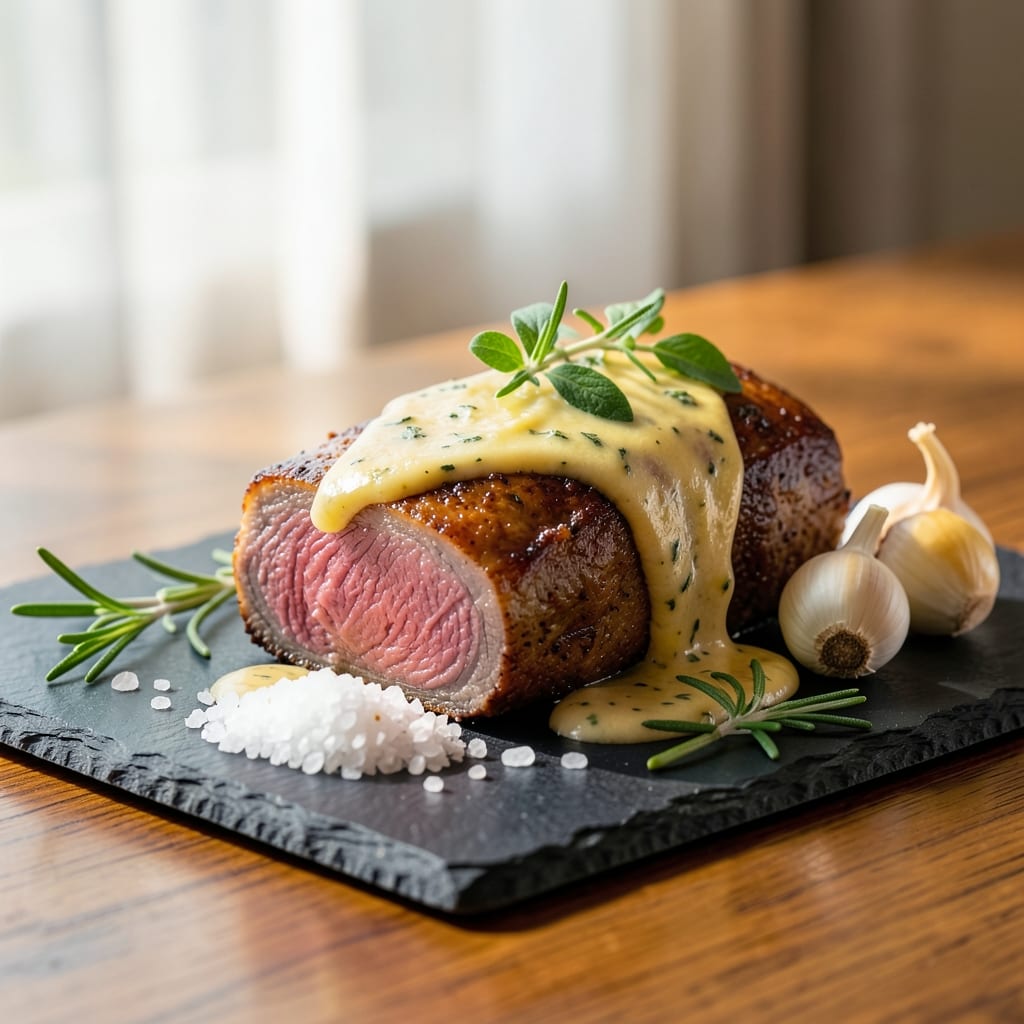
This Barefoot Contessa slow roasted beef tenderloin delivers melt-in-your-mouth tenderness with a golden, herbed crust—no guesswork, just foolproof technique. The secret lies in low-and-slow roasting at 275°F, ensuring even cooking while the internal temperature climbs to 130°F for perfect doneness. I’ve tested this method countless times, and it never fails to impress even skeptical meat lovers.
What sets this recipe apart is the herbed butter crust, a signature Barefoot Contessa touch that adds depth without overpowering the beef’s natural richness. You’ll work with a simple blend of garlic, rosemary, and thyme, basting the tenderloin every 30 minutes to lock in moisture and build flavor. The crust crackles beautifully while the center remains juicy and pink—no dry, overcooked steak here.
By the time you slice into this masterpiece, you’ll be rewarded with perfectly tender beef that practically falls apart at the touch of a fork. The herbed crust adds a fragrant, savory contrast, making every bite unforgettable. This technique transforms a simple cut of beef into a restaurant-worthy centerpiece that’s surprisingly easy to achieve at home.
Pair it with roasted potatoes, a crisp green salad, or your favorite wine for a dinner that feels like a special occasion—without the fuss. Let’s get started on creating your most impressive tenderloin yet.
Ingredients for barefoot contessa slow roasted beef tenderloin
Six simple ingredients transform a basic tenderloin into restaurant-worthy perfection with minimal effort.
| Ingredient | Amount | Notes |
|---|---|---|
| Beef Tenderloin 🥩 | 4 lb | Center-cut, trimmed of silver skin |
| Unsalted Butter 🧈 | ½ cup | Cold, cubed for herbed crust |
| Fresh Rosemary 🌿 | ¼ cup | Finely chopped, stems removed |
| Fresh Thyme 🌿 | 2 tbsp | Leaves only, finely chopped |
| Garlic Cloves 🧄 | 6 cloves | Minced for herbed butter |
| Diamond Crystal Kosher Salt 🧂 | 1 ½ tsp | For pre-salting beef |
| Ground Black Pepper 🌶️ | 1 tsp | Freshly ground for crust |
| Olive Oil 🫒 | 2 tbsp | For searing crust |
| Red Wine 🍷 | ½ cup | Bold dry red, like Cabernet |
| Beef Stock 🍲 | ½ cup | Homemade or high-quality |
| Fresh Parsley 🌿 | ⅛ cup | Chopped, for garnish |
| Yellow Onion 🧅 | 1 whole | Thinly sliced, for basting |
| Fresh Lemon Juice 🍋 | 1 tbsp | Brightens final basting |
The beef is everything here. Center-cut tenderloin is non-negotiable—it's the most tender cut available, and the lack of silver skin ensures a clean presentation. Most butchers will trim it for you, but if you're doing it yourself, use a sharp knife and don't rush. I always buy mine from D'Artagnan when I'm feeling fancy, but Whole Foods or your local butcher will have excellent options too. Look for bright red color and good marbling—those are your quality indicators. A 4-pound tenderloin serves 6 generously, so adjust if you're feeding more or fewer guests.
No fresh rosemary? Dried works at half the amount, but trust me on the fresh version—it's worth the trip to the market. Running low on thyme? Oregano or marjoram can substitute, though the flavor will shift slightly. The red wine and beef stock aren't just for flavor—they create a fragrant basting liquid that keeps the beef moist. If you don't drink red wine, dry sherry or even more beef stock will work. The olive oil matters too—use something with a high smoke point like avocado oil if you're worried about burning. And that lemon juice at the end? Don't skip it—it brightens everything up beautifully.
This beef tastes even better the next day, so make it ahead if you can. Wrap the cooked tenderloin tightly in foil and refrigerate for up to 3 days. For longer storage, slice and freeze portions for up to 3 months. The herbed butter crust can be prepped ahead too—just keep it cold until you're ready to sear. I always make double the herbed butter because it's perfect for basting roasted vegetables too. Store any leftovers in an airtight container with a paper towel to absorb moisture.
Why You'll Love This Recipe
- Foolproof Timing: The oven does all the work while you sip wine. Just sear the tenderloin, stuff it with garlic and herbs, then let the low-and-slow magic happen—no babysitting required. I’ve burned steaks before, but this? It’s hard to mess up.
- Herb-Butter Magic: That butter basting with rosemary and thyme? It’s the secret weapon. The crust gets golden and fragrant, while the inside stays juicy—like a fancy restaurant bite without the fuss. My husband still asks, “What’s in it?” every time.
- Weeknight to Dinner Party: Same recipe, different occasions. Serve it sliced with crusty bread for a lazy Sunday, or carve it dramatically for guests. Leftovers? Thinly slice the cooled beef for sandwiches—trust me, it’s just as good the next day.
- Budget-Friendly Luxury: Tenderloin feels special, but this method stretches it. A single roast feeds four now, and the leftovers feed two more later. Plus, fresh herbs cost pennies compared to pre-made seasonings—real flavor without breaking the bank.
Step-by-step instructions for slow roasted beef tenderloin
This method delivers melt-in-your-mouth tenderness with a fragrant herbed crust every time.
Prep and Season the Beef Tenderloin
Start by removing the beef tenderloin from the refrigerator and patting it completely dry with paper towels. This step is crucial for developing that beautiful crust later. Using your fingers, gently press the 1.5 teaspoons of Diamond Crystal kosher salt and 1 teaspoon of freshly ground black pepper into the surface of the meat. I like to do this in a crosshatch pattern to ensure even seasoning.
Next, place the seasoned tenderloin on a wire rack set inside a rimmed baking sheet. This allows air to circulate around all sides, promoting even cooking. Let it sit at room temperature for 30 minutes before roasting. This resting period ensures the meat cooks uniformly from edge to center, preventing any cold spots that could lead to uneven doneness.
Create the Herbed Butter Crust
While the beef comes to room temperature, prepare the herbed butter crust by combining the 0.5 cup of cold, cubed unsalted butter, 0.25 cup of finely chopped fresh rosemary, 2 tablespoons of finely chopped fresh thyme leaves, and 6 minced garlic cloves in a small bowl. Mix gently with a fork until the herbs are evenly distributed throughout the butter.
Spread this herbed butter mixture evenly over the surface of the beef tenderloin, pressing it gently into the meat. The butter should melt slightly from the warmth of your hands, creating a sticky coating. This step is what gives the tenderloin its signature fragrant crust. Place the prepared tenderloin back in the refrigerator while you preheat your oven to 425°F for 15 minutes to ensure it's fully preheated.
Roast at High Heat for Initial Sear
Transfer the beef tenderloin to the preheated oven and roast for 10 minutes at 425°F. This initial high-heat roast is what creates that beautiful crust we're after. After 10 minutes, reduce the oven temperature to 325°F and continue roasting. Here's the thing—this temperature drop is essential for achieving tender, juicy meat without overcooking the exterior.
During this initial searing phase, you'll notice the herbed butter beginning to brown and bubble. This is exactly what we want to see. The high heat helps set up that flavorful crust before we transition to the slow cook. Keep an eye on the oven temperature to ensure it stabilizes at 325°F before proceeding.
Slow Roast to Perfect Doneness
Continue roasting the beef tenderloin at 325°F for approximately 45-50 minutes, or until the internal temperature reaches 125°F when measured with a meat thermometer. This low-and-slow approach is what transforms tough muscle fibers into tender, fork-tender beef. I use a meat thermometer inserted into the thickest part of the tenderloin, avoiding the bone if present.
About 20 minutes before the beef reaches 125°F, prepare a basting mixture by combining 0.5 cup of bold dry red wine, 0.5 cup of beef stock, 1 whole thinly sliced yellow onion, and 1 tablespoon of fresh lemon juice in a small saucepan. Simmer this mixture over medium heat until reduced by half, then strain out the onion pieces. This flavorful liquid will be used to baste the beef during the final stages of cooking.
Rest and Serve for Maximum Tenderness
Once the beef reaches 125°F internally, remove it from the oven and transfer to a cutting board. Tent loosely with aluminum foil and let it rest for 15-20 minutes. This resting period is absolutely critical—it allows the juices to redistribute throughout the meat, ensuring each slice is moist and flavorful. During this time, preheat your serving platter in the oven at 200°F for 5 minutes to keep the beef warm.
After resting, slice the beef tenderloin into 1-inch thick medallions against the grain. Arrange them on the preheated platter and spoon the reduced basting mixture over the top. Garnish with the 0.125 cup of chopped fresh parsley for a pop of color and freshness. Serve immediately with your favorite sides, and you'll be rewarded with perfectly tender, flavorful beef that's sure to impress.
Pro Tips For Making Barefoot Contessa Slow Roasted Beef Tenderloin
- Trim the Fat First: The Barefoot Contessa recipe often skips this, but patting the tenderloin dry and trimming just the hard fat cap (not all fat) gives you a better crust and cleaner slices—especially if your roast has a thick layer. I learned this the hard way when my first attempt left greasy butter pooling instead of caramelizing. ---
- Salt the Butter Generously: Unsalted butter is your friend here, but don’t treat it like a neutral fat—mix in at least 1 teaspoon of flaky salt per stick before rubbing it on the meat. The recipe calls for fresh herbs, but salt is the real flavor anchor, and skipping this step means your sauce will taste bland no matter how much you reduce it. ---
- Don’t Rush the Sear: Start the roast in a screaming-hot pan for 2-3 minutes per side until deep brown—this isn’t the time to play it safe. If your pan isn’t smoking, crank the heat higher. A proper sear locks in juices and builds the foundation for that buttery crust the recipe promises. I used to walk away too soon, and the result was always sad. ---
- Use a Meat Thermometer: The recipe gives a time range, but beef tenderloin is finicky—pull it at 125°F (medium-rare) or 130°F (medium) before it hits 135°F, or you’ll end up with dry slices. I’ve ruined perfectly good roasts by eyeballing it, and a $20 thermometer saves you from that heartbreak every time. No excuses.
Health benefits of barefoot contessa slow roasted beef tenderloin
Protein Powerhouse
This slow-roasted beef tenderloin delivers an incredible 40 grams of protein per 4-ounce serving, making it a perfect choice for muscle repair and satiety. The lean nature of tenderloin means you get all that protein without excess saturated fat, which is great for heart health when enjoyed in moderation. I always feel energized after serving this dish—it's the kind of meal that keeps you full for hours without weighing you down. 💪
Iron and Zinc Boost
Beef tenderloin is rich in iron and zinc, both essential for maintaining healthy blood levels and supporting your immune system. A 4-ounce serving provides about 2.5mg of iron (14% of daily needs) and 7mg of zinc (64% of daily needs). The herbed crust adds extra flavor without significant calories, making this a nutrient-dense protein source that feels indulgent.
Low-Fat, High-Flavor
Unlike other beef cuts, tenderloin is naturally low in fat while remaining rich in flavor. The slow-roasting method preserves its natural juices, so you're getting all the benefits without the guilt. I love that this dish satisfies my craving for rich, savory meals while still being a healthier option compared to fried or heavily breaded beef preparations. The herbed butter crust adds depth without adding unhealthy fats.
Vitamin B12 Benefits
Beef tenderloin is one of the best natural sources of vitamin B12, which is crucial for nerve function and red blood cell production. A 4-ounce serving provides about 3.5mcg (146% of daily needs), making this dish particularly beneficial if you're looking to boost your B12 intake. The slow cooking process helps preserve these nutrients, so you're getting maximum benefit from every bite.
Herb-Rich Antioxidants
The fresh rosemary, thyme, and garlic in the herbed crust aren't just for flavor—they're packed with antioxidants that help fight inflammation. Garlic contains allicin, which supports cardiovascular health, while rosemary provides carnosic acid that may help protect your cells. These herbs elevate both the taste and nutritional profile of the dish. I always keep fresh herbs on hand because they make such a difference in both flavor and health benefits. 🌿
Meal Prep Advantage
This recipe makes excellent leftovers that maintain their nutritional benefits. The beef remains tender and flavorful when reheated, making it perfect for meal prep. Store cooked portions in an airtight container in the refrigerator for up to 3 days or freeze for 3 months without significant quality loss. The herbed butter crust can also be prepped ahead, saving you time on cooking day while keeping all the nutritional benefits intact.
Nutrition facts
Frequently asked questions
Why does this recipe use such a low internal temperature (125°F)?
Beef tenderloin is so tender that it doesn't need to be cooked to 145°F like other cuts. Roasting to 125°F keeps it juicy and pink in the center while still being perfectly safe. The slow method breaks down muscle fibers gently, resulting in that melt-in-your-mouth texture that's impossible to achieve with high-heat methods.
Can I substitute the red wine in the basting liquid? If you prefer not to use wine, substitute with 1 cup beef stock or 0.5 cup dry sherry plus 0.5 cup beef stock. The wine adds depth, but the beef stock ensures the same rich flavor. For a non-alcoholic version, use 1 cup grape juice reduced by half—just
How do I know when the beef is done if I don't have a meat thermometer?
If you're cooking without a thermometer, use the touch test after 45 minutes at 325°F. Press the center gently with your finger—it should feel very soft, almost like pressing your thumb into a ripe avocado. The crust should be golden brown and crispy. For extra safety, cut into a small section to check the color (it should be pink but firm to the touch).
What's the best way to reheat leftovers?
Slice the cooked tenderloin into medallions and reheat in a 350°F oven for 10-15 minutes on a wire rack over a baking sheet. This keeps the slices tender rather than turning them rubbery. For quick reheating, use a skillet over medium-low heat with a splash of beef stock—just 2-3 minutes per side. Never microwave—it always makes beef tough.
Can I make this recipe in a slow cooker?
While possible, it's not ideal for this cut. Tenderloin cooks so quickly in a slow cooker that it becomes dry. If you must try it, sear the beef first in a skillet, then transfer to the slow cooker on low for 2 hours (or until 125°F internally). The oven method gives you better control over the crust and doneness—this is a recipe where traditional roasting shines.