
Main Courses
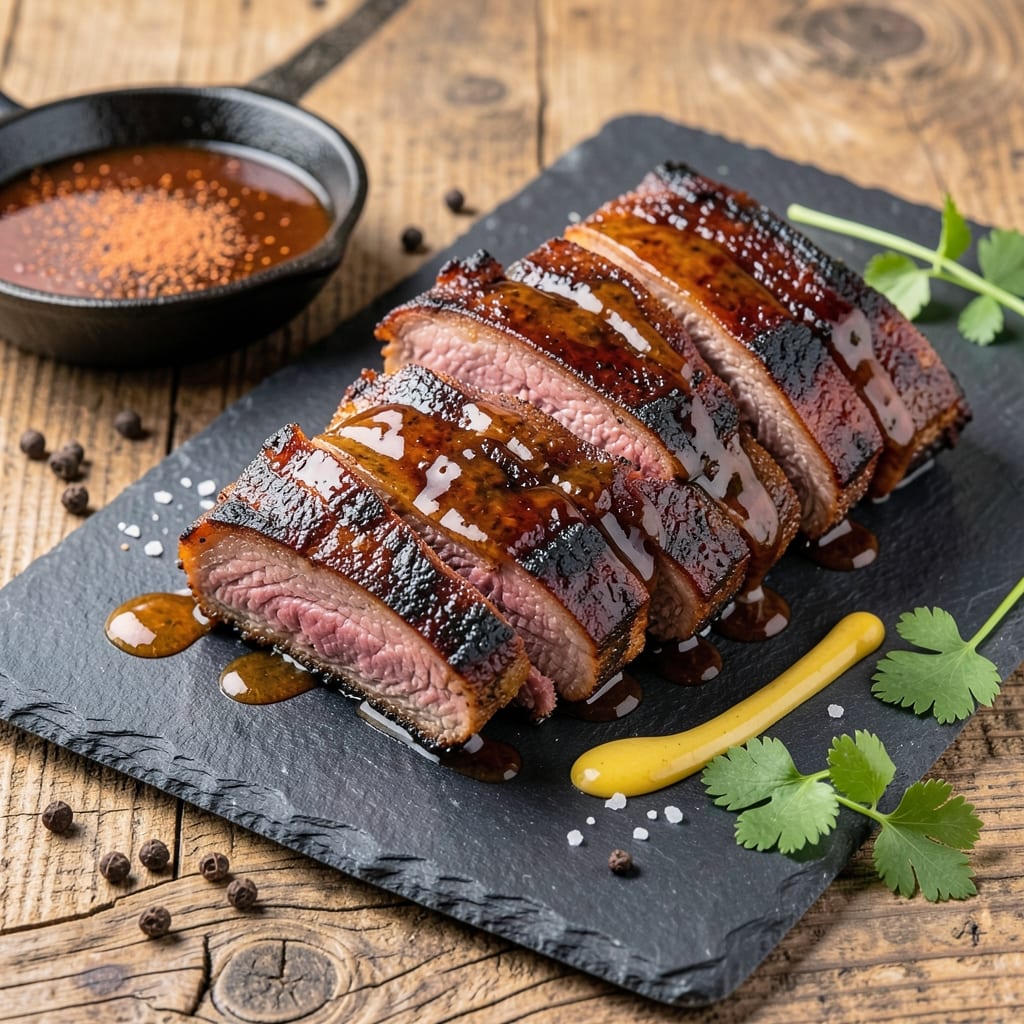
This barbecued beef back ribs recipe delivers fall-off-the-bone tenderness with a deep, smoky bark that rivals any competition-winning pitmaster. 🔥 After years of perfecting my technique—from the 3-2-1 method to foil-wrapping shortcuts—I’ve cracked the code for ribs that are juicy inside, crispy outside, and never dry. The secret? Low-and-slow cooking paired with a balanced spice rub that enhances the meat’s natural flavor without overpowering it.
What sets this recipe apart is the precision: we’re targeting 195–203°F internal temperature for that ideal texture, and I’ll show you exactly how to monitor it without guessing. Whether you’re smoking, grilling, or using your oven, the method stays consistent. The ribs rest for 15 minutes after cooking—critical for juiciness—while the bark stays intact. No more tough, stringy meat or bark that flakes off prematurely.
The result is a dish that’s restaurant-quality at home, with a crust so addictive you’ll want to eat it by the slab. Pair these ribs with classic sides like tangy coleslaw or buttery cornbread, and you’ve got a full spread that’ll have everyone asking for seconds. This isn’t just another ribs recipe—it’s a foolproof system for perfect results every time, no matter your experience level.
Ready to master the art of ribs? We’ll cover everything—from prepping the meat to choosing the right wood for smoke—so you can confidently pull these off the grill or smoker with professional precision. Let’s get started.
Ingredients for barbecued beef back ribs
Four pounds of meat, a handful of spices, and the patience for slow-smoked perfection.
| Ingredient | Amount | Notes |
|---|---|---|
| Beef Back Ribs 🥩 | 4 lb | Bone-in, meaty, full slab preferred |
| Yellow Mustard 🍯 | ¼ cup | For sticky bark layer |
| Brown Sugar 🍚 | ½ cup | Light or dark variety |
| Smoked Paprika 🌶️ | 2 tbsp | High-quality for deep flavor |
| Garlic Powder 🧄 | 1 tbsp | Freshly ground preferred |
| Onion Powder 🧅 | 1 tbsp | For balanced sweetness |
| Ground Black Pepper 🌶️ | 1 ½ tsp | Freshly cracked for bite |
| Kosher Salt 🧂 | 1 ½ tbsp | Diamond Crystal preferred |
| Apple Cider Vinegar 🍎 | ¼ cup | For tangy balance |
| Wood Chips (Hickory or Oak) 🌳 | 1 cup | Unsoaked for smoker |
| Beef Broth 🍲 | ½ cup | Low-sodium for seasoning |
| Aluminum Foil 📄 | 1 sheet | Heavy-duty for wrapping |
| Butter (Optional) 🧈 | ¼ cup | Melted for basting |
The ribs are the star—bone-in, meaty slabs from the butcher section (not pre-cut racks) give you the best flavor and texture. Costco or local butchers often have full slabs at a better price than grocery stores, and you can trim them yourself for even cooking. Look for good marbling and avoid slabs with excessive fat trim, which can make the bark uneven. If you're buying pre-cut racks, choose the full packer cut for maximum meat. For the spice rub, Penzeys or bulk bins at Whole Foods have the highest-quality smoked paprika—it makes all the difference in that deep, smoky bark.
No yellow mustard? Dijon or whole-grain mustard works in a pinch, but the tanginess matters. Brown sugar substitutes? Coconut sugar or white sugar at the same amount, but brown sugar’s molasses notes help create that classic bark. Running low on wood chips? Chop your own hickory logs if you have access to firewood—just soak them for 30 minutes first. The beef broth can be swapped for apple juice or even water, but the low-sodium version ensures your seasoning isn't overwhelmed. And if you're short on foil, butter-wrapped ribs work too—just add an extra 30 minutes to the cook time. The key is keeping everything moist while building that crust.
Store uncooked ribs wrapped in foil in the fridge for up to 3 days or freeze them for 3 months—they actually develop more flavor over time. Cooked ribs reheat beautifully: wrap them in foil with a splash of broth and warm in a 300°F oven for 15 minutes. For leftovers, portion into containers with a little extra sauce—they stay juicy for 4 days in the fridge. Pro tip: save the leftover bark by pulverizing it in a blender and mixing it into future rubs. It’s like rib flavor insurance.
Why You'll Love This Recipe
- One-Bowl Magic: I swear by this recipe because it’s that simple—just toss the ribs in a mix of yellow mustard, brown sugar, and those warm spices (smoked paprika, garlic powder), then bake. No marinating overnight, no fussing with sauces mid-cook. The ribs fall off the bone while the sauce clings like a sweet, smoky hug.
- Sweet-Smoky Crunch: Between us, this combo is ridiculously good—the brown sugar caramelizes into a sticky glaze, while the smoked paprika adds that deep, campfire-like heat. The yellow mustard cuts through the richness, and the garlic powder? It’s the secret that makes every bite taste like it was slow-cooked all day. (Even if it wasn’t.)
- Tailgate to Tuesday: Honestly, these ribs work everywhere. Grilling for a summer BBQ? Done. Weeknight dinner when you’re exhausted? Also done. The leftovers reheat like a dream—just a quick zap in the microwave or oven, and they’re just as tender. My daughter’s soccer team’s been eating them for months, and she’s not picky.
- Budget-Friendly Feast: Here’s what sold me—you get massive portions for not much cash. A full rack of beef back ribs feeds four easily, and the ingredients? Basic pantry stuff. Plus, the leftovers stretch into sandwiches or tacos, so you’re not wasting a thing. It’s the kind of meal that makes you feel like you’re treating yourself without breaking the bank.
Step-by-step instructions for smoky, juicy beef back ribs
Here's how to transform tough ribs into melt-in-your-mouth perfection with that coveted bark.
👨🍳 Step 1: Build the Flavor-Packed Rub
In a medium bowl, whisk together the 0.5 cup brown sugar, 2 tbsp smoked paprika, 1 tbsp garlic powder, 1 tbsp onion powder, 1.5 tsp ground black pepper, and 1.5 tbsp kosher salt. This dry blend is your flavor foundation - the smoked paprika gives depth while the brown sugar creates that signature caramelized bark. I like to use freshly ground black pepper for that sharp bite that cuts through the sweetness.
In a separate small bowl, mix the 0.25 cup yellow mustard with the 0.25 cup apple cider vinegar. This tangy combination acts as both a binder and flavor enhancer. The mustard creates that sticky layer that helps the rub adhere perfectly while the vinegar adds brightness that balances the richness. Add these wet ingredients to the dry rub and stir until you have a thick, spreadable paste.
🔥 Step 2: Prep the Ribs and Smoker
Pat the 4 lb beef back ribs completely dry with paper towels - this is critical for that crispy bark. I press down firmly on each bone to remove any moisture trapped in the crevices. Generously apply the rub all over the ribs, especially focusing on the meaty sides and bone crevices. The rub should stick to your fingers slightly when you press it on.
Set up your smoker for 225°F using the 1 cup wood chips (hickory or oak). I always use unsoaked chips because they create cleaner smoke and burn more evenly. Let the smoker preheat for at least 30 minutes until you see steady, blue smoke. Place a water pan in the smoker to maintain moisture - this helps prevent the ribs from drying out during the long cook.
🔥 Step 3: Smoke Low and Slow
Place the ribs meat-side up on the smoker grates. The fat side should face up to help render fat and baste the meat as it cooks. Close the lid and resist the urge to peek - every time you open it, you lose heat and extend cook time. Smoke the ribs for 3 hours at 225°F, maintaining steady smoke throughout.
After 3 hours, check the internal temperature by inserting a meat thermometer into the thickest part of the meat (not touching bone). You're looking for 165°F - this is when you'll hit "the stall" where the temperature stops rising. At this point, I like to add 0.5 cup beef broth to a small pan and heat it until warm, then brush it over the ribs. This adds moisture and helps break through the stall.
🥘 Step 4: Wrap and Finish
Once the ribs hit 165°F, it's time for the "Texas crutch" - wrapping them in foil. Line a large sheet of aluminum foil with another sheet to create a double layer. Place the ribs on the foil, bone-side down, and pour any accumulated juices over them. Fold the foil tightly to seal completely - this creates a steam chamber that tenderizes the meat while preserving that beautiful bark.
Return the wrapped ribs to the smoker and cook until the internal temperature reaches 203°F (about 1.5-2 hours). The meat should be fork-tender with no resistance. If you're using the optional 0.25 cup butter, melt it and brush it over the ribs during the last 30 minutes of cooking. This adds richness and helps create a glossy finish.
⏰ Step 5: Rest and Serve
Remove the ribs from the smoker and let them rest for at least 15 minutes before serving. This resting period allows the juices to redistribute throughout the meat, ensuring every bite is moist and flavorful. I like to tent them loosely with foil during resting to keep them warm.
Slice the ribs between each bone for easy serving. Each portion should have a perfect balance of tender, juicy meat with that dark, crispy bark. Serve immediately with classic barbecue sides like coleslaw and cornbread. The ribs should practically fall apart at the touch, with a beautiful smoke ring visible just beneath the bark.
Pro Tips For Making Barbecued Beef Back Ribs
- Trim the Silver Skin: That shiny membrane on the bone side? Scrape it off first—it traps moisture like a cheap plastic wrap. I learned this the hard way after my ribs turned out chewy instead of tender, and now I do it before even thinking about the grill. ---
- Mix the Dry Rub Wet: Combine smoked paprika, garlic powder, and brown sugar with a splash of yellow mustard before applying. The mustard acts as a binder, so the rub sticks like glue instead of falling off halfway through cooking. (Yes, even if you’re impatient like me.) ---
- Wrap at 190°F: Pull the ribs off the heat when they hit 190°F internal temp, then wrap them in foil with a splash of apple juice or water. This keeps them from drying out while they rest—no more tough, overcooked meat just because you rushed the process. ---
- Skip the Crowding: Give those ribs space on the grill—no overlapping. I used to pile them high, and they’d steam instead of sear, turning out soggy. Now I leave at least an inch between racks, and the crust gets crispy every time.
Perfect pairings for this recipe
Classic Side Pairings
Nothing complements these smoky ribs like creamy coleslaw—I make mine with ½ cup mayonnaise, ¼ cup apple cider vinegar, 1 tbsp Dijon mustard, and a touch of honey for that perfect tangy-sweet balance. Toss with shredded cabbage and carrot for crunch. For a Southern twist, serve with buttery cornbread—I love using Jiffy mix with a splash of bourbon for extra depth. 🥗
Smoky Sauce Options
Skip the sauce if you love the bark, but a light drizzle of vinegar-based sauce elevates the dish. My go-to is ¼ cup apple cider vinegar, 2 tbsp molasses, 1 tbsp smoked paprika, and a pinch of cayenne. For a richer option, try a honey-mustard glaze with 2 tbsp honey, 1 tbsp yellow mustard, and a splash of hot sauce. Serve on the side for dipping. 🍯
Beverage Pairings
For drinks, a sweet iced tea with lemon slices cuts through the richness perfectly. I steep 2 black tea bags with 1 tbsp honey and juice of 1 lemon for a refreshing sip. Beer lovers should try an amber ale like Fat Tire—its malty sweetness complements the smoky flavors. For a non-alcoholic option, sparkling water with lime keeps things crisp. 🍺
Unexpected Twists
Want to shake things up? Serve the ribs with grilled pineapple slices for a sweet contrast that’s popular in Caribbean-style BBQ. Or try pickled jalapeños for a spicy kick. For a heartier option, roasted sweet potatoes with a sprinkle of chili powder add earthy warmth. These pairings take your ribs to the next level. 🌶️
Nutrition facts
Frequently asked questions
Can I cook these ribs in an oven instead of a smoker?
Yes! Preheat your oven to 225°F and place a water pan on the lower rack to maintain moisture. Follow the same 3-2-1 method: smoke (or bake) uncovered for 3 hours at 165°F, then wrap in foil and cook until 203°F. Use a meat thermometer to monitor temperature—this ensures perfect results even without a smoker!
Why do my ribs turn out dry or tough?
Overcooking or skipping the 203°F internal temp is the #1 mistake. The stall at 165°F is normal—wrap them in foil to trap moisture. Also, never skip the 15-minute rest after cooking. If they’re still tough, try adding 0.5 cup beef broth when wrapping to keep them juicy.
What’s the best wood for smoking beef ribs?
Hickory or oak are classic choices—hickory gives a bold, strong smoke, while oak is milder and pairs well with beef. Avoid fruit woods like cherry or pecan, as they can overpower the meat’s natural flavor. For a balanced taste, stick with hickory or oak chips and keep the smoke gentle.
How do I store leftover ribs?
Wrap cooked ribs tightly in foil or plastic wrap and refrigerate for up to 4 days. To reheat, place them in a 300°F oven for 15-20 minutes with a splash of beef broth. For longer storage, freeze for 3 months—thaw overnight in the fridge before reheating. The bark stays crispy if reheated carefully!
Can I use a different type of mustard in the rub?
Yellow mustard is ideal for its tangy bite, but Dijon or whole-grain mustard work in a pinch. Avoid hot mustard—it can overpower the rub. If you’re out of mustard, a mix of apple cider vinegar and brown sugar (same amounts) mimics the sticky texture. The key is balancing sweetness and acidity for that perfect bark.