
Main Courses
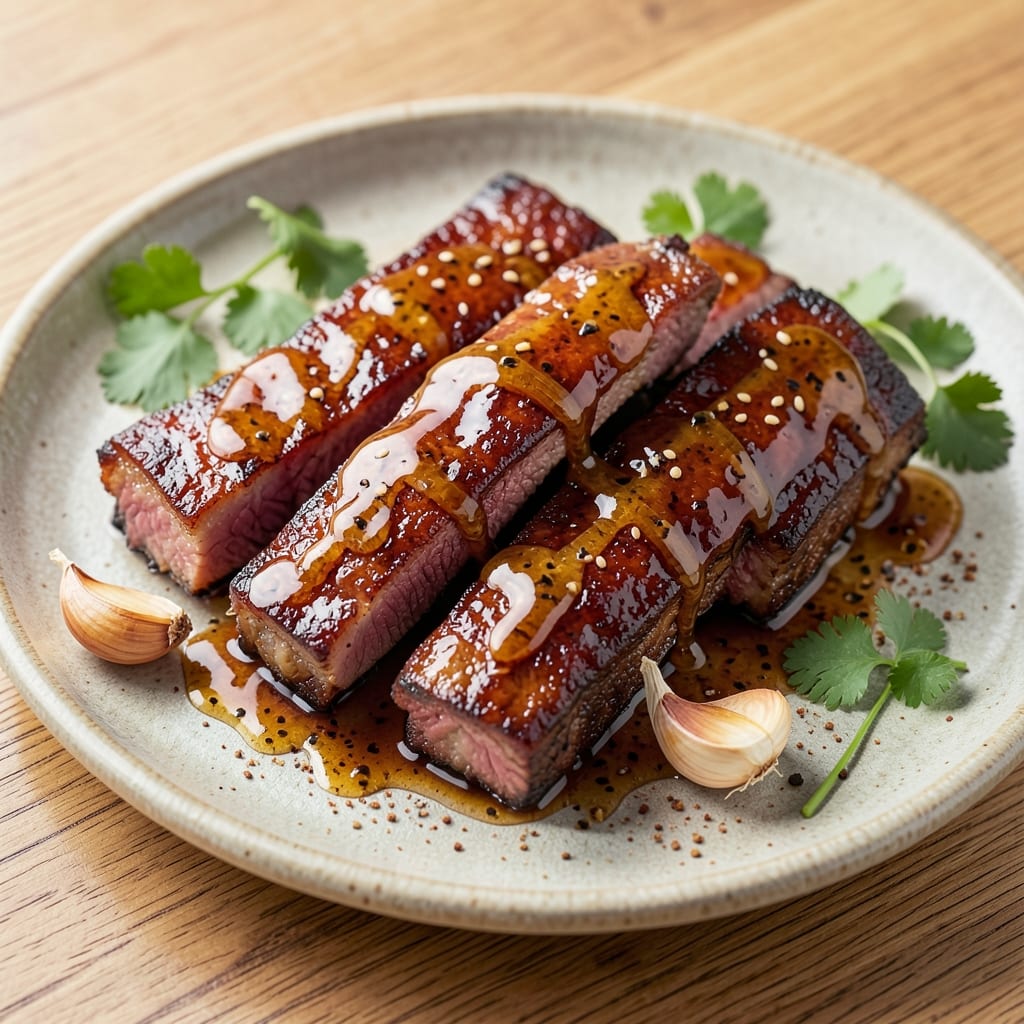
This Asian style beef ribs recipe delivers tender, five-spice glazed ribs with crispy edges in just 90 minutes—no smoker or long marinating required. The secret lies in a soy-based marinade infused with aromatic spices that penetrate the meat while you work, and a quick glaze that caramelizes into a sticky, umami-rich finish. I developed this method after years of experimenting with Asian-style braising techniques, and it consistently delivers restaurant-quality results at home.
The process combines braising for tenderness with a high-heat sear to create that signature Asian-style contrast—meltingly soft meat with a glossy, crackling exterior. We'll use a simple five-spice blend (star anise, cinnamon, cloves, fennel, and pepper) in the marinade to build deep, warming flavors, then finish with a honey-soy glaze that adds both sweetness and stickiness. The beauty of this method is its versatility: grill, oven, or stovetop—all work equally well.
By the time you're done, you'll have ribs that are fall-apart tender yet crispy at the edges, coated in a glossy, aromatic glaze that makes every bite irresistible. The aroma alone—smoky, sweet, and spiced—will have everyone gathering around your table. Serve with steamed jasmine rice and quick-pickled vegetables for a complete, authentically balanced meal.
This recipe transforms a weeknight dinner into a flavor-packed experience without requiring specialized equipment. Let's get started—your taste buds (and leftovers) will thank you.
Ingredients for asian style beef ribs
These 14 ingredients transform tough ribs into restaurant-style crunch with aromatic five-spice depth.
| Ingredient | Amount | Notes |
|---|---|---|
| Beef Ribs (Baby Back) 🥩 | 2 ½ lb | Bone-in, meaty sections preferred |
| Soy Sauce 🍶 | ½ cup | High-quality, low-sodium preferred |
| Honey 🍯 | ¼ cup | Wildflower or clover variety |
| Sesame Oil 🫒 | 1 tbsp | Toasted sesame oil for aroma |
| Five-Spice Powder 🌶️ | 1 tbsp | Homemade or store-bought blend |
| Garlic Cloves 🧄 | 6 cloves | Fresh, minced for marinade |
| Fresh Ginger 🌿 | 1 tbsp | Grated, aromatic ginger |
| Brown Sugar 🍚 | ¼ cup | Light or dark, packed |
| Rice Vinegar 🍶 | 1 tbsp | White or seasoned vinegar |
| Olive Oil 🫒 | 1 tbsp | Extra-virgin for searing |
| Salt 🧂 | 1 tsp | Kosher or sea salt |
| Black Pepper 🌶️ | ½ tsp | Freshly ground |
| Green Onions 🧅 | 3 whole | Sliced, for garnish |
| Sesame Seeds 🌾 | 1 tbsp | Toasted, for garnish |
The ribs are the star—baby back gives you that perfect balance of meat and fat. Look for cuts with good marbling, not too lean. I usually grab mine from Costco when they're on sale, but Whole Foods has excellent quality too. If you're buying from a butcher, ask for the meatier sections—avoid those with too much bone. The five-spice powder is non-negotiable here; Penzeys or a well-stocked Asian market will have the best blend. If you can't find it pre-mixed, combine equal parts star anise, cinnamon, cloves, fennel seeds, and black pepper—it's worth the effort for that authentic warmth.
No sesame oil? Toasted peanut oil works in a pinch, though it won't have the same nutty aroma. Substituting honey? Maple syrup or agave keeps things vegan-friendly, though the flavor will shift slightly. Short on brown sugar? White sugar plus a pinch of molasses mimics the depth. The garlic and ginger are your flavor anchors—don't skip the grating for ginger, as pre-minced loses potency fast. For the glaze, if you're avoiding honey, equal parts soy sauce and brown sugar with a splash of vinegar gets you close. And if sesame seeds are too pricey, crushed peanuts add a similar crunch to the garnish.
Marinate the ribs for at least 30 minutes—overnight is ideal if you have time. The marinade keeps in the fridge for 3 days, so double it if you're feeding a crowd. After cooking, ribs reheat beautifully—wrap them in foil with a splash of water and warm in the oven for 10 minutes. Store leftovers in an airtight container for 4 days or freeze for 3 months. Pro tip: Save the leftover marinade for quick stir-fries—it's packed with flavor.
Why You'll Love This Recipe
- Five-Ingredient Magic: I swear, this recipe tricks you into thinking it’s fancy. Five-spice powder and sesame oil alone make these ribs taste like they spent hours marinating—when really, I’m talking 15 minutes of hands-off time. (Yes, even on a Tuesday night.)
- Sweet-Savory Balance: That honey-soy glaze? It’s the kind of addictive you’ll catch yourself licking the bowl. The five-spice powder adds warmth, while the sesame oil gives it that nutty depth—like someone took all the best parts of Asian street food and poured them onto your ribs.
- Weeknight Crowd-Pleaser: Between us, these ribs disappear at parties and when I’m feeding a family of picky eaters. The baby back ribs cook fast, the sauce is foolproof, and honestly? My kids ask for them more than pizza. (Not that I’m keeping score.)
- Leftovers That Don’t Suck: Most rib recipes leave you with dry, sad seconds—but not this one. The glaze keeps them tender for days, and I’ve reheated them in the oven, air fryer, or even straight from the fridge. Pro tip: Toss them with rice and quick-pickled veggies for a no-stress lunch.
Step-by-step instructions for Asian style beef ribs
Here's the method that delivers tender, caramelized ribs with that signature five-spice crunch.
Prepare the Five-Spice Glaze
In a medium saucepan, combine the 0.5 cup soy sauce, 0.25 cup honey, 1 tbsp sesame oil, 1 tbsp five-spice powder, 0.25 cup brown sugar, and 1 tbsp rice vinegar. Bring to a gentle simmer over medium heat, stirring constantly for 5 minutes until the sugar dissolves completely and the mixture thickens slightly. You'll notice the aroma become rich and complex—this is where the five-spice powder really shines, blending sweet, spicy, and aromatic notes.
While the glaze simmers, mince the 6 cloves garlic and grate the 1 tbsp fresh ginger. Add these to the saucepan and cook for another 2 minutes until fragrant. The garlic should soften just enough to release its sweetness without burning. Remove from heat and let the glaze cool slightly—this prevents the ribs from steaming when they're coated.
Prep and Sear the Ribs
Pat the 2.5 lb beef ribs completely dry with paper towels—this is crucial for achieving that crispy bark later. In a small bowl, mix 1 tsp salt and 0.5 tsp black pepper with 1 tbsp olive oil to create a dry rub. Coat the ribs generously on all sides, pressing the seasoning into the meat so it adheres well. Let them sit at room temperature for 20 minutes while you preheat your oven to 375°F.
Heat a large oven-safe skillet over high heat until smoking hot. Add the ribs and sear for 3-4 minutes per side until they develop deep brown spots. You'll see the fat begin to render and the surface develop a caramelized crust—this is the foundation of our flavor. Once seared, transfer the skillet to the preheated oven.
Braise with Glaze for Tender Perfection
Pour the cooled five-spice glaze evenly over the ribs in the skillet. The liquid should partially cover the meat—this creates a moist environment that helps tenderize the ribs as they cook. Cover the skillet tightly with aluminum foil and transfer to the oven. Braise for 45 minutes, then flip the ribs and baste with any accumulated pan juices. Return to the oven for another 45 minutes—this two-stage approach ensures even cooking and maximum tenderness.
Here's where the magic happens: the ribs should be fork-tender when pierced with a sharp knife. If you're using a meat thermometer, they're ready when the internal temperature reaches 195-200°F. The glaze should have thickened into a sticky, caramelized coating that clings beautifully to the meat. Resist the urge to peek—the steam is what breaks down the connective tissue.
Finish with Crispy Texture
Remove the ribs from the oven and increase the heat to broil. Uncover the skillet and broil for 3-5 minutes until the glaze bubbles and darkens to a deep amber color. Watch carefully—you want that beautiful caramelized finish without burning. The ribs should develop a glossy, sticky exterior with crisp edges that contrast perfectly with the tender meat underneath.
Transfer the ribs to a cutting board and let them rest for 10 minutes before slicing. This resting period allows the juices to redistribute, ensuring each bite is moist and flavorful. While they rest, slice the 3 whole green onions and toast the 1 tbsp sesame seeds in a dry skillet over medium heat for 1 minute until fragrant. Garnish each serving with the green onions and sesame seeds for that final touch of color and texture.
Pro Tips For Making Asian Style Beef Ribs
- Trim the Fat First: Cut the thick silver skin off the ribs before cooking—it doesn’t add flavor and just makes the sauce stick like glue. I learned this the hard way when my first batch turned into a sticky mess that wouldn’t caramelize properly.
- Marinate Overnight: Toss the ribs in half the soy sauce and five-spice powder at least 8 hours ahead. The spices penetrate deeper, and the meat stays juicy instead of drying out when you grill or sear it later. Yes, even if you’re impatient like me.
- Balance the Sweet Heat: Reduce the honey and soy sauce together until it thickens slightly—about 3 minutes on medium heat. This prevents a gloppy sauce and lets the five-spice powder shine without getting lost in syrup. (Trust me, your ribs won’t taste like candy.)
- Sear in Batches: Don’t crowd the pan—work in 2-3 batches for a proper crust. Overcrowding steams the ribs instead of searing, and you’ll end up with uneven color and texture. A hot, dry pan is your friend here.
Common mistakes when making this dish
Skipping the Sear
One of the biggest mistakes I see is skipping the initial high-heat sear. That first sear creates the Maillard reaction—the chemical process that develops deep, complex flavors and that beautiful brown crust. Without it, your ribs will taste flat and lack that restaurant-quality texture. I can't stress enough how important this step is—don't rush it. Let the pan get properly hot before adding the ribs, and give them 3-4 minutes per side to develop those flavorful spots. 🔥
Overcrowding the Pan
Another common error is trying to cook all the ribs at once in a small pan. When you overcrowd, the ribs steam instead of sear, leading to soggy meat and uneven cooking. For 2.5 lbs of ribs, you need a pan that's at least 12 inches wide—preferably oven-safe cast iron like my Lodge skillet. If you're working with more ribs, cook them in batches and keep them warm in a 200°F oven while you finish the others.
Peeking Too Often
I know it's tempting to check on your ribs every 5 minutes, but opening the oven too frequently lets all that precious steam escape. That steam is what breaks down the collagen in the meat, making it tender. Every time you peek, you're slowing down the cooking process and potentially drying out the ribs. Trust the method—I promise the ribs will be perfect at 195-200°F internal temperature without you needing to monitor constantly.
Using Low-Quality Soy Sauce
The quality of your soy sauce makes a huge difference in the final flavor. Many people use whatever's in their pantry, but for authentic Asian-style ribs, you need high-quality soy sauce—preferably Kikkoman or Lee Kum Kee. These brands have that perfect balance of salty umami that penetrates the meat. If you're using low-sodium soy sauce, add an extra ½ tsp salt to the marinade to compensate for the reduced sodium content.
Skipping the Rest
This is a big one—I see people cut into ribs immediately after they come out of the oven, and it's a game-changer. Letting the ribs rest for 10 minutes allows the juices to redistribute throughout the meat. If you skip this step, you'll end up with dry, stringy ribs. I know it's hard to wait, but trust me, your taste buds will thank you. Use this time to prep your garnishes and get everything ready for serving.
Ignoring the Glaze Thickness
The glaze should coat the ribs like a second skin—thick enough to cling but still glossy. If your glaze is too thin, it won't caramelize properly, and you'll end up with sticky ribs that aren't crispy. If it's too thick, it won't spread evenly. Aim for a consistency similar to light syrup. If yours is too thin, simmer it uncovered for another 2-3 minutes to reduce it. And always let it cool slightly before coating the ribs to prevent steaming. ✨
Nutrition facts
Frequently asked questions
Can I use pork ribs instead of beef ribs for this recipe?
While beef ribs work perfectly for this method, pork ribs will require some adjustments. Pork ribs cook faster and are more tender, so reduce the braising time to 30-40 minutes total (instead of 90) and check for doneness at 180°F internal temperature. The five-spice glaze will still work beautifully, but you may want to reduce the honey slightly—pork pairs well with less sweetness. For best results, use baby back pork ribs and monitor closely during the final broil.
How do I make this recipe without a broiler?
No broiler? No problem! After the braising step, transfer the ribs to a baking sheet and place them under a preheated 400°F oven for 5-7 minutes until the glaze caramelizes. Keep a close eye on them—they'll brown faster than under the broiler. Alternatively, finish them on the stovetop over medium-high heat in a clean skillet for 2-3 minutes per side until glossy and sticky.
What's the best way to serve these Asian-style ribs? These ribs shine with classic Asian accompaniments. Serve with steamed jasmine rice to soak up the sticky glaze, and add quick-pickled vegetables (like cucumbers or carrots) for brightness. For extra flavor, offer steamed bok choy or a simple sesame green salad. The contrast of cool, crunchy veggies with the warm, tender ribs makes every bite perfect.
Can I make this recipe in a slow cooker?
Skip the initial sear and transfer the marinated ribs directly to the slow cooker with the glaze. Cook on Low for 6 hours or High for 3 hours until fork-tender. In the last 30 minutes, increase heat to High and cover with the lid slightly ajar to allow the glaze to caramelize. For extra crispiness, finish under the broiler or in a skillet as directed in the original method. The slow cooker version is perfect for hands-off cooking!
Why does my glaze turn out too thick or too thin?
Glaze consistency is key! If it's too thin, simmer uncovered for 2-3 extra minutes to reduce. For a thicker glaze, add 1 tbsp cornstarch mixed with 1 tbsp water and stir until it reaches a syrupy consistency. The ideal glaze should coat the back of a spoon but still be pourable. Remember, the glaze will thicken further as it cools, so adjust while it's still warm. Pro tip: Use a candy thermometer to aim for 235-240°F for perfect caramelization.