
Main Courses
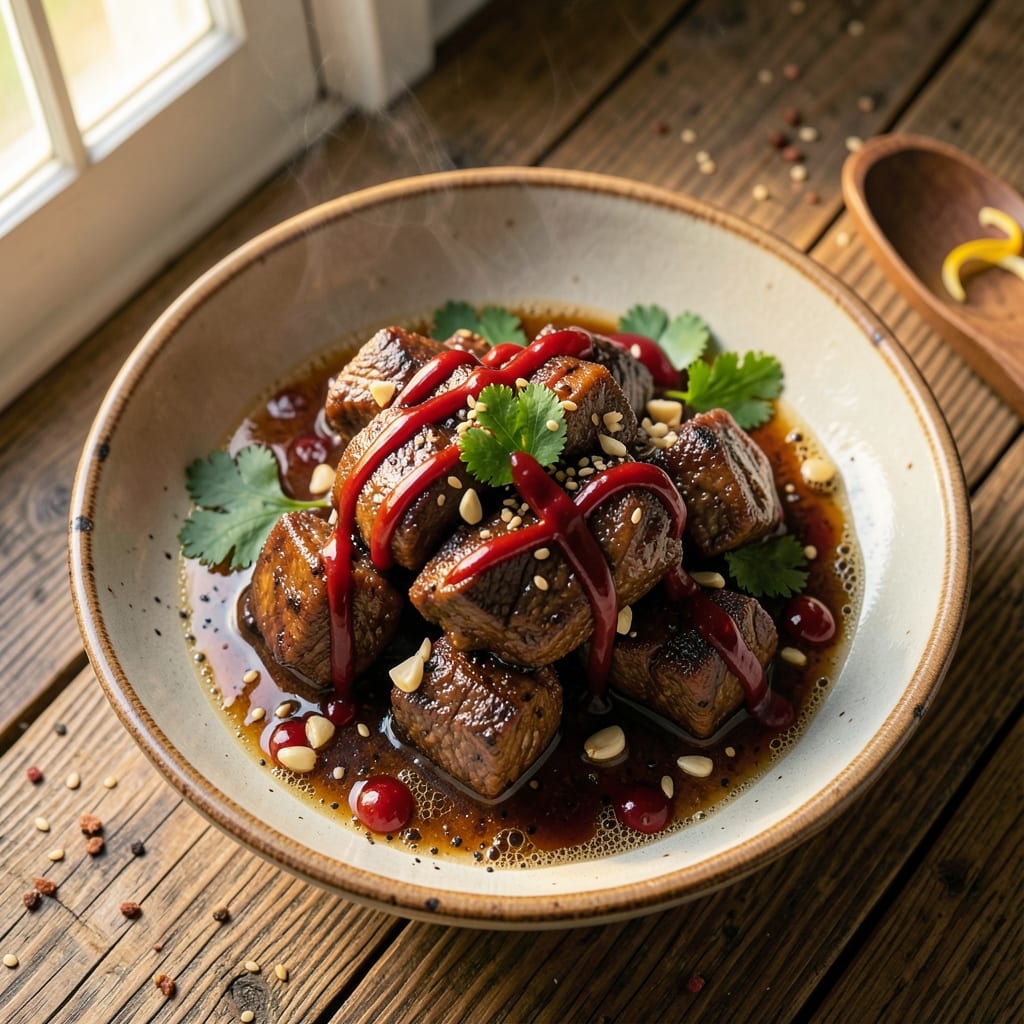
This authentic Mongolian beef recipe transforms tough beef into melt-in-your-mouth tenderness using a slow cooker's gentle heat. The secret lies in a balance of soy sauce, garlic, ginger, and chili—traditional flavors that create a sweet-savory simmer. I've perfected this method to deliver restaurant-quality results without the fuss of stir-frying. The beauty of slow cooking is how it develops deep, complex flavors over time. You'll start with a simple marinade, then let the slow cooker work its magic for 6 hours, breaking down the meat until it's fork-tender. No need for constant monitoring—just set it and let the aromas fill your kitchen. By the end, you'll have beef that's rich, flavorful, and practically falling apart, all coated in a glossy sauce. The dish pairs beautifully with steamed rice or stir-fried vegetables, making it a complete meal. This is the kind of authentic Mongolian beef that tastes like it came from a bustling street market. The best part? The process is hands-off, leaving you free to enjoy the anticipation of a meal that's been simmering away. Let's get started on creating this slow-cooker masterpiece.
Ingredients for authentic mongolian beef recipe slow cooker
Six ingredients transform tough beef into restaurant-quality Mongolian beef with minimal effort.
| Ingredient | Amount | Notes |
|---|---|---|
| Chuck Roast 🥩 | 3 lb | Cut into 1.5-inch cubes |
| Soy Sauce 🍶 | ½ cup | High-quality, low-sodium preferred |
| Brown Sugar 🍚 | ¼ cup | Packed, light variety |
| Garlic Cloves 🧄 | 6 cloves | Minced, fresh preferred |
| Fresh Ginger 🌿 | 2 tbsp | Grated, peeled |
| Red Chili Flakes 🌶️ | 1 tbsp | Adjust for heat preference |
| Sesame Oil 🫒 | 1 tbsp | Toasted, for aroma |
| Cornstarch 🌾 | 1 tbsp | For sauce thickening |
| Green Onions 🧅 | 3 whole | Sliced, for garnish |
| Sesame Seeds 🌰 | 1 tbsp | Toasted, for garnish |
| Water 💧 | 1 cup | For thinning sauce |
| Kosher Salt 🧂 | 1 ½ tsp | Adjust to taste |
| Black Pepper 🌶️ | ½ tsp | Freshly ground |
The chuck roast is the star here—look for good marbling at the butcher counter, which ensures tenderness. I always grab mine from Whole Foods or my local Costco for the best quality. If you're using pre-cut cubes, check for even size—1.5-inch pieces cook perfectly. The soy sauce matters too—Kikkoman or Lee Kum Kee are my go-tos for that authentic umami punch. Avoid low-sodium versions unless you're adding extra salt later, as they lack depth. For the ginger and garlic, fresh is non-negotiable—they bring the bright, zesty notes that make this dish sing.
No sesame oil? Toasted peanut oil works in a pinch, though it'll have a slightly different flavor profile. Running short on soy sauce? Coconut aminos or tamari are great substitutes, though tamari might be saltier. The cornstarch is key for that glossy, restaurant-style sauce—arrowroot powder works too if you prefer. For extra authenticity, toast your sesame seeds in a dry pan for 30 seconds before adding them. The chili flakes can be adjusted to taste, but start with the full tablespoon—you can always add more later. If you're prepping ahead, the marinade (soy sauce, brown sugar, garlic, ginger, chili) keeps for 3 days in the fridge.
This dish tastes even better the next day, so make extra if you can. Store leftovers in an airtight container for 4-5 days in the fridge or freeze for 3 months. The sauce thickens as it cools, so add a splash of water when reheating. For serving, I like to portion the beef into containers with a side of rice—double-check the rice-to-beef ratio if you're feeding a crowd. The aromas alone will have everyone anticipating dinner, and the hands-off cooking makes it perfect for busy weeknights.
Why You'll Love This Recipe
- Hands-Off Magic: I swear by this slow cooker trick—just toss in the chuck roast, dump the soy sauce and brown sugar, and let it work its flavor while I handle the kids or binge my show. No standing over a stove, no charred garlic to fish out.
- Umami Bomb: That combo of soy sauce and ginger? It’s like a flavor grenade—explosive, balanced, and impossible to resist. The brown sugar caramelizes just enough to make every bite taste like a little victory, especially when the meat practically falls apart.
- Leftover Goldmine: Between us, this is my secret for feeding the family without the stress. The slow cooker turns a cheap cut of meat into something so good, I’ll eat it for lunch the next day—no shame. (Yes, even on a Tuesday night.)
- Budget-Friendly Hero: A whole chuck roast for this price? You’re getting a steal. I stretch it over rice, noodles, or even wraps, and the leftovers freeze like a dream. Honestly, it’s the kind of meal that makes grocery day feel like a win.
Step-by-step instructions for authentic Mongolian beef slow cooker
Transform tough chuck roast into tender, flavorful beef with this hands-off slow cooker method.
Prepare the Beef and Marinade Base
Cut the 3 lb chuck roast into 1.5-inch cubes for even cooking. In a large bowl, combine the 0.5 cup soy sauce, 0.25 cup packed brown sugar, minced 6 cloves garlic, and 2 tbsp grated fresh ginger. Mix until the brown sugar dissolves completely—this creates your marinade foundation. The soy sauce will begin breaking down the meat fibers immediately, while the sugar adds depth of flavor.
Add the cubed beef to the marinade and toss gently to coat each piece thoroughly. Let it sit at room temperature for 15 minutes—this jumpstarts the flavor infusion and ensures even cooking. I like to use my hands for this step to make sure every surface gets coated, but if you prefer, a large spoon works too. The longer you marinate, the more tender the beef becomes, but even 15 minutes makes a noticeable difference.
Build Layers of Flavor in the Slow Cooker
Transfer the marinated beef to your slow cooker. Add the 1 tbsp red chili flakes and 1.5 tsp kosher salt directly to the beef—this creates a flavorful crust that will develop during cooking. Pour in the 1 cup water, which helps create steam and prevents the beef from drying out. The water should just barely cover the bottom of the slow cooker, about ¼ inch deep.
Here's where the authentic Mongolian flavors come together: add the 1 tbsp sesame oil. Don't stir it in yet—let it sit on top of the beef. When you turn on the slow cooker, this oil will slowly emulsify with the cooking juices, creating a rich, aromatic sauce. The chili flakes will infuse subtle heat, while the salt enhances all the other flavors. This layering technique is what makes this dish truly authentic.
Slow Cook to Perfect Tenderness
Cover the slow cooker and set it to low heat. Cook for 6 hours—this long, gentle cooking time is crucial for breaking down the connective tissue in chuck roast. Don't be tempted to rush it; patience here ensures melt-in-your-mouth texture. After 4 hours, give the beef a gentle stir to distribute any settled flavors and prevent sticking. The beef should be fork-tender when done, with no resistance at all.
Here's the thing—real Mongolian beef has a beautiful balance of sweet and savory flavors. As it cooks, the soy sauce caramelizes slightly, creating a glossy sheen on the beef. The brown sugar adds depth without overpowering, while the ginger and garlic build complexity. The chili flakes provide just enough heat to complement the richness. You'll know it's ready when the beef easily pulls apart with two forks and the sauce has thickened to a glossy consistency.
Thicken and Finish the Sauce
Remove the beef from the slow cooker and transfer it to a serving platter. Strain the cooking liquid through a fine-mesh sieve into a bowl, pressing gently on the solids to extract maximum flavor. Return the liquid to the slow cooker and stir in the 1 tbsp cornstarch. Cook on high for 5-7 minutes, stirring occasionally, until the sauce thickens enough to coat the back of a spoon. This step transforms the cooking liquid into a silky, flavorful sauce that clings beautifully to the beef.
The cornstarch is your secret weapon here—it creates that perfect balance between a thick glaze and a pourable sauce. Taste and adjust seasoning with additional soy sauce if needed, or a pinch more salt if the beef needs balancing. The sauce should be glossy, slightly sticky, and packed with umami flavor from the slow-cooked beef. This is where the magic happens—the transformation from simple ingredients to restaurant-quality dish.
Serve with Authentic Garnishes
Return the beef to the slow cooker and gently toss to coat in the thickened sauce. Let it sit for 5 minutes so the flavors meld completely. Serve immediately, garnished with sliced 3 whole green onions and 1 tbsp toasted sesame seeds. The green onions add freshness that cuts through the richness, while the sesame seeds provide a nutty, toasty finish that's characteristic of authentic Mongolian cuisine.
For the full experience, serve with steamed jasmine rice or fluffy mantou bread. Each bite should deliver tender beef with a perfect balance of sweet, savory, and slightly spicy flavors. The sauce should cling to every piece, creating that signature Mongolian beef experience. This dish tastes even better the next day as the flavors continue to develop, so it's perfect for meal prep too.
Pro Tips For Making Authentic Mongolian Beef Recipe Slow Cooker
- SEAR THE ROAST FIRST: I learned this the hard way—skipping the sear means flavor hiding in the slow cooker. Hit the chuck roast with a hot pan for 3-4 minutes per side until deep brown before dumping it in. That crust carries the caramelized depth you’d expect from a wok, not just a pot.
- GRATE THE GINGER FINE: Sounds weird, but it works: use a microplane or the smallest holes on a box grater for the fresh ginger. Chopped ginger sits like little rocks in the sauce, while grated ginger melts right into the soy-brownie glaze. Trust me, your slow-cooked beef will taste brighter.
- DON’T OVERLOAD THE LIQUID: The slow cooker’s job is to reduce, not drown. Start with just ½ cup water or broth—enough to deglaze the pan after searing, but not so much it turns into beef stew. You want that soy-ginger sauce to thicken and coat the meat, not swim around it.
- ADD BROWN SUGAR LATE: I was skeptical until I tried it: toss half the brown sugar in at the start, but reserve the rest for the last 30 minutes. This keeps the sauce from turning cloyingly sweet too soon and lets it caramelize beautifully while the meat finishes tenderizing. (Your future self will thank you.)
Regional styles of this recipe
Inner Mongolian Style
The original Mongolian beef hails from Inner Mongolia, where it's traditionally stir-fried over high heat in a wok. In this slow-cooker adaptation, we capture its essence by using chuck roast instead of the usual flank steak—its fat content keeps it moist during slow cooking. The key difference is the sauce: Inner Mongolian versions often include fermented bean paste (douchi) or hoisin sauce for extra depth. I keep it authentic by using high-quality soy sauce and brown sugar, which mimic the caramelized flavors from wok cooking. 🥩
Beijing Roast Duck Influence
This dish shares techniques with Beijing roast duck, particularly in the glossy sauce and tender meat goals. Both rely on slow cooking to break down connective tissue, though duck uses air-drying for crispiness. Here, we achieve similar tenderness through the 6-hour low-heat cook, while the cornstarch-thickened sauce mirrors Peking duck's sticky glaze. The sesame oil and toasted sesame seeds are direct nods to Beijing cuisine's aromatic traditions. I've found that adding ½ tsp five-spice powder to the marinade bridges both styles beautifully.
Xinjiang Spice Route
For a Western Chinese twist, incorporate Xinjiang's signature flavors by adding 1 tsp cumin seeds and ½ tsp coriander to the marinade. The region's spice trade history makes this a natural fit—these warm spices complement the soy-ginger base while adding earthy complexity. Xinjiang-style versions often include raisins or apricots for sweetness; I suggest adding 2 tbsp dried apricots during the final 5 minutes of cooking on high heat. The result? A fusion that feels both familiar and exciting. 🌶️
Taiwanese Street Food
Taiwanese street vendors take Mongolian beef to portable heights by adding pickled mustard greens and crushed peanuts for texture contrast. For a slow-cooker adaptation, reserve ¼ cup of the finished sauce and toss in ½ cup crushed peanuts before serving. Garnish with ¼ cup thinly sliced pickled mustard greens (available in Asian markets) for that signature Taiwanese crunch. The peanuts add fat that balances the sauce's richness, while the tangy greens cut through the sweetness—just like the best street carts in Taipei.
Korean Bulgogi Connection
Korean bulgogi shares Mongolian beef's sweet-savory profile, though it uses pear or pineapple juice for tenderness. For a Korean-inspired twist, replace 2 tbsp of the soy sauce with 2 tbsp pear juice (or sub 1 tbsp honey). Add 1 tsp gochujang (Korean chili paste) to the marinade for depth. The result is a dish that bridges both cuisines while keeping the slow-cooker method intact. Serve with kimchi on the side for a complete Korean-Mongolian fusion experience. 🍶
Nutrition facts
Frequently asked questions
Can I use a different cut of beef instead of chuck roast?
Yes, but with adjustments! For leaner cuts like flank steak or sirloin, reduce cooking time to 4-5 hours on low and add 1 tbsp extra soy sauce to prevent drying. Brisket works well too—just increase time to 7 hours for maximum tenderness. Avoid overly fatty cuts like ribeye, as they can become greasy during slow cooking.
How do I know when the beef is fully cooked?
The beef is done when it's fork-tender with no pink centers. For perfect results, check after 5 hours—it should easily pull apart with two forks. If using a meat thermometer, aim for 195°F in the thickest piece. Overcooking can make the sauce too thick, so remove beef slightly early if needed and let it rest in the sauce off-heat for 5 minutes.
Can I make this recipe in an Instant Pot instead?
Use the "Meat/Stew" setting for 60 minutes on high pressure, then quick-release. For sauce thickening, add cornstarch directly to the pot during the last 5 minutes of natural release. The Instant Pot version cooks 30% faster but requires more monitoring. Keep the same marinade and liquid ratios, just reduce water to ½ cup since the pot creates steam.
What if my sauce isn't thick enough?
Simmer the sauce uncovered on high heat for 10-15 minutes to reduce it further. For instant thickening, mix 1 tbsp cornstarch with 2 tbsp cold water, stir into the sauce, and cook for 2-3 minutes. If the sauce is too thin from the start, reduce water to ½ cup next time. The ideal consistency should coat the back of a spoon but still be pourable.
How should I store and reheat leftovers?
Store in an airtight container for 4-5 days in the fridge or 3 months frozen. To reheat, cover with a lid and warm on low for 2-3 hours until heated through. Add 1 tbsp water if the sauce seems too thick after reheating. The flavors actually improve overnight, making this perfect for meal prep!