Soups & Stews
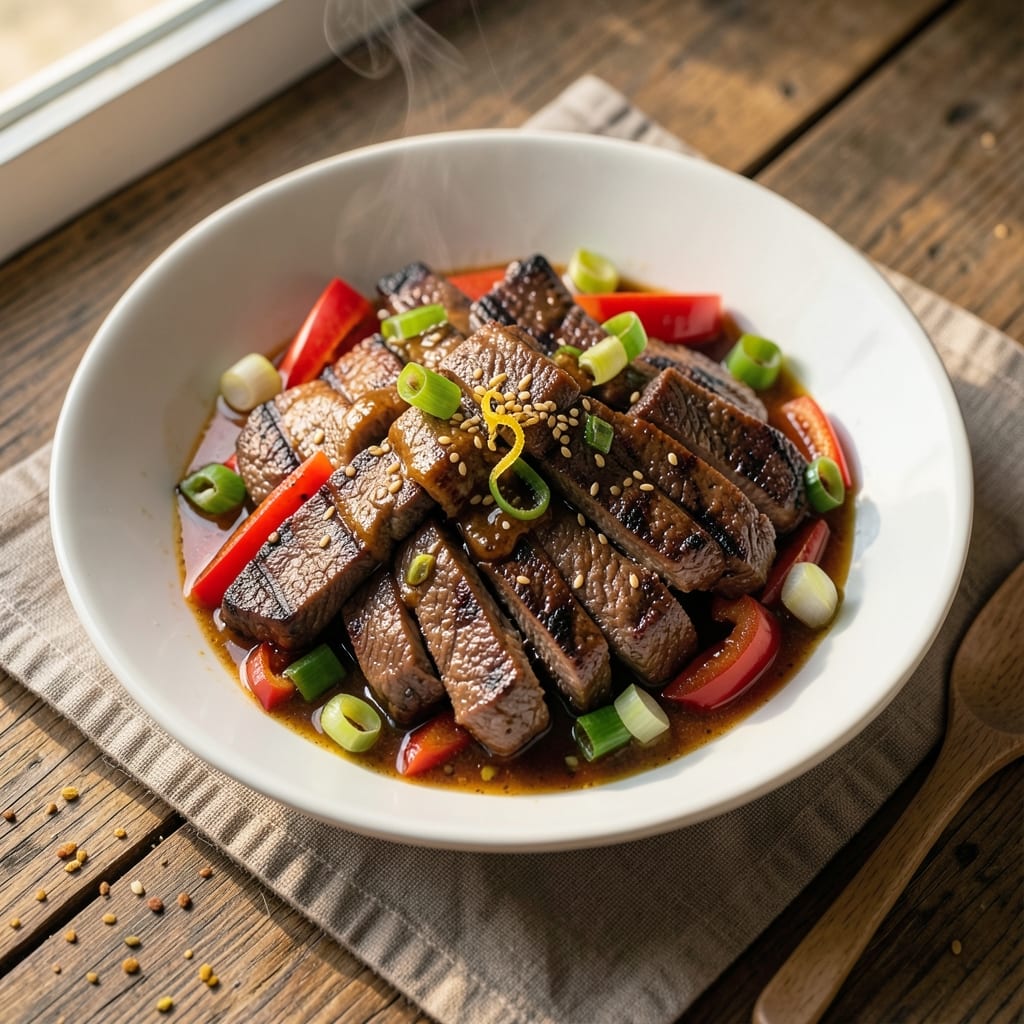
This authentic spicy Mongolian beef recipe delivers the bold, wok-hot flavors of a classic Chinese takeout dish—right in your own kitchen. The secret lies in a quick soy-ginger marinade and high-heat stir-frying that creates that signature crispy crust while keeping the beef tender. I've perfected this technique over countless batches, ensuring every bite delivers the perfect balance of spicy, sweet, and umami.
The beauty of this recipe is its simplicity—just a handful of pantry staples transform into a restaurant-quality dish in 20 minutes. Traditional ingredients like soy sauce, chili paste, and fresh ginger form the flavor foundation, while garlic and sesame oil add depth. The key is proper timing: searing the beef until caramelized creates that signature crunch, while the sauce reduces to a glossy, slightly sticky glaze.
What you'll end up with is a dish that's vibrant, aromatic, and packed with texture—crispy edges on the beef, tender centers, and a sauce that clings perfectly. The aroma alone will have everyone gathering around the table. This is the kind of meal that feels special without requiring hours in the kitchen.
Serve it over steamed rice or noodles for the full experience, and don't forget the classic garnish of sliced green onions. The flavors only get better as they sit, making this an ideal dish for meal prep or feeding a crowd. Let's get cooking!
Ingredients for authentic spicy mongolian beef
Authentic flavors start with these simple yet powerful ingredients—each playing its part in that signature wok-hot crunch.
| Ingredient | Amount | Notes |
|---|---|---|
| Flank Steak 🥩 | 1 ½ lb | Thinly sliced against grain |
| Soy Sauce 🍶 | ½ cup | High-quality, preferably Japanese |
| Ginger Root 🌿 | 2 tbsp | Freshly grated, aromatic |
| Garlic Cloves 🧄 | 6 cloves | Minced, fresh preferred |
| Sesame Oil 🫒 | 1 tbsp | Toasted, for aroma |
| Sugar 🍚 | 2 tbsp | Granulated or brown |
| Chili Paste 🌶️ | 2 tbsp | Red chili, like Maesri |
| Cornstarch 🌾 | 1 tbsp | For sauce thickening |
| Green Onions 🧅 | ¼ cup | Sliced, for garnish |
| Vegetable Oil 🫒 | 2 tbsp | High smoke point |
| Sesame Seeds 🌱 | 1 tsp | Toasted, for garnish |
| Salt 🧂 | 1 tsp | Kosher or sea salt |
| Black Pepper 🌶️ | ½ tsp | Freshly ground |
| White Wine 🍷 | ¼ cup | Dry, optional for depth |
The beef is non-negotiable here. Flank steak delivers that perfect balance of tenderness and chew—sirloin works too, but flank is traditional. Look for cuts with good marbling at Whole Foods or your local butcher; avoid pre-sliced packages that dry out fast. Slice it against the grain for tenderness, and pat it dry before cooking. For the soy sauce, Japanese brands like Kikkoman or S&B add depth that generic grocery store labels miss. The ginger and garlic? Fresh is a must—dried just won't cut it for that bright, zesty punch.
No red chili paste? Sriracha or gochujang at half the amount works in a pinch, but the heat profile won’t be identical. Running short on sesame oil? Toasted peanut oil mimics the nutty aroma, though it’s not a perfect swap. The white wine is optional but adds a lovely acidity—a dry Pinot Grigio keeps things simple. For the cornstarch, arrowroot powder thins the sauce just as well. The sugar balances the heat, so don’t skip it—brown sugar adds a caramel note if you’re feeling fancy. And if you’re prepping ahead, marinate the beef for up to 4 hours, but no longer or it’ll get mushy.
This sauce reheats like a dream—just warm it gently on the stove with a splash of water to loosen it up. Store leftovers in an airtight container for 3-4 days in the fridge, or freeze portions for up to 3 months. The beef stays crispy when reheated if you keep it covered but don’t overcook it. For meal prep, double the sauce and freeze it separately—just thaw and toss with fresh beef when ready. Garnish with the green onions and sesame seeds right before serving; they add that restaurant-fresh finish.
Why You'll Love This Recipe
- Five-Ingredient Powerhouse: I swear by this recipe—just flank steak, soy sauce, ginger, garlic, and sesame oil. That’s it. No hidden pantry raids or last-minute grocery runs. The magic happens in the marinade, where the ginger and garlic mellow into something deep and savory while the soy sauce does all the heavy lifting.
- Umami Bomb: Between us, that first bite of caramelized beef with the sesame oil finish? It’s the kind of flavor that makes you pause mid-chew. The soy sauce turns tender, the garlic lingers just enough, and the heat from the chili flakes (if you use them) doesn’t overpower—it enhances. Honestly, my takeout order just got a serious rival.
- Leftover Goldmine: This dish tastes better the next day. I make a double batch on Sundays, and by Wednesday, it’s still the star of my lunch. The beef stays juicy, the sauce clings perfectly, and reheating it in a skillet with a splash of water? It’s like a flavor upgrade. My kids don’t even complain about leftovers this time.
- Weeknight Warrior: No chopping mountains, no fancy techniques—just slice the steak thin, toss it in the marinade, and sear it in one pan. I’ve made this while waiting for a pot of rice to cook, during a phone call, and even once while folding laundry (don’t ask). It’s the kind of recipe that lets you cook without stressing.
Step-by-step instructions for authentic spicy Mongolian beef
Here's the method that delivers restaurant-quality Mongolian beef with perfect texture and balanced spice.
Prepare the Flank Steak for Maximum Tenderness
Slice the 1.5 lb flank steak thinly against the grain using a sharp knife. I find a meat slicer works best for even strips about ¼-inch thick. The grain direction is crucial—you'll see the muscle fibers running lengthwise, so cut perpendicular to them for tender bites.
Transfer the sliced steak to a bowl and toss with 1 tsp salt, 0.5 tsp black pepper, and 1 tbsp sesame oil. Let it marinate for 10 minutes at room temperature while you prep the aromatics. This brief marinade enhances flavor without making the meat mushy. Don't skip this step—it's what separates home versions from restaurant ones.
Build the Spicy Soy-Ginger Sauce Base
In a small bowl, whisk together 0.5 cup soy sauce, 2 tbsp sugar, 2 tbsp chili paste, 2 tbsp ginger root, and 6 cloves garlic cloves (minced). This mixture should be smooth with no lumps. If using the optional 0.25 cup white wine, add it now and whisk well. Let the sauce sit for 5 minutes to allow the flavors to meld.
In a separate small bowl, combine 1 tbsp cornstarch with 2 tablespoons water to create a slurry. This will be our thickening agent. The cornstarch needs to be fully dissolved before adding it to the sauce—otherwise, you'll end up with clumpy sauce instead of that perfect glossy finish.
Cook the Steak to Perfect Doneness
Heat 2 tablespoons vegetable oil in a wok or large skillet over high heat until shimmering. Add the marinated steak in a single layer and cook undisturbed for 1-2 minutes until the edges begin to brown. Here's the key: don't crowd the pan. If you need to work in batches, that's fine—just don't overfill the wok.
Stir the steak vigorously for 30-45 seconds until it's 80% cooked but still slightly pink in the center. Remove the steak and set it aside on a plate. The meat will continue cooking in the sauce, so it's important not to overcook it here. You want it to finish cooking in the hot sauce rather than drying out on the stove.
Combine and Thicken the Sauce
Pour the soy-ginger sauce into the same wok over medium-high heat. Let it simmer for 2-3 minutes until it begins to reduce slightly. Add the cornstarch slurry all at once and stir constantly with a wooden spoon. The sauce should begin to thicken almost immediately—this is where the magic happens.
Return the steak to the wok and toss everything together for 1-2 minutes until the sauce coats the meat evenly. The sauce should be thick enough to cling to the steak without being gluey. If it's too thick, add 1-2 tablespoons hot water to loosen it. Taste and adjust seasoning if needed—you might want to add a touch more soy sauce for saltiness or a bit of sugar to balance the spice.
Finish and Serve with Authentic Garnishes
Transfer the Mongolian beef to a serving platter. Garnish with 0.25 cup sliced green onions and 1 tsp toasted sesame seeds. The green onions add freshness that cuts through the richness, while the sesame seeds provide a nutty crunch and visual appeal. Serve immediately over steamed rice or noodles to soak up that delicious sauce.
For the most authentic experience, serve this dish hot straight from the wok. The contrast of the warm, spicy beef against cool rice creates the perfect balance. Each bite should deliver tender beef with a glossy, slightly sticky sauce that's perfectly balanced between sweet, salty, and spicy flavors.
Pro Tips For Making Authentic Spicy Mongolian Beef
- Slice Against the Grain: Flank steak fights you if you don’t cut it properly. Trim the fat first, then slice perpendicular to the muscle fibers—this keeps the meat tender after all that stir-frying. I used to rush this and ended up with chewy, sad bites. Take the 5 minutes.
- Blister the Garlic: Toss those minced cloves in the hot wok before the oil—let them sizzle until fragrant and just starting to brown. This builds depth that raw garlic never will. Yes, it’s messy, but that’s how you get the real flavor. Skip this, and you’re just making beef with garlic in it, not flavor from.
- Marinate for 30 Minutes: Don’t skip the soy-ginger-garlic soak, even if you’re in a hurry. The acid and enzymes in soy sauce break down the meat’s tough fibers, making it fork-tender later. I learned this the hard way after serving a version that was still fighting me when it hit the plate.
- Use Two Woks: Start with a dry, screaming-hot wok for the initial sear—this locks in juices. Then add oil and lower the heat to medium-high for the sauce. Crowd the pan, and you’ll steam the meat instead of searing it. Trust me, your future self will notice the difference.
Essential equipment for perfect results
Wok Essentials
A carbon steel wok is my top recommendation for authentic Mongolian beef—it heats up fast and retains heat perfectly for that signature wok-hot flavor. I use a 14-inch wok from Made In because its sloped sides and heavy gauge steel create ideal heat distribution. If you're on a budget, a stainless steel wok like Farberware works too, though it takes slightly longer to heat.
For beginners, a non-stick skillet (like GreenPan) can work in a pinch, but it won't give you that authentic caramelized crust. The key is getting your pan ripping hot—I crank mine to high heat for 2-3 minutes before adding oil. A wok ring (about 12-inch diameter) helps stabilize the wok on your stovetop if you don't have a burner that fits it perfectly. 🔥
Heat Control Tools
You'll need two heat sources for proper Mongolian beef cooking: your stovetop burner and a lighter or long match for preheating. I keep a butane torch handy for quickly reheating the wok between batches if I'm cooking for a crowd. For temperature control, a thermometer isn't strictly necessary, but I use a Thermoworks Smoke to monitor my wok's surface temperature—ideal range is 450-500°F for that perfect sear.
If you're using gas, a diffuser burner (like Weifang) spreads heat more evenly across the wok's base. For electric stoves, look for a flat-top griddle with high BTU output—Cuisinart's 1800W model works well. The goal is to mimic restaurant-style wok hei (breath of the wok) at home. A wooden spoon (like Oxo's bamboo-handled version) is essential for tossing the beef without scratching your wok's seasoning.
Marinade Prep
While you don't need fancy equipment for marinating, a sharp slicing knife (I use Victorinox's 8-inch) and cutting board are non-negotiable for slicing the flank steak. For the ginger and garlic, a microplane (like OXO Good Grips) gives you the finest texture for maximum flavor infusion. A small mixing bowl (about 8-inch diameter) works perfectly for combining the marinade ingredients—just make sure it's deep enough to hold the sliced beef comfortably.
For measuring ingredients precisely, I rely on stainless steel measuring spoons (like OXO's set) and a liquid measuring cup for the soy sauce and wine. A small whisk (about 6-inch) helps emulsify the sauce ingredients smoothly. Pro tip: Keep a small bowl of ice water nearby while mincing garlic—it numbs the burn and makes prep more pleasant. 🌶️
Sauce Thickening
The cornstarch slurry requires a small ramekin or shot glass for mixing—any container that holds 2 tablespoons will work. I stir mine with a chopstick for precise control when adding to the sauce. For testing the sauce's thickness, a wooden spoon works best—dip it in and watch how the sauce clings to the back. If it slides off too easily, you need more cornstarch; if it's too stiff, add hot water one tablespoon at a time.
For adjusting flavors, keep small bowls of extra soy sauce, sugar, and chili paste nearby. A tasting spoon (clean one!) helps you sample without contaminating the main sauce. Remember, the sauce should coat the back of the spoon but still be pourable—not gluey. The perfect consistency is like "honey-thick" syrup that clings beautifully to the beef. ✨
Nutrition facts
Frequently asked questions
Can I use a different cut of beef instead of flank steak?
Sirloin or ribeye work beautifully—they're more tender and slightly richer in flavor. For best results, slice them ¼-inch thick against the grain. Avoid tougher cuts like chuck or round, as they won't get tender enough in this quick cooking method. If using sirloin, you might reduce the cooking time by 30 seconds since it cooks faster.
How do I adjust the spice level for picky eaters?
Start by reducing the chili paste to 1 tbsp instead of 2, then taste before adding more. For a milder kick, replace half the chili paste with 1 tbsp gochujang (Korean chili paste) or ½ tsp cayenne pepper. If you want to keep the heat but mellow it, add 1 extra tbsp sugar to balance the flavors. Always taste as you go!
Can I make this recipe in a slow cooker?
Not recommended for authentic results—the high-heat sear creates the signature crispy texture. However, you can adapt it for a stovetop pot by cooking the beef separately (pan-sear it first), then adding it to the sauce in the slow cooker on low for 1-2 hours. The sauce will be thinner, so reduce it on the stove afterward. For best texture, stick to the wok method!
What's the best way to reheat leftovers?
Reheat in a skillet over medium heat with 1 tbsp water to loosen the sauce. Stir constantly for 2-3 minutes until piping hot. For crispy results, spread the beef on a baking sheet and broil for 1-2 minutes (watch closely!). Store leftovers in an airtight container for 3-4 days or freeze for 3 months. Never microwave—it makes the sauce watery!
Why does my sauce turn out too thin?
This usually happens when the cornstarch slurry isn't fully dissolved or the sauce isn't simmered long enough. For next time, whisk the cornstarch with cold water first, then add to the hot sauce while stirring vigorously. If it's already too thin, mix 1 tsp cornstarch with 1 tbsp water and stir in. For immediate fixes, reduce the sauce uncovered over high heat for 1-2 minutes.