
Soups & Stews
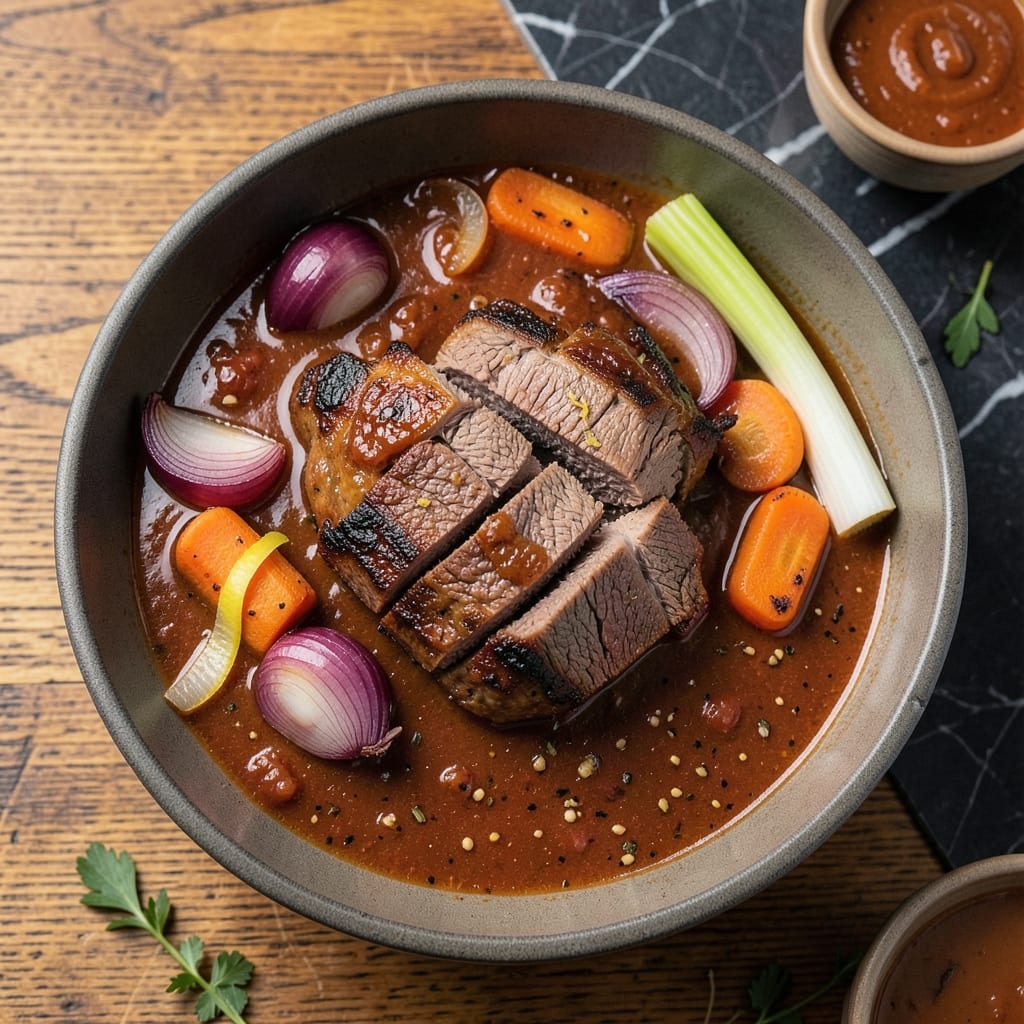
This absolute best beef stew recipe transforms tough cuts into melt-in-your-mouth perfection through slow, deliberate cooking. The secret lies in proper searing—browning the meat deeply to develop rich, caramelized flavors that form the foundation of every spoonful. I’ve refined this method over years, ensuring every ingredient contributes to deep umami richness without overpowering the natural beef taste.
What sets this recipe apart is the balance of techniques: high-heat searing for flavor development, followed by a slow simmer that tenderizes the meat while allowing vegetables to soften just enough to absorb the savory broth. The aromatics—garlic, onions, and herbs—infuse the stew with layers of complexity, while a touch of tomato paste adds depth without overpowering the dish.
By the time you serve this stew, you’ll have a dish that’s restaurant-quality in your own kitchen—rich, hearty, and packed with flavor. The broth reduces to a velvety consistency, coating every bite in tender beef, caramelized vegetables, and herbs that make it impossible to resist a second helping.
Perfect for cold evenings or holiday gatherings, this beef stew delivers comfort in every bite. The method is straightforward, but the results are anything but basic. Let’s get started on creating the best beef stew you’ve ever tasted.
Ingredients for absolute best beef stew
Sixteen ingredients, restaurant-quality beef stew—transforming tough cuts into melt-in-your-mouth perfection.
| Ingredient | Amount | Notes |
|---|---|---|
| Chuck Roast 🥩 | 3 lb | Well-marbled, cut into 1.5-inch cubes |
| Yellow Onions 🧅 | 2 whole | Chopped, medium dice |
| Carrots 🥕 | 4 whole | Peeled, cut into 1-inch chunks |
| Celery Stalks 🌿 | 4 whole | Chopped, including leaves |
| Garlic Cloves 🧄 | 8 cloves | Minced, for deep flavor |
| Tomato Paste 🍅 | ½ cup | High-quality, no sugar added |
| Red Wine 🍷 | 1 ½ cups | Bold, dry variety like Cabernet Sauvignon |
| Beef Broth 💧 | 4 cups | Homemade or high-quality store-bought |
| Fresh Thyme 🌿 | 4 sprigs | Or 1 tbsp dried thyme |
| Fresh Rosemary 🌿 | 2 sprigs | Or 1 tsp dried rosemary |
| Bay Leaves 🍃 | 2 whole | Remove before serving |
| Black Peppercorns 🌶️ | 1 tbsp | Freshly cracked |
| Kosher Salt 🧂 | 2 tsp | Diamond Crystal preferred |
| Olive Oil 🫒 | ½ cup | Extra-virgin for searing |
| All-Purpose Flour 🌾 | 2 tbsp | For dredging meat |
The chuck roast is non-negotiable here—look for well-marbled cuts at your butcher or Costco's pre-cut chuck roast for convenience. The fat renders beautifully, creating a rich, velvety broth. If you're buying whole, trim excess fat but leave some marbling intact—it's what makes this stew luxurious. Diamond Crystal kosher salt is my go-to for seasoning, but any kosher salt works. For the aromatics, fresh thyme and rosemary from the grocery store's produce section are ideal, but dried herbs in a pinch won't ruin the dish. The carrots and celery should be crisp—soft spots mean they'll turn mushy during cooking.
No red wine? Substitute with beef broth and a splash of balsamic vinegar for depth, though the wine adds a complexity you won't find elsewhere. Tomato paste can be swapped for 1 cup crushed tomatoes if you prefer, but the paste intensifies the umami flavor. Fresh herbs are ideal, but dried work at one-third the amount—just remember to toast them lightly in the pot for 30 seconds to wake up their flavors. The olive oil is critical for searing—use extra-virgin for a fruity note, but any high-quality oil will do. For the flour, if you're sensitive to gluten, you can skip it entirely, though it helps thicken the broth slightly during the searing process.
This stew tastes even better the next day as the flavors meld. Store in an airtight container in the fridge for up to 5 days, or freeze for 3 months in portions. I love making a double batch—perfect for meal prep. The bay leaves and herb sprigs can be removed before serving, but leave them in while cooking to infuse maximum flavor. The broth should reduce to a rich, syrupy consistency—if it's too thin, simmer uncovered for an extra 15-20 minutes to thicken it naturally. Leftovers reheat beautifully—just add a splash of water or broth to loosen the stew.
Why You'll Love This Recipe
- Here’s what sold me: the garlic cloves, left whole but crushed just enough to infuse the broth without turning it into a muddy mess. That crispy edge on the meat with the creamy, savory sauce? Chef’s kiss—every bite has layers.
- One-Pot Magic: I swear by this—just dump everything in one pot, let the onions and carrots soften, and walk away. No fancy techniques, no stress, just that deep, slow-cooked magic where the chuck roast practically melts into tender perfection.
- Garlic Bomb Flavor: Here’s what sold me: the garlic cloves, left whole but crushed just enough to infuse the broth without turning it into a muddy mess. That crispy edge on the meat with the creamy, savory sauce? Chef’s kiss—every bite has layers.
- Leftovers That Beg: Between us, this stew tastes better the next day. Honestly, I make a double batch on Sundays because my kids will fight over the fridge container by Wednesday. (Yes, even on a Tuesday night.)
Step-by-step instructions for deep umami beef stew
This method transforms tough chuck roast into melt-in-your-mouth perfection through slow cooking and layered flavors.
Sear the Chuck Roast for Maximum Flavor
Pat the 3 lb chuck roast dry with paper towels—this ensures a proper sear. Heat 0.5 cup olive oil in a heavy Dutch oven over medium-high heat until shimmering. Working in batches if needed, add the chuck roast and sear for 4-5 minutes per side until deeply browned and crust forms.
Here's the thing—this searing step builds the foundation for your stew's depth. The Maillard reaction creates those rich, caramelized flavors that'll infuse your entire dish. Don't rush this; let the meat develop that beautiful crust. Transfer the seared meat to a plate and set aside.
Build the Flavor Base with Vegetables and Aromatics
In the same Dutch oven, add 2 whole chopped yellow onions, 4 whole peeled and chopped carrots, and 4 whole chopped celery stalks (including leaves). Cook for 8-10 minutes, stirring occasionally, until the vegetables soften and begin to caramelize. Add 8 cloves minced garlic and cook for 30 seconds until fragrant.
This vegetable medley forms the flavor backbone of your stew. The onions, carrots, and celery create a sweet-savory base that'll meld perfectly with the meat. Don't skip the celery leaves—they add subtle bitterness that balances the sweetness. Once the garlic hits that golden aroma, you're ready for the next layer.
Develop Richness with Wine and Tomato Paste
Pour in 1.5 cups red wine and scrape up all those delicious browned bits from the bottom of the pot with a wooden spoon. Let it simmer for 3-4 minutes until reduced by half. Stir in 0.5 cup tomato paste and cook for 2 minutes to deepen the color and intensify the flavors.
The wine reduction concentrates the alcohol's heat while adding complexity. The tomato paste isn't just for color—it brings umami depth that'll make your stew sing. This is where the magic happens; don't walk away. You'll see the liquid reduce dramatically, leaving behind a thick, flavorful paste that'll coat every bite of your beef.
Create the Perfect Cooking Liquid
Sprinkle 2 tbsp all-purpose flour over the mixture and stir vigorously for 1 minute to remove any raw flour taste. Pour in 4 cups beef broth, then add 4 sprigs fresh thyme, 2 sprigs fresh rosemary, 2 whole bay leaves, 1 tbsp freshly cracked black peppercorns, and 2 tsp kosher salt. Return the chuck roast to the pot, along with any accumulated juices.
This step transforms your ingredients into a harmonious cooking liquid. The flour creates a gentle thickening that'll help develop the stew's body without making it gluey. The herbs and spices infuse the broth with aromatic complexity that'll penetrate the meat during the long cook. The salt should be generous—this is where you build flavor depth that'll carry through to the final dish.
Slow Cook to Tender Perfection
Bring the stew to a gentle simmer, then reduce heat to low and cover partially. Let it cook for 2.5-3 hours, stirring occasionally, until the chuck roast is fork-tender and falls apart easily. The internal temperature should reach 205°F—this is where collagen breaks down into gelatin, creating that signature stew texture.
Patience is key here. The long, slow cook transforms tough meat into melt-in-your-mouth perfection. You'll notice the liquid reduce and thicken as it cooks. About 30 minutes before the stew is done, remove the bay leaves so they don't make your stew bitter. When the meat is fork-tender and the sauce has thickened to your desired consistency, your stew is ready to serve.
Pro Tips For Making Absolute Best Beef Stew
- SEAR THE CHUCK FIRST: Brown that chuck roast in batches—don’t crowd the pan, or you’ll steam it instead of sear it. High heat, 3-4 minutes per side until deep golden. I learned this the hard way after making stew that tasted like it was simmered in broth, not caramelized.
- CHOP ONIONS COARSELY: Skip the fine dice—cut yellow onions into ½-inch chunks so they stay intact through hours of cooking. Too small, and they turn to mush. (Yes, even if it looks less "restaurant-perfect.")
- DON’T SKIP THE FAT: Render the chuck’s natural fat first—it’s your flavor base. After searing, reduce heat to medium and let it melt into the pan for 2-3 minutes before adding veggies. That fat locks in moisture and builds depth.
- LOW AND SLOW IS NON-NEGOTIABLE: After browning, simmer uncovered at 300°F (150°C) for 2.5–3 hours. Too hot, and the carrots turn to mush; too cold, and the beef stays tough. Use a meat thermometer—pull it at 203°F (95°C) for fork-tender perfection.
Common mistakes when making perfect results
Overcooking the Meat
One of the biggest mistakes is letting the beef stew cook too long, turning tender chuck roast into dry, stringy meat. The magic happens at 205°F internal temperature, where collagen breaks down into gelatin. If you go beyond 3 hours of simmering, you'll cross that line into overcooked territory. I've learned this the hard way—once, I left my stew on low heat overnight, and the meat was sad, dry, and pulled apart like overcooked chicken. 🥲
Skipping the Sear
Many home cooks rush this step or skip it entirely, but searing the chuck roast is non-negotiable for deep flavor. That beautiful crust from the Maillard reaction creates layers of complexity that you simply can't get from raw meat straight into the pot. I recommend using a heavy Dutch oven and medium-high heat—this ensures proper browning. If your meat isn't deeply browned, your stew will taste flat and one-dimensional.
Using Low-Quality Ingredients
Cheap cuts of beef, store-brand broth, or old spices will result in mediocre stew. Invest in a well-marbled chuck roast from your butcher or Costco, and use homemade beef broth if possible. Even the tomato paste matters—opt for a high-quality, no-sugar-added version like Muir Glen. I once used a bargain-brand tomato paste, and the stew lacked that rich umami depth I was aiming for. The difference is night and day when you use quality ingredients.
Not Deglazing Properly
After searing the meat, those browned bits stuck to the bottom of your pot are flavor gold. If you don't scrape them up with red wine (or broth if you're avoiding alcohol), you're missing out on layers of depth. I've seen cooks just pour in the liquid without deglazing, and the stew always tastes underwhelming. Take that extra 30 seconds to scrape up every bit—it makes all the difference in the final flavor.
Overcrowding the Pot
Adding all your vegetables and meat at once can lead to steaming instead of browning, which dulls the flavors. Cook your vegetables in batches if needed, and sear the meat in 2-3 batches to ensure proper browning. I've had to start over when a pot gets overcrowded—the vegetables end up soggy, and the meat doesn't develop that crucial crust. A good rule of thumb is to leave at least 1 inch of space between ingredients when searing.
Ignoring the Resting Period
After your stew reaches perfection, resist the urge to serve it immediately. Let it rest for 15-20 minutes before serving. This allows the juices to redistribute throughout the meat and sauce, resulting in a richer, more cohesive dish. I've served stew straight from the pot, and it always feels less satisfying—like something's missing. That resting time is what transforms a good stew into an exceptional one. 💫
Nutrition facts
Frequently asked questions
Can I use a different cut of beef instead of chuck roast?
While chuck roast is ideal for its fat content and flavor, you can substitute with brisket or short ribs—both work beautifully. Avoid lean cuts like sirloin; they lack the fat needed for rich flavor. If using brisket, cut it against the grain for tenderness. Short ribs will give you extra marrow flavor but require 30-45 extra minutes of cooking time.
How do I make this stew in a slow cooker? Transfer the seared meat and all ingredients to your slow cooker, then cook on low for 7-8 hours or high for 4-5 hours. The slow cooker's gentle heat will tenderize the meat perfectly. For extra richness, add 1/2 cup beef broth before serving if the stew is too thick.
What can I serve with this beef stew?
This hearty stew pairs perfectly with crusty bread (like a baguette) for soaking up the sauce, mashed potatoes for a creamy contrast, or egg noodles for a comforting meal. For a lighter option, serve with a simple green salad> with vinaigrette. The stew's richness balances well with acidic or fresh elements.
Why did my stew turn out watery?
Watery stew usually means the broth wasn't reduced enough. Simmer uncovered for 15-20 extra minutes to thicken it naturally. If that doesn't work, mix 1 tbsp cornstarch with 2 tbsp cold water, stir it in, and simmer for 2 more minutes. Never add flour directly to the pot—it can make the stew gluey.
Can I make this stew ahead of time?
This stew tastes even better the next day! Store in an airtight container in the fridge for up to 5 days, or freeze for 3 months. Reheat gently on the stove with a splash of water or broth to restore moisture. The flavors deepen as it sits, making it perfect for meal prep.