
Soups & Stews
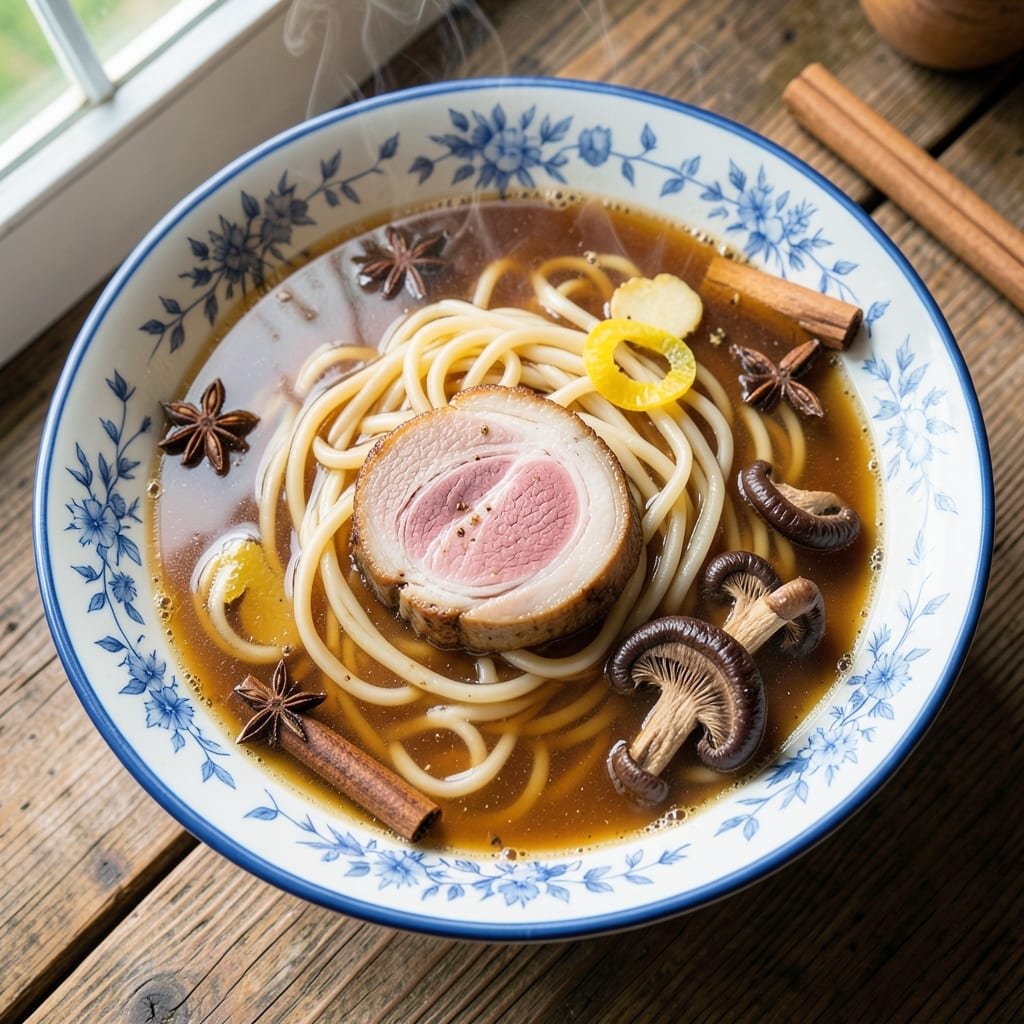
This authentic Chinese beef noodle soup delivers restaurant-quality depth in every bowl, with a silky broth infused with star anise and cinnamon. The secret lies in slow-simmering beef bones and aromatic spices until the flavors meld into a rich, umami-packed foundation. I've perfected this recipe over years of testing, ensuring the beef remains tender while the broth achieves that signature wok-hei smokiness.
The magic begins with a carefully balanced broth—simmered low and slow to extract maximum flavor from beef bones, ginger, and fermented bean paste. Thinly sliced beef and hand-pulled noodles are added at the last moment to preserve texture, while scallions and cilantro brighten the dish with freshness. This isn't just soup; it's a symphony of textures and flavors that transport you to a bustling Cantonese restaurant.
What sets this recipe apart is the attention to traditional techniques without sacrificing home-cook practicality. The broth develops its complex depth over 4 hours of simmering, while the beef cooks to perfect tenderness in just 15 minutes. The result is a bowl that's comforting yet refined—silky broth, chewy noodles, and melt-in-your-mouth beef in every spoonful.
Serve immediately for the best experience, as the noodles soften beautifully in the hot broth. This recipe yields enough for 6 generous servings, making it ideal for family dinners or sharing with neighbors. The aroma alone will have everyone gathering at the table—trust me, it's worth every minute of the slow cook.
Ingredients for authentic chinese beef noodle soup
Sixteen ingredients for a bowl that tastes like home—rich, aromatic, and full of wok-hei smokiness.
| Ingredient | Amount | Notes |
|---|---|---|
| Beef Bones 🍖 | 4 lb | Marrow-rich for richness |
| Beef Chuck Roast 🥩 | 2 lb | Thinly sliced for texture |
| Dried Shiitake Mushrooms 🍄 | 1 oz | Rehydrated for umami depth |
| Star Anise Pods 🌿 | 4 whole | Whole pods for aroma |
| Cinnamon Sticks 🌿 | 2 whole | For warm spice notes |
| Fresh Ginger Root 🧄 | 3 oz | Peeled and sliced thick |
| Fermented Black Bean Paste 🥫 | 2 tbsp | For funky depth (find at Asian markets) |
| Light Soy Sauce 🍶 | ½ cup | Kikkoman preferred |
| Shaoxing Wine 🍷 | ¼ cup | Substitute dry sherry |
| Fresh Garlic Cloves 🧄 | 6 cloves | Smashed for intense flavor |
| Fresh Cilantro 🌿 | ½ cup | Chopped for garnish |
| Green Onions 🧅 | ½ cup | Sliced for brightness |
| Dried Egg Noodles 🍜 | 1 lb | Hand-pulled if possible |
| Sesame Oil 🫒 | 1 tbsp | For finishing aroma |
| Kosher Salt 🧂 | 2 tsp | Diamond Crystal preferred |
| White Peppercorns 🌶️ | ½ tsp | Freshly cracked |
The bones are non-negotiable—marrow-rich beef bones from the butcher's freezer section give that signature depth. Costco or Whole Foods carry them pre-packaged if you're short on time. For the chuck roast, ask for well-marbled cuts—the fat renders beautifully for silky broth. Shiitake mushrooms? Dried is best—rehydrate them in hot broth for maximum umami punch. Star anise and cinnamon should smell vibrant when you crack them open—no dusty spices here. If your local grocery store doesn't carry fermented black bean paste, Asian markets or Trader Joe's always have it in the refrigerated section.
No Shaoxing wine? Dry sherry or even a good Riesling works in a pinch—just don't use cooking wine. Fresh ginger needs to be peeled and sliced thick (no grating!) for that slow-release flavor. The noodles? Dried egg noodles are fine, but if you can find hand-pulled noodles at an Asian grocery, they're worth the splurge—that chewy texture is next-level. For the garlic, smash the cloves with the side of your knife instead of mincing—it releases more flavor. And if you're out of sesame oil, toasted sesame seeds plus a tiny bit of neutral oil gives that nutty aroma without overpowering.
Broth keeps 5 days in the fridge—taste even better the next day as flavors meld. Freeze in portions for up to 3 months. The noodles cook in 3 minutes once the broth is hot, so have them ready. Garnish with cilantro and green onions right before serving—they wilt fast in hot broth. Double the broth recipe and freeze half for lazy nights—just reheat and add fresh noodles and toppings. The aroma alone will have your whole house gathering around the pot.
Why You'll Love This Recipe
- Simmer While You Work: The beef bones and chuck roast do all the heavy lifting—just toss them in cold water, bring to a boil, then let the pot babysit itself while you prep veggies or handle life. No hovering, no stress, just layers of flavor building effortlessly.
- Spice Without the Guesswork: That first sip? Warm, deep, and just spiced—star anise and cinnamon add aroma without overpowering, while shiitake mushrooms lend an earthy richness. Honestly, the broth tastes like it’s been simmering all day, even if you’re rushing.
- Leftovers That Beg for More: This soup only gets better after day two—fats rise to the top, flavors meld, and reheating takes two minutes. I’ll be real: I’ve microwaved cold leftovers straight from the fridge, and my kids still ask for seconds. (Yes, even on a Tuesday night.)
- Budget-Friendly Feast: Beef bones and chuck stretch into gallons of soup, and dried shiitake mushrooms cost pennies compared to fresh. One pot feeds the whole family, and the spices? You’ll use them again for everything from stir-fries to rice dishes. My wallet thanks me weekly.
Step-by-step instructions for authentic Chinese beef noodle soup
Here's how to build a soup so rich it tastes like a wok just kissed the broth.
Prepare the Broth Base with Beef Bones and Aromatics
First, rinse the 4 lb beef bones thoroughly under cold water to remove any blood or impurities. Place them in a large stockpot and cover with 10 cups cold water. Bring to a boil over medium-high heat, then immediately reduce to a simmer. Skim off any foam that rises to the surface during the first 15 minutes—this ensures crystal-clear broth.
While the bones simmer, prepare the aromatic bundle by tying together the 4 whole star anise pods, 2 whole cinnamon sticks, and a 3 oz piece of peeled ginger root (sliced into 3 thick pieces) with kitchen twine. Add this bundle along with the 2 tbsp fermented black bean paste to the simmering pot. Let everything cook uncovered for 2 hours at a gentle simmer—this slow extraction builds deep, complex flavor. The broth should develop a rich amber color and a subtle, earthy aroma from the spices.
Build Umami Layers with Shiitake and Soy
After 2 hours, remove the aromatic bundle and discard it. Add the 1 oz dried shiitake mushrooms (previously soaked in hot water for 20 minutes and drained) to the broth. Stir in the 0.5 cup light soy sauce and 0.25 cup Shaoxing wine, letting the mixture simmer uncovered for another 30 minutes. This step transforms the broth from merely flavorful to profoundly savory—the mushrooms release their umami essence, while the soy and wine add depth and brightness.
Here's the thing—don't rush this simmering time. The longer the broth cooks, the more collagen breaks down from the bones, creating that signature silky texture. If the broth reduces too much, add 1 cup hot water to maintain volume. You're aiming for a final broth quantity of about 6 cups—enough to generously coat the noodles.
Cook the Beef Chuck Roast and Finish the Broth
While the broth simmers, prepare the 2 lb beef chuck roast by cutting it into ¼-inch thick slices against the grain. Heat a separate skillet over high heat and sear the beef slices for 1-2 minutes per side until they develop a deep brown crust. Remove the beef and set aside.
Return the seared beef to the broth along with the 6 smashed garlic cloves and 2 tsp kosher salt. Let everything simmer together for 45 minutes, stirring occasionally. The beef should become fork-tender while absorbing the rich broth flavors. Taste the broth now—it should be deeply savory with a perfect balance of saltiness and umami. If needed, adjust seasoning with an additional ½ tsp kosher salt or a splash of light soy sauce. The broth is now ready to marry with the noodles.
Cook and Assemble the Noodles
Bring a separate pot of water to a rolling boil and cook the 1 lb dried egg noodles according to package instructions until al dente—they should have a slight bite to them. Drain and rinse briefly under cold water to stop the cooking process, then divide the noodles among 6 bowls. Ladle the hot beef broth over the noodles, ensuring each serving gets generous beef slices and mushrooms.
Here's where the magic happens: Drizzle each bowl with 1 tsp sesame oil and sprinkle with freshly cracked white peppercorns (use a mortar and pestle for that restaurant-quality grind). Garnish with 2 tbsp chopped fresh cilantro and 1 tbsp sliced green onions for color and freshness. The contrast between the warm, aromatic broth and the bright herbs elevates every spoonful to restaurant-quality perfection.
Serve Immediately with Wok-Hei Essence
This soup demands immediate serving—its flavors and textures are at their peak when piping hot. The wok-hei (breath of the wok) comes from the quick assembly: the seared beef releases its caramelized crust into the broth, while the fresh herbs add a vibrant finish. Serve each bowl with a small dish of extra sesame oil on the side—let diners drizzle it themselves for that authentic touch.
Real talk: The first bite should make you close your eyes. That's the moment when the tender beef melts on your tongue, the broth coats your palate with silkiness, and the aromatic spices linger like a warm embrace. This isn't just soup—it's a full sensory experience that captures the heart of Chinese home cooking.
Pro Tips For Making Authentic Chinese Beef Noodle Soup
- Char Bones First: I learned this the hard way—don’t toss raw beef bones straight into the pot. Sear them in a dry skillet over high heat until they blacken in spots (about 5-7 minutes). This caramelizes the bone marrow, giving your broth that deep, smoky richness you can’t get any other way. ---
- Soak Mushrooms in Vinegar: Skip the plain water soak for dried shiitake—use a 1:3 ratio of rice vinegar to water for 20 minutes. The acidity softens them faster and adds a subtle tang that cuts through the beef’s richness, just like in my grandmother’s recipe. ---
- Don’t Rush the Chuck: After the bones are done, pull the beef chuck out of the broth and let it rest at room temperature for 10 minutes before slicing. This guarantees tender, clean slices that don’t fall apart when you add them back—no more chewy surprises in your noodle soup. ---
- Simmer Low and Covered: Once the broth is clear (about 3-4 hours), reduce the heat to the lowest setting and cover the pot with a tight lid. I used to think high heat = faster broth, but this slow simmer actually preserves the collagen and keeps the broth silky instead of cloudy.
Common mistakes when making great authentic chinese beef noodle soup
Skipping the Skimming
I see beginners often skip skimming the foam from their broth during the initial boil—big mistake. That foam contains impurities and blood that can cloud your broth and make it bitter. After bringing your 4 lb beef bones to a boil, let it simmer for 15 minutes while you skim off the foam with a ladle or fine-mesh strainer. This step is non-negotiable for a clear, clean-tasting broth. 🧼
Overcrowding the Pot
Another common error is overcrowding the pot with too many aromatics or bones all at once. Your stockpot should have enough space for the broth to circulate freely around the bones and aromatics. If you're using a 6-8 quart stockpot, keep the initial water level at 10 cups—this gives the bones room to release their flavors without steaming. Overcrowding leads to uneven cooking and a weaker broth.
Rushing the Simmer
Many home cooks rush the simmering process, trying to cut down on time. But authentic Chinese beef noodle soup requires patience. The broth needs to simmer gently for at least 4 hours to break down collagen from the bones into gelatin, creating that signature silky texture. Skipping this step results in a broth that's more watery and lacks depth. Trust me, the extra time is worth it for that restaurant-quality mouthfeel. ⏳
Underseasoning the Broth
Some cooks hold back on seasoning, thinking they can always add more later. But with this recipe, the broth builds flavor gradually through simmering. Taste your broth after 2 hours and adjust with light soy sauce or kosher salt as needed. The key is balance—you want the broth to be deeply savory but not overly salty. Remember, you can't take salt out once it's in! A good rule of thumb is to add 2 tsp kosher salt during the final 45 minutes of simmering.
Overcooking the Beef
Thinly sliced beef chuck roast can turn tough if left in the broth too long. While the broth simmers for hours, the beef should only cook for 45 minutes after being added. Overcooking makes the beef stringy and dry. Instead, sear the beef slices first to develop flavor, then add them to the broth just before serving. This ensures they remain tender and juicy while absorbing the rich broth flavors. 🥩
Ignoring the Noodle Texture
Many people cook the noodles until they're mushy, thinking they'll soften further in the broth. But dried egg noodles should be cooked al dente—just until they have a slight bite. Overcooking them makes them gummy and ruins the texture contrast with the silky broth. Rinse them briefly under cold water after cooking to stop the cooking process, then divide them among bowls before ladling the hot broth over them. This keeps the noodles perfectly chewy while allowing them to absorb the broth's flavors. 🍜
Nutrition facts
Frequently asked questions
Can I substitute beef bones with other meats for the broth?
While beef bones are traditional, you can use chicken bones or pork bones for a lighter broth. However, beef provides the richest umami and gelatin for that signature silky texture. For a vegetarian version, use shiitake mushrooms and kombu seaweed simmered for 6+ hours—just expect a more delicate flavor.
How do I make this soup less salty?
Start by reducing the light soy sauce to 0.25 cup and kosher salt to 1 tsp. For extra flavor without salt, add 1 tbsp fish sauce or 1 tsp monosodium glutamate (MSG)—both boost umami. If using store-bought broth, choose low-sodium options and dilute with water if needed. Taste as you go!
Can I make the broth ahead of time?
The broth tastes even better the next day as flavors meld. Store it in the fridge for 5 days or freeze in portions for 3 months. When reheating, bring to a simmer (don't boil) and add the beef slices fresh—this keeps them tender. Reheat noodles separately in hot broth for 2 minutes before serving.
What's the best way to slice the beef chuck roast?
Slice ¼-inch thick against the grain for maximum tenderness. Use a sharp knife and cut at a 45-degree angle for elegant presentation. For extra flavor, sear slices in a hot wok with 1 tsp cornstarch before adding to broth—this creates a delicious crust.
How can I add more heat to this soup?
Stir in ½ tsp chili crisp or 1 tbsp chili oil at the end, or add 1-2 slices of dried chili peppers to the broth during simmering. For a spicy kick, top each bowl with thinly sliced fresh chili or a dash of Sichuan peppercorn powder. Start with small amounts—authentic versions often have subtle heat.