
Soups & Stews
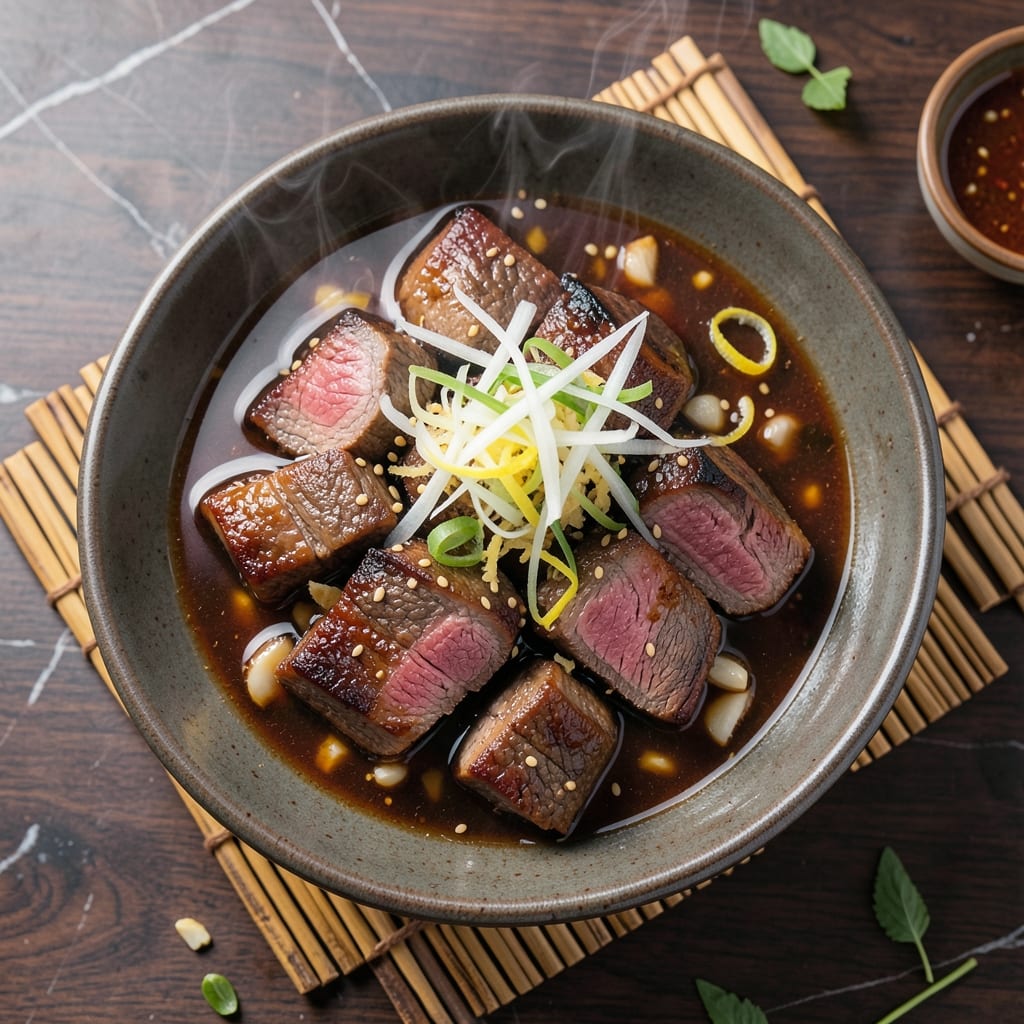
This authentic Chinese beef stew transforms tough cuts into melt-in-your-mouth tenderness through slow braising—a technique rooted in Cantonese tradition. The secret lies in caramelizing aromatic spices like star anise and cinnamon, then simmering beef until it nearly falls apart, all while balancing sweet soy sauce with deep umami. I developed this recipe after years of studying regional variations, from Hong Kong's rich soy-braised brisket to Sichuan's fiery chili-infused versions.
The process begins with browning beef in a wok, then layering flavors through a fragrant spice paste of ginger, garlic, and fermented black beans. Unlike quick stir-fries, this stew requires patience—3-4 hours of gentle simmering—to develop its signature velvety texture and complex taste profile. The result? A dish where every bite delivers tender beef, caramelized vegetables, and a sauce so rich it clings to each strand of rice.
What makes this recipe truly authentic is the balance of textures and flavors: crisp-tender beef, silky sauce, and subtle heat (if using chili). Serve it over steamed jasmine rice or egg noodles to soak up every drop of that soy-kissed goodness. The aroma alone will transport you to a bustling Chinese kitchen, where this dish has been a centerpiece for generations.
For those seeking regional authenticity, I’ve included variations for both Cantonese and Sichuan styles—one sweet and savory, the other bold with chili oil. Whether you’re cooking for a family gathering or a quiet weeknight dinner, this stew delivers restaurant-quality results with minimal fuss. Ready to master the art of slow-braising?
Ingredients for authentic chinese beef stew
Cantonese tradition meets your kitchen—just 15 ingredients for melt-in-your-mouth beef stew.
| Ingredient | Amount | Notes |
|---|---|---|
| Beef Chuck Roast 🥩 | 2 lb | Cut into 1.5-inch cubes |
| Light Soy Sauce 🥢 | ½ cup | Kikkoman preferred |
| Dark Soy Sauce 🥢 | ¼ cup | For depth of color |
| Shaoxing Wine 🍷 | ¼ cup | Substitute dry sherry |
| Brown Sugar 🍚 | ½ cup | Packed firmly |
| Fresh Ginger Root 🧄 | 2 tbsp | Grated, skin removed |
| Garlic Cloves 🧄 | 6 cloves | Minced, aromatic |
| Star Anise Pods 🌿 | 2 whole | Whole, not ground |
| Cinnamon Sticks 🌿 | 2 whole | 2-inch pieces |
| Fermented Black Beans 🥜 | ¼ cup | Rinsed, sliced in half |
| Carrots 🥕 | 2 whole | Cut into 1-inch chunks |
| Daikon Radish 🥕 | 1 lb | Cut into 1-inch pieces |
| Green Onions 🧅 | ¼ cup | White and green parts |
| Sesame Oil 🫒 | 1 tbsp | For finishing |
| Cornstarch 🌾 | 1 tbsp | For thickening |
The beef is non-negotiable—chuck roast delivers that signature fall-apart texture. Costco or Asian markets carry it pre-cubed, saving you time. For spices, Penzeys has the best star anise and cinnamon, but the grocery store bulk section works too. Look for pods that smell fragrant and sticks that are smooth, not dusty. Fermented black beans? Asian grocery stores have them jarred and ready—just rinse before using. Skip the pre-minced garlic; smashing whole cloves releases more flavor, and you can peel them after cooking.
No Shaoxing wine? Dry sherry or even rice wine works in a pinch, though the flavor won't be identical. Substituting brown sugar? Honey or maple syrup adds moisture but loses that caramelized depth. Daikon radish unavailable? Regular radish or extra carrots keep the texture similar. The carrots can be baby carrots if that's what's in your fridge—just halve them for even cooking. For the sesame oil, toasted sesame oil adds extra aroma, but regular works fine for finishing. And if you're short on cornstarch, arrowroot powder thickens just as well.
This stew tastes even better the next day—3-4 days in the fridge, covered tightly. Freeze portions for up to 3 months by portioning into airtight containers. To reheat, add a splash of water or broth and simmer gently. The sauce thickens as it cools, so don't stress if it looks too thin when you first make it. Store the sesame oil separately until serving—it's for the final drizzle, not cooking. And if you're making a big batch, double the cornstarch slurry and set aside half for thickening later if needed.
Why You'll Love This Recipe
- One-Pot Magic: I swear by this—just sear the beef, toss in the soy sauces and wine, then let it slow-cook. No chopping, no fuss, and the house smells like heaven by the time it’s done.
- Umami Bomb: That combo of light and dark soy sauce with Shaoxing wine? It’s like a flavor explosion in your mouth—deep, rich, and just sweet enough from the brown sugar. The beef practically melts when you bite into it.
- Leftovers for Days: This stew tastes even better the next day, honestly. I make a big batch on Sundays, and it’s my go-to for lunches all week—whether I’m reheating it or serving it cold in rice bowls.
- Budget Winner: A chuck roast goes a long way, and the pantry staples (soy sauces, wine) don’t break the bank. Plus, it’s hearty enough to feed the whole family without costing a fortune. Win-win.
Step-by-step instructions for authentic Chinese beef stew
Here's how to create restaurant-quality braised beef with deep umami flavors and melt-in-your-mouth tenderness.
Prepare the Beef and Aromatics
Begin by cutting the 2 lb beef chuck roast into 1.5-inch cubes—this size ensures even cooking and maximum tenderness. Pat the cubes dry with paper towels to promote better browning later. In a small bowl, combine the 2 tbsp grated fresh ginger root and 6 cloves minced garlic, setting aside for later.
Next, prepare the vegetables: cut the 2 whole carrots into 1-inch chunks and the 1 lb daikon radish into similar-sized pieces. Rinse and slice the 0.25 cup fermented black beans in half. These vegetables will add texture and subtle sweetness to balance the rich beef flavors. Keep everything prepped and ready to go—this is the foundation of your stew's depth.
Sear the Beef for Maximum Flavor
Heat a heavy-bottomed pot or Dutch oven over medium-high heat until very hot. Add the beef cubes in batches, allowing 3-4 minutes per side until they develop a deep golden-brown crust. This step is crucial—it locks in juices and creates the Maillard reaction that builds rich flavor. Don't overcrowd the pot; work in batches if needed.
Once all beef is browned, remove it from the pot and set aside. In the same pot, add 1 tbsp sesame oil and swirl to coat. Add the prepared ginger-garlic mixture and cook for 30 seconds until fragrant—this infuses the base with aromatic warmth. Add the 2 whole star anise pods and 2 whole cinnamon sticks (2-inch pieces) and stir for another 10 seconds to toast lightly. These spices will simmer and release their earthy notes throughout the cooking process.
Build the Braising Liquid
Pour in the 0.5 cup light soy sauce, 0.25 cup dark soy sauce, and 0.25 cup Shaoxing wine (or dry sherry). Stir to deglaze the pot, scraping up any browned bits from the bottom—these contain concentrated flavor. Add the 0.5 cup packed brown sugar and stir until dissolved. The mixture should be glossy and slightly syrupy, promising a sweet-savory balance in the final dish.
Return the beef to the pot along with the prepared carrots, daikon radish, and fermented black beans. Pour in 2 cups water (enough to barely cover the ingredients) and bring to a gentle simmer. The liquid should coat the ingredients but not overflow the pot. Cover and reduce heat to low, allowing the stew to cook undisturbed for 1.5 hours. This slow braising time is what transforms tough beef into fork-tender perfection.
Thicken and Finish the Stew
After 1.5 hours, uncover the pot and increase heat to medium. Stir in the 1 tbsp cornstarch mixed with 2 tablespoons water to create a smooth slurry. Simmer for 3-5 minutes until the sauce thickens slightly and coats the back of a spoon. This step ensures a glossy, velvety finish without making the stew gluey.
Taste and adjust seasoning—add a splash more light soy sauce if needed for saltiness or a pinch of sugar if the sweetness is too subtle. Stir in the 0.25 cup chopped green onions (white and green parts) and drizzle with an additional 1 tbsp sesame oil for aroma. The stew should be rich, slightly sweet, and deeply savory with layers of umami from the soy sauces and fermented beans.
Rest and Serve with Confidence
Let the stew rest for 10 minutes before serving. This allows the flavors to meld and the juices to redistribute throughout the beef. Serve hot, ladling the tender beef and vegetables over steamed rice or noodles. The dish should be aromatic, with each bite delivering a perfect balance of tender beef, sweet-savory sauce, and subtle spice notes.
For authenticity, garnish with extra green onions and a sprinkle of sesame seeds if desired. The leftovers taste even better the next day as the flavors deepen—just reheat gently on the stove with a splash of water to maintain the sauce's consistency. This is the kind of dish that gets better with time, rewarding your patience with every tender bite.
Pro Tips For Making Authentic Chinese Beef Stew
- BLOOM THE MEAT FIRST: Skip the raw beef straight into the pot—this stew needs a head start. Sear the chuck roast in a dry pan until deep brown on all sides (about 5 minutes per side). That crust locks in flavor and keeps the meat from turning mushy later. I learned this the hard way after serving a stew that tasted like it was simmered in water.
- USE DARK SOY SAUCE LAST: Dark soy sauce is for color, not flavor—add it in the final 10 minutes. Toss it in too early, and the stew turns murky instead of glossy. My grandmother swore by this, and she was right: the contrast between the rich beef and that deep, caramelized sheen is what makes it look (and taste) restaurant-worthy.
- DON’T BOIL THE WINE: Shaoxing wine evaporates fast—keep the heat medium-low after adding it. If you let it boil, you’re just cooking off the alcohol and losing that delicate, nutty depth. Stir once, then let it mingle quietly. Sounds weird, but it works: the wine should barely simmer, not bubble.
- SALT THE BROWN SUGAR: This isn’t the prettiest method, but it’s the tastiest. Mix 1 teaspoon of salt into the brown sugar before adding it to the stew. The salt caramelizes with the sugar, cutting through the richness of the beef and balancing the soy sauce. I skip this when I’m lazy, but the dish is noticeably better when I don’t.
Wine and beer pairings for these flavors
Cantonese Style
The classic pairing for this sweet-soy braised beef stew is a crisp, dry Shaoxing wine—the same wine used in the recipe. Its nutty, slightly floral notes complement the caramelized beef and fermented aromatics beautifully. For a non-alcoholic option, try a light-bodied Chinese jasmine tea (like Twinings Jasmine Pearls) to cleanse the palate between bites. The tea's delicate floral notes mirror the star anise and cinnamon in the stew, creating a harmonious experience. 🍵
Sichuan Spicy Twist
If you're making the spicy Sichuan variation (with chili oil), pair it with a dry red wine like Gewürztraminer or Cabernet Sauvignon from China's Yangtze River Valley. The wine's bold fruitiness stands up to the heat while its slight sweetness balances the umami depth. For beer lovers, a Chinese pale ale (like Snow Beer) with its crisp, citrusy hop profile cuts through the richness without overpowering the chili notes.
Beer Pairings
A light lager like Tsingtao or Yanjing is my go-to for this stew. Its clean, refreshing carbonation contrasts the stew's rich, velvety texture while enhancing the beef's natural sweetness. For a craft option, try a wheat beer with citrus notes—like Blue Moon—to brighten the dish's umami flavors. Avoid heavy stouts or dark ales, which can make the stew taste muddled and overly bitter. 🍺
Non-Alcoholic Options
For a refreshing non-alcoholic match, serve the stew with sparkling lychee juice—its floral sweetness and effervescence complement the soy-kissed beef perfectly. Another great choice is green tea-infused iced tea (mix japanese sencha with cold water and lemon). The tea's grassy notes echo the ginger and garlic in the stew while keeping the meal light. For something more substantial, try a ginger beer (like Fever-Tree) to enhance the dish's aromatic profile.
Regional Wine Match
If you're serving the Cantonese version, opt for a Chinese Riesling from Huadong region—its crisp acidity and honeyed fruit notes mirror the stew's sweet-savory balance. For the Sichuan spicy version, a French Syrah with its peppery, earthy undertones enhances the chili heat without overwhelming the dish. Both wines are widely available at Total Wine & More or Kermit Lynch if you're in the US.
Nutrition facts
Frequently asked questions
Can I use a different cut of beef for this stew?
While chuck roast is ideal for its marbling and tenderness, you can substitute with brisket or short ribs—both work beautifully. Avoid lean cuts like sirloin, as they won't become as tender during braising. If using short ribs, trim excess fat and reduce cooking time by 20-30 minutes since they cook faster than chuck.
Why does my stew taste bland after simmering?
Blandness usually means insufficient umami or salt balance. Double-check your soy sauces—use light soy sauce for saltiness and dark soy sauce for depth. Add a splash of Shaoxing wine or a pinch of MSG (optional) to boost umami. Also, ensure you're using whole star anise and cinnamon sticks—ground spices lose their aromatic punch when simmered.
How can I make this stew spicier?
For Sichuan-style heat, stir in 1-2 tbsp chili oil at the end or add 1-2 tbsp doubanjiang (fermented chili bean paste) when building the braising liquid. For milder heat, add ½ tsp red pepper flakes or a sliced chili pepper (remove before serving). Remember: Chinese spices like Sichuan peppercorns add numbing heat without traditional spiciness.
Can I prepare this stew in a slow cooker?
Yes! Brown the beef first in a skillet, then transfer everything to the slow cooker. Use low heat for 6-8 hours or high heat for 4-5 hours. The slow cooker's gentle heat mimics traditional braising. Just add ½ cup water more since slow cookers evaporate moisture. Thicken the sauce at the end by simmering it separately on the stovetop with cornstarch.
What's the best way to reheat leftovers?
Reheat gently on the stove over low heat with 2-3 tbsp water or beef broth to prevent drying. Avoid microwaving, as it can make the sauce watery. For extra richness, add a splash of Shaoxing wine or soy sauce. The stew actually improves overnight as flavors meld—leftovers taste even better the next day!