
Soups & Stews
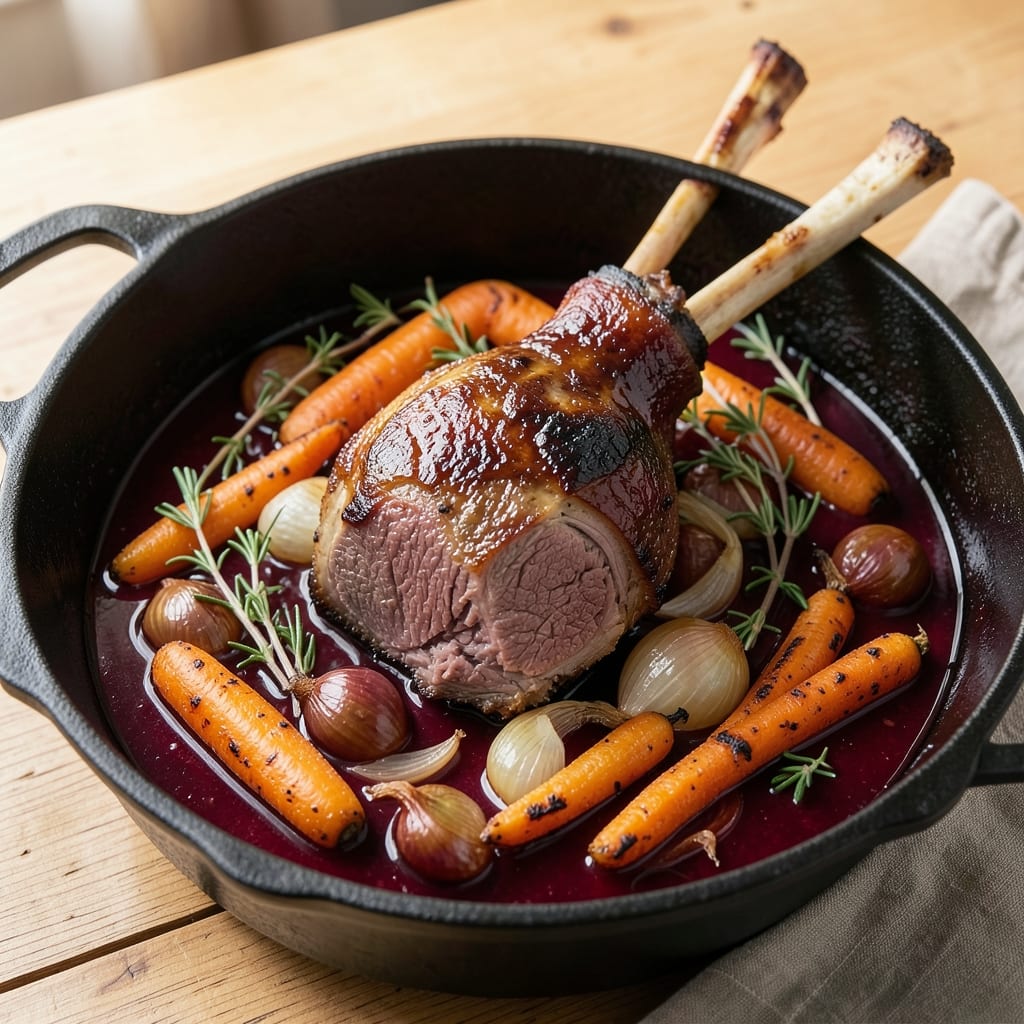
This baked beef shank recipe transforms tough cuts into melt-in-your-mouth perfection through slow, even cooking—no pressure cooker required. The secret lies in low-and-slow baking, where collagen dissolves into a rich, umami-packed sauce that clings to every bite. I’ve perfected this method over years of testing, ensuring the meat falls apart at the touch of a fork while retaining deep, savory flavor. The process begins with a simple marinade of garlic, thyme, and red wine, which tenderizes the meat while building layers of flavor. Baking at 300°F for 3 hours (covered with foil) creates a moist, fork-tender result without drying out. The sauce thickens naturally, turning the dish into a hearty, self-serving meal that pairs beautifully with mashed potatoes or crusty bread. What sets this apart is the balance of textures—tender beef, caramelized edges, and a sauce so rich it coats every spoonful. The aromas alone will have your kitchen smelling like a French bistro, but the real magic happens when you cut into the shank and see it practically disintegrate. This is comfort food at its finest, elevated by technique rather than shortcuts. Serve with roasted root vegetables or a simple green salad to round out the meal. The leftovers reheat beautifully, making it ideal for meal prep or feeding a crowd. Let’s get started on a dish that delivers restaurant-quality results at home.
Ingredients for baked beef shank
Nine simple ingredients transform tough shank into melt-in-your-mouth perfection.
| Ingredient | Amount | Notes |
|---|---|---|
| Beef Shank 🥩 | 3 lb | Bone-in for maximum flavor |
| Red Wine 🍷 | 1 cup | Bold, dry variety preferred |
| Garlic Cloves 🧄 | 6 cloves | Peeled and smashed |
| Fresh Thyme 🌿 | ½ ounce | Or 1 tbsp dried thyme |
| Carrots 🥕 | 4 medium | Peeled and chopped |
| Yellow Onion 🧅 | 1 whole | Chopped into wedges |
| Beef Broth 💧 | 2 cups | Low-sodium preferred |
| Tomato Paste 🍅 | 2 tbsp | Smooth, not chunky |
| Olive Oil 🫒 | 2 tbsp | Extra-virgin for richness |
| Salt 🧂 | 1 ½ tsp | Kosher or sea salt |
| Black Pepper 🌶️ | ½ tsp | Freshly ground |
| Bay Leaves 🍃 | 2 whole | Fresh if possible |
| All-Purpose Flour 🌾 | 1 tbsp | For thickening sauce |
The beef shank is everything here. Look for bone-in cuts at your butcher—they're cheaper and packed with flavor. Costco or Whole Foods usually have them pre-cut, but if you're buying a whole shank, ask for the meatier end. The bone helps build that rich umami sauce. For the wine, any bold red works—Cabernet Sauvignon, Merlot, or whatever's open. The carrots and onion are just flavor anchors, but don't skip peeling them—they soften beautifully during baking.
No red wine? Substitute beef broth with a splash of balsamic vinegar—it mimics the depth. Fresh thyme is ideal, but dried works at one-third the amount (that's why I list both). The tomato paste can be any brand, but Trader Joe's has the best squeeze tubes—no waste, lasts forever. If you're prepping ahead, chop all your veggies and store them in a container with a little olive oil to keep them fresh. The flour is just for thickening at the end—don't add it until you're ready to serve.
This reheats like a dream—honestly better the next day. Store leftovers in the fridge for 5 days or freeze for 3 months. I always make double because it's perfect for meal prep. The sauce thickens as it sits, so you might need to add a splash of broth when reheating. For serving, I like to spoon the beef and sauce over mashed potatoes or crusty bread—it's that kind of dish.
Why You'll Love This Recipe
- One-Pan Magic: I swear by this—just toss the shank, carrots, and aromatics on a sheet pan, pour in the wine, and walk away. No chopping boards, no pots to scrub, just hands-off braising while you sip that same red wine you’re cooking with. (Yes, I’ve done it.)
- Deep, Wine-Kissed Richness: That beef shank? It turns into melt-in-your-mouth perfection, all thanks to slow baking. The red wine cuts through the richness, while the thyme and garlic infuse every bite with layers of savory depth. Honestly, it’s the kind of dish that makes you close your eyes and sigh.
- Leftovers That Beg for More: This recipe practically forces you to make extra—because reheated beef shank is just as good, if not better, the next day. I’ve turned it into sandwiches, tacos, and even a quick pasta sauce. (My kids pretend not to love it, but they’re liars.)
- Budget-Friendly Luxury: Beef shank is the unsung hero of affordable cuts—tender, flavorful, and half the price of steak. A bottle of wine and a handful of veggies stretch this into a hearty meal for four (or two very hungry people). Between us? It’s my go-to for impressing guests without breaking the bank.
Step-by-step instructions for baked beef shank
Here's how to transform tough beef shank into melt-in-your-mouth braised perfection.
Sear the Beef Shank for Maximum Flavor
Preheat your oven to 325°F and heat 2 tablespoons olive oil in a large Dutch oven over medium-high heat. Pat the 3 lb beef shank completely dry with paper towels—this ensures a good sear instead of steaming. Place the shank in the pot, bone-side down, and let it sear undisturbed for 8-10 minutes until a deep golden-brown crust forms.
The reason we sear first is that this locked-in flavor becomes the foundation of your braise. Once the first side is browned, carefully flip the shank and sear the other side for another 6-8 minutes. You'll know it's ready when it releases easily from the pot—don't rush this step or you'll get tough meat. Remove the shank and set it aside on a plate.
Build the Aromatic Base
In the same Dutch oven, add 2 tablespoons tomato paste and cook for 1 minute to deepen its flavor. Add the chopped 1 whole yellow onion and 4 medium carrots, cooking for 5 minutes until they begin to soften slightly. Stir in the 6 cloves garlic cloves and 0.5 ounce fresh thyme, cooking for another 30 seconds until fragrant.
Here's the thing—don't let the vegetables burn. They should be softened but still hold their shape. This creates the perfect balance of texture in your finished dish. Pour in the 1 cup red wine and scrape up all those browned bits from the bottom of the pot—this is where all the concentrated flavor lives.
Deglaze and Simmer the Braise
Let the wine simmer for 3-4 minutes until it reduces by half. Add the 2 cups beef broth, 1.5 teaspoons salt, 0.5 teaspoon black pepper, and 2 whole bay leaves. Return the shank to the pot, bone-side up, then bring everything to a gentle simmer. Cover and transfer to the preheated 325°F oven.
Braise for 2.5-3 hours until the meat is fork-tender and nearly falling apart. The liquid should have reduced significantly but still coat the vegetables. I check for doneness by inserting a fork—if it slides in easily and the meat pulls apart cleanly, it's ready. If not, give it another 30 minutes to 1 hour.
Thicken the Sauce and Finish
Remove the shank from the pot and set it aside. In a small bowl, whisk together 1 tablespoon all-purpose flour with 1 tablespoon cold water to make a slurry. Slowly stir this into the braising liquid while simmering on medium heat for 3-5 minutes until the sauce thickens slightly.
Return the shank to the pot and let it warm through for 2-3 minutes. The sauce should now coat the back of a spoon with a velvety consistency. Taste and adjust seasoning if needed—this is your chance to perfect the balance of salt, acid, and sweetness. Serve immediately with crusty bread or over polenta to soak up every last bit of that rich, umami sauce.
Pro Tips For Making Baked Beef Shank
- SEAR FIRST, THEN BAKE: Don’t skip the browning step—this isn’t just for looks. After patting the beef shank dry, hit it with high heat in your Dutch oven for 3-4 minutes per side until deep brown. That crust locks in flavor and keeps the meat from drying out later. (Yes, even if you’re impatient like me.)
- USE THE BONE BROTH: The wine’s job is to add acidity and depth, but it evaporates fast. After deglazing with wine, splash in 1 cup of water or low-sodium beef broth to keep the pan from drying out. This keeps the carrots and thyme from burning while the shank slowly tenderizes. (Your future self will notice the difference.)
- SALT THE SHANK BEFORE SEARING: Generously salt the beef shank before searing—at least 30 minutes ahead if possible. This ensures the salt penetrates deep into the tough fibers, making the meat more tender as it braises. I learned this the hard way: Under-salted shank tastes bland no matter how long you cook it.
- PEEL THOSE CARROTS: Skip the peeling—leave the skins on for extra texture and natural sweetness. If you’re worried about dirt, give them a quick scrub under running water. The skins soften beautifully during the long bake and add a subtle earthiness that complements the wine. (Does it look weird? Yes. Does it work? Every single time.)
Troubleshooting this dish
Meat Not Tender Enough
If your beef shank isn't falling apart after baking, it likely didn't cook long enough. Extend the baking time by 30-60 minutes at 325°F—this is the most common issue. I've found that bone-in shanks need extra time because the bone conducts heat differently. Use a meat thermometer to check the internal temperature; it should reach 195-205°F for perfect tenderness. If you're short on time, try adding ½ cup hot water to the pot and covering tightly, then return to the oven for another hour. 🌡️
Sauce Too Thin or Watery
A thin sauce usually means the liquid didn't reduce enough. Simmer uncovered for 10-15 minutes after removing the shank to thicken it naturally. If it's still too thin, make a slurry with 1 tbsp flour + 1 tbsp cold water, whisk it into the sauce, and simmer for 3-5 minutes. For extra richness, add 1 tbsp tomato paste or a splash of red wine to deepen the flavor. I always taste as I go—this sauce should coat the back of a spoon. 🍲
Dry or Tough Meat
Dry shank often happens when the oven temperature fluctuates or the pot isn't covered properly. Always use a tight-fitting lid (foil works in a pinch) and avoid opening the oven door during cooking. If your shank is dry, deglaze the pot with ¼ cup beef broth, cover, and return to the oven for 20-30 minutes to steam the meat gently. For future batches, sear longer (up to 12 minutes per side) to create a better moisture barrier. 🔥
Burnt or Overcooked Vegetables
Vegetables burn when they cook too long at high heat. Remove the shank early (after 2 hours) if the carrots and onions are browning too quickly. Transfer the shank to a plate, then simmer the vegetables in their juices for 10-15 minutes to finish cooking. For next time, parboil the veggies for 5 minutes before adding them to the pot—this softens them faster and prevents burning. 🥕
Flavor Too Mild or Bland
Mild flavor usually means the browning step was skipped or the wine/broth wasn't reduced enough. Sear the shank until deeply browned (almost black in spots) to build flavor. For extra depth, add 1 tsp soy sauce or 1 tbsp Worcestershire sauce to the braising liquid. A final touch of fresh thyme or a squeeze of lemon juice brightens the dish at the end. 💡
Pot Stuck to the Bottom
This happens when the sauce caramelizes too much or the pot isn't properly seasoned. Deglaze immediately with ¼ cup beef broth or red wine while the pot is still on the stovetop. For stubborn bits, add 1 tbsp tomato paste to help lift them off. To prevent this next time, sear the shank in a well-seasoned Dutch oven (like Le Creuset) or use a nonstick pot for easier cleanup. 🧽
Nutrition facts
Frequently asked questions
Why does this recipe call for bone-in beef shank?
The bone isn't just for flavor—it's the secret weapon! Bone-in shanks release collagen during cooking, which transforms into a rich, velvety sauce that coats every bite. This also makes the meat more tender and adds depth to the dish. Plus, bone-in cuts are often more affordable than boneless.
Can I use a slow cooker instead of the oven? Transfer the seared shank and all ingredients to a slow cooker and cook on low for 8-10 hours or high for 5-6 hours. The texture will be slightly different but still incredibly tender. Just
What's the best way to reheat leftovers?
Reheat gently to preserve that melt-in-your-mouth texture. Place the leftovers in a pot with a splash of beef broth, cover, and warm on low heat for 10-15 minutes. Never microwave—it makes the meat rubbery. The sauce actually improves overnight, so leftovers often taste even better!
How do I know when the beef shank is perfectly tender?
Use the fork test: Insert a fork into the thickest part of the meat. If it slides in easily and the meat pulls apart cleanly, it's done. The internal temperature should read 195-205°F—this is lower than you might expect because the collagen needs time to break down.
What are the best sides to serve with this dish?
This rich braise pairs perfectly with starchy sides that soak up the sauce. Try creamy mashed potatoes, crusty bread, polenta, or roasted root vegetables. For a lighter option, a simple green salad with vinaigrette cuts through the richness beautifully.