
Main Courses
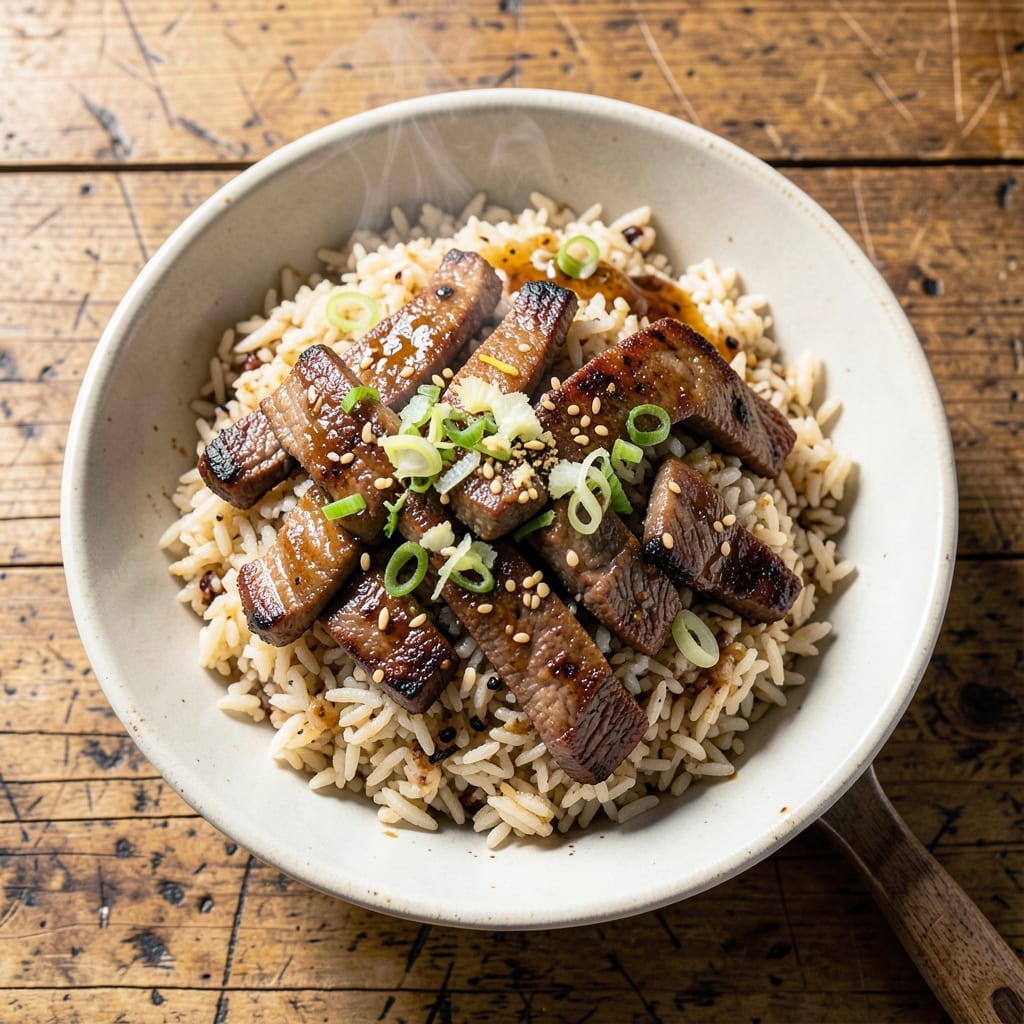
Authentic beef fried rice delivers the smoky, savory wok hei flavor that defines Chinese street food—right in your home kitchen. The secret lies in high-heat stir-frying, perfectly cooked day-old rice, and a balance of umami-rich ingredients like soy sauce, garlic, and ginger. I've refined this recipe through years of testing to capture that restaurant-quality texture and depth.
What sets this apart is the technique: small batches cooked over high heat ensure each grain gets crispy edges while staying tender inside. The beef is marinated in a simple soy-ginger mix, then sliced thin for quick cooking. We'll use a 3:1 rice-to-beef ratio, a classic proportion that guarantees every bite has that signature fried rice flavor without being meat-heavy.
The result is a dish where each component shines—crisp-tender rice, caramelized beef, and fresh scallions that add brightness. The wok hei (breath of the wok) aroma comes from proper heat control and constant stirring, creating that signature smoky flavor. This isn't just fried rice; it's a taste of authentic Chinese home cooking.
Perfect for weeknight dinners or meal prep, this recipe scales easily while maintaining authenticity. Whether you're serving family or hosting dinner guests, the professional techniques ensure restaurant-quality results every time. Let's get cooking!
Ingredients for authentic beef fried rice
Authentic wok hei technique requires precise ingredients and expertly balanced flavors for restaurant-style fried rice.
| Ingredient | Amount | Notes |
|---|---|---|
| Day-Old Cooked White Rice 🍚 | 4 cups | Cold, dry, and separated |
| Lean Beef 🥩 | 1 lb | Sirloin or flank, thinly sliced |
| Light Soy Sauce 🥢 | ½ cup | Kikkoman preferred for authenticity |
| Dark Soy Sauce 🥢 | 1 tbsp | For depth and color |
| Sesame Oil 🫒 | 1 tbsp | Toasted, for aroma |
| Fresh Ginger 🧄 | 1 ½ tbsp | Finely grated, aromatic |
| Garlic Cloves 🧄 | 6 cloves | Minced, for intense flavor |
| Large Eggs 🥚 | 2 whole | Fresh, beaten for scrambling |
| Green Onions 🧅 | ½ cup | Thinly sliced, white and green parts |
| Vegetable Oil 🫒 | ½ cup | High smoke point for wok hei |
| Salt 🧂 | 1 tsp | Kosher or sea salt |
| White Pepper 🌶️ | ½ tsp | Freshly ground for subtle heat |
| Cornstarch 🌾 | 1 tbsp | For tenderizing beef |
The day-old rice is non-negotiable—fresh rice releases too much starch and turns mushy. Look for jasmine or long-grain white rice at Whole Foods or Asian markets for optimal texture. The beef should be sirloin or flank, sliced against the grain into paper-thin strips. For extra tenderness, marinate it in 1 tbsp soy sauce, 1 tsp cornstarch, and 1 tsp sesame oil for 20 minutes. Kikkoman soy sauce is the gold standard for authentic umami, but La Choy works in a pinch. Fresh ginger and garlic should be brightly colored and firm—no wrinkled or moldy roots. Penzeys Spices carries high-quality ginger if your grocery store selection is lackluster.
No light soy sauce? Substitute with 3 tbsp dark soy sauce plus 1 tbsp regular soy sauce for similar depth. Short on sesame oil? Toast 1 tsp sesame seeds in a dry pan and grind them into the rice at the end for a quick fix. The eggs should be fresh—older eggs scramble too soft. For extra protein, add 1 cup chopped mushrooms or bell peppers, but keep the 3:1 rice-to-beef ratio. Vegetable oil is essential for high-heat cooking—Avocado Brand has the highest smoke point. If you're vegetarian, swap beef for shredded rotisserie chicken or tofu marinated in the same soy-ginger mix.
Store cooked fried rice in an airtight container for up to 4 days in the fridge. For best texture, reheat in a wok or skillet over medium heat with a splash of water to steam. Freezes beautifully for 3 months—portion into single-serving containers before freezing. The wok hei aroma fades over time, so reheat from frozen in a hot wok for that signature smoky flavor. For meal prep, double the recipe and freeze half—Costco sells bulk rice in 5-lb bags perfect for batch cooking. Always use day-old rice for crispy edges, never fresh.
Why You'll Love This Recipe
- Uses Day-Old Rice: I swear by this trick—cold rice fries up perfectly instead of turning mushy. No need to buy special ingredients; just raid your fridge after last night’s leftovers.
- Umami Bomb Combo: That dark soy sauce? It’s the secret weapon—deep, savory richness that balances the lean beef. A splash of sesame oil at the end? Pure magic in every bite.
- Lunchbox Hero: Pack it cold or reheat it—this stays solid for days. My kids grab it for school lunches, and I still sneak seconds at dinner. (Yes, even on a Tuesday night.)
- Budget Power Move: Ground beef stretches far, and rice? Cheap as dirt. For under $10, I feed four people a meal that tastes like a restaurant’s takeout. No guilt, all flavor.
Step-by-step instructions for authentic beef fried rice
Master the wok hei technique for restaurant-quality fried rice with perfectly tender beef and aromatic flavors.
Prep the Beef for Maximum Tenderness
Slice the 1 lb lean beef thinly against the grain into ¼-inch strips—this ensures each bite remains tender. Transfer the strips to a bowl and toss with the 1 tbsp cornstarch, coating evenly. Let sit for 10 minutes while you prepare the aromatics. The cornstarch creates a delicate barrier that prevents the beef from toughening during the high-heat stir-fry.
Real talk: If the beef sits too long after slicing, it'll start to dry out. Work quickly once you begin cooking. Also, avoid over-slicing—thin strips cook faster but can turn mushy if not timed perfectly.
Build the Flavor Base with Aromatics
Heat a wok or large skillet over high heat until a drop of water sizzles violently. Add the ½ cup vegetable oil and swirl to coat the pan evenly. Toss in the 6 cloves minced garlic and 1.5 tbsp finely grated fresh ginger, stirring constantly for 30 seconds until fragrant but not browned—this prevents bitterness.
Here's the thing—high heat is non-negotiable for authentic wok hei. If your pan isn't screaming hot, you'll lose that signature smoky aroma. Add the 1 tbsp dark soy sauce now to deepen the color and flavor before moving to the beef.
Cook the Beef to Perfect Doneness
Working in batches if needed, add the cornstarch-coated beef to the wok. Stir-fry for 1-2 minutes until the edges turn lightly brown but the centers remain slightly pink. The beef should be 80% cooked at this stage—it'll finish in the rice. Remove the beef and set aside temporarily.
Don't walk away. Beef cooks fast at this heat level, and overcooking turns it rubbery. You'll know it's ready when the strips release easily from the pan and develop a glossy sheen from the cornstarch.
Scramble the Eggs for Silky Texture
In the same wok (no need to clean it—the fond adds flavor), pour in the 2 beaten large eggs and scramble rapidly with a spatula for 20-30 seconds until just set but still slightly runny. Remove the eggs and set aside with the beef.
This quick cook ensures the eggs remain creamy rather than rubbery. If you scramble too long, the eggs will dry out and lose their signature silky texture in fried rice. The residual heat from the wok is enough to finish them when combined with the rice.
Stir-Fry the Rice with Wok Hei Technique
Add the 4 cups day-old cooked white rice to the wok, breaking up any clumps with your spatula. Stir-fry vigorously for 2 minutes, letting the rice absorb the remaining oil and aromatics. Pour in the ½ cup light soy sauce, 1 tsp salt, and ½ tsp white pepper, tossing continuously for 1 minute until evenly distributed.
The rice should be hot and slightly sticky but not wet. If it feels dry, add 1-2 tablespoons water to create steam. This is where the magic happens—the high heat creates that coveted "wok hei" aroma that defines authentic fried rice.
Combine and Finish with Sesame Oil
Return the beef and eggs to the wok, tossing everything together for 30 seconds to meld the flavors. Drizzle in the 1 tbsp sesame oil and the ½ cup sliced green onions, stirring one final time. Taste and adjust seasoning—you might need a splash more light soy sauce for balance.
Serve immediately while the rice is steaming hot and the wok hei aroma is at its peak. Each bite should deliver tender beef, creamy eggs, and aromatic rice with layers of umami from the soy sauces and depth from the ginger and garlic.
Pro Tips For Making Authentic Beef Fried Rice
- USE COLD RICE: I learned this the hard way—fresh rice turns to mush. Spread day-old rice on a tray and refrigerate for 30 minutes before cooking. The extra chill helps it hold its shape under the wok’s fury.
- CUT BEEF THIN: Skip the thick slices—lean beef needs to cook fast. Freeze the meat for 15 minutes first, then slice against the grain into paper-thin strips. They’ll sear instantly and stay tender.
- STIR-FRY IN BATCHES: Overcrowding steams instead of sears. Cook the beef first in a hot wok until it’s 80% done, then set aside. Add the rice in one layer, spread it out, and let it crisp before tossing.
- SAVE THE SESAME OIL: This isn’t salad dressing—add sesame oil last. Toss it in at the very end, just before serving, so the aroma hits you fresh. A splash of dark soy sauce right before finishing gives that signature gloss.
Wine and beer pairings for authentic beef fried rice
Light Beer Pairings
A crisp, pilsner-style beer like Sapporo or Asahi Super Dry complements the dish beautifully, cutting through the richness of the beef and soy sauce while highlighting the ginger's brightness. The clean, slightly sweet profile balances the umami without overpowering the delicate wok hei aroma. I always reach for a 4-5% ABV beer to maintain harmony—avoid anything too hoppy or malty that could clash with the dish's savory notes. 🍺
Dry Riesling Harmony
For wine lovers, a dry Riesling from Germany or Austria is my go-to choice—its crisp acidity and subtle citrus notes mirror the ginger and green onions in the fried rice. Look for a 2019 Dr. Loosen Blue Slate or 2020 Chateau Ste. Michelle with 8-10% alcohol to avoid overwhelming the dish. The slight sweetness in some Rieslings enhances the caramelized beef without making the rice taste flat. 🍷
Sake for Authenticity
No pairing feels more authentic than a chilled dry junmai sake like Dassai 23 or Gekkeikan 17. The clean, slightly nutty profile elevates the dish's umami while the effervescence refreshes the palate between bites. Serve it in small chilled cups alongside the fried rice for an authentic Japanese-Chinese fusion experience. This is especially perfect if you're serving the dish with chopsticks and pickled vegetables on the side. 🍶
Avoid Heavy Options
Skip the oaked Chardonnay or heavy stouts—these will smother the dish's delicate aromatics. Even bold reds like Cabernet Sauvignon can overpower the soy sauce's subtlety. Instead, opt for light-bodied whites or session IPAs with 4-5% ABV if you prefer beer. The key is balance: your beverage should enhance, not compete with, the dish's signature wok hei flavor. 💫
Nutrition facts
Frequently asked questions
Why does authentic fried rice need day-old rice?
Day-old rice has dried out, allowing each grain to develop crispy edges while staying tender inside. Fresh rice releases too much starch, making it mushy when stir-fried. For best results, cook your rice the night before or spread freshly cooked rice on a tray and refrigerate for 2 hours before using. This creates that signature restaurant-style texture!
Can I use fresh rice if I don't have day-old rice?
Yes, but with adjustments: spread freshly cooked rice on a tray and refrigerate for 2 hours to dry it out, or spread it on a clean kitchen towel and fan it for 30 minutes. Never skip this step—it's what gives fried rice its signature crunch. If you're in a hurry, use slightly undercooked rice (remove from heat when grains are still firm) and let it cool completely before frying.
What's the secret to getting that smoky wok hei flavor?
The secret is high heat and proper technique: use a wok or large skillet, heat it until smoking hot, and stir-fry in small batches. Keep the ingredients moving constantly to create steam and develop that signature aroma. A well-seasoned carbon steel wok helps, but even stainless steel works if you get it hot enough. The key is patience—don't rush the cooking process!
How do I prevent the beef from getting chewy?
Slice the beef thinly against the grain and marinate it in 1 tbsp cornstarch for 10 minutes before cooking. Cook it in batches over high heat for only 1-2 minutes until just browned but still slightly pink inside—it'll finish cooking when combined with the rice. Overcooking beef is the #1 cause of chewiness in fried rice!
Can I make this recipe with a regular skillet?
While a wok is ideal for wok hei, a 12-inch cast iron or stainless steel skillet works perfectly. The key is getting your pan extremely hot before adding oil. For better heat distribution, use medium-high heat instead of high. A well-seasoned skillet will still give you that delicious smoky aroma, though it might take slightly longer to develop.