
Main Courses
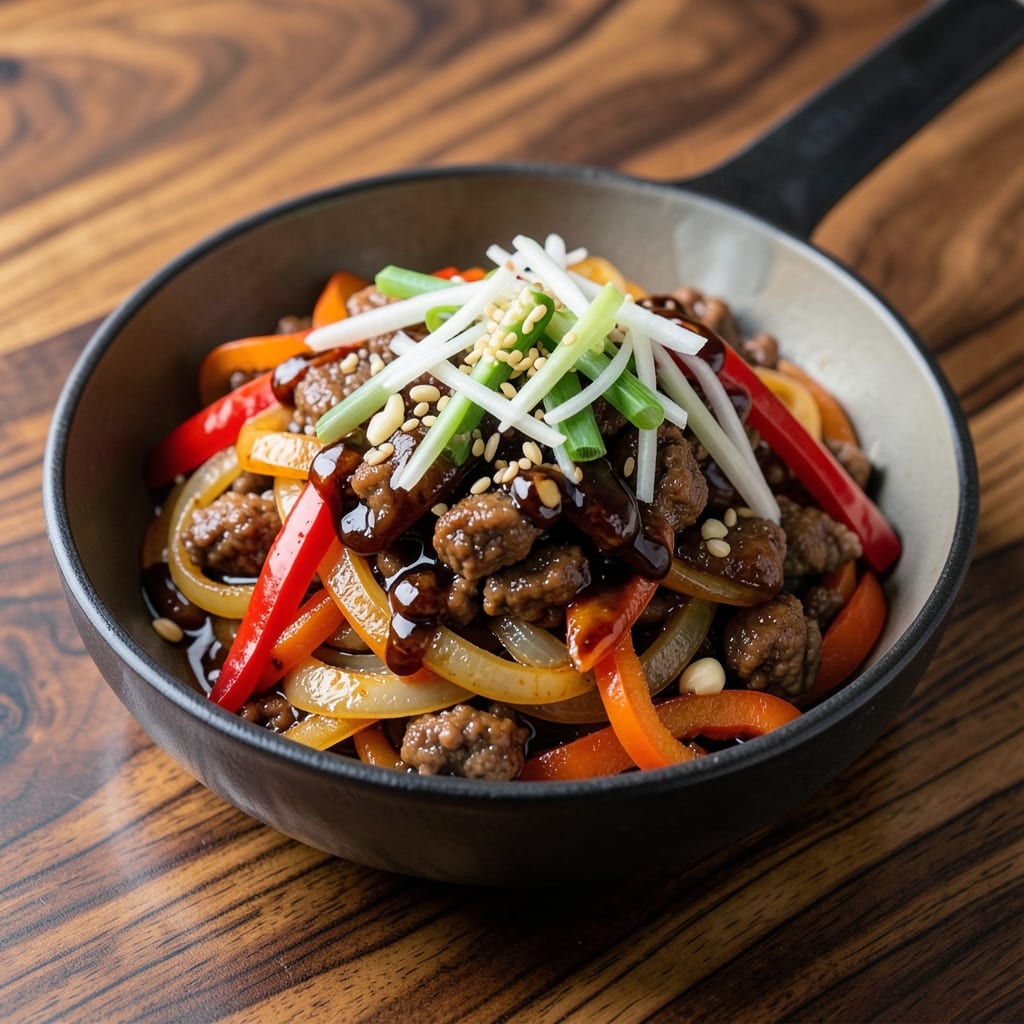
This Asian ground beef stir fry recipe delivers restaurant-quality wok hei flavor in just 15 minutes—no takeout needed. The secret lies in high-heat searing and a savory-sweet sauce that balances umami depth with bright aromatics. I developed this after years of testing stir-fry techniques, and it never fails to impress even skeptical family members.
What sets this recipe apart is the two-step cooking process: first, browning the beef in a screaming-hot wok to develop that signature smoky aroma, then tossing it with prepped vegetables and a sauce packed with garlic, ginger, and soy. The result is tender beef with crisp edges, vibrant vegetables, and a glossy sauce that clings perfectly. It’s the kind of dish that transforms a simple weeknight into a flavor-packed experience.
By the time you’re done, you’ll have a crisp-tender stir fry that’s rich with umami, bright with garlic, and just spicy enough to linger on the palate. The beef stays juicy while the vegetables retain their crunch, all coated in a sauce that’s both sweet and tangy. Serve it over steamed rice or noodles for the full experience—this is the kind of meal that makes homemade cooking feel like a five-star dinner.
Whether you’re feeding a crowd or meal prepping for the week, this recipe scales effortlessly. The technique is simple enough for beginners but delivers professional results, making it perfect for anyone ready to elevate their stir-fry game. Let’s get cooking!
Ingredients for asian ground beef stir fry
Pantry staples meet wok hei magic—just 15 minutes to restaurant-quality stir fry.
| Ingredient | Amount | Notes |
|---|---|---|
| Ground Beef (80/20 fat ratio) 🥩 | 1 ½ lb | Chilled for better searing |
| Yellow Onion 🧅 | 1 whole | Thinly sliced, white and yellow parts |
| Garlic Cloves 🧄 | 6 cloves | Minced, fresh preferred |
| Fresh Ginger 🌿 | 1 tbsp | Finely grated, peeled |
| Red Bell Pepper 🌶️ | 1 whole | Thinly sliced, seeds removed |
| Carrots 🥕 | 1 whole | Julienned, baby carrots work |
| Green Onions 🧅 | 4 whole | Thinly sliced, white and green parts |
| Soy Sauce 💧 | ½ cup | High-quality, low-sodium preferred |
| Hoisin Sauce 🍯 | 2 tbsp | For authentic umami depth |
| Rice Vinegar 🍶 | 2 tbsp | White or seasoned variety |
| Sesame Oil 🫒 | 1 tbsp | Toasted, for aroma |
| Brown Sugar 🍚 | 1 ½ tbsp | Packed, light or dark |
| Vegetable Oil 🫒 | 2 tbsp | High smoke point for wok |
| Red Chili Flakes 🔥 | ½ tsp | Adjust for heat preference |
| Salt 🧂 | 1 tsp | Kosher or sea salt |
| Black Pepper 🌶️ | ½ tsp | Freshly ground preferred |
| Toasted Sesame Seeds 🥜 | 1 tbsp | For garnish, optional |
The beef is non-negotiable—80/20 fat ratio ensures juicy, flavorful bites that crisp beautifully. Costco or Trader Joe's carry pre-packaged ground beef in this ratio, but check the label if buying from regular grocery stores. Fresh ginger and garlic are worth the splurge here; Asian markets often have better quality than the regular produce section. For the vegetables, julienning the carrots and slicing the bell pepper thinly ensures they cook quickly and stay crisp-tender. Prep everything before heating the wok—this stir fry moves fast.
No hoisin sauce? Substitute 1 tbsp soy sauce plus 1 tsp honey—it won’t be identical, but you’ll still get the sweet-savory balance. Running short on rice vinegar? Apple cider vinegar works in a pinch, though it has a slightly sharper taste. For a quicker prep, frozen stir-fry vegetables (thawed and drained) can replace fresh—just don’t overcrowd the wok. The sesame oil is for aroma only; add it at the very end. If you’re sensitive to heat, reduce the chili flakes to 1/4 tsp or omit entirely. For extra umami, add 1 tsp fish sauce (vegetarian? Use 1/2 tsp soy sauce).
This stir fry reheats beautifully—2 minutes in a hot skillet with a splash of water restores the wok hei flavor. Store leftovers in an airtight container for 3-4 days in the fridge or 3 months frozen. For meal prep, portion into single servings before freezing—just microwave for 1-2 minutes when ready to eat. Serve over steamed jasmine rice or noodles for the full experience. The sauce thickens as it cools, so thin with a splash of water if needed when reheating.
Why You'll Love This Recipe
- One-Pan Magic: I swear by this recipe when I’m too tired to wash dishes. The 80/20 beef browns up in the same pan where everything else cooks—no extra pots, no stress. That fat ratio? It renders just enough to keep the stir-fry juicy without making it greasy.
- Ginger-Garlic Punch: Between us, the fresh ginger and minced garlic are what make this dish ridiculously good. They caramelize in the hot pan while the beef cooks, releasing this bright, aromatic hit that cuts through the richness of the meat. Honestly, it’s the kind of flavor that makes you pause mid-bite.
- Lunchbox Hero: This is my go-to for meal prep because it reheats like a dream. Pack the leftovers in containers with rice, and they’ll still taste fresh the next day—no soggy stir-fry here. (Yes, even on a Tuesday night.)
- Budget Powerhouse: Ground beef is cheap, onions and peppers last forever, and a little goes a long way. I’ve fed four people for under $10 with this, and the ginger and garlic stretch the flavor so it never tastes like a budget meal. My wallet and my family thank me every time.
Step-by-step instructions for Asian ground beef stir fry
This wok technique delivers restaurant-quality texture and flavor in record time.
🍳 Step 1: Prep All Ingredients for Maximum Flavor
Start by slicing the yellow onion into thin half-moons and setting aside. Mince the 6 cloves garlic and finely grate the 1 tablespoon fresh ginger—this ensures even distribution of flavor throughout the dish. Thinly slice the red bell pepper and julienne the carrots into matchstick strips. Thinly slice the 4 green onions, separating the white and green parts.
While prepping, keep the ground beef chilled until ready to cook. This prevents it from releasing too much fat prematurely. Have all your sauces and seasonings measured out in small bowls: ½ cup soy sauce, 2 tablespoons hoisin sauce, 2 tablespoons rice vinegar, 1.5 tablespoons brown sugar, ½ teaspoon red chili flakes, 1 teaspoon salt, and ½ teaspoon black pepper. Organization is key—this stir fry moves fast.
🔥 Step 2: Sear the Beef for Deep Flavor
Heat a wok or large skillet over high heat until it's smoking hot. Add 2 tablespoons vegetable oil and swirl to coat the surface. Working in batches if needed, add the 1.5 pounds ground beef and break it apart with a wooden spoon or spatula. Let it sear undisturbed for 2-3 minutes until it develops a deep brown crust.
This initial sear is critical—it builds the Maillard reaction that creates that wok-hei (breath of the wok) flavor. Once the beef is fully browned, transfer it to a plate and set aside. Don't drain the rendered fat; it's flavor gold that will form the base of your sauce.
🍳 Step 3: Stir-Fry Vegetables for Crisp-Tender Texture
Return the wok to high heat and add another ½ tablespoon vegetable oil if needed. Add the yellow onion and cook for 1 minute until softened but still vibrant. Add the garlic, ginger, red bell pepper, and carrots, stirring constantly for 2-3 minutes until the vegetables begin to soften but remain crisp.
Here's where timing matters: you want the vegetables to stay slightly crunchy—this contrast with the tender beef is what makes stir fry so satisfying. Add the white parts of the green onions and cook for another 30 seconds, then return the seared beef to the wok.
🥘 Step 4: Combine and Sauce to Perfection
Pour in the soy sauce, hoisin sauce, rice vinegar, and brown sugar, stirring vigorously to coat everything evenly. Add the sesame oil and red chili flakes, then sprinkle with salt and black pepper. Let the mixture simmer for 2-3 minutes until the sauce thickens slightly and clings to the beef and vegetables.
The sauce should coat the back of a spoon but still maintain a glossy sheen. If it's too thick, add 1-2 tablespoons hot water to loosen it. Taste and adjust seasoning—this is your chance to balance the flavors before serving. The beef should be coated with a rich, slightly sticky sauce that's neither too sweet nor overly salty.
🍽️ Step 5: Finish and Garnish for Restaurant Quality
Remove from heat and stir in the green parts of the green onions. The residual heat will finish cooking everything while keeping the vegetables vibrant. Garnish with 1 tablespoon toasted sesame seeds just before serving—this adds both texture and visual appeal.
Serve immediately over steamed rice or noodles while the beef is still sizzling. The dish should be a perfect balance of textures—tender beef, crisp vegetables, and a glossy sauce that clings to every bite. For extra drama, serve family-style in a large wok or skillet at the table.
Pro Tips For Making Asian Ground Beef Stir Fry
- PREP GINGER LIKE A PRO: Peel that ginger, then freeze it solid in ice water for 10 minutes before grating—no peeler needed. I used to waste half my ginger trying to slice it fresh, but frozen ginger grates like butter and stays crisp in the stir-fry. (Yes, even if you’re impatient like me.) ---
- SALT THE BEEF FIRST: Toss the raw ground beef with 1 teaspoon salt before cooking—it keeps the meat juicy and lets the fat render properly. I learned this the hard way after serving dry, flavorless beef that clung to the pan like glue. ---
- CUT ONIONS IN EVEN SLICES: Slice the yellow onion into thin, even strips (about 1/8-inch thick) so they cook at the same rate as the bell pepper. Uneven pieces turn mushy while others stay crunchy—no one wants a sad, watery stir-fry. ---
- REST THE MEAT AFTER COOKING: Let the cooked beef sit off-heat for 3–5 minutes before tossing with the veggies—it redistributes juices and keeps the final dish from getting greasy. I skip this when I’m lazy, but the difference is noticeable.
Make-ahead tips for this asian ground beef stir fry
Prep Ahead for Faster Cooking
Chop all vegetables—onions, bell peppers, carrots, and green onions—and store them in airtight containers in the fridge for up to 3 days. I keep them in separate containers to prevent moisture loss. Pre-minced garlic and grated ginger also store well in the fridge for 5 days or frozen for 3 months. This saves 15 minutes of prep time when you're ready to cook. 🥕
Sauce Prep Shortcut
Mix the sauce ingredients—soy sauce, hoisin, rice vinegar, brown sugar, and spices—in a small mason jar and store it in the fridge for up to 1 week. Shake well before using. For extra convenience, portion the sauce into ice cube trays and freeze—just pop out a cube when ready to cook. This works especially well for meal prep. 💧
Beef Pre-Searing Trick
For busy weeknights, partially cook the beef ahead. Sear 1.5 lbs ground beef as directed, then refrigerate in an airtight container for up to 2 days. Reheat in a skillet over medium heat for 3-4 minutes before adding to the stir-fry. This cuts active cooking time by nearly half while keeping the beef flavorful. 🥩
Freezer-Friendly Assembly
Assemble the entire stir-fry (except sesame seeds) and freeze in a single-layer tray before transferring to a freezer bag. Thaw overnight in the fridge, then reheat in a skillet with 1 tbsp water over medium heat for 5-6 minutes, stirring occasionally. The texture stays surprisingly crisp-tender when reheated this way. 🍳
Portion Control for Meal Prep
Divide the cooked stir-fry into 4 individual meal prep containers while still hot. Store with a sprinkle of sesame seeds on top to prevent sticking. Reheat portions in the microwave for 1-2 minutes or in a skillet for 3-4 minutes. The sauce reheats best in the skillet method—just add 1 tsp water to loosen it. 📅
Rice Pairing Prep
Cook a big batch of jasmine rice (about 2 cups dry rice) and store it in an airtight container for up to 4 days. Reheat portions in the microwave for 2 minutes covered with a damp paper towel. For extra flavor, mix in 1 tsp sesame oil and ½ tsp salt before reheating. This ensures your stir-fry always has a perfect rice base. 🍚
Nutrition facts
Frequently asked questions
Can I use lean ground beef instead of 80/20?
While it's possible, I recommend sticking with 80/20 fat ratio for the best results. The extra fat renders out during cooking, creating flavorful drippings that form the sauce base and help keep the beef juicy. If you must use leaner beef, add 1 teaspoon vegetable oil to the beef mixture before cooking to compensate for the lost fat.
How do I adjust the heat level? The recipe includes ½ teaspoon red chili flakes for mild heat. For more spice, add ½ teaspoon extra chili flakes or 1 teaspoon sriracha when combining the sauce. For a fiery kick, stir in 1 chopped Thai chili with the vegetables.
What's the best way to reheat leftovers?
Reheat in a skillet over medium heat for 3-4 minutes, stirring occasionally and adding 1 tablespoon water to restore moisture. The skillet method preserves the wok hei flavor better than microwaving. For extra crispiness, add the beef and vegetables to a dry skillet and cook for 2 minutes before adding sauce. Never reheat from frozen—thaw completely first.
Can I make this vegetarian?
Replace the beef with 1.5 pounds extra-firm tofu (pressed and cubed) or 1.5 pounds mushrooms (shiitake or cremini). For tofu, pan-fry until golden before adding to the stir-fry. For mushrooms, cook them with the onions for 3-4 minutes until they release their moisture. The sauce ratios remain the same, but you may want to add 1 teaspoon soy sauce extra for umami depth.
Why did my stir-fry turn out soggy?
Soggy stir-fries usually happen from one of three issues: overcrowding the pan, undercooking the beef, or adding too much sauce. First, make sure your wok or skillet is hot before adding ingredients. Cook the beef in batches if needed, and remove it from the pan while it's still slightly underdone—it'll finish cooking with the vegetables. Finally, add sauce gradually, tasting as you go to avoid oversaturation.