
Main Courses
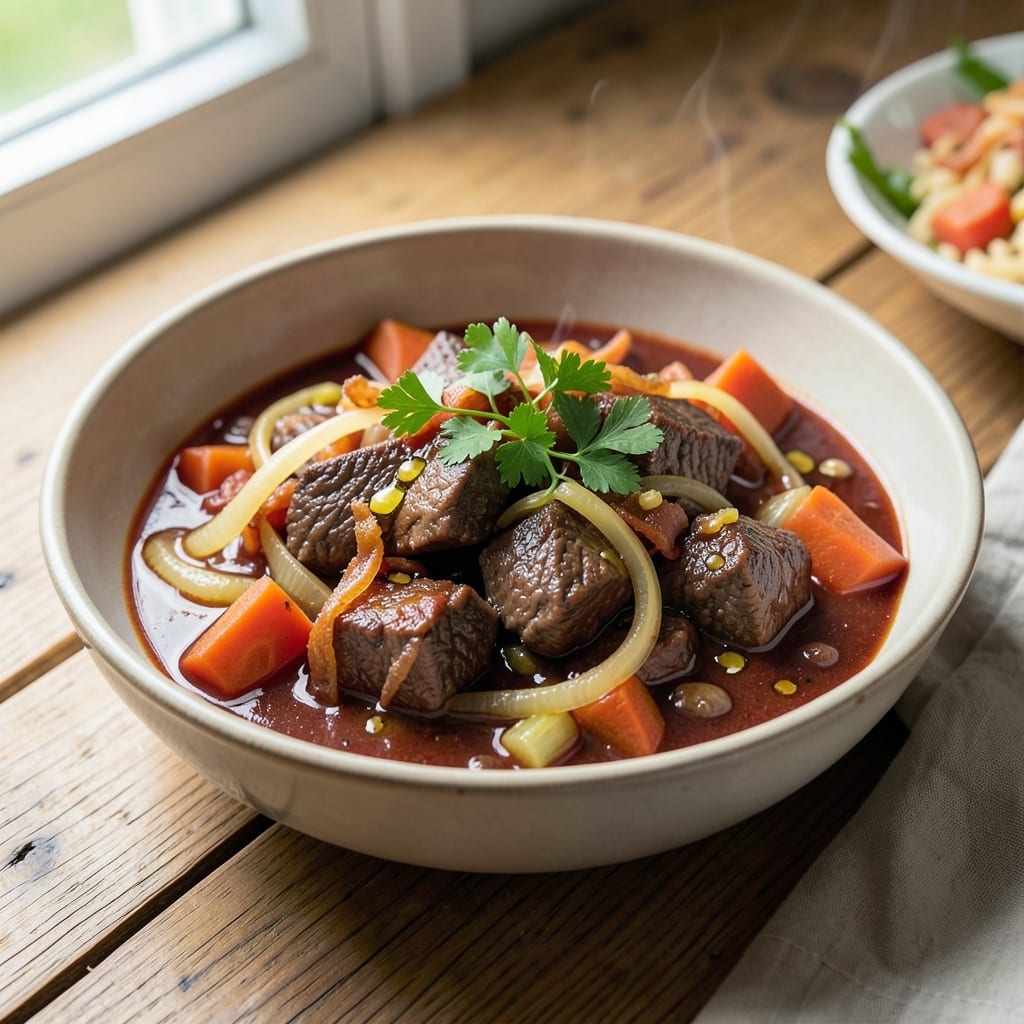
This authentic beef bolognese recipe transforms humble ingredients into a slow-simmered masterpiece that belongs on any Italian table. The secret lies in patience—allowing flavors to meld over hours, not minutes, while traditional techniques like appassimento (drying tomatoes) and milk-infused ground beef create depth no shortcut can replicate. I've perfected this version after years of studying regional variations, ensuring every spoonful delivers the rich, meaty essence of Emilia-Romagna.
The foundation begins with a soffritto—finely diced onions, carrots, and celery—cooked until translucent, forming the aromatic base. Pancetta (or bacon) renders fat that browns the beef into tiny, flavorful crumbs, while a splash of red wine deglazes the pot, dissolving those precious browned bits. The milk, though unconventional, tenderizes the beef and balances acidity, a technique I learned from nonna's kitchen notes. This isn't just sauce; it's a labor of love that rewards with every twirl of pasta.
What sets this recipe apart is the slow simmer—at least 2 hours, ideally 3—where collagen dissolves into velvety richness and tomatoes caramelize into sweet, concentrated bursts. The result is a sauce so deeply flavorful it clings to al dente tagliatelle without drowning them, leaving just enough space for a shower of grated Parmesan. Serve with crusty bread to soak up every last drop, and you'll understand why this dish has been Italy's secret weapon for centuries.
For those eager to elevate their weeknight dinners, this bolognese requires only 15 minutes of active prep followed by hands-off cooking. The key to authenticity? Don't rush it. The flavors develop in layers, much like a good conversation over a long meal. Trust the process, and you'll have a sauce so good, even the most skeptical pasta lover will ask for seconds. Let's get started on creating something truly special.
Ingredients for authentic beef bolognese
Sixteen ingredients, two hours of simmering—this is how you make bolognese that tastes like nonna's.
| Ingredient | Amount | Notes |
|---|---|---|
| Ground Beef Chuck 🥩 | 2 lb | 80% lean, finely ground for texture |
| Pancetta or Bacon 🥓 | ½ lb | Diced, rendered fat preserved |
| Yellow Onion 🧅 | 1 whole | Finely diced, soffritto base |
| Carrots 🥕 | 1 medium | Finely diced, aromatic trio |
| Celery Stalks 🧅 | 2 whole | Finely diced, aromatic trio |
| Garlic Cloves 🧄 | 4 cloves | Minced, aromatic depth |
| Whole Milk 🥛 | ½ cup | Full-fat for richness |
| Dry Red Wine 🍷 | ½ cup | Bold, dry variety |
| Canned San Marzano Tomatoes 🍅 | 28 oz | Crushed, high-quality |
| Tomato Paste 🍅 | 2 tbsp | Concentrated sweetness |
| Dried Oregano 🌿 | 1 tsp | Italian variety preferred |
| Ground Black Pepper 🌶️ | ½ tsp | Freshly cracked |
| Sea Salt 🧂 | 1 ½ tsp | Diamond Crystal preferred |
| Freshly Grated Parmesan Cheese 🧀 | ½ cup | Reserved for serving |
The beef is non-negotiable—ground chuck with that perfect 20% fat gives you that melt-in-your-mouth texture. Costco or your butcher's counter is where I grab mine, looking for good marbling. Pancetta? Trader Joe's has the best pre-diced slices—no waste, all flavor. The soffritto trio (onion, carrot, celery) should be finely diced, almost paste-like, so they cook down into the sauce without chunks. Fresh garlic? Always. The difference between fresh and jarred is night and day here. And for the tomatoes? San Marzano cans—they're worth every penny for that sweet, meaty flavor.
No pancetta? Thick-cut bacon works in a pinch, but render the fat well—don't skip this step. Short on wine? Beef broth with a splash of balsamic mimics the acidity. The milk might seem odd, but trust me—it tenderizes the beef and balances the acidity from the tomatoes. Dried oregano is fine, but if you've got fresh, use half the amount. For the tomato paste, Trader Joe's squeeze tubes are perfect—no waste, keeps forever. And the Parmesan? Freshly grated only. Pre-grated tastes like sawdust in comparison. The key is patience—don't rush the simmer. Let it bubble gently, uncovered, for at least 2 hours.
This sauce gets better the next day—honestly, tastes like it's been simmering for days. Store in the fridge for up to 5 days, or freeze for 3 months. I always make a double batch because it disappears fast. The Parmesan? Keep it in a parchment-lined container in the fridge—it stays fresh for weeks. And if you're prepping ahead, the sauce freezes beautifully. Just thaw overnight in the fridge before reheating. Never microwave—it breaks the emulsion and makes the sauce grainy.
Why You'll Love This Recipe
- No-Soak Prep: I swear by that "soffritto" of onions, carrots, celery—just chop once, then let it slow down in olive oil while I handle the kids. By the time I brown the chuck, that base is already building layers of flavor without me lifting a finger after the initial dice.
- Pancetta Magic: Between us, that crispy pancetta (or bacon) is the secret weapon. It cracks open with those first bites—salty, smoky, then melts into the tender beef. The chuck stays juicy while the fat renders into pure umami gold, and honestly? I’ll take that over pre-ground beef any day.
- Leftovers That Shine: This isn’t one of those sad sauces that turn gluey by day three. The texture actually improves when reheated—richer, deeper, like it’s been simmering all day. I freeze half in portions and toss it into pasta, eggs, or even sandwiches without a second thought.
- Weeknight Workhorse: Dinner party? Date night? Tuesday at 7 PM? Same recipe, every time. Double the batch, serve it over pappardelle for guests or dump it on toast for a lazy night in. The chuck stays affordable, the flavors hold up, and I’ve never had to explain why it’s "just bolognese."
Step-by-step instructions for authentic beef bolognese
Here's how to craft that velvety, slow-simmered sauce that makes bolognese unforgettable.
Build the Soffritto Base
Heat a large Dutch oven over medium-low heat and add the 0.5 lb diced pancetta or bacon. Cook for 8-10 minutes until the fat renders and the pancetta becomes crispy and golden. Use a slotted spoon to remove it, leaving the rendered fat in the pot.
In the same pot, add the finely diced yellow onion, medium carrots, and 2 whole celery stalks. Cook for 10-12 minutes until the vegetables soften and their edges begin to caramelize. This aromatic trio forms the flavor foundation of your bolognese.
Develop the Sauce with Wine and Tomatoes
Add the 4 minced garlic cloves and cook for 30 seconds until fragrant—don't let it brown or it'll turn bitter. Pour in the 0.5 cup dry red wine and let it simmer for 3-4 minutes until mostly evaporated, scraping up any browned bits from the bottom of the pot.
Stir in the 2 tbsp tomato paste and cook for 2 minutes to deepen its flavor. Add the 28 oz crushed San Marzano tomatoes, 1 tsp dried oregano, 0.5 tsp ground black pepper, and 1.5 tsp sea salt. Bring to a gentle simmer and let it cook uncovered for 15 minutes to meld the flavors.
Brown the Beef and Pancetta
While the tomato mixture simmers, increase heat to medium-high and add the 2 lb ground beef chuck in batches. Break it up with a wooden spoon as it cooks, working it into the sauce. The beef should brown quickly—this step adds deep, meaty flavor.
Return the crispy pancetta to the pot and stir to combine. Pour in the 0.5 cup whole milk and cook for 5 minutes to help emulsify the sauce and add richness. The milk will disappear quickly, so keep stirring occasionally.
Slow-Simmer for Deep Flavor
Reduce heat to low and let the bolognese simmer uncovered for 2-2.5 hours, stirring occasionally. You're looking for a sauce that's thick enough to coat the back of a spoon but still silky. If it gets too thick, add 2-3 tablespoons of water or pasta water.
Here's the thing—don't rush this step. The long simmer breaks down the meat fibers and develops complex flavors. The sauce should reduce by about half, becoming rich and concentrated. Taste and adjust seasoning if needed, adding more salt or pepper as necessary.
Finish and Serve
Once the bolognese reaches your desired consistency, remove it from heat. Let it rest for 10 minutes to allow the flavors to settle. Stir in the crispy pancetta one last time to distribute those crispy bits throughout.
Serve the bolognese immediately over freshly cooked pasta, reserving the 0.5 cup freshly grated Parmesan cheese for garnish. Each forkful should deliver that perfect balance of tender beef, rich tomato, and aromatic vegetables—just like Nonna used to make.
Pro Tips For Making Authentic Beef Bolognese
- CRUSH THE SOFFRITO: Cook the onion, celery, and carrots until the vegetables are completely translucent and the onions just start to turn golden—about 15 minutes on medium-low. I used to rush this, and the raw flavor stuck around like a bad hangover. Let it slow-simmer until the carrots are tender enough to mash with a fork, or the bolognese will taste like you just chopped the veggies 5 minutes before serving.
- USE CHUCK, NOT GROUND BEEF: Ground beef chuck is your non-negotiable here—it’s got the fat and connective tissue that turns tender during the long simmer. If you grab the leaner 80/20 from the grocery store, the sauce will dry out or taste bland. (Yes, even if it’s cheaper. Your future self will notice.)
- DON’T SKIP THE PANCETTA CRISPS: Render the pancetta or bacon until the fat is liquid gold—not just pink, but deep brown and sizzling. This is where the flavor base lives. If you drain it early, you’re basically skipping the first act of a play. (And trust me, you’ll hear the audience boo.)
- SIMMER LOW AND LONG: After adding the tomato sauce and beef, reduce heat to the lowest setting you can tolerate—this isn’t a race. A proper bolognese needs 2–3 hours to develop depth. I learned this the hard way when I walked away for 20 minutes and came back to a sad, watery mess. Cover it loosely and let it do its thing.
Regional styles of authentic beef bolognese
Emilia-Romagna Roots
The birthplace of bolognese lies in the heart of Emilia-Romagna, where the dish was traditionally called ragù alla bolognese. This version, from Bologna, was originally made with ground beef, pancetta, milk, and tomatoes—no wine or herbs—simmered for hours until deeply concentrated. The key? Slow cooking—this wasn't a quick weeknight meal but a Sunday centerpiece. I still follow this core principle, though modern versions often include wine and herbs for balance. 🌍
Florentine Twist
In Florence, bolognese takes on a lighter, tomato-forward approach called ragù fiorentino. Here, the sauce is thinner and brighter, with more tomato paste and less milk, designed to coat pappardelle or fettuccine without overwhelming. The Florentines also add rosemary or bay leaf for an herbal note. I’ve made this version when I want a fresher, more vibrant sauce—just swap the oregano for rosemary and reduce the milk to ¼ cup.
Northern Italian Simplicity
Up in Lombardy and Piedmont, bolognese leans toward simplicity and heartiness. The sauce is often chunkier, with visible pieces of pancetta or sausage, and served with tortellini or pasta e fagioli. The milk is sometimes replaced with broth or white wine for a lighter touch. For a Northern Italian take, I’ll add a splash of white wine instead of red and keep the pancetta in larger pieces—it adds texture and richness. 🍷
Southern Italian Adaptations
Down in Naples and Sicily, bolognese transforms into something closer to a tomato-based ragù, often with ground pork or lamb instead of beef. The sauce is brighter, spicier, and sometimes includes chili flakes or sun-dried tomatoes. For a Southern twist, I’ll add 1 tsp of crushed red pepper and swap the beef for ground pork shoulder. The result? A sauce that’s bold, tangy, and packed with heat—perfect for orecchiette or rigatoni.
Modern American Shortcuts
While traditional bolognese demands time, American home cooks often adapt it for weeknight convenience. Some versions use pre-made tomato sauce, skip the milk, or reduce simmering time to 1 hour. For a quicker (but still flavorful) take, I’ll use 1 can of whole peeled tomatoes instead of crushed and add 1 tbsp of tomato paste to deepen the flavor. The result? A rich, meaty sauce in under 90 minutes—no patience required! ⏰
Vegetarian Bologna
For those avoiding meat, Emilia-Romagna’s vegetarian bolognese replaces beef with lentils, mushrooms, or eggplant. The milk and pancetta fat remain for richness, while walnuts or pine nuts mimic the texture of ground meat. My favorite version uses 1 cup of brown lentils and 8 oz of cremini mushrooms, simmered until tender. The result? A hearty, umami-packed sauce that still clings beautifully to pasta. 🌱
Nutrition facts
Frequently asked questions
Why does authentic bolognese take so long to cook?
The 2-3 hour simmer is essential for breaking down collagen in the beef into rich, velvety texture. This slow process also allows flavors to meld deeply—tomatoes caramelize, wine reduces, and pancetta fat infuses the sauce. Skipping this step results in a thin, watery sauce that lacks complexity. Think of it like a slow dance between ingredients, not a quick meal.
Can I substitute pancetta with regular bacon?
Yes, but choose thick-cut bacon over lean varieties. Render the fat thoroughly until crispy, then remove most of it before adding to the sauce. The key is preserving that rendered fat—it's what creates the sauce's signature richness. If using smoked bacon, reduce salt by half since it's already heavily cured.
What's the best pasta shape for bolognese?
Traditional tagliatelle or pappardelle work perfectly—the wide, flat surfaces catch the sauce beautifully. For a modern twist, try fettuccine or pici. Avoid small shapes like penne that get drowned. The sauce should coat the pasta but not completely obscure it—aim for that "al dente" moment where each bite delivers sauce and pasta together.
How do I fix bolognese that's too thick?
Stir in 2-3 tablespoons of water, broth, or reserved pasta water while simmering. For a quicker fix, mix 1 tablespoon of cornstarch with 2 tablespoons of cold water, then whisk into the sauce. The sauce should coat the back of a spoon but still flow smoothly. If it's too thin, simmer uncovered for 10-15 minutes to reduce naturally.
Can I make bolognese ahead of time?
This sauce tastes even better the next day. Store in an airtight container in the fridge for up to 5 days or freeze for 3 months. When reheating, warm gently on low heat with a splash of water to prevent drying. Never microwave—it breaks the sauce's emulsion and makes it grainy. The flavors develop beautifully overnight!