
Soups & Stews
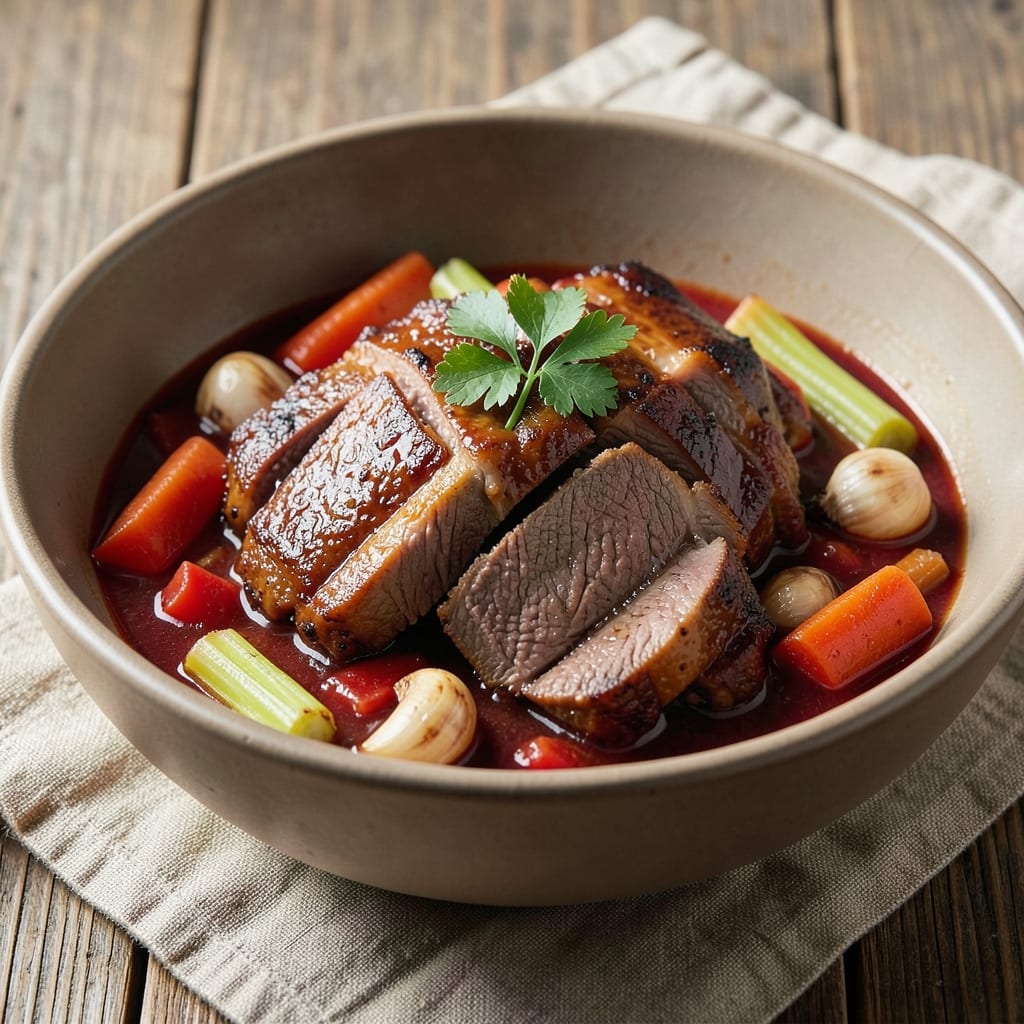
This authentic beef ragu recipe transports you to a rustic Italian trattoria with every tender, flavor-packed bite. The secret lies in slow-simmering beef until it melts into a rich, aromatic sauce—no shortcuts, just time-honored technique. I've perfected this version after years of testing, ensuring the perfect balance of deep tomato flavor, earthy herbs, and tender beef that practically dissolves on your tongue.
The process begins with browning the beef properly, creating a flavorful crust that forms the foundation of the ragu. Deglazing the pan captures every last bit of flavor, while a splash of red wine adds brightness and complexity. The slow simmer allows the meat to tenderize completely, transforming tough cuts into melt-in-your-mouth perfection while developing a sauce that's rich yet balanced.
What you'll end up with is a deeply flavorful ragu that's perfect for serving over al dente pasta, creamy polenta, or crusty bread. The aroma alone will have everyone gathering at the table, and the taste—well, that's where the magic happens. Each spoonful delivers layers of savory, slightly sweet tomato, aromatic herbs, and the unmistakable depth of slow-cooked beef.
This isn't just another ragu recipe—it's the kind that becomes a family tradition, passed down through generations. The beauty of this method is its flexibility; you can adapt it to your preferences while maintaining that authentic Italian soul. Let's get cooking and create something truly special.
Ingredients for authentic beef ragu
Authentic Italian flavors start with these simple yet essential ingredients for a rich, slow-simmered beef ragu.
| Ingredient | Amount | Notes |
|---|---|---|
| Chuck Roast 🥩 | 2 lb | Pre-cubed for even cooking |
| Extra-Virgin Olive Oil 🫒 | ½ cup | For browning beef |
| Yellow Onion 🧅 | 1 whole | Diced, medium size |
| Carrots 🥕 | 3 whole | Peeled, sliced into rounds |
| Celery Stalks 🌿 | 3 whole | Diced, fresh preferred |
| Garlic Cloves 🧄 | 6 cloves | Minced, fresh preferred |
| Canned San Marzano Tomatoes 🍅 | 28 oz | Crushed by hand |
| Dry Red Wine 🍷 | 1 cup | Bold, like Cabernet Sauvignon |
| Tomato Paste 🍅 | 2 tbsp | Smooth, for depth |
| Fresh Rosemary 🌿 | ½ tsp | Chopped, finely |
| Fresh Thyme 🌿 | 1 tbsp | Leaves only, chopped |
| Bay Leaves 🌿 | 2 whole | Dried, for infusion |
| Beef Broth 💧 | 2 cups | Homemade or quality store-bought |
| Diamond Crystal Kosher Salt 🧂 | 1 ½ tsp | Adjust to taste |
| Freshly Ground Black Pepper 🌶️ | ½ tsp | For seasoning |
The chuck roast is non-negotiable here—it's the only cut that delivers that melt-in-your-mouth tenderness after hours of slow cooking. Look for well-marbled beef at your local butcher shop or the meat department at Whole Foods or Trader Joe's. If you're buying pre-cubed, check for even-sized pieces; otherwise, ask your butcher to cut it for you. The San Marzano tomatoes are worth the splurge—their sweetness and acidity are unmatched. I always grab a few extra cans; they keep for years in your pantry and elevate everything from pasta to pizza sauce.
No red wine? Dry white wine or beef broth works in a pinch, though the flavor will be slightly different. Fresh herbs make all the difference, but dried thyme at one-third the amount is fine if that's what you have. The tomato paste can be substituted with extra crushed tomatoes, though it won't be as concentrated. For the vegetables, don't stress about exact measurements—eyeball it. The carrots and celery add sweetness and depth, while the onion and garlic form the aromatic base. If you're short on time, a pre-made soffritto mix from Italian specialty stores saves steps without sacrificing flavor.
This ragu tastes even better the next day as the flavors meld and deepen. Store it in an airtight container in the fridge for up to 5 days, or freeze portions for 3 months. I like to portion it into individual containers so I can grab a serving straight from the freezer and thaw it overnight in the fridge. The sauce thickens as it cools, so a splash of broth or water when reheating keeps it luscious. Serve it over al dente pasta, creamy polenta, or crusty bread—just don't skimp on the ragu.
Why You'll Love This Recipe
- One-Pot Magic: I swear by this—just sear the chuck roast, toss in the onions, carrots, and celery (that classic "soffritto" combo), then let it simmer. No extra dishes, no fuss, and the flavors meld into something deep and rich without me having to babysit it.
- Deep Umami Bomb: The slow-cooked chuck roast turns impossibly tender, while the olive oil and caramelized veggies build layers of flavor you won’t find in store-bought sauces. Honestly, the first time I tasted it, I nearly burned the kitchen waiting for my next bite.
- Weeknight Workhorse: This ragu is my go-to for busy nights—serve it over pasta, toss it with polenta, or even stuff it into dumplings. (Yes, even on a Tuesday night.) It’s the kind of dish that feels special but doesn’t demand hours of prep.
- Budget Winner: A single chuck roast stretches for days—freeze half for later, or stretch it into multiple meals with a splash of broth. I’ll be real: it’s the most cost-effective way to feed a crowd without breaking the bank.
Step-by-step instructions for authentic beef ragu
Here's how to build rich, flavorful ragu that tastes like Nonna's—slow, steady, and full of Italian soul.
Brown the Chuck Roast for Maximum Flavor
Heat the 0.5 cup extra-virgin olive oil in a heavy Dutch oven over medium-high heat until shimmering. Add the 2 lb chuck roast in a single layer, working in batches if needed, and let it sear undisturbed for 8-10 minutes until deep golden brown on all sides. This step creates the Maillard reaction—those beautiful browned bits that pack the most flavor.
I like to press down gently on the meat during the first minute to prevent curling, which ensures even contact with the pan. Once browned, transfer the meat to a plate and set aside. Don't drain the fat—this golden liquid will form the base of your sauce. If the fat gets too hot and starts smoking, reduce the heat slightly and let it cool for a minute before proceeding.
Sauté the Vegetable Base
In the same Dutch oven, add the diced yellow onion, sliced carrots, and diced celery stalks (this trio is called soffritto in Italian cooking). Cook over medium heat for 8-10 minutes, stirring occasionally, until the vegetables soften and the onion becomes translucent. You want them to caramelize slightly—that sweetness will deepen the ragu's flavor profile.
Add the 6 minced garlic cloves and cook for another 30 seconds until fragrant. Be careful not to let the garlic burn—it should smell like heaven, not like a fire alarm. At this point, stir in the 2 tbsp tomato paste and cook for 1-2 minutes until it darkens slightly. This paste adds a concentrated tomato flavor that forms the backbone of your ragu.
Deglaze and Simmer the Wine
Pour in the 1 cup dry red wine and scrape up all those browned bits from the bottom of the pot with a wooden spoon. This deglazing step captures all the meaty flavor that would otherwise stick to the pan. Let the wine simmer for 5-7 minutes until it reduces by half and the alcohol cooks off—you'll smell it evaporating, which is a good sign.
Here's where the magic happens: add the 28 oz crushed San Marzano tomatoes, 2 cups beef broth, 1.5 tsp kosher salt, 0.5 tsp black pepper, 2 bay leaves, 0.5 tsp chopped rosemary, and 1 tbsp chopped thyme. Stir everything together, then return the browned chuck roast to the pot. The meat should be mostly submerged in the liquid—if not, add a splash more broth.
Slow-Simmer for Deep Flavor Development
Bring the mixture to a gentle simmer, then reduce the heat to low and cover partially with a lid. Let it cook for 2.5-3 hours, stirring occasionally, until the meat is fork-tender and the sauce has thickened into a rich, velvety consistency. The key here is patience—this slow cooking breaks down the connective tissue in the chuck roast, creating melt-in-your-mouth texture.
I check the sauce every 30 minutes to ensure it's simmering gently, not boiling vigorously. If it gets too thick, add a splash of broth or water. The ragu should coat the back of a spoon but still be saucy enough to cling to pasta. Once the meat pulls apart easily with a fork and the sauce has reduced to your desired thickness, it's ready.
Rest and Finish
Remove the lid and let the ragu simmer uncovered for another 10-15 minutes to allow any excess liquid to evaporate and the flavors to concentrate. This final step is crucial for achieving that authentic, restaurant-quality texture. Taste and adjust the seasoning—you might need a pinch more salt or pepper, depending on your broth.
Let the ragu rest for 15-20 minutes before serving. This resting period allows the flavors to meld completely and the meat to reabsorb any juices. Serve over al dente pasta (like pappardelle or tagliatelle) with a sprinkle of fresh parsley and a drizzle of the cooking juices. The result should be a rich, meaty sauce with layers of tomato, herb, and wine flavors that sing in every bite.
Pro Tips For Making Authentic Beef Ragu
- SEAR THE CHUCK ROAST: Don’t just brown it—get it deep golden, almost black in spots. After patting the chuck dry (yes, even if it’s stubborn), hit it with high heat in your Dutch oven for 3-4 minutes per side. I used to rush this, and the ragu never had that rich, meaty depth. The crust locks in flavor, so don’t skimp on the time.
- SOFTEN VEGETABLES LOW AND SLOW: After adding onions, carrots, and celery, reduce heat to actual low—think "barely simmering" with occasional bubbles. If you’re impatient and crank it up, you’ll burn them before they soften. My grandmother swore by this, and she was right: let them melt into the sauce over 20-30 minutes, stirring occasionally. No need to rush.
- SKIP THE BOILING POINT: Once the meat and veggies are in the pot, cover it and cook at a gentle simmer—not a rolling boil. I learned this the hard way after my first ragu turned out watery and pale. A steady, quiet simmer (just a few bubbles at the edges) keeps the meat tender and the sauce rich. Check it every 15 minutes to adjust heat.
- USE THE MEAT’S OWN JUICES: After the chuck roast is fully cooked, pull it out and let it rest for 10 minutes before slicing. Then, return the meat to the pot and let it soak up the sauce for another 10 minutes. This isn’t the prettiest method, but it’s the tastiest—you’ll end up with slices that stay together and a sauce that’s thickened by the meat’s natural juices, not just reduction.
Flavor customization for this authentic beef ragu
Herb Variations
Swap out the rosemary and thyme for fresh sage and oregano if you prefer a more Mediterranean twist. I find ½ tsp dried sage and 1 tbsp chopped oregano work beautifully—just add them with the tomatoes. For a Tuscan-inspired ragu, try ½ tsp chopped basil and ½ tsp chopped parsley for a brighter finish. 🌿
Spicy Kick
Add ½ tsp crushed red pepper flakes when deglazing with wine for subtle heat, or stir in 1-2 tbsp hot Italian sausage crumbles during the final simmer. For smoky depth, include ½ tsp smoked paprika with the tomato paste. I like to serve spicy ragu with creamy mashed potatoes to balance the flavors.
Creamy Twist
Stir in ½ cup heavy cream or ¼ cup mascarpone cheese during the last 10 minutes of cooking for a luxurious texture. This works especially well with polenta or risotto. For extra richness, add 1 oz grated Parmesan at the end—just be sure to remove the bay leaves first.
Vegetarian Adaptation
Replace the beef with 2 cups chopped mushrooms (cremini or portobello) and 1 cup lentils for a hearty vegetarian version. Sauté the mushrooms first to develop their flavor, then proceed with the recipe as written. The lentils add protein and help thicken the sauce naturally.
Wine Alternatives
If you don't have red wine, use 1 cup beef broth + 1 tbsp balsamic vinegar for depth. For a lighter profile, substitute with 1 cup dry white wine or even 1 cup apple cider. The key is balancing acidity—always taste and adjust with a pinch of salt or extra tomato paste if needed.
Slow Cooker Shortcut
Transfer all ingredients to a 6-quart slow cooker after browning the meat and deglazing. Cook on low for 6-8 hours or high for 4-5 hours, stirring occasionally. This method works especially well for busy weeknights while still delivering deep flavor. Just
Nutrition facts
Frequently asked questions
Can I use a different cut of beef for this ragu?
Chuck roast is ideal because its connective tissue breaks down beautifully during slow cooking, creating that signature tender texture. However, you can substitute with brisket or short ribs—just increase cooking time by 30-45 minutes since these cuts are tougher. Avoid lean cuts like sirloin, as they'll dry out.
Why does my ragu turn out watery?
Watery ragu usually means it didn't simmer long enough to reduce. Always cook uncovered for the last 10-15 minutes to evaporate excess liquid. If needed, remove the meat and reduce the sauce separately, then return the meat to reabsorb the juices. For extra thickness, stir in 1 tbsp tomato paste or 1 tsp cornstarch mixed with water.
How do I make this ragu ahead of time?
This ragu tastes even better the next day! Store it in an airtight container in the fridge for up to 5 days or freeze portions for 3 months. When reheating, add a splash of broth or water to restore moisture, then simmer gently. The flavors deepen over time, making it perfect for meal prep.
Can I make this in an Instant Pot?
Yes, but with adjustments. Brown the meat in a skillet first, then transfer to the Instant Pot with all ingredients. Cook on high pressure for 45 minutes, then natural release. The texture will be slightly different (more tender, less reduced), but still delicious. For extra richness, finish with 1 tbsp butter or 1 oz grated Parmesan before serving.
What's the best pasta to serve with this?
Wide, flat noodles like pappardelle or tagliatelle work best—they hold the thick ragu beautifully. For extra indulgence, try fresh egg pasta or gnocchi. If you prefer a non-pasta option, serve with creamy polenta or crusty sourdough bread to soak up every last bite.