
Main Courses
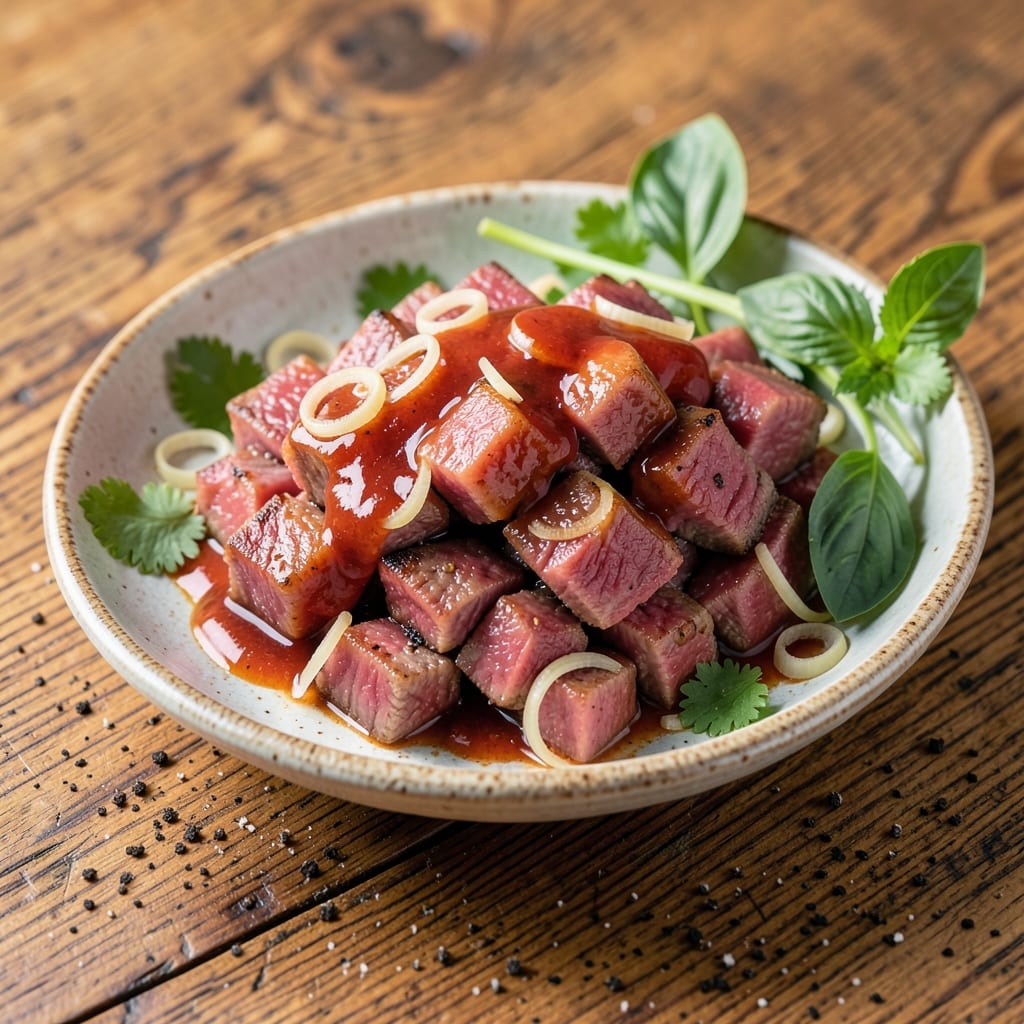
This Asian beef tartare recipe transforms raw beef into a luxurious, silky-smooth dish with vibrant herb zing and bold umami flavors. 🌟 The secret lies in proper knife technique—thinly sliced, tender beef melts in your mouth while fresh herbs and aromatic garnishes elevate every bite. Unlike traditional versions, this recipe incorporates soy-miso and gochujang for depth, creating a fusion that's both authentic and innovative.
What sets this dish apart is the balance of textures and flavors: delicate beef, crisp scallions, toasted sesame seeds, and a touch of chili oil that adds just the right kick. The marinade infuses the beef with layers of complexity, while proper handling ensures food safety without sacrificing freshness. This isn't just a dish—it's an experience that feels restaurant-quality at home.
By the time you plate it, you'll have a visually stunning dish with silky-smooth beef, vibrant garnishes, and a sauce that ties everything together. The presentation is just as important as the taste—think delicate swirls of sauce, precise herb placement, and a final sprinkle of sesame that adds both texture and aroma. Perfect for special occasions or when you want to impress guests with a dish that's as beautiful as it is delicious.
Ready to master this technique? The key steps include selecting the right cut of beef, proper slicing, marinating, and plating with confidence. This recipe delivers restaurant-quality results while keeping the process approachable for home cooks. Let's get started!
Ingredients for asian beef tartare
Silky-smooth beef meets vibrant herbs and bold Asian flavors in this luxurious tartare experience.
| Ingredient | Amount | Notes |
|---|---|---|
| Top-Quality Beef Tenderloin 🥩 | 1 lb | Extremely fresh, trimmed of fat, sliced paper-thin |
| Red Miso Paste 🍶 | 2 tbsp | Aged at least 1 year for depth |
| Gochujang Paste 🌶️ | 1 tbsp | Korean fermented chili, for umami heat |
| Fresh Shallots 🧅 | 3 whole | Finely minced, vibrant purple-red |
| Fresh Cilantro Stems 🌿 | ½ cup | Including leaves, chopped |
| Fresh Thai Basil 🌿 | ¼ cup | Bright green, stems included |
| Extra-Virgin Olive Oil 🫒 | ¼ cup | Light, fruity, for binding |
| Toasted Sesame Oil 🫒 | 1 tbsp | Light roast, not dark |
| Sesame Seeds 🌾 | 1 tbsp | White or black, toasted |
| Scallions 🧅 | 4 whole | Thinly sliced, white and green |
| Lime Zest 🍋 | 1 tsp | Fresh, organic preferred |
| Kosher Salt 🧂 | ½ tsp | Diamond Crystal preferred |
| Fresh Chili Oil 🌶️ | 1 tbsp | Homemade or quality store-bought |
| Ice-Cold Water 💧 | ½ cup | For chilling beef between slices |
The beef is non-negotiable here—tenderloin is the gold standard for tartare, offering that melt-in-your-mouth texture. Look for USDA Prime or Choice cuts at specialty butchers like D'Artagnan or high-end grocery departments. If you're shopping at Whole Foods, their pre-sliced beef tartare is surprisingly decent for a shortcut. The key is extreme freshness: if the package feels warm or smells metallic, walk away. For proper handling, keep the beef in its original vacuum-sealed package until you're ready to slice—never thaw it prematurely. The marinade components—aged miso and gochujang—should be Korean or Japanese brands like Mae Ploy or Soy Gourmet for authentic depth.
No red miso? Substitute white miso plus 1 tsp beet powder for color, though the flavor won't be identical. Gochujang unavailable? Mix 1 tbsp sriracha with 1 tsp soy sauce as a pinch-hitter, but you'll lose that fermented complexity. The herbs are where you can get creative: cilantro and Thai basil are ideal, but Italian parsley and mint work in a pinch (reduce to 0.2 cup each). For the chili oil, homemade is superior—infuse neutral oil with dried chilies and garlic—but Rao's or La Choy are reliable store-bought options. The scallions should be crisp and fresh—if they're limp, toss them. For lime zest, organic is best to avoid wax residue, and Yukon Gold limes have the most vibrant flavor.
This dish must be served immediately after assembly—no leftovers. The beef should be kept on ice until plating to maintain that silky-smooth texture. Store miso and gochujang in the fridge after opening, where they'll keep for up to 1 year. Sesame oil oxidizes quickly, so keep it in a dark bottle in the fridge and use within 3 months of opening. For herb prep, store fresh basil and cilantro in damp paper towels in sealed containers—they'll last 5-7 days. The lime zest can be prepped a day ahead and stored in an airtight container in the fridge, but it loses potency after 24 hours. Always wash your hands thoroughly before handling raw beef, and use separate cutting boards for beef and herbs to prevent cross-contamination.
Why You'll Love This Recipe
- No-Fuss Finishing: I swear, this comes together faster than takeout. The beef tenderloin gets a quick dice—no fancy searing—then just tosses with miso and gochujang. Honestly, if you can chop shallots, you can make this.
- Umami Bomb: That combo of red miso and gochujang? It’s like a flavor grenade. Sweet, funky, and just spicy enough to make your taste buds sit up. The cilantro stems add this bright, herby crunch that cuts through the richness—trust me, it’s a match made in heaven.
- Party-Ready Flex: Serve it as a tartare with crispy rice paper, pile it onto toasted baguettes, or even stuff it into lettuce cups. I’ve used leftovers to top ramen or stir-fry noodles—it’s the ultimate flavor booster that doesn’t scream “I slaved over this.”
- Leftovers That Shine: Between us, this keeps better than most raw dishes. The miso and gochujang act like natural preservatives, so I’ve had it last three days in the fridge—still vibrant, still addictive. Toss it into fried rice, or just eat it straight with crackers. No waste, all win.
Step-by-step instructions for Asian beef tartare
This method delivers velvety texture with vibrant, balanced flavors—every element matters.
🔪 Step 1: Prep and Freeze the Beef for Perfect Texture
Trim the 1 lb top-quality beef tenderloin of any visible fat or silver skin, then slice into paper-thin strips about ⅛-inch thick. For even cooking, place the sliced beef on a plate and cover with plastic wrap. Freeze for exactly 30 minutes—this step is critical. The cold temperature firms the proteins, ensuring they remain tender when combined with the acidity later.
While the beef freezes, finely mince the 3 whole fresh shallots using a microplane or sharp knife. The goal is a paste-like consistency—no visible chunks should remain. This creates the aromatic base that carries through the entire dish. Keep the shallots at room temperature until ready to use.
🥘 Step 2: Combine the Base Ingredients for Umami Depth
In a large mixing bowl, combine the thawed beef strips with the 2 tbsp red miso paste and 1 tbsp gochujang paste. Use your hands to gently fold everything together—this ensures even distribution of the fermented pastes without breaking down the beef fibers. The miso and gochujang work together to create a complex umami foundation that balances the fresh herbs.
Add the minced shallots, 0.5 cup fresh cilantro stems, and 0.25 cup fresh Thai basil, mixing carefully to preserve the herb's bright color. The cilantro and Thai basil provide that signature freshness while maintaining the dish's vibrant appearance. At this stage, resist the urge to overmix—just enough to combine the ingredients evenly.
🍳 Step 3: Incorporate Oils and Seasonings for Binding
Drizzle in the 0.25 cup extra-virgin olive oil and 1 tbsp toasted sesame oil while gently folding with a silicone spatula. The olive oil provides a neutral binding element, while the toasted sesame oil adds nutty depth. Sprinkle in the 1 tbsp sesame seeds, 4 whole scallions (thinly sliced), 1 tsp lime zest, and 0.5 tsp kosher salt, mixing just until everything is evenly distributed.
Here's the thing—don't skip the lime zest. Its bright acidity cuts through the richness of the beef and miso, creating that perfect balance. The sesame seeds add both texture and aroma, while the scallions provide a fresh, oniony brightness that ties everything together.
🔥 Step 4: Finish with Chili Oil and Chill for Maximum Freshness
Drizzle the 1 tbsp fresh chili oil over the mixture and fold it in gently. The chili oil adds heat without overpowering the delicate flavors. Taste the mixture at this point—you should experience a perfect harmony of umami, freshness, and subtle heat. Adjust the seasoning if needed, adding a pinch more salt or a drop of chili oil to suit your preference.
Transfer the tartare to a serving dish and cover with plastic wrap. Refrigerate for at least 30 minutes before serving. This chilling time allows all the flavors to meld together while keeping the beef perfectly tender. The 0.5 cup ice-cold water mentioned in the ingredients is reserved for this purpose—if you need to thin the mixture slightly for serving, add just a splash of this cold water to maintain the proper consistency.
Pro Tips For Making Asian Beef Tartare
- Trim the Fat First: Before dicing that beef tenderloin, slice off all visible fat—even the thin white streaks. I learned this after my first batch tasted bland; fat masks flavor, and you want every bite of miso-gochujang punch to shine. Use a sharp knife and work quickly—this meat’s delicate. ---
- Pulse, Don’t Chop: For the shallots, pulse them 3-4 times in a food processor, then finish by hand with a chef’s knife. Over-processing turns them into paste (too sweet), but skipping this step leaves them too chunky. The goal? Tiny, even pieces that dissolve into the tartare without fighting for texture. ---
- Miso First, Then Gochujang: Mix the red miso paste into the beef first, then fold in gochujang last. Miso’s umami needs time to bloom into the raw meat—adding gochujang early makes the dish taste one-note and overly spicy. Think of it like seasoning: layer the flavors, don’t dump them all at once. ---
- Chill the Cilantro: Rinse the cilantro stems in ice water, then pat very dry with paper towels before chopping. Cold stems release less bitterness and hold their shape better in the tartare. I used to skip this and ended up with a soggy, grassy mess—now I treat them like a garnish, not an afterthought.
Pro cooking tips for asian beef tartare
Knife Skills Matter
For silky-smooth texture, slice the beef tenderloin against the grain into ⅛-inch thick strips using a sharp Japanese sushi knife. I recommend the Shun Premier—its razor edge makes quick work of this delicate task. Freeze the slices for 30 minutes before mixing to firm the proteins and prevent overcooking when combined with acidic ingredients. Never use a dull knife—it crushes fibers, turning your tartare into a mushy mess. 🔪
Marinade Timing
Combine the beef with miso and gochujang immediately after thawing—never let it sit too long. These fermented pastes work best when fresh, and prolonged contact can make the beef too soft. Use your hands to gently fold ingredients, not a spoon, to preserve the beef's delicate structure. I find 3 minutes of folding is perfect for even distribution without breaking down the texture.
Herb Handling
Chop cilantro and Thai basil stems separately to maintain vibrant color contrast on the plate. The stems add subtle bitterness that balances the richness. Keep herbs at room temperature until mixing—the cold from the fridge dulls their flavors. For extra freshness, I pulse the herbs briefly in a food processor before folding them in, but only until just combined. Over-processing releases bitter compounds.
Oil Emulsification
The secret to creamy texture lies in proper oil incorporation. Drizzle the extra-virgin olive oil and sesame oil in a thin stream while folding vigorously with a silicone spatula. This creates a light emulsion that coats each beef strand without making the mixture greasy. Add the sesame seeds last—they'll toast slightly from residual heat and add crunchy texture contrast.
Chili Oil Balance
Start with 1 tbsp chili oil and adjust to taste—this is your heat control. I recommend La Choy chili oil for its balanced spice level, but homemade with dried Thai chilies gives more complexity. Taste after adding chili oil; if the heat feels overwhelming, add a pinch of sugar or more lime zest to mellow the burn. The goal is a gentle warmth that enhances, not dominates, the dish.
Final Chill
Refrigerate the tartare for 30 minutes before serving to let flavors meld while keeping the beef perfectly tender. Use this time to prep garnishes and set your serving plates. I like to chill the mixture on a bed of ice in a shallow dish—it maintains even temperature and prevents any warm spots that could cook the beef. Never skip this step; the flavor development happens during this crucial resting period. ❄️
Nutrition facts
Frequently asked questions
Can I use ground beef instead of tenderloin?
No, ground beef won't give you that luxurious, silky texture. The tenderloin's fine muscle fibers are essential for the melt-in-your-mouth experience. If you're concerned about cost, look for pre-sliced beef tartare at specialty markets—it's often made from tenderloin and ready to use. Never substitute with cheaper cuts like sirloin or chuck.
How do I keep the beef from getting mushy?
Freezing the slices for 30 minutes before mixing is key—it firms the proteins. Also, use a sharp knife and slice against the grain. Never overmix after adding acidic ingredients like lime zest or miso. The beef should remain cool throughout the process to maintain its texture.
Can I make this ahead of time?
Absolutely not for the main dish—it must be served immediately after assembly. However, you can prep components ahead: marinate the beef for up to 2 hours (no longer), chop all garnishes, and make the chili oil in advance. Keep everything refrigerated until ready to assemble. The final mixing and plating should happen fresh.
What's the best way to serve this?
Use small, elegant plates and arrange the tartare in a neat mound. Drizzle with extra chili oil and sprinkle with sesame seeds. Serve with steamed rice cakes or crispy rice crackers on the side for scooping. Garnish with lime wheels and extra herbs for that restaurant-quality presentation. The contrast of textures makes every bite exciting!
Is this dish safe to eat raw?
Only if you use fresh, high-quality beef and handle it properly. Always buy from trusted sources, keep the beef refrigerated until use, and never let it sit at room temperature. For extra safety, you can briefly sear the beef in a hot pan (just until warm) before serving. The key is using the freshest possible meat—this isn't a dish for frozen or pre-thawed beef.