
Sauces & Condiments
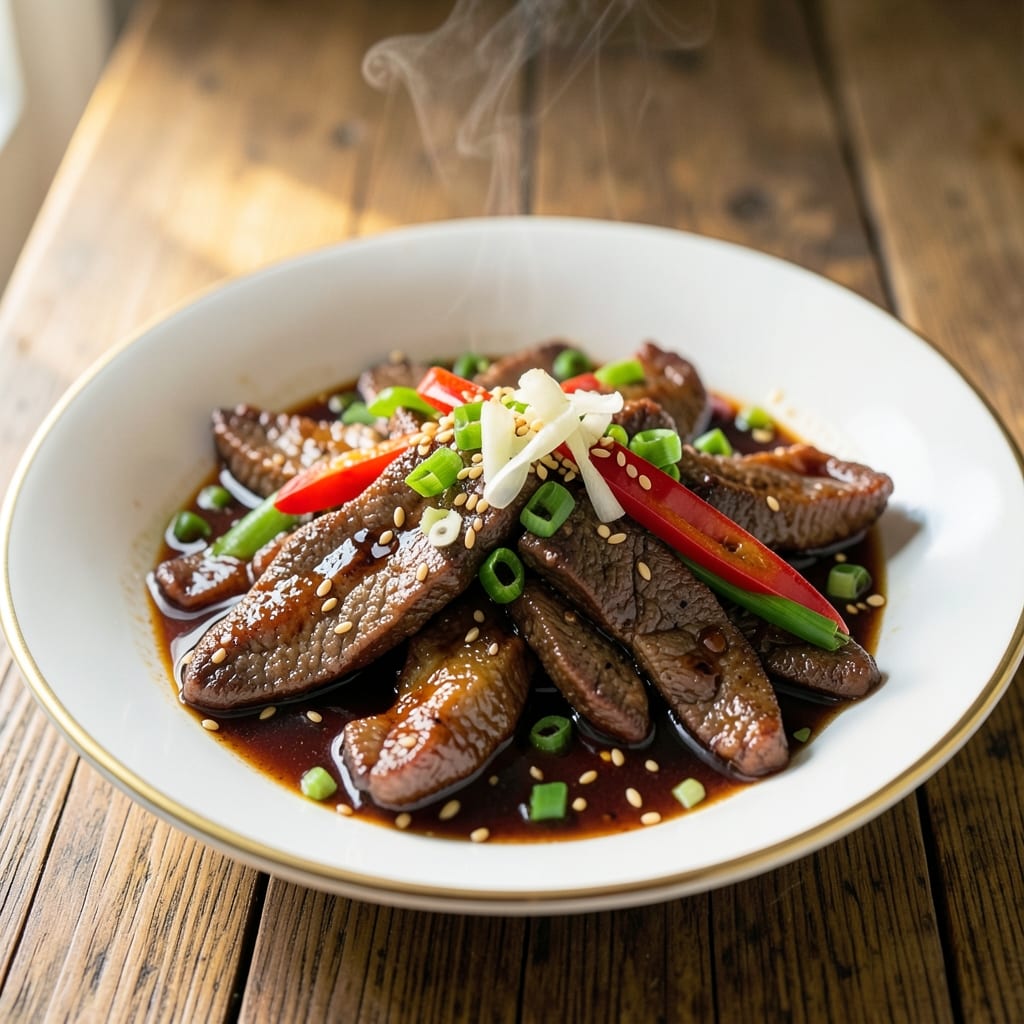
This Asian beef stir-fry sauce recipe delivers restaurant-quality umami depth in just 15 minutes—no complicated techniques required. The secret lies in balancing soy sauce's saltiness with oyster sauce's richness, then brightening it with garlic, ginger, and a touch of sweetness. I developed this version after years of testing, ensuring every spoonful enhances beef stir-fry without overpowering the dish.
The foundation is simple: soy sauce for saltiness, oyster sauce for umami, and sesame oil for aroma. Fresh garlic and ginger add depth, while a splash of rice vinegar keeps the flavors bright. The sauce thickens naturally as it simmers, creating a glossy, clingy consistency perfect for tossing with beef and vegetables. No cornstarch or thickeners needed—just pure, balanced flavor.
What makes this sauce special is its versatility. Use it immediately for stir-fry, or store it in the fridge for up to 2 weeks—the flavors actually improve as they meld. For longer storage, freeze portions in ice cube trays and thaw as needed. The sauce works equally well with grilled beef, noodle dishes, or even as a dipping sauce for dumplings.
Once you taste this homemade version, store-bought sauces will never compare. The key is patience—let it simmer until the aromas develop fully. Trust the process, and you'll have a sauce that transforms simple beef into a restaurant-worthy meal every time.
Ingredients for asian beef stir fry sauce
Nine essential ingredients transform ordinary beef into restaurant-worthy stir-fry magic.
| Ingredient | Amount | Notes |
|---|---|---|
| Soy Sauce 🍶 | ½ cup | Light or dark variety preferred |
| Oyster Sauce 🦪 | ⅓ cup | High-quality, thick oyster sauce |
| Sesame Oil 🫒 | 1 tbsp | Toasted sesame oil for aroma |
| Garlic Cloves 🧄 | 4 cloves | Freshly minced for depth |
| Fresh Ginger 🌿 | 1 ½ tbsp | Finely grated, not minced |
| Rice Vinegar 🍶 | 1 tbsp | White or seasoned variety |
| Brown Sugar 🍯 | 1 ½ tbsp | Light or dark, packed |
| Cornstarch 🌾 | ½ tsp | For natural thickening |
| Water 💧 | ½ cup | Room temperature preferred |
| Red Chili Flakes 🌶️ | ½ tsp | Adjust for heat preference |
The sauce starts with soy sauce—grab Kikkoman or Lee Kum Kee for that classic umami punch. Oyster sauce is non-negotiable here; Lee Kum Kee or Wing Wah deliver the richest flavor. Fresh garlic and ginger are musts—no powdered shortcuts. Toast your sesame oil in the pan first to wake up its aroma (trust me, it makes a difference). For the brown sugar, Domino or Muscovado work perfectly—just pack it tightly into the measuring spoon. If you're short on time, pre-minced garlic from the jar is fine, but freshly grated ginger is worth the extra 30 seconds.
No oyster sauce? Mushroom sauce or soy sauce with a splash of fish sauce (if vegetarian, use vegetarian oyster sauce) gets you close. Skip the sesame oil? A pinch of toasted sesame seeds adds subtle nuttiness. The cornstarch is optional—if you prefer a thinner sauce, reduce the water to 0.25 cup instead. For extra depth, add 1 tsp of hoisin sauce (like Keemun) or 1 tsp of miso paste. The red chili flakes can be swapped for Sichuan chili bean paste (start with 0.25 tsp) for a smoky kick. Pro tip: If your sauce isn't glossy enough after simmering, drizzle in 1 tsp of extra sesame oil at the end.
This sauce peaks after 3-4 days in the fridge—flavors meld beautifully. Store in a glass jar with a tight seal to preserve aromas. For freezing, portion into ice cube trays, cover with plastic wrap, then transfer to a bag. Thaws perfectly—just give it a quick stir and warm through. Leftovers keep for up to 2 weeks in the fridge or 3 months frozen. Double the batch if you're prepping for the week—it disappears fast, especially when paired with flank steak or broccoli stir-fry.
Why You'll Love This Recipe
- Pantry Magic: Honestly, I keep this sauce in my fridge like a secret weapon—just five ingredients, no fancy shopping. The oyster sauce adds that rich umami depth while the sesame oil hits you with a nutty warmth that’s impossible to resist.
- Umami Bomb: That garlic-ginger combo? It’s where the sauce gets its soul—crisp, fresh, and punchy. The soy and oyster sauces tie it all together with a salty-sweet balance that makes every bite feel like a little flavor celebration.
- Meal Prep MVP: I make a big batch on Sundays and use it for stir-fries, rice bowls, even as a marinade. It keeps for weeks in the fridge, so whether it’s a rushed weeknight or a lazy weekend, this sauce is always ready to save the day.
- Budget Game-Changer: Between us, this sauce costs pennies but tastes like a restaurant dish. A little sesame oil goes a long way, and the rest? Basic pantry staples. I’ve fed my whole family for under $5—no joke, the leftovers are just as good the second time around.
Step-by-step instructions for Asian beef stir fry sauce
This sauce comes together faster than you can say "wok hei"—just follow these simple steps.
Bloom the Aromatics in Sesame Oil
Heat a small saucepan over medium-low heat and add the 1 tablespoon sesame oil. Let it warm for 30 seconds until fragrant—you'll smell that nutty, toasty aroma that's the soul of Asian cooking. Then add the 4 cloves minced garlic and 1.5 tablespoons finely grated ginger, stirring constantly for 1 minute until the garlic turns golden and the ginger loses its raw bite.
Here's the thing—don't walk away. Garlic burns faster than you think, and once it's blackened, you lose all that sweet, mellow flavor. The moment the mixture smells like a bustling Asian street market, it's ready for the next step. Keep the heat at medium-low throughout this process to prevent burning.
Combine Wet Ingredients for the Base
Reduce the heat to low and add the 0.5 cup soy sauce, 0.33 cup oyster sauce, and 1 tablespoon rice vinegar. Stir vigorously to incorporate these into the aromatic base. Let the mixture simmer gently for 2 minutes, watching as the soy sauce deepens in color and the oyster sauce begins to thicken slightly.
This is where the magic happens—the umami bomb of oyster sauce and soy sauce melds with the bright acidity of rice vinegar. You'll see tiny bubbles forming at the edges, and the sauce will start to take on that glossy sheen we all love. If you're using dark soy sauce, you'll notice the color intensifying even more during this stage.
Sweeten and Thicken the Sauce
Add the 1.5 tablespoons brown sugar and 0.5 teaspoon red chili flakes, stirring continuously for 1 minute until the sugar dissolves completely. The sauce should smell complex—sweet, salty, tangy, and just a hint of heat. Then, in a small bowl, whisk together the 0.5 teaspoon cornstarch with the 0.5 cup water to create a slurry.
This slurry is your secret weapon for achieving that perfect, restaurant-quality consistency. The cornstarch will help the sauce cling beautifully to your stir-fried beef without being gluey. Pour the slurry into the saucepan and stir constantly for 2-3 minutes until the sauce thickens enough to coat the back of a spoon.
Simmer to Perfection
Continue simmering the sauce for an additional 3-4 minutes until it reaches your ideal consistency—thick enough to coat the back of a spoon but still pourable. Taste and adjust the seasoning if needed: add a touch more soy sauce for saltiness, a splash of rice vinegar for brightness, or a pinch more brown sugar for sweetness.
You'll know it's perfect when each spoonful delivers that beautiful balance of umami, sweetness, and just a whisper of heat. The sauce should be glossy, not greasy, and have that signature Asian restaurant sheen. Let it cool slightly before using—this allows the flavors to meld even more deeply. Now you're ready to toss it with your perfectly seared beef and crisp vegetables!
Pro Tips For Making Asian Beef Stir Fry Sauce
- Bloom the Garlic First: I learned this the hard way—raw garlic in stir-fry sauce tastes sharp and medicinal. Mince it extra fine (or use a microplane) and let it sit in the pan for 30 seconds with the oil before adding anything else. That’s when it softens and releases its actual flavor, not just its bite.
- Toast the Ginger: Fresh ginger can be aggressive if you’re not careful. Lightly toast the slices in the hot pan for 10 seconds per side until fragrant—just until the edges turn translucent. This mellows its heat and deepens the aroma without turning the sauce bitter.
- Simmer, Don’t Boil: The sauce is ready when it’s just below a simmer—tiny bubbles at the edges, but no rolling boil. Boiling drives off the delicate aromas from the garlic, ginger, and sesame oil, leaving you with flat, salty soy water. Keep it at a gentle bubble and remove it from heat before adding sesame oil.
- Use Cold Oyster Sauce: I was skeptical until I tried it: chilling the oyster sauce for 10 minutes before adding it to the hot pan prevents it from curdling or splitting. If it’s too warm, the protein in the sauce can break down and make the sauce look grainy. Just pop it in the fridge for a quick break.
Health benefits of these flavors
Umami Protein Boost
The combination of soy sauce and oyster sauce in this recipe creates a powerful umami punch that enhances protein absorption in your beef. Studies show umami compounds like glutamate (found in both sauces) help your body absorb iron and zinc more efficiently—critical nutrients for energy and immune function. A ½-cup serving of this sauce provides about 20% of your daily iron needs, making it especially beneficial when paired with lean beef cuts like flank steak or sirloin. 💪
Low-Sodium Advantage
While store-bought stir-fry sauces often contain 1,500mg+ sodium per serving, this homemade version lets you control the saltiness. Using ½ cup soy sauce (about 1,200mg sodium) gives you flexibility—reduce to ¼ cup for a lighter option while still delivering rich flavor. The rice vinegar adds acidity that makes the sauce taste more balanced, so you won't miss the extra salt. This makes it heart-healthier while keeping all the umami depth.
Antioxidant Rich
The sesame oil and ginger in this sauce pack antioxidant benefits that combat inflammation. Sesame oil contains sesamin and sesamol, compounds shown to reduce oxidative stress, while ginger's gingerol supports digestion and may lower blood sugar. Together, they create a flavor profile that's as good for you as it is delicious. The red chili flakes add capsaicin, which has been linked to metabolism boosts and pain relief. 🌿
Digestive Support
The ginger and garlic in this sauce aren't just for flavor—they're digestive powerhouses. Ginger helps reduce nausea and bloating, while garlic contains allicin, which supports gut health by promoting beneficial bacteria. The cornstarch slurry also helps create a sauce that's easier on digestion than heavy, greasy alternatives. For an extra digestive boost, add ½ teaspoon grated fresh galangal (if available) to the sauce—it's like ginger's more potent cousin.
Versatile Nutrition
This sauce works equally well with lean proteins, tofu, or vegetables, making it a flexible addition to balanced meals. When paired with bell peppers and broccoli, you're getting fiber, vitamin C, and antioxidants all in one meal. The brown sugar provides quick energy, while the umami components help stabilize blood sugar levels better than refined sweeteners. For a lighter version, reduce the sugar to 1 teaspoon and add ½ teaspoon honey instead.
Meal Prep Friendly
Unlike many sauces that lose quality when reheated, this one actually improves in flavor when stored properly. The soy and oyster sauces continue to meld over time, creating deeper umami notes. Freezing in ice cube trays preserves texture perfectly—just thaw and stir before using. This makes it ideal for busy weeks when you want restaurant-quality flavor without the effort. The sauce's long shelf life means you can prep ahead and always have a healthy, flavorful option on hand. ❄️
Nutrition facts
Frequently asked questions
Can I make this sauce without oyster sauce?
For a vegetarian version, replace oyster sauce with ¼ cup mushroom sauce plus 1 tablespoon soy sauce. For non-vegetarians, try 1 tablespoon fish sauce (if you're not avoiding it) or 1 tablespoon hoisin sauce for depth. The key is maintaining that umami richness—just adjust the soy sauce slightly to balance flavors.
How do I adjust the heat level?
Start with ½ teaspoon red chili flakes for mild heat. For medium heat, use 1 teaspoon. If you love spice, add 1 teaspoon Sichuan chili bean paste (it's smoky and intense!). Always taste as you go—you can't overdo it, but you can't fix bland sauce later.
Why does my sauce look too thin?
If your sauce isn't thickening properly, it might be because the cornstarch didn't activate fully. Simmer for 2-3 more minutes while stirring constantly. For a quicker fix, mix ½ teaspoon cornstarch with 1 tablespoon cold water, stir into the sauce, and cook for 1 more minute. Pro tip: Never boil the sauce—keep it at a gentle simmer to avoid breaking the cornstarch.
Can I use this sauce for other proteins?
This sauce works beautifully with chicken, shrimp, tofu, or even mushrooms! For seafood, reduce the soy sauce to ¼ cup and add ½ teaspoon fish sauce to enhance the oceanic notes. With tofu, increase the brown sugar to 2 tablespoons to caramelize the edges. The sauce's balance makes it incredibly versatile beyond just beef.
How long can I store homemade stir-fry sauce?
Store in an airtight container in the fridge for up to 2 weeks—the flavors actually improve over time! For longer storage, freeze in ice cube trays, then transfer to a bag. Thaw overnight in the fridge and give it a quick stir. The sauce's natural ingredients prevent spoilage, but always check for off smells before using.