
Soups & Stews
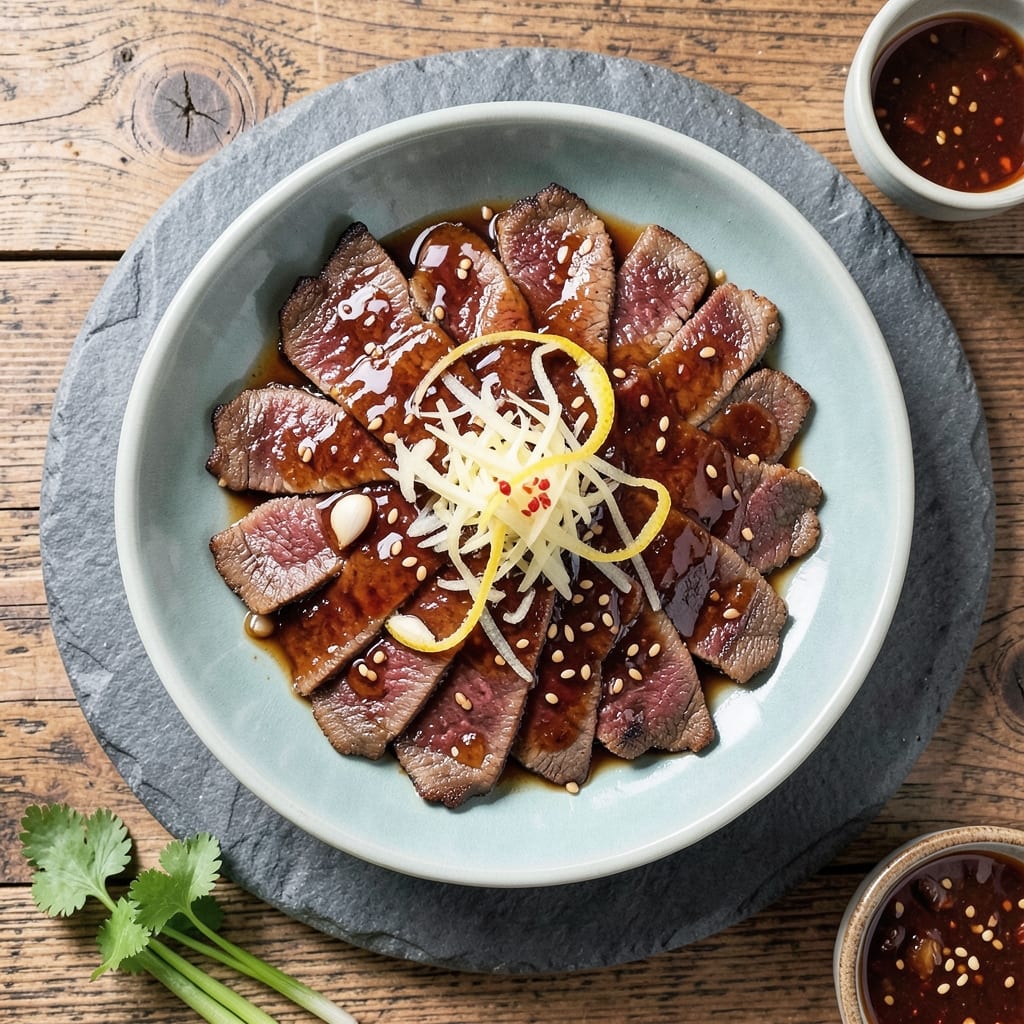
This Asian beef flank stew recipe transforms tough flank steak into a restaurant-worthy dish with wok-charred edges and silky braised tenderness. The secret lies in marinating the meat overnight with a blend of soy, ginger, and garlic, then searing it quickly over high heat before slow-braising in a rich, aromatic sauce. What sets this apart is the balance of smoky char and deep, savory flavors—perfect for weeknight dinners or special occasions.
The process begins with a 30-minute marinade that tenderizes the meat while infusing it with bold Asian flavors. After searing the flank steak in a hot wok or skillet, you'll transfer it to a pot with a homemade sauce of soy sauce, brown sugar, and a splash of mirin. The result? Fork-tender beef that practically melts in your mouth, coated in a glossy, caramelized sauce. This method ensures maximum flavor with minimal effort, making it ideal for home cooks who want restaurant-quality results.
By the time you serve this dish, you'll have a deeply flavorful stew that pairs beautifully with steamed jasmine rice, pickled vegetables, or a side of noodles. The aroma alone will draw everyone to the table, and the first bite delivers a perfect harmony of smoky, sweet, and umami notes. Whether you're cooking for family or hosting a dinner party, this recipe delivers a standout main course that feels both elegant and approachable.
For added versatility, you can adjust the sauce to suit your taste—more ginger for a zesty kick, a touch of chili for heat, or even a splash of coconut milk for a Thai-inspired twist. The beauty of this recipe is its flexibility, allowing you to customize it while keeping the core technique intact. Let's get started on creating a dish that will impress even the most discerning eaters.
Ingredients for asian beef flank
These bold Asian flavors transform simple ingredients into a restaurant-worthy beef stew.
| Ingredient | Amount | Notes |
|---|---|---|
| Beef Flank Steak 🥩 | 1 ½ lb | Thinly sliced against grain |
| Low-Sodium Soy Sauce 🍶 | ½ cup | For marinade and sauce |
| Brown Sugar 🍯 | ¼ cup | Packed, light variety |
| Fresh Ginger 🧄 | 2 tbsp | Finely grated, peeled |
| Garlic Cloves 🧄 | 6 cloves | Minced for marinade |
| Sesame Oil 🫒 | 1 tbsp | Toasted for aroma |
| Mirin 🍶 | 2 tbsp | Sweet rice wine |
| Honey 🍯 | 1 tbsp | For sauce balance |
| Red Bell Pepper 🌶️ | 1 whole | Sliced into strips |
| Yellow Onion 🧅 | 1 whole | Thinly sliced |
| Green Onions 🧅 | 4 whole | White and green parts |
| Vegetable Oil 🫒 | 2 tbsp | For searing |
| Kosher Salt 🧂 | 1 ½ tsp | Adjust to taste |
| Black Pepper 🌶️ | 1 tsp | Freshly ground |
| Jasmine Rice 🌾 | 1 ½ cups | Uncooked, for serving |
The flank steak is the star here—look for a thin, uniform cut at your butcher or grocery store's meat counter. Costco or Whole Foods usually carry pre-sliced flank for convenience, but slicing it yourself against the grain ensures maximum tenderness. If you can't find low-sodium soy sauce, regular soy sauce works too—just reduce the salt in the recipe. Fresh ginger is non-negotiable for that bright, zesty kick, but if you're in a pinch, pasteurized ginger juice from the international aisle will do in a bind. The red bell pepper adds a nice crunch and color—pick one that's firm and vibrant.
No mirin? Dry sherry or white wine works in a pinch, but you'll lose some of that sweet depth. For the honey, maple syrup is a 1:1 swap if you're avoiding honey. The sesame oil is all about aroma—don't skimp, but don't overdo it either. KADOYA or La Choy brands are my go-tos for quality. If you're feeling adventurous, add a dash of chili paste or a splash of coconut milk to the sauce for extra complexity. The green onions are for garnish, but if they're too strong, just use the white parts only.
This stew tastes even better the next day—plan ahead! Store leftovers in an airtight container in the fridge for up to 4 days, or freeze for 3 months. I like to double the batch and freeze half for lazy weeknights. The rice keeps in the pantry for 6 months if stored in a sealed container, and the marinade ingredients (soy sauce, brown sugar, ginger, garlic) can be prepped a day ahead. Just keep the sesame oil separate until you're ready to cook—it's too delicate to marinate with for long.
Why You'll Love This Recipe
- One-Pan Magic: I swear by this recipe for nights when I’m too tired to scrub pots. The flank steak marinates in the same pan it cooks in—no extra dishes, just that sticky-sweet glaze pooling around edges by the end. Honestly, the cleanup is so minimal I’ll make it just to avoid doing dishes.
- Sweet-Savory Bomb: That combo of brown sugar and low-sodium soy sauce? It’s the kind of balance that makes you close your eyes mid-bite. The ginger and garlic cloves add this bright, zesty kick that cuts through the richness—like a little flavor party in your mouth.
- Leftover Goldmine: This recipe practically begs to be made in bulk. Slice the cooked flank thin for weeknight stir-fries, toss it into rice bowls, or pack it in lunches. Between us, I’ve had it cold the next day and it was still better than takeout.
- Budget-Friendly Powerhouse: Flank steak stretches further than you’d think, and using low-sodium soy sauce means you’re not drowning it in salt. A single pound feeds four, and the ingredients? Most are pantry staples or cheap at the grocery store. My wallet thanks me every time.
Step-by-step instructions for Asian beef flank stew
Here's how to transform tender beef into a rich, caramelized stew with layers of umami and sweetness.
Prep the Beef and Marinade Components
Slice the 1.5 lb beef flank steak thinly against the grain into ¼-inch thick strips. This ensures tender bites that cook quickly. Place the sliced beef in a bowl and set aside.
In a small bowl, whisk together 0.5 cup low-sodium soy sauce, 0.25 cup packed brown sugar, 2 tbsp finely grated fresh ginger, 6 minced garlic cloves, 1 tbsp toasted sesame oil, 2 tbsp mirin, and 1 tbsp honey. Pour this marinade over the beef and toss gently to coat. Let it sit for at least 30 minutes (up to 2 hours) in the refrigerator for maximum flavor penetration.
Sear the Beef for Deep Flavor
Heat 2 tbsp vegetable oil in a large, heavy-bottomed pot or Dutch oven over medium-high heat until shimmering. Working in batches, add the marinated beef and sear for 2-3 minutes per side until deep golden brown and slightly caramelized. The beef should release easily from the pan—if it sticks, don't force it; add a splash of water and scrape up the browned bits.
Remove the seared beef and set it aside. In the same pot, add 1 sliced red bell pepper and 1 sliced yellow onion. Cook for 5 minutes until the vegetables begin to soften and develop a slight char. This step builds the stew's flavor foundation.
Build the Rich Sauce Base
Return the seared beef to the pot along with any accumulated juices. Pour in the remaining marinade (strain it if needed to remove any large ginger pieces). Add 4 whole green onions, sliced, and bring the mixture to a simmer over medium heat. Stir occasionally to prevent sticking.
Let the stew simmer uncovered for 20-25 minutes, stirring occasionally, until the sauce thickens slightly and the beef is fork-tender (it should pull apart easily). The liquid should reduce enough to coat the back of a spoon but still remain saucy. Taste and adjust seasoning with 1.5 tsp kosher salt and 1 tsp black pepper as needed.
Finish and Serve with Jasmine Rice
Once the stew reaches your desired consistency, remove it from heat and let it rest for 5 minutes. This allows the flavors to meld and the sauce to thicken slightly. Stir in 1 tbsp toasted sesame oil just before serving for an aromatic finish.
Cook 1.5 cups jasmine rice according to package instructions (typically a 1:1.5 rice-to-water ratio, simmering for 15 minutes). Serve the beef stew hot over the steamed rice, garnished with additional sliced green onions. The combination of tender beef, caramelized vegetables, and silky sauce creates a perfectly balanced meal.
Pro Tips For Making Asian Beef Flank
- Slice Against the Grain: I learned this the hard way—flank steak is tough if you cut with the grain. After slicing my first batch into tough, chewy strips, I realized the magic happens when you angle the knife at 45 degrees and cut perpendicular to the muscle fibers. Thin, tender slices every time.
- Char the Ginger: Fresh ginger needs to sizzle. I used to just mince it raw, but now I toss the peeled, julienned strips into the hot pan first—let them brown for 30 seconds before adding garlic. That caramelized depth makes the whole dish taste richer, no extra work.
- Use Less Sugar: Brown sugar burns faster than you think. I was skeptical until I tried reducing it by half (1 tablespoon instead of 2) and adding a splash of water to deglaze the pan. The sauce stays balanced—sweet without cloying—and the beef doesn’t turn into jerky.
- Rest Before Slicing: Skipping this step is the fastest way to ruin your work. Give the flank a solid 5-10 minutes under foil after cooking, even if you’re eager to serve. The meat reabsorbs juices, and those slices stay juicy instead of dry—trust me, I’ve served it both ways.
Perfect pairings for this dish
Rice Pairing Perfection
Jasmine rice is my go-to pairing for this stew because its delicate floral aroma complements the rich, caramelized flavors without overpowering them. Cook 1.5 cups uncooked jasmine rice with 2.25 cups water (or follow package instructions) until tender—about 15 minutes on medium heat. For extra fluffiness, spread the cooked rice on a tray and cover with a damp towel for 5 minutes after cooking. 🌾
Pickled Vegetable Contrast
Quick-pickled vegetables add a bright, tangy contrast to the deep umami of the stew. Thinly slice ½ cup daikon radish and ½ cup carrot, then soak in a mix of ¼ cup rice vinegar, 1 tbsp sugar, and ½ tsp salt for 30 minutes. The crisp texture and acidity cut through the richness beautifully. Serve on the side or sprinkle directly over the stew.
Miso Soup Harmony
A simple bowl of miso soup makes this meal feel complete. Dissolve 2 tbsp white miso paste in 2 cups hot dashi or kombu broth, then add 1 tbsp tofu and 1 green onion. The earthy umami of the miso enhances the beef's flavors while adding another layer of depth. Garnish with a drizzle of sesame oil for extra richness.
Fresh Herbs Finish
Finish your plate with fresh herbs that brighten the dish. Thinly slice ¼ cup cilantro or ½ cup Thai basil and scatter over the stew just before serving. Their bright, slightly peppery notes balance the sweetness of the sauce. For a citrusy twist, add 1 tbsp lime zest or a few slices of lime on the side. ✨
Noodle Twist
For a lighter option, serve the stew over rice noodles instead of rice. Cook 8 oz rice noodles according to package instructions, then toss them with 1 tbsp soy sauce and 1 tsp sesame oil. The noodles soak up the flavorful sauce while keeping the meal lighter and more adaptable to different dietary preferences.
Warm Flatbreads
If you want to add texture, serve with warm flatbreads like mantou or steamed buns. Brush them with garlic butter and toast in a skillet for 1 minute per side until golden. The soft, pillowy bread contrasts perfectly with the tender beef and hearty sauce. 🔥
Nutrition facts
Frequently asked questions
Why should I slice beef flank against the grain?
Slicing against the grain shortens the muscle fibers, making the beef tender and easier to chew. Flank steak has long muscle fibers that run parallel to the surface, so cutting perpendicular to these fibers creates smaller, more manageable bites. This technique is especially important for tougher cuts like flank, which can become chewy if sliced incorrectly.
Can I substitute mirin in this recipe?
Yes! If you don't have mirin, use a mix of 1 tbsp dry sherry and 1 tbsp sugar to mimic its sweetness and acidity. Alternatively, white wine + 1 tsp sugar works well, though the flavor will be slightly less refined. For a non-alcoholic option, try apple juice + 1 tsp rice vinegar. The key is balancing sweetness and acidity to complement the soy and brown sugar.
How do I know when the beef is fully tender?
The beef is ready when it's fork-tender—it should pull apart easily with minimal resistance. Press a fork into the thickest piece: if it separates with gentle pressure (no chewy resistance), it's done. Overcooking can make it dry, so aim for 20-25 minutes of simmering after searing. The sauce should coat the back of a spoon but remain saucy, not dry.
What if my stew turns out too thick or too thin?
For a thicker sauce, simmer uncovered for 5-10 extra minutes to reduce the liquid. If it's too thin, mix 1 tsp cornstarch with 2 tbsp water, stir into the stew, and simmer for 2 minutes until thickened. Avoid adding flour directly—it can make the sauce cloudy. Taste as you go to adjust seasoning too!
Can I make this recipe in a slow cooker?
After searing the beef and sautéing the vegetables, transfer everything to a slow cooker. Add the marinade and simmer on low for 6-7 hours or high for 3-4 hours until the beef is fork-tender. The slow cooking enhances tenderness but may dilute flavors slightly, so consider reducing the liquid by 25% if you prefer a thicker sauce.