
Soups & Stews
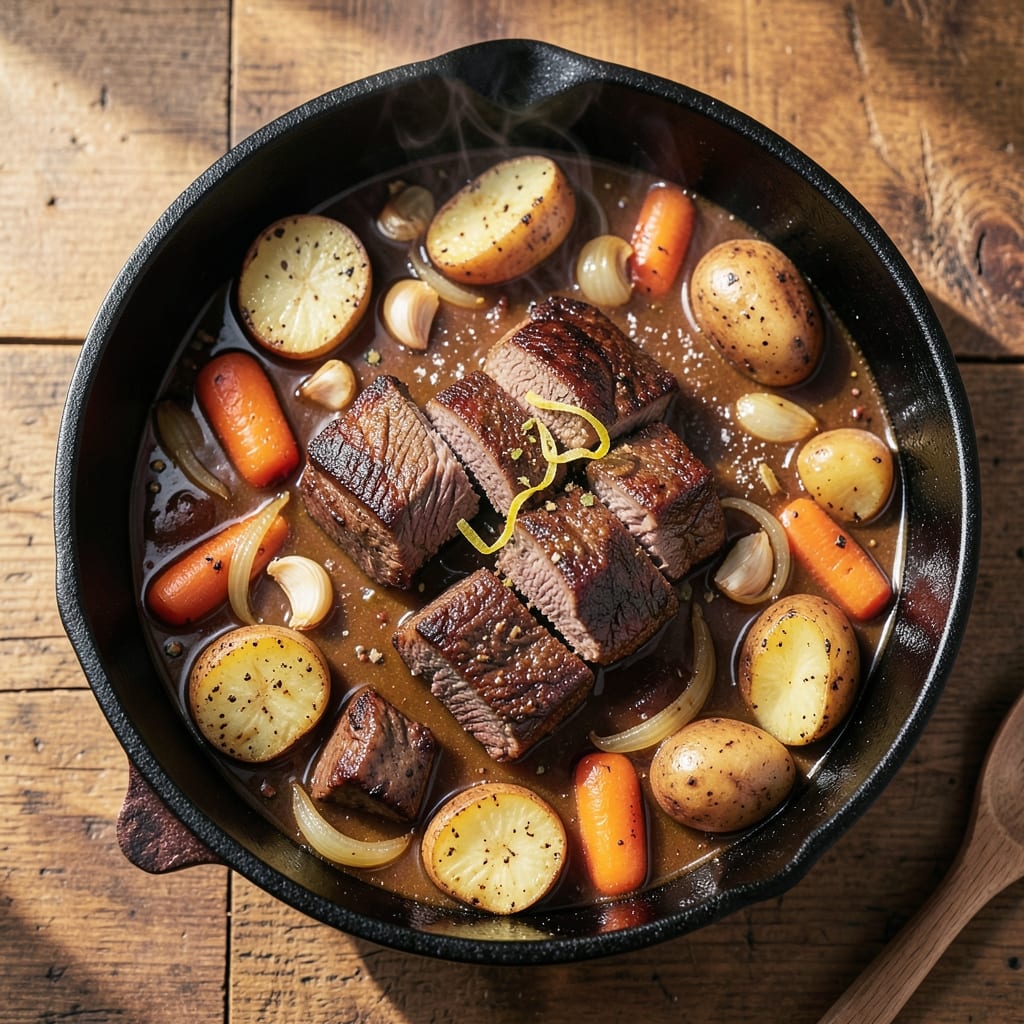
Gordon Ramsay’s beef and ale stew delivers the kind of deep, rich flavor that transforms a simple weeknight dinner into a pub-worthy feast. The secret lies in slow-braising tough beef until it’s fork-tender, while the ale reduces into a velvety, aromatic sauce that clings to every bite. This isn’t just a stew—it’s a restaurant-quality experience you can recreate at home with patience and the right technique.
The process starts with browning beef in batches to develop a flavorful crust, followed by deglazing the pan to capture every caramelized bit. Aromatics like onions, garlic, and thyme build the foundation, while carrots and potatoes add hearty texture. The ale—traditionally a robust English bitter—simmers for hours, reducing into a glossy, savory gravy that coats the meat perfectly. No shortcuts here; slow cooking is the key to achieving that pub-style richness Ramsay is known for.
By the time you serve this stew, you’ll have tender beef that falls apart at the touch of a fork, swimming in a sauce that’s bold, slightly tangy, and deeply aromatic. The aroma alone will have everyone gathered around the table, and the first bite delivers on that promise of a cozy, satisfying meal. This is comfort food at its finest—warm, hearty, and impossible to resist—especially on chilly evenings.
Pair it with crusty bread for soaking up the sauce or creamy mashed potatoes for a complete meal. The leftovers? Even better the next day as the flavors meld further. Let’s get cooking—this stew is worth every minute of wait time.
Ingredients for beef and ale stew gordon ramsay
The heart of this pub-style stew lies in rich beef, aromatic vegetables, and bold ale.
| Ingredient | Amount | Notes |
|---|---|---|
| Chuck Roast 🥩 | 2 lb | Cut into 1.5-inch cubes |
| Yellow Onions 🧅 | 2 whole | Peeled, sliced into half-moons |
| Carrots 🥕 | 4 whole | Peeled, cut into 1-inch chunks |
| Russet Potatoes 🥔 | 2 whole | Peeled, cut into 1-inch cubes |
| Garlic Cloves 🧄 | 4 cloves | Peeled, smashed |
| Fresh Thyme 🌿 | 2 tbsp | Leaves only, stems removed |
| English Dark Ale 🍺 | 2 cups | Robust bitter variety preferred |
| Beef Stock 💧 | 2 cups | Homemade or high-quality store-bought |
| Tomato Paste 🍅 | 2 tbsp | Smooth, no sugar added |
| Olive Oil 🫒 | 2 tbsp | Extra-virgin for browning |
| Worcestershire Sauce 🍶 | 1 tbsp | Vegan if needed |
| Salt 🧂 | 1 ½ tsp | Diamond Crystal preferred |
| Black Pepper 🌶️ | 1 tsp | Freshly cracked |
| Bay Leaves 🍃 | 2 whole | Dried, removed before serving |
The chuck roast is non-negotiable here—its fat marbling ensures that fork-tender texture Ramsay insists on. Look for well-marbled cuts at Whole Foods or your local butcher, and ask for it pre-cubed to save time. If you can't find chuck, chuck-eye roast works too, but trim any excess fat. The onions and carrots should be uniformly sized for even cooking—Trader Joe's pre-cut veggies are a lifesaver when you're short on time. Fresh thyme is ideal, but dried thyme at one-third the amount works in a pinch. For the ale, Fuller's ESB or Guinness are classic choices, but any robust English bitter will do.
No English ale? Substitute with beef broth plus a splash of balsamic vinegar—it mimics the tangy depth. Worcestershire sauce is essential for that umami punch, but if you're avoiding it, soy sauce or mushroom sauce can stand in. The tomato paste can be skipped entirely if you prefer, though it adds a subtle sweetness. For the bay leaves, California brand is widely available and potent—just don't forget to remove them before serving. The beef stock should be rich and flavorful; Kitchen Basics or homemade are my go-tos. And always use extra-virgin olive oil for browning—the cheap stuff burns easily.
This stew tastes even better the next day as flavors meld, so make extra portions if you can. Store in an airtight container in the fridge for up to 5 days, or freeze for 3 months. The sauce thickens as it cools, so add a splash of water or broth when reheating. For serving, crusty sourdough soaks up the sauce beautifully, while a sprinkle of fresh parsley brightens the dish at the end.
Why You'll Love This Recipe
- Foolproof First Step: I swear by this—just sear the chuck roast until it’s golden, then walk away. The slow simmer does all the work while you sip that ale (or save it for later). No fancy techniques, just patience and a pot that’ll smell like heaven by dinnertime.
- Ale Magic Unlocked: That dark ale isn’t just a liquid—it’s the secret weapon. It cuts through the richness of the beef while caramelizing the onions and garlic into something so deep, it’ll make you close your eyes. (Yes, even on a Tuesday night.)
- Weeknight to Holiday: Same recipe, totally different vibes. Serve it with crusty bread for a lazy Sunday, or dress it up with parsley and a splash of cream for a dinner party that’ll have guests asking for the recipe. The potatoes soak up every last bit of flavor—no leftovers needed, but they’ll beg for seconds anyway.
- Budget Hero: Chuck roast is cheap, but it tastes like you spent hours. Stretch it over three meals: stew for dinner, shredded sandwiches the next day, and even a hearty hash for breakfast. Honestly, my grocery bill thanks me every time.
Step-by-step instructions for beef and ale stew
Master this rich, pub-style stew with deep flavors and tender beef—just like Ramsay’s version.
Sear the Chuck Roast for Maximum Flavor
Heat 2 tablespoons olive oil in a heavy Dutch oven over medium-high heat until shimmering. Pat the 2 lb chuck roast, cut into 1.5-inch cubes, completely dry with paper towels—this ensures a perfect sear. Working in batches, add the beef to the pot and sear for 2-3 minutes per side until deeply browned. Don’t crowd the pan or the temperature will drop.
Here’s the thing—those browned bits are pure flavor. As the beef cooks, scrape them up with a wooden spoon and let them caramelize at the bottom of the pot. Once all the beef is seared to a deep golden brown, remove it from the pot and set aside. You’ll add it back later, but first, we’re building the stew’s foundation.
Sauté Vegetables and Aromatics
In the same Dutch oven, add the 2 whole yellow onions, sliced into half-moons, and the 4 whole carrots, cut into 1-inch chunks. Cook for 5-6 minutes, stirring occasionally, until the onions soften and the carrots begin to caramelize. Add the 2 whole russet potatoes, cut into 1-inch cubes, and cook for another 3 minutes to lightly blanch them.
Push the vegetables to one side of the pot and add the 4 cloves garlic, smashed, along with the 2 tablespoons fresh thyme. Stir for 30 seconds until fragrant—this releases the garlic’s sweetness and the thyme’s earthy notes. If the vegetables stick, add a splash of English dark ale to deglaze, scraping up those flavorful browned bits from the bottom.
Build the Rich Stew Base
Stir in the 2 tablespoons tomato paste and cook for 1 minute to deepen its flavor. Pour in the 2 cups English dark ale and 2 cups beef stock, scraping the bottom of the pot again to incorporate all the caramelized bits. Add the 1 tablespoon Worcestershire sauce, 1.5 teaspoons salt, and 1 teaspoon black pepper. Bring to a gentle simmer, then return the seared beef to the pot.
Here’s where the magic happens: the ale’s bitterness and the beef’s deep umami meld together. Add the 2 whole bay leaves and ensure the liquid just covers the beef. If it’s too thin, reduce the heat slightly to prevent boiling—you want a slow, steady simmer that coaxes out the beef’s tenderness.
Braise Until Tender and Flavorful
Cover the pot and transfer it to a 325°F oven. Braise for 2.5 to 3 hours, until the beef is fork-tender and falls apart easily. The stew should thicken slightly, and the flavors should meld into a rich, velvety consistency. Check the liquid level after 1.5 hours—if it’s reduced too much, add a splash of water or stock to keep it moist.
Real talk: the longer you braise, the deeper the flavor. If you’re short on time, you can speed this up by using a pressure cooker, but the oven method gives you that restaurant-quality texture. When the beef is tender, remove and discard the bay leaves—they’ve done their job.
Adjust and Serve with Confidence
Taste the stew and adjust the seasoning if needed. The ale’s bitterness should balance the richness of the beef, but if it’s too sharp, a pinch of sugar or a splash of stock can help. Serve the stew hot, ladled over crusty bread or buttered mashed potatoes, with the vegetables and beef swimming in that luscious, deep-braised sauce.
This isn’t just a stew—it’s a comforting, hearty dish that tastes like a home-cooked meal from a classic British pub. The key is patience and letting the flavors develop. Trust the process, and you’ll end up with a dish that’s rich, tender, and full of character—just like Ramsay’s version.
Pro Tips For Making Beef And Ale Stew Gordon Ramsay
- SEAR THE ROAST FIRST: Don’t skip the initial sear—hit that chuck roast with a screaming-hot pan until it’s deep brown all over. I used to rush this, and the stew never tasted as rich. Two minutes per side with a good splash of oil makes the difference between "meh" and "wow."
- CUT POTATOES UNEVENLY: Chunk those russets into irregular pieces—some thick, some thin. The uneven sizes ensure some potatoes cook faster while others hold their shape, so you don’t end up with a mushy mess. (Yes, even if it looks messy in the pot.)
- DON’T SKIP THE ALE REDUCTION: After adding the ale, let it bubble hard for 5 minutes until it’s reduced by about a third. This concentrates the flavor and thickens the sauce naturally—no extra flour or cornstarch needed. I learned this the hard way when my stew tasted watery.
- BROWN THE ONIONS LOW AND SLOW: Caramelize those yellow onions over medium-low heat until they’re golden and jammy, not burnt. High heat turns them bitter, and you’ll regret it when you taste the final stew. Patience here pays off—trust me.
Flavor customization for beef and ale stew gordon ramsay
Spice Level Control
Adjust the heat to your preference by adding ½ teaspoon smoked paprika for a subtle smoky depth or 1 teaspoon cayenne pepper for a kick. If your ale is particularly bitter, balance it with ½ teaspoon brown sugar or 1 teaspoon honey to mellow the sharpness. I find that a pinch of ground allspice adds warmth without overpowering the beef’s richness. 🌶️
Sweet and Tangy Twist
For a brighter flavor profile, stir in 1 tablespoon apple cider vinegar when adding the ale to cut through the richness. A splash of port wine (about ¼ cup) deepens the sauce’s complexity, while 1 teaspoon dried rosemary adds an earthy note. This works especially well with darker ales like Guinness or Stout. The acidity brightens the dish and keeps it from feeling too heavy.
Umami Boost
Elevate the stew’s savory depth by adding 1 tablespoon soy sauce or 1 teaspoon fish sauce when building the base. For a vegetarian-friendly option, swap Worcestershire sauce for 1 tablespoon mushroom powder or 1 teaspoon miso paste. These additions enhance the ale’s maltiness and create a more layered flavor profile. I often use Kikkoman soy sauce for its balanced saltiness.
Herb Variations
Swap out thyme for 1 tablespoon fresh sage or 1 teaspoon dried marjoram to introduce floral or citrusy notes. A handful of fresh parsley added at the end brightens the dish, while fresh tarragon pairs beautifully with lighter ales. For a Mediterranean twist, add ½ teaspoon dried oregano along with the bay leaves. Fresh herbs should always be added at the end to preserve their brightness.
Vegetable Swaps
Swap carrots for parsnips or celery root for a nuttier flavor, or add ½ cup mushrooms (like cremini or shiitake) for an earthy depth. For a heartier stew, include 1 cup chopped kale or ½ cup frozen peas in the last 30 minutes of cooking. These additions work well with the ale’s bitterness and add texture without overpowering the beef. 🥔
Ale Alternatives
No English ale? Use stout beer or dark lager for a maltier profile, or substitute with 2 cups beef broth plus 1 tablespoon balsamic vinegar to mimic the tang. For a non-alcoholic version, use non-alcoholic stout or 2 cups vegetable broth with 1 teaspoon molasses. The key is balancing the liquid’s depth with acidity or sweetness to complement the beef’s richness.
Nutrition facts
Frequently asked questions
Why does Gordon Ramsay’s stew use chuck roast instead of tender cuts?
Chuck roast is perfect for stews because its connective tissue breaks down during slow cooking, creating that fork-tender texture Ramsay loves. Tender cuts like filet mignon would turn dry and tough—this cut delivers maximum flavor and satisfaction for minimal effort. The fat marbling also keeps the meat juicy as it braises for hours.
Can I make this stew in a slow cooker instead of the oven?
Brown the beef and vegetables as directed, then transfer everything to a 6-quart slow cooker. Cook on low for 8 hours or high for 5-6 hours until the beef is tender. The slow cooker method is even more hands-off—just check occasionally to ensure the liquid doesn’t reduce too much. The flavors will develop beautifully.
What’s the best way to store and reheat leftovers?
Store in an airtight container in the fridge for up to 5 days or freeze for 3 months. When reheating, add a splash of water or beef stock to prevent the sauce from thickening too much. Warm over medium-low heat until bubbling, stirring occasionally—this stew tastes even better the next day as flavors meld further.
How can I make this stew vegetarian?
Swap the beef for 1.5 lbs mushrooms (like portobello or cremini) and 1 lb lentils or chickpeas for heartiness. Use vegetable stock instead of beef stock and miso paste or soy sauce for umami. The ale still works wonderfully—just reduce the cooking time to 1.5 hours since vegetables cook faster.
What’s the secret to getting that perfect velvety sauce?
The sauce’s richness comes from three things: reducing the ale (don’t rush this!), deglazing the pan after browning the beef, and simmering gently rather than boiling. If it thickens too much, add a splash of stock. For extra depth, stir in 1 teaspoon cornstarch mixed with water at the end. The key is patience—let the flavors meld slowly.