
Side Dishes
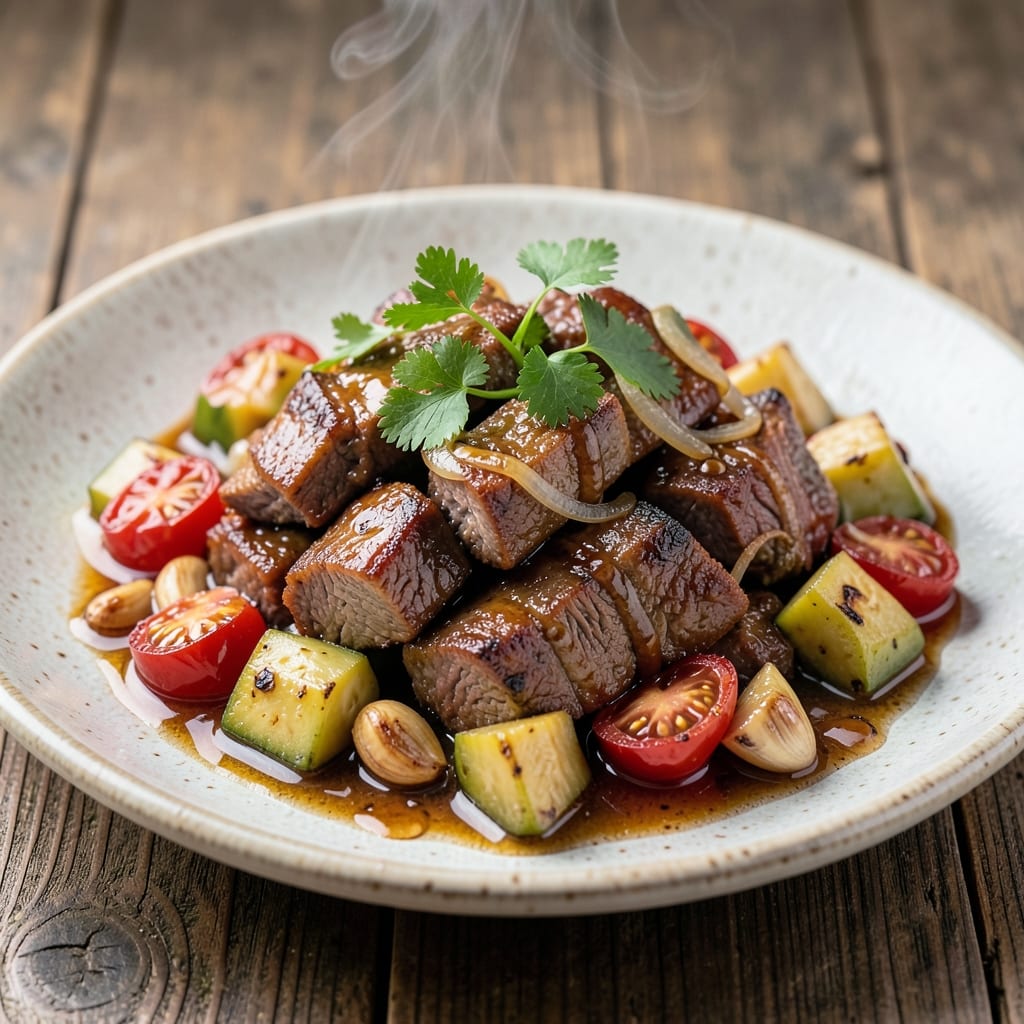
This ampalaya corned beef recipe brings the comforting flavors of Filipino home cooking to your table, where tender bite-sized beef and mild, sweet ampalaya create a dish that’s both hearty and delicate. The secret lies in balancing the salty-sweet corned beef with the natural bitterness of ampalaya, transformed into a silky, satisfying side that pairs perfectly with rice. I developed this recipe after years of perfecting the texture—crisp edges on the beef, just tender enough to melt, and ampalaya that’s cooked until its bitterness softens into sweetness.
The beauty of this dish is its simplicity: corned beef simmered until fork-tender, ampalaya blanched to remove bitterness, then gently sautéed to preserve its natural sweetness. A touch of garlic, soy sauce, and vinegar ties everything together, creating a sauce that clings to each bite. What makes this recipe special is how it captures the essence of Filipino comfort food—rich, savory, and just sweet enough to satisfy.
By the end, you’ll have a dish that’s perfect for family dinners, potlucks, or even a cozy weeknight meal. The corned beef stays juicy and flavorful, while the ampalaya absorbs the savory sauce, making every bite a balance of textures and tastes. Serve it with steamed rice and a side of atchara for the full Filipino experience.
This recipe is designed to be foolproof, with clear steps to ensure the ampalaya stays tender and the corned beef remains succulent. Whether you're serving a crowd or just treating yourself, this dish delivers the warmth and satisfaction of home-cooked Filipino flavors. Let’s get cooking!
Ingredients for ampalaya corned beef
Filipino comfort food essentials—where tender beef meets sweet ampalaya in perfect harmony.
| Ingredient | Amount | Notes |
|---|---|---|
| Ampalaya (Bitter Melon) 🍈 | 1 ½ lb | Fresh, whole pods, peeled |
| Corned Beef Brisket 🥩 | 1 ½ lb | Pre-cooked, bite-sized pieces |
| Garlic Cloves 🧄 | 6 cloves | Minced for aromatic base |
| Onion 🧅 | 1 whole | Yellow, diced medium |
| Tomatoes 🍅 | 2 whole | Roma, diced or crushed |
| Soy Sauce 🥄 | ⅓ cup | Light or regular variety |
| Cane Vinegar 🍶 | ¼ cup | White or apple cider |
| Olive Oil 🫒 | ¼ cup | Extra-virgin for richness |
| Sugar 🍚 | 2 tbsp | Granulated, balances flavors |
| Black Peppercorns 🌶️ | 1 tsp | Freshly cracked preferred |
| Bay Leaves 🍃 | 2 whole | Dried, for depth of flavor |
| Salt 🧂 | 1 ½ tsp | Kosher or sea salt |
| Water 💧 | 2 cups | For braising liquid |
Ampalaya is the star here. Look for firm, vibrant green pods at your local Asian market—they should feel heavy for their size. Filipino supermarkets like 99 Ranch or H Mart carry it fresh year-round, but if you can't find it, substitute with zucchini or okra (though texture will differ). The corned beef? Pre-cooked brisket is key—it should be tender but hold its shape when cut. If using regular corned beef, pre-cook it separately until fork-tender before adding to the braise. For the garlic and onions, freshly minced makes all the difference—pre-minced blends just don't cut it in this dish.
No cane vinegar? Apple cider vinegar or white wine vinegar works in a pinch, though cane vinegar's subtle sweetness is ideal. The tomatoes can be swapped for tomato paste at half the amount if you're short on time—just dilute it with a splash of water. Want to reduce sugar? Cut it to 1 tbsp and add 1 tbsp more vinegar to balance. The bay leaves are non-negotiable for that classic Filipino depth, but if you're out, a pinch of dried thyme can stand in. For the corned beef, brisket is traditional, but short ribs or even pre-cooked pulled pork will work if you're improvising. Just ensure it's bite-sized for that authentic texture.
This dish tastes even better the next day—3-4 days in the fridge, sealed tightly with the sauce. For longer storage, freeze portions for up to 3 months. I always make a double batch because it reheats beautifully—just warm through with a splash of water or broth. The ampalaya will soften further, absorbing more of that rich sauce. Store the beef and ampalaya separately in the fridge if you're not serving immediately—they reheat better that way. Leftovers? Perfect for rice bowls or sandwiches—just warm and serve with steamed rice.
Why You'll Love This Recipe
- One-Pan Magic: I swear by this recipe because it’s literally one pan, one pot, and done. The ampalaya softens right in the same liquid as the corned beef—no chopping boards, no extra dishes, just that rich, garlicky tomato base doing all the work.
- Sweet-Savory Balance: The bitter melon’s sharpness mellows into something almost sweet when it cooks, while the corned beef stays juicy and salty. Honestly, the first bite makes me wonder why I ever avoided bitter melon—it’s like a flavor hug.
- Lunchbox Hero: Between us, this is my go-to for packing leftovers. The corned beef stays tender for days, and the ampalaya holds up surprisingly well. Toss it cold with rice for a no-fuss meal, or reheat it—both ways are winners.
- Budget Stretch: A single brisket feeds my family for three lunches, and ampalaya is cheaper than most greens. I’ll be real: it’s my secret weapon for stretching groceries without sacrificing taste. Plus, tomatoes and onions are always on sale.
Step-by-step instructions for ampalaya corned beef
This Filipino classic combines tender corned beef with bitter melon in a rich, savory-sweet sauce.
Prepare the Ampalaya and Corned Beef
Begin by peeling the 1.5 lb ampalaya (bitter melon) and cutting it into ½-inch cubes. Rinse thoroughly under cold water to remove any bitterness, then pat completely dry with paper towels. The corned beef brisket is already pre-cooked, so simply separate it into bite-sized pieces using your hands or a fork - no need for additional cooking here.
In a large bowl, combine the ampalaya and corned beef pieces. Add 1.5 tsp salt and 1 tsp freshly cracked black peppercorns, tossing gently to coat evenly. This seasoning step ensures every bite has that perfect balance of savory and slightly spicy notes. Let this mixture sit at room temperature for 15 minutes while you prepare the aromatics.
Build the Flavor Base
Heat the 0.25 cup olive oil in a large, heavy-bottomed pot over medium heat. Add the 1 whole diced onion and cook for 5 minutes until soft and translucent. Add the 6 minced garlic cloves and cook for another 1 minute until fragrant - you'll smell that unmistakable garlic aroma that forms the foundation of this dish.
Stir in the 2 whole diced tomatoes and cook for 3 minutes until they begin to break down. Add the 2 whole bay leaves and 2 tbsp sugar, stirring to combine. The sugar will help balance the natural bitterness of the ampalaya while adding subtle sweetness to the sauce. Let this mixture cook for 2 minutes until the tomatoes are fully softened.
Create the Braising Liquid
Pour in the 0.33 cup soy sauce and 0.25 cup cane vinegar, stirring constantly to dissolve the sugar completely. Add the 2 cups water and bring the mixture to a gentle simmer over medium-low heat. This is where the magic happens - the vinegar will create a tangy base that perfectly complements the rich corned beef.
Once simmering, carefully add the seasoned ampalaya and corned beef mixture to the pot. Stir gently to combine, being careful not to break up the corned beef pieces too much. The liquid should just cover the ingredients - if it's too thin, reduce slightly by simmering uncovered for 2-3 minutes. This braising liquid will infuse the ingredients with deep, complex flavors.
Braise to Tender Perfection
Cover the pot and reduce heat to low. Let the mixture simmer gently for 45-50 minutes, stirring occasionally. You'll notice the ampalaya softening and the corned beef absorbing all those beautiful flavors from the braising liquid. The sauce should thicken slightly as it reduces, coating the ingredients in a glossy, flavorful glaze.
After 45 minutes, taste the mixture. The ampalaya should be tender but still hold its shape, and the corned beef should be heated through. If the sauce is too thin, uncover and simmer for an additional 5-10 minutes to reach your desired consistency. The dish should have a perfect balance of sweet, savory, tangy, and slightly bitter notes - that's the hallmark of great ampalaya corned beef.
Final Adjustments and Serving
Remove the pot from heat and let it rest for 10 minutes. This resting period allows all the flavors to meld together perfectly. Remove and discard the 2 whole bay leaves before serving. Taste the mixture one final time and adjust seasoning if needed - you might want to add a touch more soy sauce for saltiness or a splash of vinegar for tang.
Serve the ampalaya corned beef hot, either as a main dish with steamed rice or as a flavorful side. The combination of tender corned beef and slightly sweetened bitter melon creates a dish that's both comforting and complex. Each bite should deliver that perfect balance of textures and flavors that makes this Filipino classic so beloved.
Pro Tips For Making Ampalaya Corned Beef
- Sear the Corned Beef: Hit that brisket with a screaming-hot pan for 3-4 minutes per side before simmering—it builds flavor and keeps the meat from turning to mush. I used to skip this, and my dish always tasted underwhelming until I realized the crust locks in the taste. ---
- Halve the Ampalaya: Cut the bitter melon lengthwise and scoop out the seeds before slicing—this removes the bitterest part and prevents a mouthful of slimy texture. Sounds tedious, but it makes the dish actually pleasant to eat. ---
- Deglaze with Tomatoes: After browning the onions and garlic, splash in the tomatoes before adding the corned beef—this dissolves the stuck-on bits and gives the sauce a richer base. I learned this the hard way when my first batch tasted flat. ---
- Simmer Low and Slow: Keep the heat at a gentle bubble (not a rolling boil) for 45-60 minutes—too much heat turns the corned beef rubbery and the ampalaya mushy. Patience here guarantees tender, not tough, results.
Serving suggestions for this ampalaya corned beef
Rice Pairing
Steamed white rice is the traditional and perfect partner for this dish—its neutral base lets the rich, tangy-sweet sauce shine. I always serve 1 cup cooked rice per person alongside the ampalaya corned beef. For extra flair, try garlic fried rice using leftover rice sautéed with 2 tbsp olive oil, 3 minced garlic cloves, and a pinch of salt. The crispy edges add delightful texture contrast. 🍚
Filipino Sides
Complete the meal with classic Filipino staples like atchara (pickled papaya), which adds a bright, tangy crunch that cuts through the richness. Another favorite is sinigang sa gata (sour tamarind soup), though its brothy nature works better as a separate course. For a lighter option, serve lumpia (Filipino spring rolls) or a simple green papaya salad with shrimp paste and lime dressing.
Protein Boost
If you're serving this as a main dish, consider adding garlic shrimp or crispy pork belly slices to round out the meal. The shrimp can be sautéed with 1 tbsp butter, 2 minced garlic cloves, and a squeeze of lemon. For a heartier option, top individual portions with fried egg (sunny-side up) and sprinkle with chopped green onions—a common Filipino diner-style finish.
Sauce Variations
Want to elevate the dish further? Drizzle with calamansi juice (Filipino lime) for a zesty kick before serving. For a creamy touch, stir in 2 tbsp coconut milk during the final 5 minutes of cooking. If you love heat, add ½ tsp siling labuyo (bird's eye chili) with the garlic—just be sure to remove it before serving if you're avoiding spice.
Presentation Tips
Serve in shallow bowls or individual plates to showcase the vibrant green ampalaya and rich sauce. Garnish with chopped cilantro or parsley for freshness, and a sprinkle of toasted garlic bits adds aromatic appeal. For a restaurant-style touch, arrange the corned beef pieces artfully on top of the ampalaya, letting the sauce pool beautifully around them. 💫
Nutrition facts
Frequently asked questions
Why does my ampalaya taste bitter even after cooking?
Fresh ampalaya naturally contains bitter compounds that need proper preparation. Always rinse the cubes thoroughly under cold water after cutting, then pat them completely dry before cooking. The sugar in the recipe helps neutralize bitterness while cooking—don't skip it! If bitterness persists, try blanching the cubes in boiling water for 2 minutes before adding to the braise.
Can I use regular corned beef instead of pre-cooked brisket?
Yes, but you'll need to pre-cook it separately first. Simmer 1.5 lb corned beef brisket in water with 1 onion, 2 bay leaves, 1 tsp black peppercorns, and 1 tbsp vinegar for 2-3 hours until fork-tender. Drain, cool, then shred or cut into bite-sized pieces before adding to the ampalaya mixture. This ensures the beef is fully tender and absorbs the sauce properly.
How can I make this dish less salty?
Reduce the soy sauce to 0.25 cup instead of 0.33 cup, and replace the difference with 0.1 cup water or vinegar. For extra freshness, add 1 tbsp calamansi juice or lemon juice at the end—it brightens flavors without adding salt. If using store-bought corned beef, rinse it thoroughly before cooking to remove excess sodium.
What's the best way to reheat leftovers?
Reheat gently in a skillet with 1 tbsp water or broth over low heat for 5-7 minutes, stirring occasionally. The moisture prevents the sauce from drying out. For microwave reheating, cover with a damp paper towel and heat in 30-second intervals, stirring between each. Leftovers actually taste better the next day as flavors meld further!
Can I substitute ampalaya with another vegetable?
For a similar texture, try zucchini or okra—both absorb sauce well. For bitterness, use ½ tsp baking soda in the cooking water (rinse thoroughly after). If you prefer sweetness, eggplant or patty pan squash work too, but the flavor profile will differ. Remember, ampalaya's unique texture is key to this dish's appeal!