
Main Courses
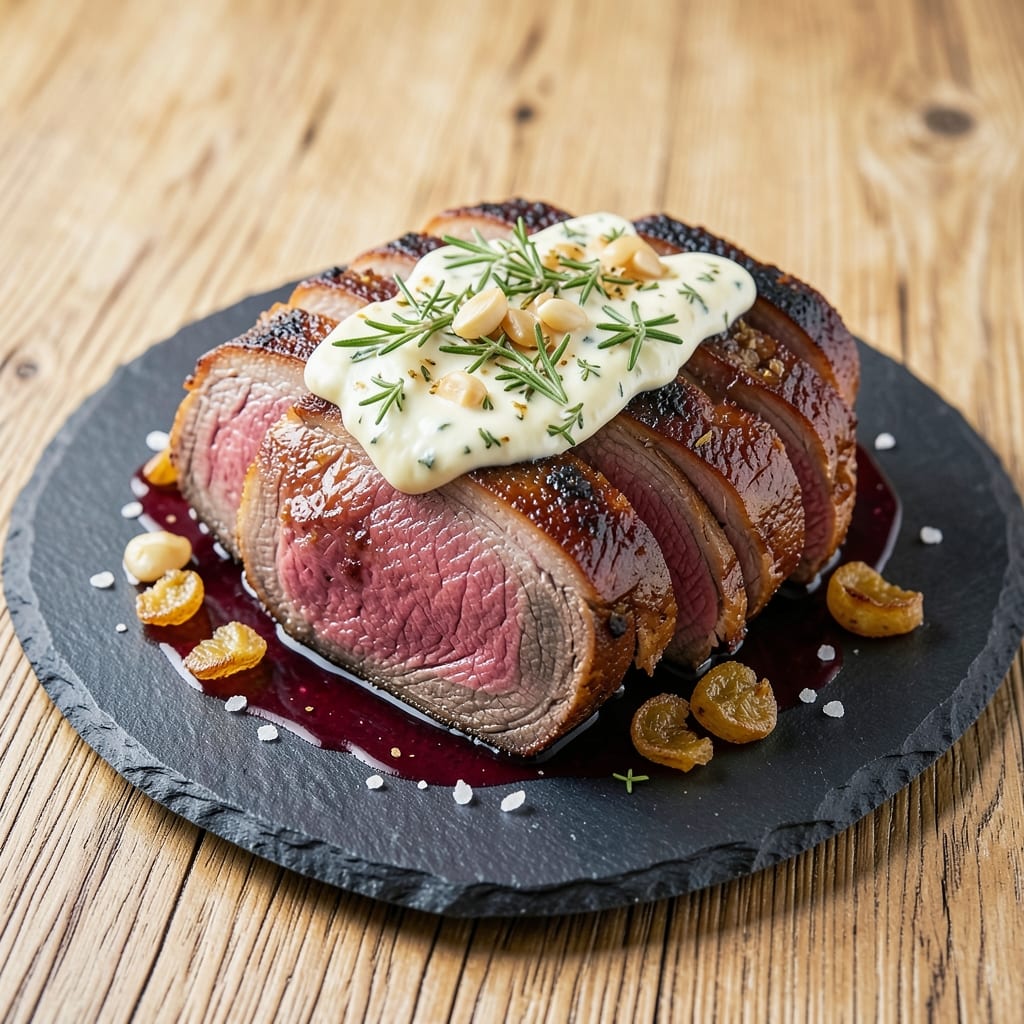
Angus beef prime rib roast delivers the kind of show-stopping centerpiece that turns any holiday table into a special occasion. The secret lies in a simple herb crust that seals in moisture while creating a golden, crackling exterior—without sacrificing that coveted juicy pink heart. I’ve perfected this method after years of testing, ensuring your roast stays tender and flavorful from first slice to last.
The process begins with proper trimming and seasoning, then a precise roasting technique that guarantees perfect doneness every time. Unlike tough, dry store-bought cuts, this recipe transforms a premium piece of beef into melt-in-your-mouth perfection. The herb crust adds depth without overpowering the rich, beefy flavor, while the internal temperature method ensures you never overcook.
What you’ll end up with is a roast that’s impossibly tender, with a crisp crust and juices running clear when sliced. The aroma alone will have guests gathering at the table, and the presentation—golden, glistening, and perfectly portioned—will make it the star of any meal. Serve with classic sides like roasted garlic mashed potatoes or a rich red wine reduction for the full experience.
This isn’t just a recipe—it’s a technique that elevates simple ingredients into something extraordinary. Whether you’re hosting a holiday feast or treating yourself to a special dinner, this prime rib roast delivers restaurant-quality results at home. Let’s get started on creating your masterpiece.
Ingredients for angus beef prime rib roast
Six premium ingredients transform a simple roast into holiday-worthy centerpiece perfection.
| Ingredient | Amount | Notes |
|---|---|---|
| Angus Beef Prime Rib Roast 🥩 | 4 lb | Bone-in, 1.5-inch thick cross-section |
| Unsalted Butter 🧈 | ½ cup | Cold, cubed for crust |
| Fresh Rosemary 🌿 | ¼ cup | Finely chopped, stems removed |
| Fresh Thyme 🌿 | 0.15 cup | Leaves only, finely chopped |
| Garlic Cloves 🧄 | 8 cloves | Minced for herb paste |
| Diamond Crystal Kosher Salt 🧂 | 2 tbsp | For seasoning and crust |
| Freshly Ground Black Pepper 🌶️ | 1 tbsp | Coarsely ground |
| All-Purpose Flour 🌾 | 1 tbsp | For dusting roast |
| Extra-Virgin Olive Oil 🫒 | 2 tbsp | For basting |
| Red Wine 🍷 | ½ cup | Dry, for basting |
| Beef Stock 🥄 | ¼ cup | Homemade preferred |
| Fresh Parsley 🌿 | 0.1 cup | Chopped, for garnish |
The Angus beef prime rib is non-negotiable for this recipe—look for USDA Prime with generous marbling at your butcher or specialty store like D'Artagnan or Whole Foods. A 4-pound bone-in roast (1.5-inch thick) ensures even cooking and maximum juiciness. If your butcher doesn't carry prime, USDA Choice works in a pinch, though it'll require slightly longer resting time. Trim excess fat to ¼-inch thickness for a cleaner presentation while preserving flavor. The herb crust relies on fresh rosemary and thyme—avoid dried substitutes here, as they lack the aromatic depth needed to complement the beef's richness. For the garlic, pearl or creole varieties from Trader Joe's or Costco deliver the most robust flavor when minced.
No fresh rosemary? Substitute with 1 tablespoon dried rosemary plus ½ teaspoon dried thyme, but increase the butter in the crust by 2 tablespoons for moisture. Running short on red wine? Dry sherry or beef stock work equally well for basting—just reduce the stock by half to maintain balance. The Diamond Crystal kosher salt is crucial; it dissolves more evenly than table salt, ensuring perfect seasoning without graininess. For the herb paste, food processor is ideal, but a mortar and pestle works beautifully if you prefer a rustic touch. Prefer a different herb profile? Swap thyme for fresh sage at the same quantity, or add 1 teaspoon of fresh marjoram for complexity. The flour dusting prevents the crust from sticking during roasting—don't skip this step even if the roast seems dry.
Prime rib benefits from room temperature preparation—take it out of the fridge 1 hour before roasting for even cooking. The herb crust keeps best in the fridge for 24 hours if prepping ahead, though fresh herbs work best same-day. After roasting, rest the meat for 20-30 minutes—this critical step ensures juices redistribute, preventing dry slices. Leftovers reheat beautifully in a low oven (275°F) with beef stock for 10-15 minutes, covered tightly. For presentation, garnish with fresh parsley just before serving—it adds vibrant color while highlighting the golden crust. Store cooked prime rib in an airtight container with parchment paper between slices to maintain moisture for up to 4 days in the fridge, or freeze for 3 months in vacuum-sealed portions.
Why You'll Love This Recipe
- Hands-Off Roast: I swear, this is the kind of dish where you can set it and forget it—literally. The prime rib does all the work while you sip wine and pretend you’re a fancy chef. Just sear the edges, slap on that garlic-butter rosemary paste, and let the oven do the magic. No flipping, no basting, no stress.
- Butter-Basted Magic: That crispy, caramelized crust? Pure reward. The butter basting with fresh thyme and rosemary turns the outside into a golden, aromatic shield while keeping the inside so tender it nearly melts. Honestly, the first time I sliced into it, my kids stopped mid-argument to stare.
- Sunday Dinner Star: Need a showstopper for game day, Thanksgiving leftovers, or just because? This roast delivers—rich, impressive, and effortless. Between us, it’s the kind of dish that makes you look like a hero when you serve it, even if you’re secretly just heating up canned beans on the side.
- Leftovers That Don’t Suck: Most roasts turn to shoe leather the next day. Not this one. The prime rib stays juicy for days, and the flavor only gets better. I’ve turned slices into sliders, tossed them into salads, or just reheated them with a splash of beef broth—every time, it’s a win. (Yes, even on a Tuesday night.)
Step-by-step instructions for herb-crusted prime rib roast
A perfectly cooked prime rib delivers unmatched tenderness with a rich herb crust. Here's how to achieve restaurant-quality results at home.
Prepare the Herb Butter and Season the Roast
In a food processor, combine the 0.5 cup unsalted butter, 0.25 cup fresh rosemary, 0.15 cup fresh thyme, 8 cloves garlic cloves, 2 tbsp diamond crystal kosher salt, and 1 tbsp freshly ground black pepper. Pulse until the mixture forms a coarse paste with visible herb flecks. This herb butter will create the signature crust while keeping the interior juicy.
Pat the 4 lb angus beef prime rib roast dry with paper towels, then dust lightly with 1 tbsp all-purpose flour. Spread the herb butter mixture evenly over the surface, pressing gently to adhere. Let the roast sit at room temperature for 30 minutes before cooking—this ensures even heat distribution and prevents cold spots in the center.
Sear the Roast for Maximum Flavor
Preheat your oven to 450°F with a rack positioned in the lower third. Heat a large oven-safe skillet over high heat and add 2 tbsp extra-virgin olive oil. Once shimmering, carefully place the roast in the skillet, fat-side down. Sear for 5-6 minutes until the crust develops a deep golden-brown color and the fat begins to render.
Flip the roast and continue searing for another 3-4 minutes on the second side. The goal is to create a flavorful crust while maintaining the internal temperature below 135°F—this ensures the meat stays juicy. Transfer the skillet to the preheated oven, fat-side up, and reduce the heat to 325°F.
Roast Low and Slow for Perfect Doneness
Roast uncovered for 2-2.5 hours (about 15-18 minutes per pound) until the internal temperature reaches 125-130°F for medium-rare. Use a meat thermometer inserted into the thickest part of the roast to monitor progress—this is critical for achieving that signature juicy pink heart.
During the last 30 minutes of cooking, baste the roast every 20 minutes with a mixture of 0.5 cup red wine and 0.25 cup beef stock. This basting adds moisture and enhances the herb crust. The roast is done when it reaches the target temperature and the crust is deeply caramelized.
Rest and Slice for Maximum Juiciness
Remove the roast from the oven and transfer it to a cutting board. Tent loosely with aluminum foil and let it rest for 20-30 minutes—this resting period allows the juices to redistribute throughout the meat, ensuring each slice remains moist and flavorful. Skipping this step results in dry, disappointing slices.
Slice the roast against the grain into ½-inch thick portions. Garnish each serving with 0.1 cup fresh parsley for a pop of color and freshness. The final result should be a beautifully browned crust with a tender, pink interior that practically melts in your mouth.
Pro Tips For Making Angus Beef Prime Rib Roast
- Sear at 450°F First: I used to low-and-slow this from the start, but the crust suffers—and that’s where all the flavor hides. Hit the rib roast with a screaming-hot sear at 450°F for 10 minutes on each side before dropping to 325°F. The butter won’t burn if you work in batches, and the crust will be worth the extra step. ---
- Trim Rosemary Stems Roughly: Those tiny stems aren’t just for show—they pack more flavor than the leaves alone. Roughly chop the rosemary sprigs (no need to be precise) and tuck them into the butter packet with the garlic. They’ll infuse the fat without turning your dish into a herbal swamp. ---
- Don’t Rush the Rest: I learned this the hard way—slicing prime rib too soon turns it from buttery perfection to a sad, stringy mess. Let it rest under foil for at least 20 minutes (yes, even if you’re starving). The juices redistribute, and the crust stays intact—trust me, your knife will thank you. ---
- Use Garlic Cloves Whole: Mashing garlic into the butter turns it into a paste that clings awkwardly to the meat. Keep the cloves whole, peel them, and smash them lightly with the flat of your knife—just enough to bruise them. They’ll soften perfectly during roasting and add pockets of flavor without overpowering.
Perfect pairings for these flavors
Classic Side Pairings
Nothing complements prime rib like creamy garlic mashed potatoes—whip up 4 cups Yukon Gold potatoes with ½ cup sour cream, 4 cloves roasted garlic, and 4 tbsp butter for velvety texture. The richness of the potatoes balances the herb crust beautifully. 🥔
For a lighter option, try roasted Brussels sprouts tossed with 2 tbsp balsamic glaze and crispy pancetta. Their caramelized edges contrast the roast's tenderness. I like to roast them at 425°F for 20 minutes until golden and crisp.
Sauce Perfection
A red wine reduction made with 1 cup dry red wine, 1 cup beef stock, and 1 tbsp cold butter transforms pan drippings into a silky sauce. Simmer until reduced by half, then whisk in butter for richness. Drizzle over slices for an elegant finish.
For a tangy twist, prepare horseradish cream by mixing ½ cup sour cream with 1 tbsp prepared horseradish and 1 tsp lemon juice. The sharpness cuts through the beef's richness perfectly.
Beverage Harmony
A bold Cabernet Sauvignon from Napa Valley—like Caymus Vineyards—pairs flawlessly with prime rib. Its dark fruit and tannins complement the herb crust and beefy richness. Serve slightly chilled to enhance acidity. 🍷
For beer lovers, a Belgian Dubbel like Westmalle Tripel offers malty sweetness that stands up to the roast. The caramel notes mirror the herb butter's depth. Avoid hoppy IPAs—they can overpower the dish.
Unexpected Additions
Add caramelized onions to your plate for sweet contrast. Cook 2 large onions in 2 tbsp butter for 45 minutes until deep amber. Their jammy texture adds another layer of complexity.
Finish with toasted walnuts for crunch—toss ½ cup walnuts with 1 tsp maple syrup and toast in a dry pan until golden. Sprinkle over slices for texture and nutty depth.
Nutrition facts
Frequently asked questions
What's the ideal internal temperature for medium-rare prime rib?
For that signature juicy pink heart, aim for 125-130°F internal temperature. Use a meat thermometer inserted into the thickest part (avoid touching bone) to check—this ensures perfect doneness without overcooking. The crust will naturally rise to 145°F while the center stays tender.
Can I cook prime rib without a meat thermometer?
While challenging, you can estimate by using the 15-18 minutes per pound guideline for medium-rare. For a 4 lb roast, cook 1.5-2 hours at 325°F after searing. Press the roast gently—it should feel firm but still yield slightly (like pressing your palm). The crust should be deep golden-brown.
Why does my prime rib turn out dry?
Overcooking is the #1 cause! Skipping the 20-30 minute rest forces juices out, and cutting too soon makes slices dry. Also, avoid high heat—stick to 325°F after searing. For extra moisture, baste with red wine/stock during the last 30 minutes of cooking.
How far ahead can I prep the herb crust?
You can mix the herb butter up to 24 hours ahead and store it in the fridge. However, fresh herbs work best same-day. For maximum flavor, assemble the roast with the crust 1 hour before cooking—this allows the seasoning to penetrate slightly while keeping the meat at room temperature.
What's the best way to reheat leftover prime rib?
Slice leftovers and reheat in a 275°F oven for 10-15 minutes with beef stock in a covered dish. This method keeps slices moist. Alternatively, pan-sear slices in butter for 2 minutes per side—the crust will crisp up beautifully while warming through.