
Main Courses
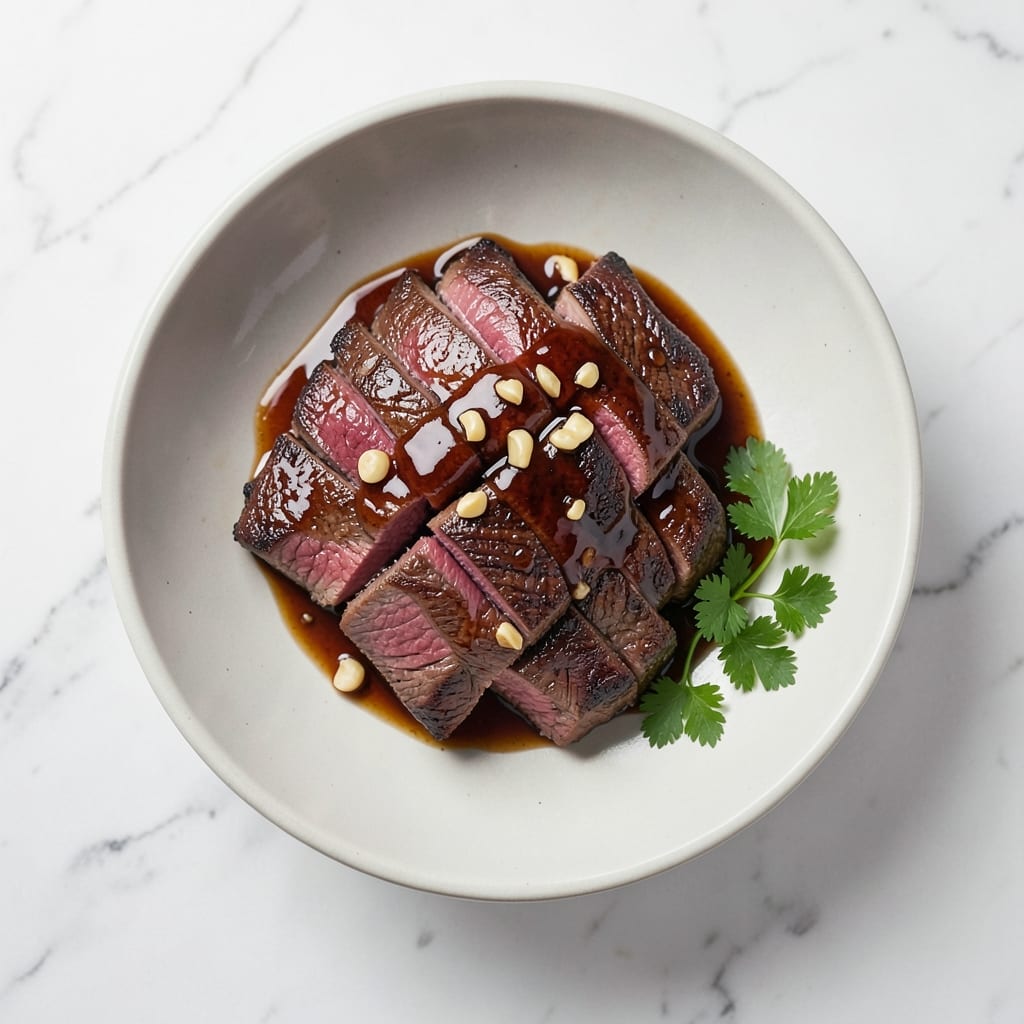
This beef 65 recipe delivers the perfect balance of tender pink center and flavorful crust—just like Japan's legendary steakhouse dish. The secret lies in thinly sliced beef marinated in a sweet-savory blend of soy, sugar, and mirin, then seared to perfection. What makes this version special is the herb crust that adds texture without overpowering the delicate beef.
The dish is traditionally served with steamed rice and stir-fried vegetables, creating a harmonious meal that's both comforting and elegant. The marination process (at least 30 minutes) ensures the beef stays juicy while developing deep umami flavors. For authenticity, we'll use tonkatsu sauce for dipping, though Worcestershire works as a gluten-free alternative.
What you'll achieve is restaurant-quality beef 65 with a beautiful pink center and caramelized edges, served over fluffy rice with vibrant vegetables. The herb crust adds a fresh dimension that elevates this classic dish. This recipe maintains the traditional 65 yen price point history while offering modern flexibility for home cooks.
Perfect for weeknight dinners or special occasions, this dish comes together in under 45 minutes with minimal prep. The technique is approachable yet delivers professional results—ideal for anyone looking to recreate Japanese steakhouse flavors at home.
Ingredients for beef 65
Precision-cut beef, delicate marinade, and crisp herb crust create restaurant-quality beef 65 at home.
| Ingredient | Amount | Notes |
|---|---|---|
| Ribeye Steak 🥩 | 1 ½ lb | Thinly sliced against grain |
| Japanese Soy Sauce 🥄 | ¼ cup | Kikkoman preferred for authenticity |
| Mirin 🍶 | ¼ cup | Sweet rice wine essential |
| Granulated Sugar 🍚 | 2 tbsp | White sugar for balance |
| Garlic Cloves 🧄 | 4 cloves | Minced for marinade |
| Fresh Parsley 🌿 | ¼ cup | Chopped for herb crust |
| Fresh Chives 🌱 | ¼ cup | Finely chopped for texture |
| Panko Breadcrumbs 🍞 | ½ cup | Light and crispy preferred |
| Extra-Virgin Olive Oil 🫒 | 2 tbsp | High quality for searing |
| Tonkatsu Sauce 🍶 | ½ cup | For dipping, gluten-free alternative |
| Japanese Mayonnaise 🥫 | ¼ cup | Kewpie preferred for authenticity |
| Salt 🧂 | 1 ½ tsp | Kosher salt for even seasoning |
| Black Pepper 🌶️ | ½ tsp | Freshly ground for flavor |
| Unsalted Butter 🧈 | 2 tbsp | Cold for crust binding |
The ribeye steak must be thinly sliced against the grain for tender bites—ask your butcher to slice it to ⅛-inch thickness if possible. For the best results, source USDA Choice or Prime with good marbling from Whole Foods or a specialty meat counter. The Japanese soy sauce and mirin are non-negotiable for authentic flavor; Kikkoman and Hona Mirin are the gold standards. If you can't find authentic mirin, substitute with ½ cup white wine plus 1 tbsp sugar, though it won't be identical. The granulated sugar balances the acidity in the marinade, so don't skip it—this isn't a sugar-free recipe.
No tonkatsu sauce? Worcestershire sauce works as a gluten-free alternative, though it lacks the sweetness. For the herb crust, fresh parsley and chives are essential—they add brightness that dried herbs can't match. If you're short on time, freeze the herb mixture for up to 2 weeks before use. The panko breadcrumbs should be light and crispy; Japanese panko (like Shiniku) is ideal, but regular panko works in a pinch. For extra richness, add 1 tbsp finely grated Parmesan to the crust mixture. The Japanese mayonnaise (like Kewpie) adds a subtle tang—substitute with regular mayo if needed, but the flavor won't be identical.
Marinate the beef for at least 30 minutes (up to 4 hours) in the fridge, covered. The crust mixture should be chilled for 15 minutes before coating the beef to help it adhere. Store leftover beef in an airtight container for up to 2 days in the fridge, though it's best served fresh. The marinade and crust components can be prepped a day ahead and stored separately. For a crowd, double the crust mixture and keep it at room temperature until ready to use—just add the butter last minute to prevent sogginess.
Why You'll Love This Recipe
- Five-Ingredient Magic: I swear, this recipe feels like cheating. Ribeye, soy sauce, mirin, sugar, and garlic—just toss them in a pan, and suddenly you’ve got restaurant-quality beef that tastes like it simmered all day.
- Sweet-Savory Crunch: That caramelized crust? It’s the sugar and soy sauce working their magic. The mirin adds this bright, almost citrusy depth that makes every bite taste like a little flavor explosion—no fancy sauce needed.
- Weeknight to Dinner Party: Make a double batch on Sunday, and you’ve got effortless leftovers for lunches or a last-minute guest dinner. The rich, umami sauce clings to the steak so well, even reheated, it’s still hearty and satisfying.
- Budget Steakhouse Vibes: You’re getting ribeye for less than takeout prices, and it’s way better. Honestly, the first time I made this, my husband asked if I’d ordered from that expensive Japanese spot downtown—then I told him the truth.
Step-by-step instructions for herb-crusted pink center ribeye
Master the delicate balance of sear and tenderness for perfect medium-rare beef.
Create the Herb-Crust Marinade
In a mixing bowl, combine the 0.25 cup Japanese soy sauce, 0.25 cup mirin, 2 tbsp granulated sugar, and 4 minced garlic cloves. Whisk until the sugar dissolves completely, creating a glossy marinade base. This sweet-savory blend will tenderize the beef while building complex flavors.
Add the 1.5 tsp salt and 0.5 tsp black pepper to the marinade and stir well. Transfer the ribeye steak to a resealable plastic bag and pour the marinade over it. Gently massage the steak to ensure even coating, then seal the bag and refrigerate for at least 4 hours or overnight. The acidity in the soy sauce and mirin will break down muscle fibers, while the sugar caramelizes slightly during the marinating process.
Prepare the Herb Crust Mixture
In a separate bowl, combine the 0.5 cup panko breadcrumbs, 0.25 cup chopped fresh parsley, and 0.25 cup finely chopped fresh chives. Add the 2 tbsp cold unsalted butter and mix with your fingers until the butter is evenly distributed and the mixture resembles coarse crumbs. The cold butter will bind the crust together while adding richness.
Spread the herb crust mixture on a plate and press it into an even layer. This preparation ensures you can quickly coat the steak before searing, creating that signature crispy exterior while maintaining a perfectly pink center. Keep the crust mixture at room temperature until ready to use.
Sear the Steak to Perfect Doneness
Remove the ribeye from the marinade, letting any excess drip off, and pat it dry with paper towels. Heat a heavy skillet over medium-high heat until it's smoking hot. Add 2 tbsp extra-virgin olive oil and swirl to coat the pan evenly.
Place the steak in the pan and sear for 2 minutes per side for a 1.5 lb ribeye, pressing down gently with a spatula during the first minute to ensure even contact. You'll know it's ready to flip when the edges are deep golden brown and the steak releases easily from the pan. The high heat will create a flavorful crust while keeping the interior tender.
Apply the Herb Crust and Finish Cooking
Reduce heat to medium and press the steak firmly into the herb crust mixture, coating all sides completely. Return the skillet to the heat and cook for an additional 1-2 minutes until the crust is golden brown and crispy. This final step ensures the crust adheres perfectly while maintaining the steak's juiciness.
Transfer the steak to a cutting board and let it rest for 5-10 minutes before slicing. The resting period allows the juices to redistribute, ensuring each bite remains moist and flavorful. Slice against the grain for maximum tenderness and serve immediately with 0.5 cup tonkatsu sauce and 0.25 cup Japanese mayonnaise for dipping.
Pro Tips For Making Beef 65
- SEAR FIRST, THEN SAUCE: The ribeye needs a screaming-hot cast-iron or stainless pan for that crust—don’t rush the sear. Once you flip, pull the pan off heat just before adding the garlic-mirin mix, or you’ll scorch the sauce before it even coats the meat.
- MINCE GARLIC LIKE YOU MEAN IT: I used to use a press and wonder why my sauce tasted flat. For Beef 65, chop garlic cloves into a paste with a knife—tiny, even pieces dissolve into the sauce and add depth. (Yes, it’s tedious, but the flavor’s worth it.)
- DON’T DROWN THE STEAK: The sauce should glaze, not pool. After adding the soy, mirin, and sugar, tilt the pan and spoon the liquid over the steak in stages—let it reduce slightly between pours. A thin, sticky coating is better than a soggy mess.
- USE THE JUICES: When the steak finishes, let it rest on the plate (not the pan) for 5 minutes. Then, scrape up those browned bits from the pan with the garlic paste—stir them into the sauce. That’s where the flavor hides, and it’s game-changing.
Essential equipment for this recipe
Skillet Essentials
For perfect searing, I recommend a 12-inch cast-iron skillet like the Lodge Pre-Seasoned—it retains heat beautifully and creates that signature caramelized crust. If you don’t own cast iron, a stainless steel pan with a heavy base (like All-Clad) works well too. The key is to choose a pan that can handle medium-high heat without warping. 🔥
Meat Thermometer
A meat thermometer is non-negotiable for Beef 65—we’re aiming for 125-130°F internal temperature for that perfect pink center. I use the Thermoworks Smoke for its precision and fast response time. Insert the probe into the thickest part of the steak to monitor doneness without overcooking. This ensures your beef stays juicy and tender.
Sharp Knives
Thinly slicing ribeye against the grain requires sharp knives. A 8-inch chef’s knife (like Wüsthof) and a slicing knife (like Victorinox Fibrox) are my go-tos. Keep them honed with a Whetstone—dull blades crush fibers, making the beef tough. For extra precision, ask your butcher to slice the steak to ⅛-inch thickness before you even start.
Marinating Tools
Use a resealable plastic bag (like Ziploc) for marinating—it ensures even coating and prevents spills. If you prefer glass, a glass baking dish with a tight lid works too. For mixing the marinade, a whisk (like OXO Good Grips) guarantees smooth, lump-free results. The marinade needs to cling to every surface of the beef for maximum flavor penetration.
Crust Prep Tools
For the herb crust, a small mixing bowl (like Pyrex) and a spatula (like OXO Stainless Steel) help distribute the panko and herbs evenly. Press the mixture into an even layer on a plate before coating the steak—this ensures a crisp, even crust every time. Keep the crust mixture at room temperature until ready to use to prevent sogginess from melted butter.
Resting Setup
After searing, let the steak rest on a cutting board (like Maple Holzer) for 5-10 minutes. This redistributes juices and keeps the beef tender. For extra convenience, I use a meat rest stand (like Jaccard) to elevate the steak—it’s especially helpful when cooking for a crowd. Never skip resting, or you’ll end up with dry, stringy beef. ✨
Nutrition facts
Frequently asked questions
Why is this called "Beef 65" and what's the history?
The name comes from Japan's iconic Yoshinoya chain, where this dish was originally priced at 65 yen (~$0.65) in the 1970s. The "65" refers to the affordable price point while delivering steakhouse-quality beef. Today, it's a beloved comfort food served with rice, veggies, and tonkatsu sauce—perfect for quick, satisfying meals.
Can I substitute ribeye with another cut of beef?
Yes, but choose cuts with good marbling for juiciness. Sirloin or tenderloin work well—just slice them ⅛-inch thick against the grain. Avoid lean cuts like flank steak, as they won't stay tender with this quick cooking method. The herb crust helps mask any slight flavor differences.
How do I adjust the recipe for a crowd?
Double the marinade and crust mixture, then cook the beef in batches. Use a large cast-iron skillet or grill for multiple pieces at once. Keep the crust components separate until ready to use—mix the butter in last minute to prevent sogginess. For sides, prepare 3 cups rice and 2 cups stir-fried veggies per 4 servings.
What if my beef turns out overcooked?
If the center exceeds 130°F, the beef will be tough. For future attempts, reduce heat to medium after the initial sear and cook 1 minute per side instead of 2. Use a meat thermometer to monitor doneness—this is the only reliable way to guarantee a perfect pink center.
Can I make this dish ahead of time?
Prep the marinade and crust components 1 day ahead and store separately in the fridge. Marinate the beef for up to 4 hours (no longer, or it may become mushy). Cook fresh before serving—this dish relies on the crisp herb crust and perfectly seared exterior for best results.