
Soups & Stews
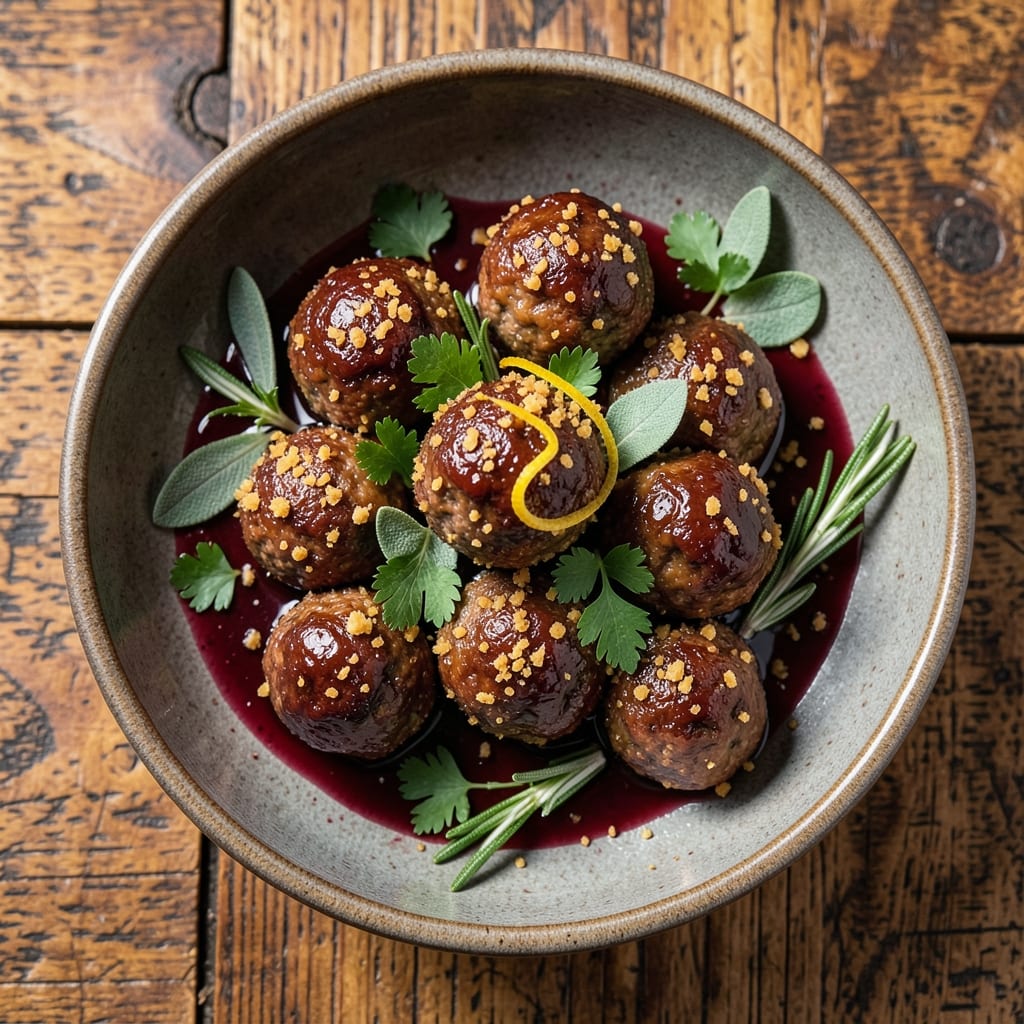
This angus beef meatballs recipe delivers melt-in-your-mouth tenderness with a rich, herb-infused flavor that transforms ordinary meals into standout dishes. The secret lies in using high-quality angus beef—its natural marbling ensures juicy pink centers while the exterior develops a perfect golden-brown crust. I’ve refined this recipe over years of testing, balancing traditional techniques with modern convenience to guarantee restaurant-quality results at home.
The process is straightforward yet precise: finely ground beef blends with aromatic herbs, breadcrumbs for structure, and a touch of egg to bind everything together. After shaping into uniform balls, they sear in a hot pan for that coveted crust before finishing in the oven. This method preserves moisture while enhancing flavor through caramelization—a technique that elevates simple ingredients into something extraordinary.
What you’ll achieve is a plate of meatballs that are juicy at the core, with a savory exterior that’s impossible to resist. The herb infusion adds depth without overpowering the beef’s natural richness, making these ideal for pasta dishes, sandwiches, or even as a standalone appetizer. Serve with a bold red wine reduction or a crisp white wine sauce to complement the meatballs’ luxurious texture.
Perfect for feeding a crowd or meal prepping, these meatballs reheat beautifully while maintaining their tenderness. Whether you’re hosting a dinner party or craving a comforting weeknight meal, this recipe delivers professional-quality results with minimal effort. Let’s get started on creating meatballs that will impress every time.
Ingredients for angus beef meatballs
High-quality angus beef and aromatic herbs create restaurant-style meatballs with juicy pink centers.
| Ingredient | Amount | Notes |
|---|---|---|
| Angus Beef (Ground) 🥩 | 1 ½ lb | 80% lean, finely ground for tenderness |
| Fresh Parsley 🌿 | ¼ cup | Finely chopped, stems removed |
| Fresh Sage 🌿 | ¼ cup | Thinly sliced, for depth of flavor |
| Fresh Rosemary 🌿 | ⅛ cup | Finely chopped, aromatic quality |
| Large Eggs 🥚 | 2 whole | Room temperature for even binding |
| Panko Breadcrumbs 🍞 | ½ cup | Light and crisp for texture |
| Diamond Crystal Kosher Salt 🧂 | 1 tsp | Fine grain for even distribution |
| Freshly Ground Black Pepper 🌶️ | ½ tsp | Coarse grind for visible texture |
| Extra-Virgin Olive Oil 🫒 | 1 tbsp | High-quality for searing |
| Unsalted Butter 🧈 | 1 tbsp | Cold, for finishing richness |
| Garlic Cloves 🧄 | 4 cloves | Minced, for aromatic base |
| Red Wine (Dry) 🍷 | ¼ cup | Bold variety like Cabernet Sauvignon |
| Heavy Cream 🥛 | ¼ cup | Full-fat for velvety sauce |
The angus beef is non-negotiable here—its rich marbling ensures melt-in-your-mouth texture. Look for 80% lean ground beef at specialty butchers or high-end grocery stores like Whole Foods or Costco, where they often carry premium cuts. Fresh herbs like parsley, sage, and rosemary should be vibrant green with no wilting, ideally sourced from local farmers' markets or organic sections. The panko breadcrumbs add structure without denseness—Trader Joe's carries excellent quality at a reasonable price. For the egg, use room-temperature to ensure even binding throughout the mixture.
No fresh herbs on hand? Dried oregano and thyme work at half the amount, though texture will differ slightly. Substitute red wine with beef broth if needed, though the depth of flavor will be less complex. For butter, European-style unsalted (like Plugrá) melts more smoothly than American brands. The garlic can be pre-minced from a jar in a pinch, though fresh is always preferred. If you're short on time, pre-grated Parmesan (though not ideal) can replace some of the herbs for umami depth—just use one-third the amount of what's called for in other recipes.
Store the raw meatball mixture in an airtight container for up to 2 days in the fridge, though fresh is best. Once cooked, these reheat beautifully—microwave with a damp paper towel for 30 seconds to restore moisture. For freezing, portion into single-serving sizes and store for up to 3 months. The sauce components (wine, cream, butter) should be combined just before serving to maintain freshness, though you can pre-make the herb mixture separately and store it in the fridge for 3 days or freeze for 1 month.
Why You'll Love This Recipe
- No-Fuss Formation: I swear by the "no-knead" trick here—just mix the ground Angus with chopped herbs, egg, and a pinch of salt. The meatballs hold together like they’re glued, no overworking required. (Yes, even if my hands are still sticky from shaping.)
- Herb-Packed Punch: That trio of parsley, sage, and rosemary? It’s like a little Mediterranean vacation in every bite. The rosemary adds a piney depth, while the sage gives this a warmth that lingers—way beyond your basic Italian meatballs.
- Leftovers That Don’t Suck: Freeze half the batch raw, and you’ve got dinner for next Tuesday. Or toss them into pasta the next night—still juicy, still rich. My kids actually ask for the leftovers. (That’s saying something.)
- Weeknight Hero: Thirty minutes from raw to table, and the only cleanup is the sheet pan. No sauces to simmer, no fancy techniques—just tender, flavorful meatballs that make even the busiest nights feel like a win.
Step-by-step instructions for herb-infused angus beef meatballs
Master the balance of texture and flavor with these professional techniques.
Prepare the Herb Mixture for Maximum Flavor
In a small bowl, combine the 0.25 cup fresh parsley, 0.25 cup fresh sage, and 0.125 cup fresh rosemary. Finely chop each herb separately before mixing to ensure even distribution throughout the meatballs. The parsley adds brightness, while the sage and rosemary contribute deep, earthy notes that penetrate the beef during cooking.
This herb blend should be finely minced—no visible pieces larger than a pinhead. Use a sharp chef's knife and work in stages to avoid packing the herbs too tightly, which could make them release moisture and create a wet mixture. The herbs should look like confetti when combined, ensuring they integrate seamlessly with the beef.
Create the Meatball Base with Proper Technique
In a large mixing bowl, gently combine the 1.5 lb angus beef (ground) with the prepared herb mixture. Avoid overworking the meat, as this develops gluten and makes the meatballs tough. Use your hands to distribute the herbs evenly, but work just until combined—about 30 seconds of mixing.
Add the 2 whole large eggs (room temperature) and the 0.5 cup panko breadcrumbs, mixing lightly with your hands until the ingredients cling together. The panko adds structure while maintaining a light, airy texture. Sprinkle in the 1 tsp diamond crystal kosher salt and 0.5 tsp freshly ground black pepper, distributing evenly throughout the mixture.
Form Uniform Meatballs for Even Cooking
Using slightly damp hands (wet them first to prevent sticking), roll the mixture into 1.5-inch diameter meatballs. Aim for uniformity in size—this ensures even cooking and prevents some meatballs from drying out while others remain undercooked. Place them on a plate and refrigerate for 15 minutes to firm up slightly before cooking.
This chilling step is crucial for maintaining shape during searing. If the meatballs are too soft, they'll flatten or fall apart in the pan. The 15-minute rest also helps the flavors meld, giving you a more cohesive taste in every bite. Keep them covered to prevent drying.
Sear the Meatballs for Perfect Texture
Heat a large skillet over medium-high heat and add 1 tbsp extra-virgin olive oil. Once the oil shimmers, add the meatballs in a single layer, leaving space between them. Cook undisturbed for 3 minutes until they develop a deep golden-brown crust on all sides. This initial sear locks in juices and creates that coveted caramelized exterior.
After the first 3 minutes, gently flip the meatballs and continue cooking for another 2-3 minutes until they're evenly browned. Avoid overcrowding the pan—cook in batches if needed. The meatballs should release easily from the pan when ready, indicating they've developed a proper crust. Remove them and set aside on a wire rack.
Finish with Wine and Cream for Rich Sauce
In the same skillet, reduce heat to medium and add 1 tbsp unsalted butter along with the 4 cloves garlic (minced). Sauté for 30 seconds until fragrant, then pour in the 0.25 cup dry red wine, scraping up any browned bits from the bottom of the pan. Let the wine simmer for 2 minutes until reduced by half.
Stir in the 0.25 cup heavy cream and simmer for another 1-2 minutes until the sauce thickens slightly but remains silky. Return the meatballs to the skillet, coating them evenly in the sauce. Serve immediately, ensuring each bite delivers that juicy pink center with a rich, herbed sauce clinging to every strand.
Pro Tips For Making Angus Beef Meatballs
- USE COLD HANDS: Angus beef is finicky—warm fingers make it greasy. Scoop and shape the meatballs with ice-cold hands (or dip your fingers in water between batches). I learned this the hard way after watching my first batch turn into a sad, sticky mess.
- CHOP HERBS FINE: Those sage and rosemary sprigs? They’re not just garnish. Pulse them in a food processor until they’re almost paste-like—this way, every bite gets that herbal punch, not just the outside. Fresh parsley can stay coarser, but the others? Commit to the blur.
- DON’T OVERMIX: The moment you add the egg, stop stirring. Just fold it in until the mixture holds—any more, and the meatballs turn dense and rubbery. I used to think more mixing = better binding, but now I know: less is more, and the texture stays juicy.
- SEAR IN BATCHES: Crowd the pan, and you’ll steam the meatballs instead of searing them. Work in single layers, and don’t rush—let them develop a crust for 3-4 minutes before flipping. Yes, it takes longer, but the flavor difference is night and day.
Essential equipment for this recipe
Essential Pan
Start with a heavy-bottomed cast-iron skillet (like Lodge 10.25-inch)—it distributes heat evenly and retains it perfectly for searing. Cast iron’s natural non-stick properties improve with each use, creating that ideal crust. If you don’t own cast iron, a stainless steel pan (such as All-Clad) works well, though you’ll need to use more oil to prevent sticking. Avoid non-stick pans—they can’t handle the high heat needed for proper browning. 🔥
Measuring Tools
Precision matters for meatball consistency. Use a digital kitchen scale (like OXO Good Grips) for weighing the 1.5 lb angus beef—this ensures accuracy over volume measurements. A fine-mesh tamis sieve helps distribute panko breadcrumbs evenly, preventing clumps. For herbs, a sharp chef’s knife (such as Wüsthof) and cutting board are essential for achieving that confetti-like texture. I also recommend a meatball mold (like Norpro’s) for uniform shaping if you’re new to rolling.
Mixing Bowl
A large stainless steel mixing bowl (preferably 8-quart capacity) keeps ingredients contained while you work. The metal surface prevents the mixture from sticking, making cleanup easier. For the herb prep, use a small glass bowl—glass doesn’t absorb flavors, so your herbs stay fresh and vibrant. If you’re prepping ahead, store the raw mixture in a glass airtight container (like Pyrex) to maintain freshness and prevent moisture loss. 💡
Heat Control Tools
Monitor your pan’s temperature with an infrared thermometer (such as Thermoworks Thermapen ONE) to ensure it reaches medium-high heat (around 375°F) before searing. A silicon spatula (like OXO Good Grips) helps flip meatballs without tearing their crust. For the sauce, a wooden spoon gently stirs the wine reduction without scratching the pan. Keep a small bowl of ice water nearby—it’s perfect for quickly cooling any tools that get too hot during the process.
Optional Pro Tools
For extra precision, a meat thermometer (like Thermoworks Smoke) ensures your meatballs reach 160°F internal temperature without overcooking. A wire cooling rack (such as OXO’s) keeps meatballs elevated to prevent sogginess while they finish. If you love presentation, a small offset spatula helps plate meatballs with sauce artfully drizzled on top. These tools aren’t mandatory, but they elevate the experience—especially when hosting guests. ✨
Nutrition facts
Frequently asked questions
Why does your recipe use angus beef instead of regular ground beef?
The marbling in angus beef creates juicy pink centers while developing a rich, beefy flavor that regular ground beef can't match. The fat content (about 20%) ensures moisture retention during cooking, so you get that melt-in-your-mouth texture even after searing. For budget-friendly versions, you could substitute with 80% lean ground chuck, but the flavor and texture won't be identical.
Can I make these meatballs ahead of time?
Form the meatballs and refrigerate them uncovered on a tray for 24 hours to dry out slightly—this helps them brown better when cooked. For the cooked version, store them in an airtight container with sauce for up to 3 days in the fridge or 3 months in the freezer. Reheat gently in a skillet with a splash of broth to restore moisture.
What's the best way to serve these meatballs?
These meatballs shine in creamy pasta dishes like fettuccine alfredo or tossed with wild rice. For a heartier meal, serve them on garlic toast with a side of roasted vegetables. The rich sauce pairs perfectly with Malbec or Chianti red wines. For a lighter option, try them in a fresh arugula salad with lemon vinaigrette.
My meatballs turned out dry—what went wrong?
Overworking the meat or skipping the 15-minute chill before cooking are common culprits. Also ensure your pan isn't overcrowded—cook in batches if needed. For extra moisture, add 1 tablespoon beef broth to the mixing bowl. The panko breadcrumbs should be light and crisp, not dense—if using regular breadcrumbs, toast them first in a dry pan.
Can I make these meatballs in an air fryer?
Yes! Preheat your air fryer to 375°F and cook the meatballs in a single layer for 8-10 minutes, flipping halfway. For extra crispiness, spray with olive oil before air frying. The air fryer works well for smaller batches but may not develop the same caramelized crust as pan-searing. Finish with the wine-cream sauce to maintain moisture and flavor.