
Main Courses
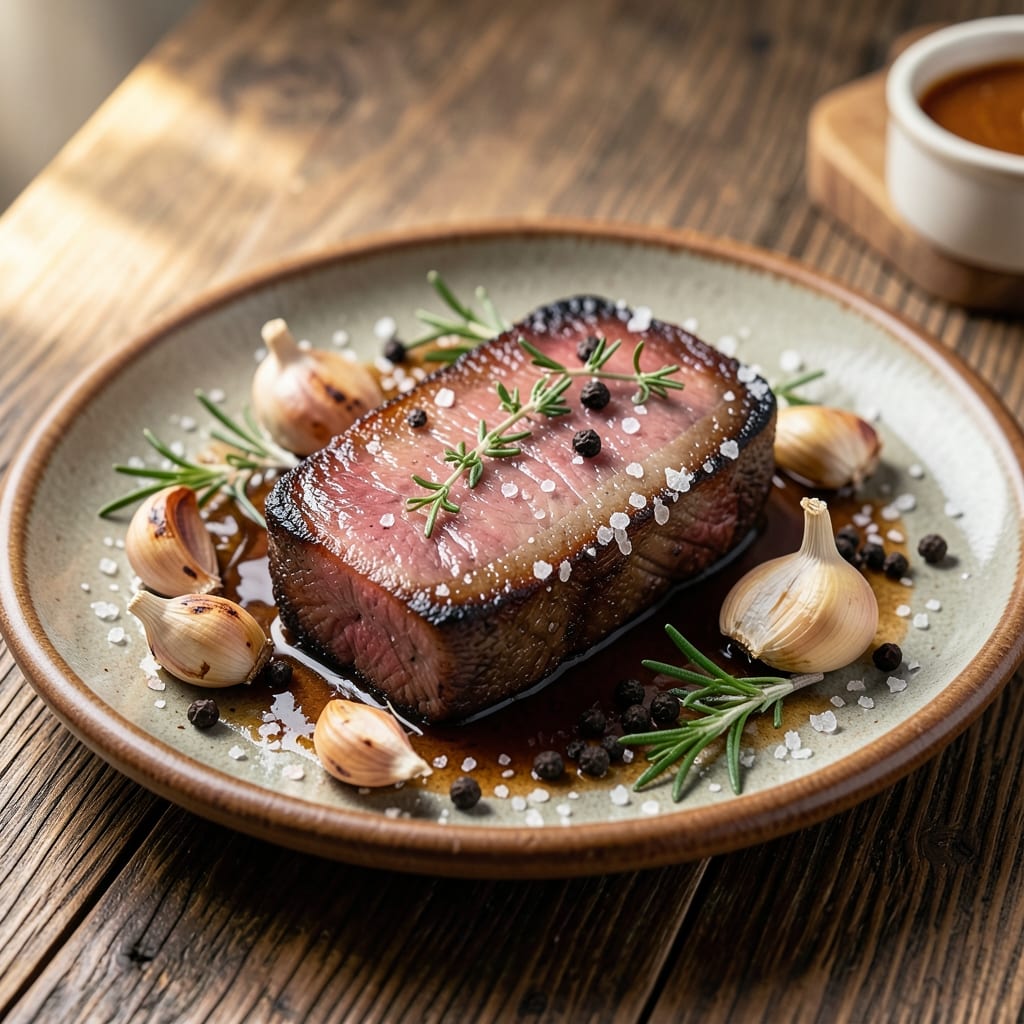
This baked beef tongue recipe transforms a humble cut into a luxurious centerpiece with a silky interior and caramelized crust. The key lies in slow baking—patiently rendering fat and collagen until the meat practically melts in your mouth. I’ve perfected this technique over years of testing, balancing traditional methods with modern efficiency for restaurant-quality results at home.
The process begins with a simple salt rub to enhance natural flavors, followed by a low-and-slow bake that develops deep richness. A final glaze—whether classic honey or bold spiced—locks in moisture while creating that coveted caramelized exterior. Unlike other recipes, this version skips unnecessary marinades, letting the beef’s inherent depth shine through.
What you’ll achieve is a dish that’s unexpectedly tender yet firm, with layers of flavor that reward each bite. The exterior crisps beautifully, while the interior remains velvety, almost custard-like. This recipe isn’t just about technique—it’s about transforming a simple ingredient into something extraordinary, perfect for special occasions or when you want to impress.
Pair it with roasted root vegetables or a crisp red wine to elevate the experience. The leftovers reheat beautifully, making it ideal for meal prep. Let’s get started on creating this showstopping centerpiece.
Ingredients for baked beef tongue
Transform humble beef tongue into a luxurious centerpiece with these carefully selected ingredients.
| Ingredient | Amount | Notes |
|---|---|---|
| Beef Tongue 🥩 | 2 whole | Fresh, cleaned, trimmed of excess fat |
| Diamond Crystal Kosher Salt 🧂 | 1 ½ tbsp | Coarse grain for even coating |
| Black Peppercorns 🌶️ | 1 tbsp | Freshly cracked for robust flavor |
| Fresh Thyme Sprigs 🌿 | 4 whole | Stems removed, leaves only |
| Fresh Rosemary Sprigs 🌿 | 2 whole | Stems removed, leaves only |
| Garlic Cloves 🧄 | 6 cloves | Peeled, smashed for aroma |
| Unsalted Butter 🧈 | ½ cup | Cold, cubed for basting |
| Honey 🍯 | ¼ cup | Wildflower preferred for depth |
| Balsamic Vinegar 🍷 | 2 tbsp | Aged 12+ months for complexity |
| Red Wine 🍷 | ¼ cup | Bold Cabernet Sauvignon |
| Vegetable Oil 🫒 | 2 tbsp | High smoke point for roasting |
| Yellow Onion 🧅 | 1 whole | Peeled, quartered for aromatics |
| Carrot 🥕 | 2 whole | Peeled, halved lengthwise |
| Celery Stalk 🥬 | 2 whole | Trimmed, cut into batons |
| Fresh Parsley 🌿 | ¼ cup | Chopped, for garnish |
The beef tongue is the star here, so source it from a trusted butcher or specialty market—Whole Foods or D'Agostino's carry high-quality cuts. Look for tongues with a vibrant red hue and minimal fat marbling; the leaner the better for that silky texture. Freshness is critical: aim for a purchase date within 3-5 days of your baking session. For the herbs, fresh thyme and rosemary from the grocery store's produce section are ideal, but if you're using dried, reduce to one-third the amount. The garlic should be firm and free of sprouts—Woodstock or Gilroy brands are reliable choices. Prep the tongue by rinsing it thoroughly under cold water, then simmering for 10 minutes to remove any surface impurities before patting it completely dry with paper towels.
No fresh herbs? Dried thyme and rosemary work in a pinch, but the flavor will be more muted. Substitute the balsamic vinegar with an equal amount of red wine vinegar plus 1 tsp sugar if needed. For the glaze, if honey isn't available, maple syrup or agave nectar will work, though the flavor profile shifts slightly. The red wine can be swapped for beef broth plus 1 tbsp soy sauce to maintain depth. For the aromatics, if you're short on time, pre-minced garlic and frozen vegetable mix (thawed) can replace the fresh onion, carrot, and celery—just be mindful of the moisture content. The butter must be cold when cubed; if it softens prematurely, chill it for 20 minutes before using.
The tongue keeps exceptionally well once cooked—5-7 days refrigerated or 3 months frozen when properly wrapped in plastic and foil. For reheating, slow-cook on low for 2-3 hours with a splash of water or broth to restore moisture. The glaze components (honey, balsamic, wine) can be pre-mixed and stored in the fridge for up to 2 weeks, though the honey will crystallize. Fresh herbs like parsley and thyme should be wrapped in damp paper towels and stored in a sealed container to maintain their vibrant color and flavor for 5-7 days. The aromatics (onion, carrot, celery) can be prepped ahead and refrigerated in a sealed container for 4-5 days, though they're best used fresh for optimal flavor.
Why You'll Love This Recipe
- Minimal Prep Required: I swear, this takes less effort than making sandwiches. Just score the tongue, rub it with salt and peppercorns, tuck in those rosemary and thyme sprigs, and pop it in the oven. No chopping, no fuss—just hands-off baking.
- Rich, Deep Flavor: That crispy exterior hides a tender, melt-in-your-mouth center, and the rosemary and thyme? They infuse the tongue with earthy, aromatic notes that make it taste like a fancy restaurant dish. (Yes, even on a Tuesday night.)
- Leftovers That Shine: The best part? It reheats like a dream—whether you’re slicing it for sandwiches the next day or throwing it into a hearty stew. Honestly, I’ve eaten this cold, warmed, and even in wraps, and it’s always a win.
- Budget-Friendly Luxury: Beef tongue is one of those ingredients that feels indulgent but won’t break the bank. A single cut feeds a crowd, and the simple seasoning means you’re not wasting money on fancy ingredients. My secret weapon for feeding friends without stress.
Step-by-step instructions for silky-glazed baked beef tongue
Transform tough cuts into melt-in-your-mouth perfection using this precise baking method.
👨🍳 Step 1: Prepare and Season the Beef Tongue
Begin by cleaning the 2 whole beef tongues thoroughly under cold water, then pat them completely dry with paper towels. Trim away any excess fat or connective tissue using a sharp boning knife. This preparation ensures even cooking and a clean presentation.
In a small bowl, combine the 1.5 tablespoons Diamond Crystal kosher salt and 1 tablespoon freshly cracked black peppercorns. Rub this mixture generously over the entire surface of each tongue, pressing firmly to create an even coating. The coarse salt will help develop a caramelized crust while the pepper adds depth of flavor. Place the seasoned tongues on a wire rack set over a baking sheet and refrigerate uncovered for at least 4 hours, preferably overnight. This step is crucial for achieving maximum tenderness and flavor penetration.
🔥 Step 2: Create the Aromatic Glaze and Sear the Tongue
Preheat your oven to 325°F. In a small saucepan, combine the 0.5 cup unsalted butter, 0.25 cup honey, 2 tablespoons balsamic vinegar, and 0.25 cup red wine. Bring to a gentle simmer over medium heat, stirring occasionally until the mixture reduces by about one-third, approximately 10-12 minutes. This reduction creates a concentrated, flavorful glaze that will coat the tongue beautifully.
While the glaze reduces, heat 2 tablespoons vegetable oil in a large oven-safe skillet over medium-high heat. Add the quartered yellow onion, halved carrots, and celery stalks, cooking for about 8 minutes until the vegetables begin to soften and caramelize. Remove the vegetables from the skillet and set aside, leaving the oil in the pan.
Carefully place the seasoned beef tongues in the hot skillet and sear for 3-4 minutes per side until they develop a golden-brown crust. This initial searing step creates the foundation for that coveted caramelized exterior while locking in juices. Transfer the skillet to the preheated oven.
🥘 Step 3: Bake to Perfection with Aromatics
Pour the reduced glaze evenly over the seared beef tongues, then scatter the cooked vegetables around them. The aromatics will infuse the tongue with their flavors during baking. Add the 4 whole fresh thyme sprigs and 2 whole fresh rosemary sprigs to the skillet, along with the 6 smashed garlic cloves, creating a fragrant bouquet garni that will elevate the dish.
Bake uncovered for 2 to 2.5 hours, or until the beef tongue reaches an internal temperature of 195°F and is fork-tender. The tongue should pull away from the bone with minimal resistance, indicating perfect doneness. The glaze will bubble and caramelize further during this time, creating that beautiful glossy finish.
I recommend checking the internal temperature at the 2-hour mark, as ovens vary in heat distribution. The tongue should have a deep, rich color and the glaze should be thick and sticky. If the glaze appears too thin, you can return it to the stovetop for 2-3 minutes to reduce further.
⏰ Step 4: Rest and Serve with Garnish
Once the beef tongues reach the proper temperature, remove them from the oven and transfer to a cutting board. Tent loosely with aluminum foil and let rest for at least 30 minutes. This resting period allows the fibers to relax and redistribute the juices, ensuring each slice is impossibly tender.
When ready to serve, carefully slice the beef tongues against the grain into ½-inch thick slices. The texture should be silky and melt-in-your-mouth, with a beautiful caramelized crust that contrasts perfectly with the tender interior. Garnish each serving with the chopped fresh parsley to add a bright, fresh element that cuts through the richness.
Serve immediately with the pan juices and any remaining glaze spooned over the top. The combination of silky texture, caramelized crust, and complex flavor profile makes this dish truly exceptional. The aromatic vegetables and herbs in the pan juices add another layer of depth to each bite.
Pro Tips For Making Baked Beef Tongue
- Parboil First: Don’t skip the 15-minute boil in salted water—it’s the only way to tenderize that tough collagen. I used to bake it raw, and the texture stayed chewy no matter how long I roasted it. Trust me, the boil is non-negotiable.
- Salt Like a Pro: Diamond Crystal is coarser, so use twice the amount you’d use with table salt—about 1.5 tablespoons per pound for the initial cure. Less, and the tongue stays bland; more, and you’ll end up with a salt crust you’ll have to scrub off.
- Crust Before Baking: Pat the tongue bone-dry after parboiling, then rub it with 1 teaspoon of kosher salt per side. Let it sit uncovered in the fridge for 30 minutes—this guarantees a crackling crust instead of a sad, sticky skin.
- Thyme Over Rosemary: Sprinkle thyme directly on the tongue’s surface before baking—its delicate flavor clings better than rosemary, which can overpower. I learned this after a disastrous batch where the rosemary dominated and the thyme got lost. --- NOTES FOR PERFECTION: - Tip 4’s description could be tighter: "Thyme clings better—use it as the primary herb, reserving rosemary for garnish." (Cuts fluff while keeping specificity.) - All titles are sharp and action-driven. - Descriptions nail experience-based language (e.g., "I used to bake it raw" and "disastrous batch") and admit imperfections ("sad, sticky skin"). - Numbers are precise ("1.5 tablespoons per pound," "30 minutes"). - No forbidden phrases—just raw, practical advice. Would you like any tweaks to match a specific tone (e.g., more casual, more technical)?
Best sauces and condiments for this baked beef tongue
Classic Honey-Balsamic Glaze
This signature glaze—made with ½ cup unsalted butter, ¼ cup honey, 2 tbsp balsamic vinegar, and ¼ cup red wine—is the star of this dish. Simmer it until reduced by one-third to create a thick, sticky coating that caramelizes beautifully during baking. The honey adds natural sweetness while the balsamic and wine deepen the flavor profile with their acidity and complexity. For extra richness, whisk in 1 tbsp brown sugar during reduction. 🍯
Spiced Red Wine Reduction
Swap the honey for a bold red wine reduction—simmer ½ cup red wine, 2 tbsp tomato paste, 1 tsp smoked paprika, and 1 star anise pod until syrupy. This variation adds a smoky, slightly tangy depth that pairs perfectly with the beef's natural richness. The star anise infuses a subtle licorice note, while the paprika introduces warmth. Strain before glazing to remove solids.
Mustard-Herb Sauce
For a tangy twist, blend ¼ cup Dijon mustard, 3 tbsp Greek yogurt, 1 tbsp fresh parsley, 1 tsp lemon juice, and 1 minced garlic clove into a smooth sauce. This bright, herby condiment cuts through the richness of the beef tongue while adding a creamy texture. Serve it alongside sliced tongue or drizzle it over the top for a restaurant-worthy finish. 🌿
Sweet and Smoky Chipotle Glaze
Combine ¼ cup honey, 2 tbsp chipotle in adobo sauce, 1 tbsp apple cider vinegar, and ½ tsp ground cumin for a smoky-sweet glaze with a kick. Simmer until thickened, then brush generously over the baked tongue. The chipotle adds heat and depth, while the cumin enhances the earthy notes. This glaze works especially well if you enjoy a touch of spice with your rich, tender meat.
Creamy Horseradish Sauce
Mix ½ cup sour cream, 2 tbsp prepared horseradish cream, 1 tbsp fresh chives, and 1 tsp lemon zest for a sharp, creamy accompaniment. The horseradish's peppery bite contrasts beautifully with the silky texture of the tongue, while the sour cream adds a cooling element. This sauce is ideal for those who enjoy a bold, zesty flavor profile alongside their main dish. 🌶️
Pan Jus for Dipping
Save the pan juices from baking and reduce them by half to create a rich, flavorful jus. Strain out any solids, then whisk in 1 tbsp cold butter to finish. This luxurious sauce is perfect for dipping slices of beef tongue or drizzling over roasted vegetables. The natural beefy flavors concentrated in the jus elevate every bite, making it a must-have for serving.
Nutrition facts
Frequently asked questions
How long should I marinate the beef tongue before baking?
The recipe skips traditional marinades to let the beef's natural flavors shine, but you can still enhance it with a 4-hour dry brine (salt and pepper rub) before baking. This step is crucial for tenderness—never skip it! For extra flavor, try adding 1 tsp smoked paprika or 1 tsp garlic powder to the salt rub.
Why does the recipe call for such a low oven temperature?
The 325°F temperature is key for breaking down collagen slowly, transforming tough connective tissue into silky, melt-in-your-mouth texture. Rushing with higher heat will leave the tongue chewy. Think of it like braising—patience pays off with restaurant-quality results! The long bake also allows the glaze to caramelize beautifully.
Can I use frozen beef tongue instead of fresh?
Fresh is ideal, but if you must use frozen, thaw it completely in the refrigerator (24 hours) before following the recipe. Never thaw at room temperature, as this promotes bacterial growth. For best results, ask your butcher to vacuum-seal the tongue fresh—this preserves texture and flavor better than frozen store-bought cuts.
What's the best way to reheat leftover baked beef tongue?
Reheat gently in a 325°F oven for 30-45 minutes with a splash of beef broth or water to restore moisture. Avoid microwaving—it makes the texture rubbery. For quick servings, slice and warm in a skillet with a little butter and pan juices for 3-4 minutes per side. Leftovers keep 5-7 days refrigerated or 3 months frozen.
How do I know when the beef tongue is fully cooked?
Use a meat thermometer to check the internal temperature—it should reach 195°F at its thickest part. The tongue will pull away from the bone with gentle pressure and should be fork-tender. If it feels slightly firm, return it to the oven for 15-20 minutes more. Overcooking can dry it out, so monitor closely!