
Main Courses
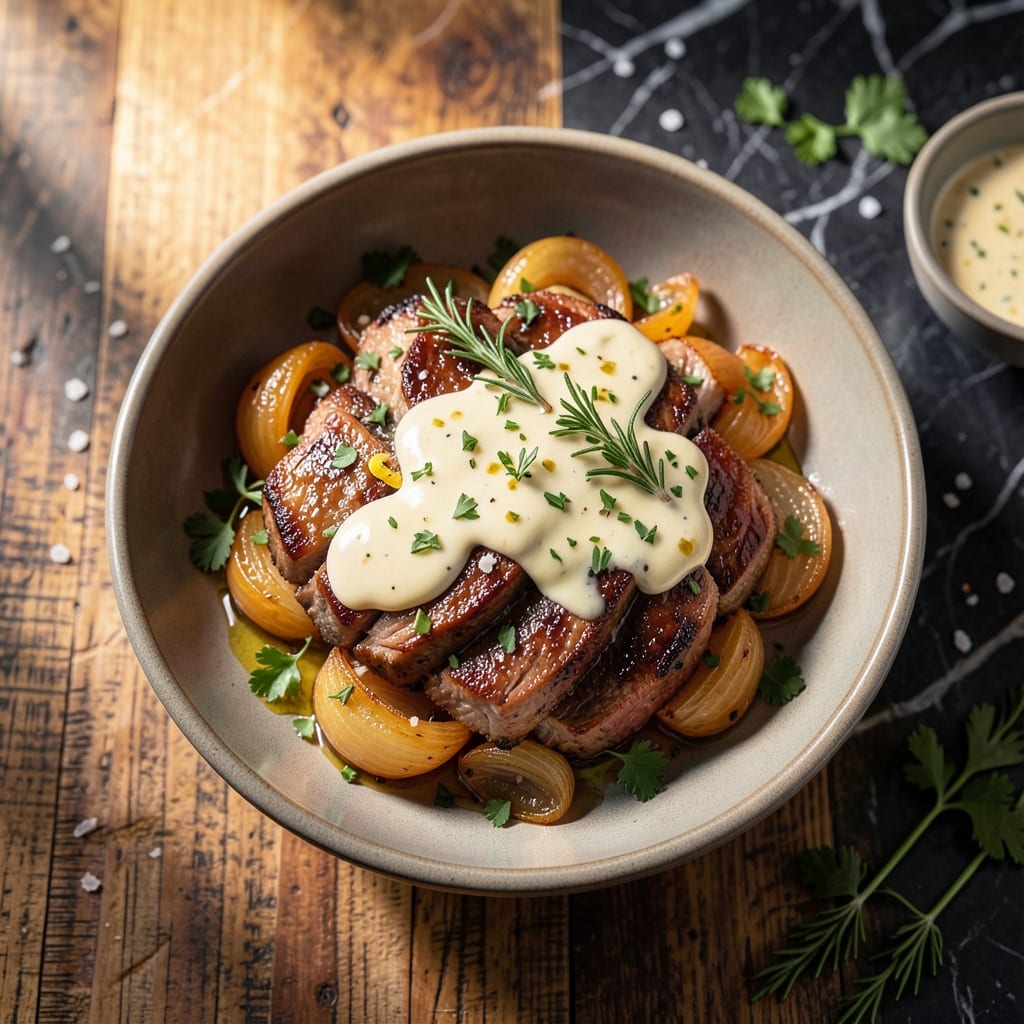
This baked beef liver and onions recipe transforms a classic into a restaurant-worthy dish with crispy edges and herb-infused richness. The secret lies in a simple marinade that tenderizes the liver while enhancing its natural flavor, paired with caramelized onions that add sweet depth. I've perfected this method to ensure the liver stays juicy, not dry, while achieving that coveted crispy exterior that makes every bite satisfying.
What sets this recipe apart is the balance of technique and simplicity. You'll start by searing the liver briefly to lock in juices, then finish baking it with onions until both are perfectly tender yet still holding their shape. The herbs—thyme, rosemary, and parsley—infuse the dish with aromatic notes that complement the liver's earthy flavor without overpowering it. This method delivers professional results in under an hour, making it ideal for a weeknight dinner that feels special.
The result is a dish that's rich, savory, and visually appealing—golden-brown liver slices with caramelized onions nestled alongside, ready to be served with mashed potatoes or crusty bread. The texture contrast between the crispy edges and tender interior is what makes this recipe truly stand out. It's a dish that feels indulgent yet remains approachable, perfect for those who appreciate bold flavors without complicated steps.
Pair this with a simple green salad or roasted vegetables to round out the meal. The liver's natural richness pairs beautifully with acidic elements like a tangy red wine reduction or a bright lemon butter sauce. Here's how to achieve that perfect balance of crispy, tender, and flavorful in every bite.
Ingredients for baked beef liver and onions
Herb-infused richness meets crispy edges with these quality ingredients for perfect baked beef liver.
| Ingredient | Amount | Notes |
|---|---|---|
| Beef Liver 🥩 | 1 ¼ lb | Fresh, evenly sliced pieces |
| Yellow Onions 🧅 | 2 whole | Medium size, sliced thin |
| Unsalted Butter 🧈 | ½ cup | Cold, cubed for searing |
| Fresh Thyme 🌿 | ¼ cup | Leaves only, finely chopped |
| Fresh Rosemary 🌿 | ⅛ cup | Leaves only, finely chopped |
| Fresh Parsley 🌿 | ⅛ cup | Flat-leaf, finely chopped |
| Garlic Cloves 🧄 | 4 cloves | Minced for marinade |
| Olive Oil 🫒 | 2 tbsp | Extra-virgin for marinade |
| Red Wine Vinegar 🍷 | 1 tbsp | For marinade acidity |
| Salt 🧂 | 1 tsp | Kosher or sea salt |
| Ground Black Pepper 🌶️ | ½ tsp | Freshly ground preferred |
| Dijon Mustard 🍯 | 1 tbsp | For marinade depth |
| All-Purpose Flour 🌾 | 2 tbsp | For dredging liver pieces |
The beef liver is the star—look for bright red, fresh cuts from the butcher section (not pre-packaged). Costco or local butchers often have the best quality. Avoid liver with yellowing edges or strong ammonia smell. Slice into even 1/2-inch pieces for consistent cooking. The onions should be sweet, firm yellow—avoid wilted or sprouting bulbs. I always grab Spanish onions if available for extra sweetness, but yellow works perfectly fine. Fresh herbs are non-negotiable here—their aroma is what transforms this into a restaurant-quality dish.
No fresh thyme? Dried works at one-third the amount, but the flavor won't be as bright. Substitute rosemary with fresh sage if needed, though the flavor profile shifts slightly. For the onions, red onions add color but less sweetness—use half red, half yellow if you want visual appeal. The butter must be unsalted (or salt is already accounted for). Running short on red wine vinegar? Apple cider vinegar at the same amount gives similar acidity. The Dijon mustard can be swapped for whole-grain mustard if preferred—just keep the same quantity for balance.
Store fresh liver in the coldest part of your fridge and use within 2 days for best texture. The herbs keep for 5-7 days wrapped in damp paper towels. Prep the marinade ahead—it keeps for 3 days in the fridge. For crispy edges, pat liver pieces dry before dredging in flour. Leftovers reheat beautifully—350°F for 10 minutes revives the crispy texture. Portion into single servings before freezing for easy reheating.
Why You'll Love This Recipe
- One-Pan Magic: I swear by this recipe when I’m too tired to scrub pots—just slice the onions, pat the liver dry, and let the butter and herbs do the work. The onions caramelize right alongside the liver, so you’re not stuck with a sink full of dishes.
- Rich & Earthy: The liver stays juicy with that perfect sear, while the onions turn sweet and jammy from the butter and rosemary. It’s not just flavor—it’s deep flavor, the kind that lingers and makes you want to close your eyes while eating.
- Budget Feast: A single liver serves four, and onions are cheap as dirt. I’ve made this for date night, potlucks, and even a lazy Sunday—no one ever guesses how affordable it is. (Between us, it’s my go-to when I need to stretch a meal without sacrificing taste.)
- Leftovers? Better: Honestly, I often want leftovers because this reheats like a dream—crispy edges soften just enough, and the herbs keep it fragrant. Pack it for lunch or freeze it; it’s just as good cold as it is hot. (Yes, even on a Tuesday night.)
Step-by-step instructions for baked beef liver and onions
Transform tender beef liver into a restaurant-quality dish with perfectly crisp edges and aromatic herbs.
Prepare the Herb Marinade
In a small bowl, combine the 2 tablespoons olive oil, 1 tablespoon red wine vinegar, 1 tablespoon Dijon mustard, 1 teaspoon salt, and ½ teaspoon ground black pepper. Whisk until fully emulsified. This acidulated base prevents the liver from overcooking while adding bright complexity.
Add the 4 cloves minced garlic cloves, ¼ cup finely chopped fresh thyme, ¼ cup finely chopped fresh rosemary, and ¼ cup finely chopped flat-leaf parsley. Mix thoroughly - you'll notice the herbs immediately infuse the marinade with vibrant green color and earthy aroma. Let this mixture sit at room temperature for 10 minutes to allow the flavors to meld.
Sear and Dredge the Liver
Preheat your oven to 375°F. Cut the 1.25 lb beef liver into ½-inch thick slices, creating 8-10 even pieces. Pat each slice completely dry with paper towels - moisture is the enemy of crispy edges. Place the slices in a shallow dish and pour half of the herb marinade over them. Turn to coat evenly.
In a separate bowl, combine the 2 tablespoons all-purpose flour with ¼ teaspoon additional salt. Lightly dredge each liver slice in the flour mixture, shaking off any excess. This creates a delicate crust that will develop into beautiful golden-brown edges during baking. Let the dredged slices rest for 5 minutes while you prepare the onions.
Layer the Baking Dish
Slice the 2 whole yellow onions into ¼-inch thick rings. Arrange half of the onion slices in a single layer on the bottom of a 9x13-inch baking dish. This creates a flavorful base that will caramelize slightly during baking. Drizzle half of the remaining herb marinade evenly over the onions.
Arrange the dredged liver slices in a single layer over the onions, leaving ½-inch space between each piece. This prevents overcrowding which would steam rather than crisp the liver. Pour the remaining herb marinade over the liver, coating all surfaces. The marinade should pool slightly at the bottom of the dish - this ensures the liver stays moist while developing crisp edges.
Bake to Crispy Perfection
Place the baking dish on the center rack of your preheated oven. Bake for 18-22 minutes until the liver reaches 145°F internally and the edges develop a deep golden-brown crust. The onions should be tender but still holding their shape, with slightly caramelized edges. You'll notice the aroma of herbs intensify as the liver cooks - this is your signal that the flavors are developing beautifully.
For the final 2 minutes of baking, increase the oven temperature to 400°F to maximize browning. This high-heat finish creates the crispy edges promised in the title. Remove from the oven and let rest for 5 minutes before serving - this allows the juices to redistribute, ensuring each bite remains tender and flavorful.
Pro Tips For Making Baked Beef Liver And Onions
- CRANK THE OVEN TO 425°F: I learned this the hard way—starting at 375°F leaves you with sad, undercooked liver. That high heat gets the crust going fast and seals in the juices before the onions turn to mush. Yes, it’s aggressive, but it’s the only way to avoid rubbery texture.
- SLICE LIVER EVENLY, ½-INCH THICK: Uneven slices = uneven cooking. Use a sharp knife and eyeball those pieces—no thicker than half an inch, or the center stays cold while the edges burn. If your liver’s thick, pound it gently first (yes, even if it looks messy).
- SALT THE LIVER 30 MINUTES EARLY: This isn’t optional. Sprinkle kosher salt all over the liver and let it sit uncovered in the fridge—it draws out moisture, so when it hits the oven, it crisps instead of steaming. Skip this, and you’ll end up with a greasy, limp mess.
- CARAMELIZE ONIONS FIRST, THEN BAKE: I was skeptical until I tried it: Sauté the onions in butter until deep golden before baking. They’ll add sweetness and prevent the dish from tasting like raw onion. Just 8-10 minutes on medium heat—don’t walk away.
Storing and reheating this baked beef liver and onions
Refrigerator Storage
Store any leftovers in an airtight container for up to 3 days in the refrigerator. I recommend using glass containers with tight-sealing lids to maintain moisture and prevent the liver from absorbing fridge odors. The crispy edges will soften slightly but can be revived with a quick 350°F oven toast for 5-7 minutes before serving. 🥬
Freezer Prep Tips
For longer storage, freeze portions in single-serving portions on a tray lined with parchment paper. Once frozen solid, transfer to ziplock freezer bags, squeezing out excess air. This method preserves texture for up to 3 months. Thaw overnight in the fridge before reheating. I always label bags with the date to track freshness.
Reheating for Crispy Edges
To revive that perfect crispy texture, place liver slices on a baking sheet lined with parchment paper. Drizzle lightly with olive oil and broil for 3-4 minutes until edges turn golden again. This high-heat method mimics the original baking process. For onions, reheat separately in a pan with 1 tablespoon butter over medium heat for 5 minutes.
Portion Control Matters
When storing, divide liver and onions separately to maintain their distinct textures. I use small ramekins for individual portions—this makes reheating easier and prevents soggy onions. For best results, reheat liver and onions together in the oven for 10 minutes at 350°F to blend flavors again. This keeps the dish cohesive.
Fridge Life Hacks
If you notice the liver losing its crispiness after storage, sprinkle with 1 teaspoon water and cover tightly. The steam helps restore some crunch. For onions, add a damp paper towel when storing to prevent drying. These simple tricks extend freshness while keeping the dish restaurant-quality. 💡
Make-Ahead Baking
Prep the entire dish ahead and bake fresh when ready to serve. Assemble the baking dish as directed, but underbake by 2 minutes (16-18 minutes total). Cover tightly with foil and refrigerate. When ready to finish, bake at 400°F for 6-8 minutes—this ensures perfect crispy edges without overcooking. This method saves time while delivering consistent results.
Nutrition facts
Frequently asked questions
Why does beef liver need to be marinated before baking?
The marinade serves two key purposes: tenderizing the liver's dense texture and preventing it from overcooking. The acidity in red wine vinegar and Dijon mustard breaks down proteins, while the herbs infuse flavor. Skipping this step risks dry, tough liver—especially important since it cooks quickly. The marinade also creates a flavor bridge between the liver's natural richness and the caramelized onions.
Can I substitute chicken or pork liver for beef?
Yes, but with adjustments! Chicken liver is milder and cooks faster (12-15 minutes at 375°F), while pork liver benefits from 5 extra minutes of baking. The key difference is texture—beef liver holds its shape better when crisped. For any liver, reduce marinade time to 5 minutes (chicken liver absorbs flavors faster). Avoid duck liver—it's too fatty for this method and requires different preparation.
What's the best way to test if the liver is done?
Use a meat thermometer to check for 145°F internal temperature—this ensures perfect doneness without overcooking. The edges should be golden-brown and crisp, while the center remains slightly pink (liver continues cooking after removal). For visual confirmation, cut into a piece: it should be tender but not mushy. Overcooked liver turns gray and dry—so pull it out just before it reaches 150°F.
Can I make this dish ahead of time?
Assemble the baking dish completely, then refrigerate uncovered for 1 hour before baking. This cold start prevents soggy onions. For make-ahead meals, bake as directed but stop at 16 minutes. Store covered at room temperature for up to 4 hours, then finish baking at 400°F for 6-8 minutes before serving. The flavor actually improves overnight as ingredients meld.
What's the best way to serve this dish?
Pair with classic sides that complement the liver's richness: creamy mashed potatoes, crusty sourdough bread, or buttery egg noodles. For contrast, add a bright element like a simple arugula salad with lemon vinaigrette. The crispy edges work beautifully with a drizzle of balsamic reduction or hollandaise sauce. Serve immediately after baking while the onions are still slightly caramelized.