
Soups & Stews
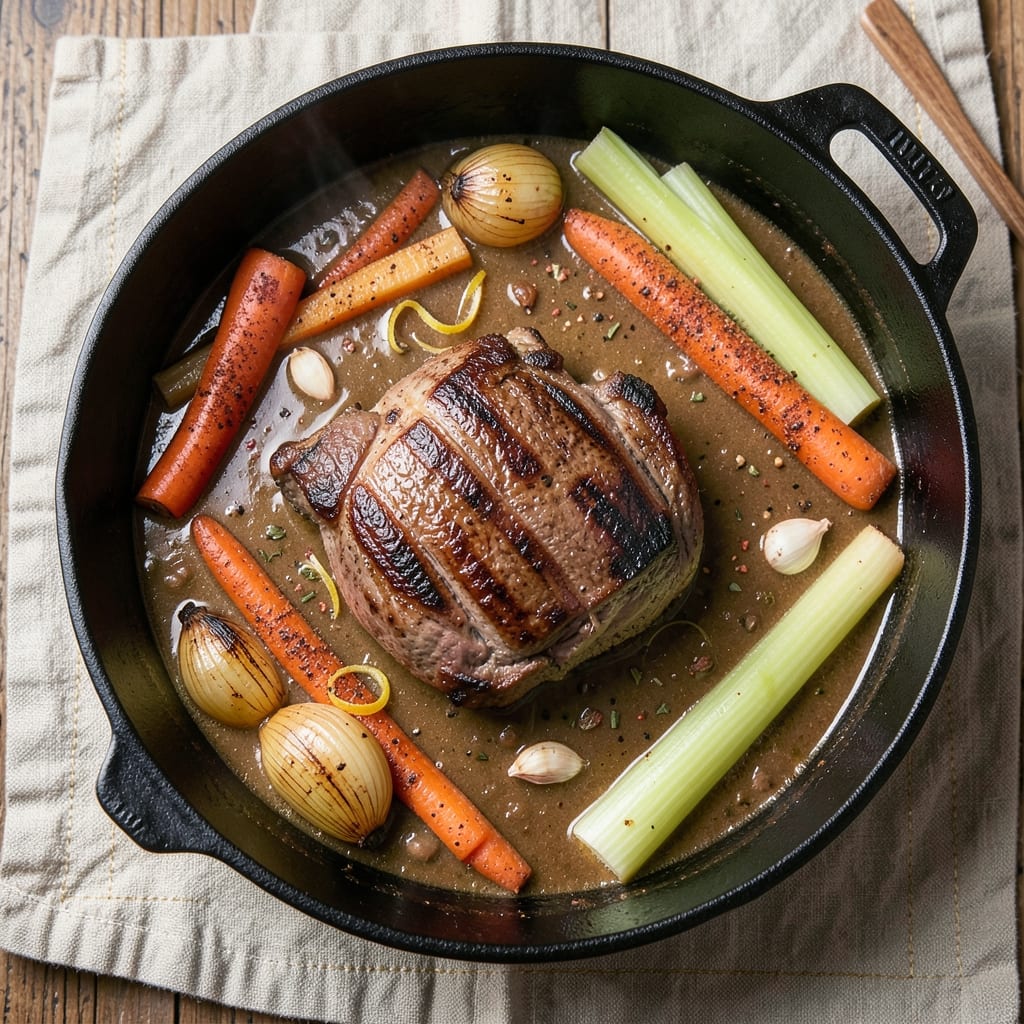
This African American beef stew recipe brings generations of soul food tradition to your kitchen, where deep onion caramelization and slow-simmered beef create rich, comforting flavors. The secret lies in layering spices and cooking low and slow, transforming tough cuts into melt-in-your-mouth tenderness that begs for seconds. I've perfected this version to honor its roots while making it accessible for modern home cooks—no shortcuts, just authentic taste.
What sets this stew apart is the balance of bold spices—smoky paprika, warm cinnamon, and earthy thyme—infused into the onions before they caramelize into sweet, golden depth. The beef simmers until fork-tender, absorbing flavors while the vegetables soften just enough to hold their shape. This isn't just a meal; it's a taste of history, passed down through family tables where every spoonful tells a story.
By the time you serve this stew, your kitchen will smell like home, and your guests will taste the love poured into every ingredient. The rich broth clings to each bite, while the vegetables add texture and color, making it a complete dish that pairs perfectly with cornbread or collard greens. It's the kind of meal that turns ordinary weeknights into special gatherings.
Ready in about 3 hours (mostly hands-off time), this stew delivers restaurant-quality results without the fuss. The key is patience—letting flavors meld and develop over time creates a depth you can't rush. Whether you're feeding a crowd or savoring a quiet dinner, this recipe delivers soul food perfection that feels like a hug in a bowl.
Ingredients for african american beef stew
These soulful ingredients transform tough beef into melt-in-your-mouth tenderness with deep, caramelized onion flavors.
| Ingredient | Amount | Notes |
|---|---|---|
| Chuck Roast 🥩 | 3 lb | Well-marbled for tenderness |
| Yellow Onions 🧅 | 3 whole | Thinly sliced for caramelization |
| Carrots 🥕 | 4 whole | Baby or regular, peeled |
| Celery Stalks 🌿 | 4 whole | Chopped into 1-inch pieces |
| Garlic Cloves 🧄 | 6 cloves | Minced for aromatic base |
| Smoked Paprika 🌶️ | 2 tbsp | For deep smoky flavor |
| Ground Cumin 🌿 | 1 tbsp | Toasted for warmth |
| Ground Cinnamon 🌿 | 1 tsp | Adds subtle sweetness |
| Dried Thyme 🌿 | 1 tbsp | Earthy depth preferred |
| Salt 🧂 | 1 ½ tsp | Kosher or sea salt |
| Black Pepper 🌶️ | 1 tbsp | Freshly ground preferred |
| Beef Broth 💧 | 4 cups | Low-sodium preferred |
| Tomato Paste 🍅 | 2 tbsp | For richness and depth |
| Bay Leaves 🌿 | 2 whole | Fresh for best flavor |
| All-Purpose Flour 🌾 | 1 tbsp | For thickening broth |
The chuck roast is the heart of this stew—look for good marbling at the butcher counter or grocery store meat section. Costco or Whole Foods usually have the best quality, but any reputable supermarket will do. If you're buying a whole roast, ask for it to be cut into 1.5-inch chunks for even cooking. The onions are non-negotiable: yellow onions caramelize best, and you'll want to slice them paper-thin for maximum sweetness. For the spices, Penzeys or local spice shops carry the best quality, but the grocery store brands work fine if they're fresh. Quick test: if your spices smell like dust, toss them. The tomato paste? San Marzano is ideal, but any quality brand in a tube works—no need for cans here.
No smoked paprika? Substitute half the amount with regular paprika plus a pinch of cayenne for heat. The cumin can be toasted in a dry pan for 30 seconds to deepen its flavor—worth the extra minute. Short on thyme? Oregano works at the same amount, though it's not traditional. The beef broth is crucial—low-sodium is key so you can control the saltiness. If you're using bouillon cubes, use half the recommended amount. For the flour, King Arthur or Gold Medal brands are reliable, but any all-purpose will do. The bay leaves? Fresh is best, but dried works in a pinch—just double the amount. And if you're worried about the stew being too thick, remember you can always add more broth later.
This stew tastes even better the next day—plan ahead. Store it in an airtight container in the fridge for up to 5 days, or freeze portions for 3 months. I like to portion it into individual containers so I can grab a meal for lunch all week. The onions and carrots can be prepped ahead and stored in the fridge for 3 days before cooking. The spices? Keep them in a cool, dark place for up to 6 months. And if you make a big batch, freeze half right away—soul food for lazy days.
Why You'll Love This Recipe
- One-Pot Magic: I swear by this stew because it’s a single pot deal—no chopping chaos, no extra pans. Toss in the onions, carrots, celery, and garlic straight from the bag (or pre-chopped if you’re lazy), dump in the chuck roast, and let the slow cooker or Dutch oven do the work. Honestly, I’ve made it while watching TV, answering emails, or pretending to pay attention to a meeting.
- Deep, Smoky Richness: That chuck roast? It melts into tender, pull-apart perfection—no tough bites, just flavor. The onions caramelize just enough to add sweetness, while the garlic and celery build layers of warmth. Between us, the first bite always makes me pause mid-spoonful because it’s that good.
- Leftovers That Save Lives: This stew tastes even better the next day—yes, really. I make a double batch on Sundays and freeze half for those nights when I’m too tired to cook. Reheat it, grab some cornbread, and suddenly, dinner’s solved. My kids call it “mom’s emergency food,” and I don’t correct them.
- Budget-Friendly Crowd-Pleaser: Chuck roast is cheap, and this recipe stretches it into generous portions. Feed six for under $15, or make it for two and have leftovers for days. It’s the kind of dish that makes you look like a hero at potlucks—no fancy ingredients, just pure, satisfying comfort. (Yes, even on a Tuesday night.)
Step-by-step instructions for African American beef stew
Here's how to build rich, soulful flavors layer by layer in this slow-cooked masterpiece.
Sear the Chuck Roast for Deep Flavor
Pat the 3 lb chuck roast completely dry with paper towels—this ensures a perfect crust. Heat a large Dutch oven over medium-high heat and add just enough oil to coat the bottom lightly. Place the roast in the pot and sear for 4 minutes per side until it develops a rich, golden-brown crust. This step locks in juices and builds the foundation for the stew's depth of flavor.
Once browned, remove the roast and set it aside. The browned bits left in the pot (fond) will dissolve into the stew later, creating a more complex flavor. If needed, wipe out the pot with a paper towel to remove any excess oil that could make the stew greasy.
Caramelize the Onions for Sweetness
In the same Dutch oven, add 3 whole yellow onions that have been thinly sliced. Cook them over medium heat for 10-12 minutes, stirring occasionally, until they turn a deep golden brown. This caramelization process transforms the onions from bitter to sweet, adding a rich, almost jam-like quality to the stew.
Here's the thing—don't rush this step. You'll know the onions are ready when they're soft, sweet-smelling, and have darkened significantly. If they start to burn, reduce the heat slightly and continue cooking. Once caramelized, remove the onions and set them aside with the roast.
Build the Aromatic Base
In the same pot, add 4 whole carrots (peeled and chopped into 1-inch pieces), 4 whole celery stalks (chopped into 1-inch pieces), and 6 cloves garlic (minced). Cook over medium heat for 5-6 minutes, stirring occasionally, until the vegetables soften slightly and the garlic becomes fragrant. This step ensures the vegetables release their natural sweetness and flavors.
Next, sprinkle in 2 tbsp smoked paprika, 1 tbsp ground cumin, 1 tsp ground cinnamon, 1 tbsp dried thyme, 1.5 tsp salt, and 1 tbsp black pepper. Stir everything together for 1 minute to toast the spices and let their aromas infuse the vegetables. This combination of spices creates the signature warmth and depth that makes this stew so special.
Simmer the Stew to Perfection
Return the seared chuck roast and caramelized onions to the Dutch oven. Stir in 4 cups beef broth and 2 tbsp tomato paste, scraping up any browned bits from the bottom of the pot. Bring the mixture to a boil, then reduce the heat to low and cover the pot. Let it simmer for 2.5 hours, stirring occasionally, until the meat is fork-tender and easily pulls apart.
About 30 minutes before the stew is done, stir in 2 whole bay leaves and 1 tbsp all-purpose flour. The flour will help thicken the stew slightly, giving it a richer, more velvety texture. If the stew becomes too thick, you can thin it out with a splash of water or additional broth.
Finish and Serve with Confidence
Once the stew is fully cooked, remove the bay leaves and adjust the seasoning if needed—add more salt or pepper if the flavors aren't quite balanced. Taste the stew and make any final adjustments to ensure it's rich, flavorful, and perfectly seasoned.
Serve the stew hot, straight from the pot, with crusty bread or over mashed potatoes. The slow cooking ensures that every bite is tender and packed with deep, soulful flavors. This dish tastes even better the next day, so don't hesitate to make extra for leftovers—it's that good.
Pro Tips For Making African American Beef Stew
- SEAR THE ROAST FIRST: After browning the chuck roast in batches (yes, it’s messy but worth it), pull it out and let it rest while you prep the onions and celery. That crust locks in flavor—don’t skip it, even if the pan’s crowded. I used to rush this, and the stew always tasted like it needed more seasoning.
- CUT ONIONS IN HALVES: Quartering yellow onions is fine, but for this stew, slice them into ½-inch thick wedges instead. They soften faster, blend into the sauce better, and won’t turn to mush like thin slices do. Trust me, your stew will taste richer without extra prep.
- DON’T OVERCROWD THE POT: If you’re using a Dutch oven, start with the roast, onions, and half the carrots/celery. Add the rest later—packing the pot too tight steams the veggies instead of caramelizing them. I learned this after making a stew that tasted more like soup.
- USE WHOLE GARLIC CLOVES: Peel and smash them flat with the side of your knife instead of mincing. They infuse the stew more evenly without burning, and you won’t taste raw garlic. Sounds weird, but it works—my grandmother swore by it, and the flavor’s deeper.
Storing and reheating this african american beef stew
Refrigerator Storage
Let your stew cool to room temperature for no more than 2 hours before storing. Transfer it to an airtight container—I love using glass Pyrex with snap-on lids—then refrigerate for up to 5 days. The flavors actually deepen overnight as the spices meld, making it even more comforting the next day. 💫
For best results, store the stew while still warm but not piping hot. This helps prevent condensation buildup, which can dilute flavors. If you notice any liquid on top after refrigerating, stir it back in before reheating. The onions and carrots will soften further, but that’s part of the charm!
Freezer Storage
Portion your stew into quart-sized freezer bags or glass containers before freezing. Squeeze out excess air to prevent freezer burn, and label each container with the date. This stew freezes beautifully for up to 3 months, though I’ve had it last 4 months with no quality loss. 🥶
For easy reheating later, freeze individual portions in single-serving containers. This way, you can grab a meal straight from the freezer without thawing the whole batch. Just add a splash of water or broth when reheating to restore the perfect consistency.
Stovetop Reheating
My preferred method is stovetop reheating because it preserves texture and depth. Transfer the stew to a pot and heat over medium-low heat for 10-15 minutes, stirring occasionally. If it looks thick, add ¼ cup beef broth or water to loosen it up. Taste and adjust seasoning—stews often need a pinch of salt after reheating. 🔥
For extra richness, cover the pot with a lid and let the steam work its magic. If you’re reheating from the fridge, give it a good stir first to redistribute any settled flavors. The result? A stew that tastes almost as good as the day it was made!
Microwave Reheating
For quick meals, microwave individual portions in a microwave-safe bowl on medium power for 2-3 minutes, stirring halfway through. Cover loosely with a damp paper towel to retain moisture. If your microwave is powerful, reduce the time to 1-2 minutes to avoid overcooking. 💡
After microwaving, give the stew a taste—it might need a splash of broth or water to restore its velvety texture. Stir in a pat of butter or a drizzle of olive oil if it looks dry. This method is perfect for busy weeknights when you need a soulful meal fast!
Nutrition facts
Frequently asked questions
Can I substitute chuck roast with another beef cut?
For best results, use brisket or stew beef—both have excellent marbling. Avoid lean cuts like sirloin, as they won't become tender. If using brisket, trim excess fat first and cut it into 1.5-inch chunks for even cooking. The key is choosing a cut with connective tissue that breaks down during slow cooking.
How do I adjust the recipe for a slow cooker?
Transfer the seared beef, caramelized onions, and all other ingredients to your slow cooker. Cook on low for 7-8 hours or high for 4-5 hours. The longer cook time works perfectly with the tenderizing process. Skip the flour—stews naturally thicken in slow cookers. Add bay leaves 1 hour before serving.
What makes this stew different from other beef stews?
This recipe incorporates traditional African American techniques: deep onion caramelization for sweetness, smoked paprika and cinnamon for warmth, and slow simmering to develop rich flavors. The combination of spices creates a unique depth that's distinct from classic French or Irish stews. The tomato paste adds subtle richness without overpowering.
Can I make this stew in a pressure cooker?
Yes! After searing the beef and caramelizing the onions, add all ingredients (including flour) to your pressure cooker. Cook on high pressure for 45 minutes, then do a natural release. The meat will be incredibly tender, but the vegetables will soften more quickly. For best texture, serve immediately with crusty bread.
What sides pair best with this stew?
Classic pairings include cornbread, mashed potatoes, or steamed collard greens. For a heartier meal, serve with buttered egg noodles or crusty sourdough bread. The rich stew balances perfectly with lighter sides that can soak up the flavorful broth.