
Soups & Stews
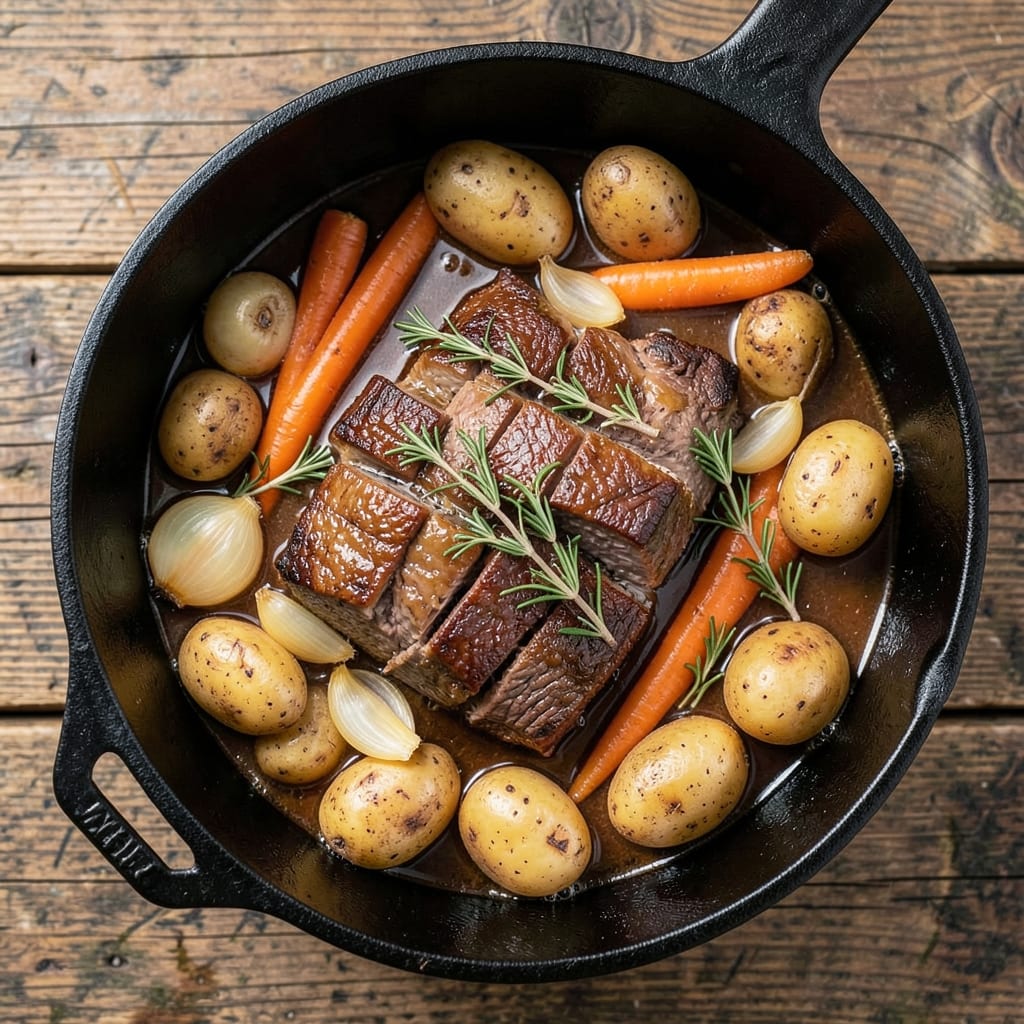
This six-hour beef stew recipe transforms tough cuts into melt-in-your-mouth perfection through slow, deep umami development. The key lies in patience—allowing flavors to meld over time while root vegetables caramelize into sweet, tender bites. Every step is designed to maximize tenderness and depth, ensuring a restaurant-quality result at home.
The foundation begins with a proper sear on beef chuck, locking in juices before a slow simmer in rich broth. Carrots, potatoes, and onions break down into velvety textures, while herbs and aromatics build complex layers. The long cook time isn't just about time—it's about transforming simple ingredients into something extraordinary through controlled heat and technique.
By the final hour, your kitchen will fill with an aroma that announces dinner is ready. The beef will pull apart effortlessly, the vegetables will be fork-tender with caramelized edges, and the broth will be thickened into a velvety sauce. This isn't just stew—it's a comforting, hearty masterpiece that warms both body and soul.
Serve with crusty bread to soak up every last drop of that flavorful broth. The slow-cooked magic continues even after serving, as flavors deepen with each bite. Perfect for chilly evenings or special gatherings, this beef stew proves that great food rewards those willing to wait.
Ingredients for 6 hour beef stew
Six ingredients form the foundation; patience transforms them into restaurant-quality beef stew perfection.
| Ingredient | Amount | Notes |
|---|---|---|
| Beef Chuck Roast 🥩 | 3 lb | Well-marbled, cut into 1.5-inch cubes |
| Yellow Onions 🧅 | 2 whole | Medium, sliced into 0.5-inch wedges |
| Carrots 🥕 | 4 whole | Medium, peeled and cut into 1-inch chunks |
| Russet Potatoes 🥔 | 3 lb | Peeled, cut into 1.5-inch chunks |
| Garlic Cloves 🧄 | 8 cloves | Peeled, smashed with side of knife |
| Fresh Thyme Sprigs 🌿 | 4 whole | Stems removed, leaves stripped |
| Fresh Bay Leaves 🌿 | 2 whole | Dried bay leaves work if fresh unavailable |
| Tomato Paste 🍅 | ½ cup | High-quality, not watery |
| Dry Red Wine 🍷 | 1 cup | Bold, like Cabernet Sauvignon |
| Beef Broth 💧 | 6 cups | Homemade or high-quality store-bought |
| Olive Oil 🫒 | 2 tbsp | Extra-virgin for searing |
| Salt 🧂 | 2 tsp | Diamond Crystal kosher salt |
| Ground Black Pepper 🌶️ | 1 tsp | Freshly cracked preferred |
| All-Purpose Flour 🌾 | 1 tbsp | For thickening broth |
| Fresh Parsley 🌿 | ¼ cup | Chopped, for garnish |
The beef chuck roast is non-negotiable—look for well-marbled cuts with visible fat flecks, which render into flavor during the long cook. Costco or high-end butchers typically carry the best quality; avoid leaner cuts like sirloin, as they won't develop the same tenderness. For vegetables, Russet potatoes (not waxy) break down beautifully, while carrots should be firm with vibrant orange color. The tomato paste matters more than you'd think—San Marzano or Mueller's brands deliver concentrated umami without bitterness. Fresh thyme and bay leaves elevate the dish beyond basic seasoning, so don't substitute with dried unless absolutely necessary.
No red wine? Dry sherry or beef broth work in a pinch, though the wine adds depth. The beef broth should be homemade if possible—store-bought brands like Kitchen Basics or Annie's are acceptable but lack complexity. For the flour, King Arthur or Bob's Red Mill all-purpose work best for thickening without altering flavor. Substituting celery root for potatoes adds earthiness, while mushrooms (8 oz, sliced) can replace half the onions for extra umami. If you're short on time, pre-cut frozen root vegetables (like Green Giant) save chopping effort without sacrificing texture.
The beef and vegetables keep best in the coldest part of your fridge for 2 days before cooking. Once braised, the stew reheats beautifully—gentle simmer only to avoid breaking down the meat further. For make-ahead convenience, portion into airtight containers and freeze for up to 3 months. The flavor actually improves after 24 hours as the meat continues tenderizing. Store the broth separately if you prefer it less reduced, as it thickens upon reheating. Fresh parsley should be added just before serving to preserve its vibrant color and bright notes.
Why You'll Love This Recipe
- Set-and-Forget Magic: I swear by this slow cooker method—chop the veggies, dump everything in, and walk away. The chuck roast practically melts into tender perfection while you handle real life.
- Deep, Rich Flavor: That beef chuck roast? It turns fork-tender, soaking up the caramelized onions and garlic until every bite is ridiculously satisfying. The potatoes get that perfect creamy-crisp edge—trust me, you’ll lick the plate.
- Weeknight Workhorse: Between us, this is my go-to when I’m too tired to think. Serve it over crusty bread for dinner, pack leftovers for lunches, or even freeze portions—it’s the ultimate lazy-but-impressive meal.
- Budget-Friendly Feast: A single chuck roast stretches across multiple meals, and the veggies? Basic, affordable staples. Honestly, I’ve fed a houseful of hungry teens (and their friends) for under $15—no fancy ingredients, just pure comfort.
Step-by-step instructions for six-hour beef stew
A rich, deeply flavorful beef stew requires patience and precise technique. Here's how to create a braise with perfectly tender meat and caramelized vegetables.
Sear the Beef Chuck Roast for Maximum Flavor
Pat the 3 lb Beef Chuck Roast completely dry with paper towels—this ensures a proper sear. Heat a heavy Dutch oven over medium-high heat until hot, then add 2 tbsp Olive Oil. Working in batches if needed, add the beef cubes and sear undisturbed for 3-4 minutes per side until deeply browned with a crust forming.
Don't rush this step. The Maillard reaction happening now creates the deep, savory foundation of your stew. Once all pieces are browned, transfer them to a plate and set aside. You'll notice the beef releases easily from the pan when properly seared—this indicates the crust is set.
Build the Flavor Base with Aromatics and Wine
In the same Dutch oven (no need to clean it—the browned bits are flavor gold), add the 2 whole Yellow Onions and 4 whole Carrots cut into chunks. Cook for 5-6 minutes, stirring occasionally, until the onions soften and begin to caramelize. Add the 8 cloves Garlic Cloves and cook for 30 seconds until fragrant.
Deglaze the pan immediately by pouring in the 1 cup Dry Red Wine, scraping up all those precious browned bits from the bottom. Let the wine simmer for 2-3 minutes until reduced by half. This step extracts maximum flavor from the wine, creating a rich foundation for your stew. The alcohol will cook off completely during the braising process.
Develop the Sauce with Tomato Paste and Herbs
Stir in the 0.5 cup Tomato Paste and cook for 1 minute until it darkens slightly. Sprinkle the 1 tbsp All-Purpose Flour over the mixture and stir vigorously for 30 seconds to remove any raw flour taste. Pour in the 6 cups Beef Broth, scraping the bottom again to incorporate all the flavorful bits.
Add the 4 whole Fresh Thyme Sprigs, 2 whole Fresh Bay Leaves, 2 tsp Salt, and 1 tsp Ground Black Pepper. Bring the mixture to a gentle simmer, then return the seared beef to the pot. The liquid should cover the beef by about an inch—if not, add a little water. This ensures the meat cooks evenly without drying out.
Braise Until Meat is Fork-Tender
Cover the Dutch oven and transfer to a 325°F oven. Braise for 3 hours, then add the 3 lb Russet Potatoes cut into chunks. Return to the oven and cook for an additional 2-3 hours until the beef is fork-tender and pulls apart easily. The potatoes should be soft but still hold their shape.
Here's the key: the beef is done when it reaches 205°F internally and a fork slides through with minimal resistance. The long cooking time breaks down the tough connective tissue, transforming it into melt-in-your-mouth tenderness. Check periodically after 5 hours—your oven may run hot or cold.
Finish and Garnish for Presentation
Remove the stew from the oven and discard the thyme sprigs and bay leaves. Taste and adjust seasoning if needed—sometimes the broth needs more salt or pepper. The stew should be rich but not overly salty. Skim off any excess fat that has risen to the surface if desired.
Ladle the stew into bowls and garnish with 0.25 cup Fresh Parsley chopped. The parsley adds a bright contrast to the deep, umami flavors. Serve immediately with crusty bread or over mashed potatoes to soak up every last drop of that luxurious braising liquid. The aroma alone will have everyone gathered at your table.
Pro Tips For Making 6 Hour Beef Stew
- SEAR THE CHUCK FIRST: I learned this the hard way—skipping the sear means flavorless stew. After browning the beef chuck in batches (yes, it takes time), you’ll get that rich, caramelized crust that dissolves into the broth. Use a heavy pot and medium-high heat; don’t rush it, or you’ll end up with gray meat.
- CUT POTATOES UNIFORM: Russets break apart when overcooked, turning to mush. Cut them into 1.5-inch chunks—big enough to hold shape but small enough to soften in 6 hours. If you’re lazy (I know, I know), use a mandoline for consistency. Uneven pieces mean some will be rock-hard while others fall apart.
- ADD GARLIC LATE: Garlic burns faster than you think, and bitter garlic ruins stew. Toss the whole cloves (peeled) in during the last 30 minutes of cooking. They’ll soften perfectly without turning acrid. No need to smash them—just let them infuse whole.
- SALT THE POTATOES: This isn’t the prettiest method, but it’s the tastiest. Toss the raw potato chunks in a bowl with 1 teaspoon of salt before adding them to the stew. It keeps them from turning gluey and adds a subtle depth to the whole dish. (Your future self will thank you.)
Flavor customization for this 6 hour beef stew
Spice Level Control
Adjust heat to your preference by adding ½ to 1 teaspoon of smoked paprika when deglazing with wine. For a smoky kick, swap half the beef broth for chicken broth and add 1 bay leaf + ½ tsp smoked paprika. If you love heat, stir in 1-2 teaspoons of hot sauce (like Cholula) in the final 30 minutes of cooking. 🌶️
Herb Variations
Swap the thyme for rosemary (2 sprigs) for a piney aroma, or add 1 tsp dried oregano with the tomato paste. For a French-inspired twist, include 1 sprig fresh tarragon and reduce thyme to 2 sprigs. Fresh herbs like parsley or cilantro should always be added at the end to preserve their brightness.
Sweet & Tangy Twists
Balance richness with ½ cup apple cider instead of wine, or add 1 diced apple with the potatoes for natural sweetness. For tang, stir in 1 tbsp balsamic vinegar during the last 15 minutes of cooking. A splash of lemon juice at serving time brightens the dish beautifully. 🍎
Umami Boosters
Elevate depth with 2 tbsp soy sauce (or coconut aminos) when adding broth, or stir in 1 tbsp fish sauce for an authentic Thai-inspired touch. For vegetarian umami, add 1 tbsp miso paste with the tomato paste. A handful of dried shiitake mushrooms (rehydrated) adds earthy complexity without extra prep. 🍄
Regional Adaptations
For a French-style version, replace wine with 1 cup beef broth + 1 tbsp brandy, and add 1 small pear with the potatoes. A German-inspired twist uses 2 tbsp beer (like Weissbier) instead of wine and includes ½ cup sauerkraut in the final hour. The Caribbean version swaps potatoes for green bananas and adds scotch bonnet peppers for heat. 🌍
Dairy & Creamy Options
Stir in ½ cup heavy cream during the last 15 minutes for a French onion soup vibe, or top each serving with crumbled blue cheese (like Gorgonzola) and extra parsley. For a Cajun touch, whisk in 2 tbsp cream cheese at the end and garnish with green onions. Always add dairy at the very end to prevent curdling. 🧀
Nutrition facts
Frequently asked questions about six-hour beef stew
Why does this stew need to cook for 6 full hours?
The long cooking time is essential for transforming tough beef chuck into melt-in-your-mouth tenderness. At 325°F, the collagen in the meat breaks down slowly, creating a velvety texture, while the vegetables develop deep caramelized flavors. This patient approach builds complex umami layers that quick cooking simply can't achieve.
Can I use a slow cooker instead of an oven?
Yes! Follow the same searing steps, then transfer everything to a slow cooker and cook on Low for 8 hours or High for 5-6 hours. The potatoes should go in during the last 2 hours of cooking. The slow cooker's gentle heat works perfectly for this recipe, though the oven version gives you more control over caramelization.
What if my beef isn't tender after 6 hours?
Check the internal temperature—it should reach 205°F. If not, return the stew to 300°F for another 1-2 hours until fork-tender. For extra insurance, add ½ cup hot water if the liquid gets too thick. Never rush this step; the meat will continue tenderizing even after removing from heat.
How can I make this stew ahead of time?
This stew actually tastes better the next day! Let it cool completely, then refrigerate in an airtight container for up to 3 days. Reheat gently on the stove over low heat with a splash of water or broth to prevent drying. For freezing, portion into containers and freeze for up to 3 months. Thaw overnight in the fridge before reheating.
What's the best way to reheat leftovers?
Never microwave—it creates rubbery meat. Instead, reheat on the stovetop over medium-low heat for 10-15 minutes, stirring occasionally and adding a splash of broth if needed. For even better results, transfer to a baking dish, cover with foil, and bake at 300°F for 20-25 minutes. This preserves the texture and prevents the broth from separating.