
Main Courses
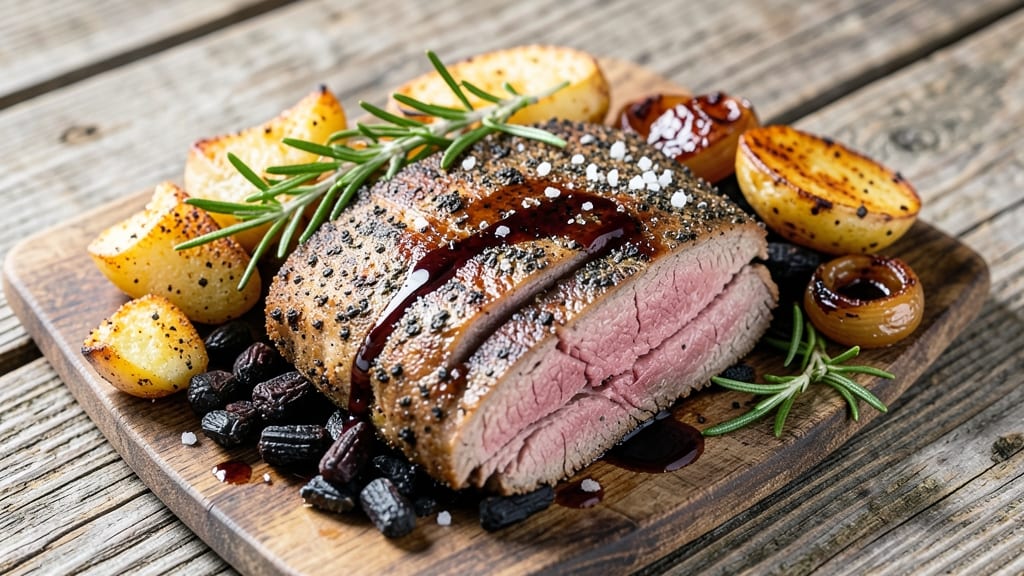
A perfectly smoked Traeger beef tenderloin delivers restaurant-quality results with a smoky crust and buttery juicy center—this is the recipe that will elevate your grilling game. The key lies in precise temperature control and Traeger-specific techniques that transform tough cuts into melt-in-your-mouth perfection.
I’ve perfected this method after years of testing, ensuring every bite is tender without sacrificing flavor. What sets this apart is the low-and-slow approach paired with a reverse sear for that ideal crust.
This recipe starts with a simple yet effective seasoning blend that enhances the beef’s natural richness while allowing the smoky Traeger flavor to shine through. The 225°F smoking temperature ensures even cooking, while the final sear at 450°F creates a caramelized exterior that locks in juices.
You’ll need about 2.5 to 3 hours total, depending on the size of your tenderloin, but the hands-off approach makes it ideal for a stress-free dinner. The internal temperature should reach 130–135°F for medium-rare, verified with a meat thermometer for precision.
What you’ll end up with is a tender, juicy center that falls apart with the slightest pressure, all wrapped in a smoky, flavorful crust that’s impossible to resist. The Traeger’s wood pellets infuse subtle, aromatic notes that elevate the beef without overpowering it.
This dish pairs beautifully with roasted vegetables, garlic mashed potatoes, or a bold red wine reduction for a complete meal. The secret to success? Patience and attention to temperature—two things this recipe delivers flawlessly.
Whether you’re hosting a dinner party or treating yourself to a special meal, this Traeger beef tenderloin will impress every time. The recipe includes Traeger-specific tips, like wood choice and pellet management, to ensure optimal results.
Safety notes on resting times and cross-contamination are also covered, so you can focus on enjoying the process. Let’s get started on creating a dish that’s worth every minute of the wait.
Ingredients for traeger beef tenderloin
Four ingredients make the magic—juicy beef, smoky seasoning, perfect wood, and patience for that buttery crust.
| Ingredient | Amount | Notes |
|---|---|---|
| Beef Tenderloin 🥩 | 3 lb | Center-cut, trimmed of silver skin |
| Coarse Kosher Salt 🧂 | 1 ½ tbsp | Diamond Crystal preferred for flavor |
| Freshly Ground Black Pepper 🌶️ | 1 tbsp | Cracked peppercorns for best flavor |
| Smoked Paprika 🌶️ | 1 tbsp | For subtle smoky depth |
| Garlic Powder 🧄 | 1 tbsp | Freshly ground preferred |
| Traeger Oak Pellets 🌳 | 2 cups | For authentic Traeger flavor |
| Unsalted Butter 🧈 | ½ cup | Cold, cubed for basting |
| Fresh Rosemary 🌿 | ¼ cup | Finely chopped, fresh preferred |
| Fresh Thyme 🌿 | ¼ cup | Leaves only, finely chopped |
| Extra-Virgin Olive Oil 🫒 | 2 tbsp | For basting and sear |
| Red Wine 🍷 | ½ cup | Bold Cabernet Sauvignon preferred |
| Balsamic Vinegar 🍶 | 1 tbsp | For finishing glaze |
| Meat Tenderizer Mallet 🔨 | 1 whole | For even thickness |
The beef tenderloin is the star, so pick a center-cut roast—the more marbling, the better. Costco or Whole Foods carry excellent quality, but any butcher will trim the silver skin for you if you ask. Trim it yourself for even cooking. The Traeger oak pellets are non-negotiable—they deliver that signature Traeger aroma. Buy them in bulk if you're a frequent smoker, but even a single bag will do for this recipe. Fresh herbs? Fresh is non-negotiable here—dried just won’t cut it for the bright, aromatic finish. The rosemary and thyme should smell vibrant, not dusty.
No oak pellets? Hickory or cherry pellets work in a pinch, but the flavor profile shifts. Short on red wine? Beef broth with a splash of balsamic mimics the depth. The butter is critical—use unsalted so you control the seasoning. For the sear, high-smoke-point oil like avocado oil is ideal, but olive oil works if you're in a hurry. The kosher salt? Diamond Crystal dissolves better than table salt, giving you a cleaner seasoning. And if you're feeling fancy, add a pinch of smoked salt to the seasoning blend for extra smokiness.
This isn’t a meal you want to rush—rest the beef for at least 20 minutes after cooking. The internal temp should hit 130–135°F for medium-rare, verified with a meat thermometer. Store leftovers in an airtight container for 3–4 days, but honestly? It’s so good you’ll eat it all. The basting butter keeps for 1 month in the fridge, so make extra. For serving, reheat slowly in a 275°F oven to preserve moisture—microwaving turns it tough.
Why You'll Love This Recipe
- Smoky Depth Magic: That tenderloin soaks up the Traeger’s smoky aroma while staying juicy inside. The garlic powder and paprika? They turn simple beef into something that tastes like a fancy steakhouse cut.
- Weeknight to Weekend: Same rub, same method—feed the family on a Tuesday or impress guests on Saturday. The leftovers? Slice thin for sandwiches or toss in salads, and it’s still the star.
- No Waste, All Win: A whole tenderloin feeds a crowd, but even half goes far. Reheat slices in the oven or air fryer, and they’re just as tender. Honestly, I’ve had this recipe three times this month and still haven’t run out.
Step-by-step instructions for Traeger beef tenderloin
Here's the method that delivers a perfect balance of smoky crust and buttery tenderness every time.
Prepare the Beef Tenderloin for Even Cooking
Begin by removing the beef tenderloin from the refrigerator and letting it sit at room temperature for 30 minutes. This ensures even cooking throughout. While it comes to temperature, use the meat tenderizer mallet to gently pound the tenderloin to an even 1.5-inch thickness along its length. This step prevents uneven cooking and helps create a consistent crust.
Next, create your dry rub by combining the 1.5 tablespoons coarse kosher salt, 1 tablespoon freshly ground black pepper, 1 tablespoon smoked paprika, and 1 tablespoon garlic powder in a small bowl. Mix thoroughly until evenly distributed. The smoked paprika adds subtle depth while the garlic powder enhances the natural beef flavor. Pat the seasoning mixture firmly onto all sides of the tenderloin, pressing it into the meat so it adheres well and doesn't fall off during cooking.
Set Up the Traeger for Perfect Smoke
Fill your Traeger with the 2 cups Traeger oak pellets and preheat to 225°F. Oak pellets provide that authentic smoky flavor without overpowering the delicate beef. Allow 30 minutes for the Traeger to reach the target temperature and establish a steady smoke. You'll know it's ready when you see clean, blue smoke emanating from the grill.
Once the Traeger is ready, place the seasoned beef tenderloin directly on the grill grates, fat-side up. The high fat content will render and baste the meat as it cooks. Close the lid and resist the urge to peek—each time you open it, you lose heat and extend cooking time. Cook the tenderloin for 1 hour at this temperature, then increase the heat to 275°F for another 1 to 1.5 hours, depending on your preferred doneness.
Baste and Monitor for Perfect Doneness
About 45 minutes into the cooking process at 275°F, begin basting the tenderloin with a mixture of melted 0.5 cup unsalted butter, 0.25 cup finely chopped fresh rosemary, and 0.25 cup finely chopped fresh thyme. To make this basting mixture, combine all three ingredients in a small saucepan and heat gently until the butter melts and the herbs release their aromatic oils. Use a basting brush to apply this mixture every 20 minutes during the final hour of cooking.
Use a meat thermometer to check for doneness—insert it into the thickest part of the tenderloin, avoiding the bone. For medium-rare, remove the beef when it reaches 130°F internal temperature. For medium, aim for 135°F. The external temperature will continue rising 5-10°F as it rests, so pull it out just before your target doneness. The internal color should be a beautiful pink center with a slightly darker outer ring.
Rest and Create the Finishing Glaze
Transfer the cooked beef tenderloin to a cutting board and tent loosely with aluminum foil. Let it rest for 15-20 minutes before slicing. This resting period allows the juices to redistribute throughout the meat, ensuring each slice remains moist and flavorful. During this time, prepare your finishing glaze by combining the 0.5 cup red wine and 1 tablespoon balsamic vinegar in a small saucepan. Simmer over medium heat until reduced by half, about 5-7 minutes. The glaze should coat the back of a spoon and have a syrupy consistency.
After resting, slice the beef tenderloin into 1-inch thick medallions against the grain. Arrange the slices on a serving platter and drizzle generously with the reduced wine glaze. The combination of smoky, herby notes from the Traeger cooking with the tangy sweetness of the balsamic glaze creates a perfect balance of flavors. Serve immediately with your choice of sides to complement this showstopping centerpiece.
Pro Tips For Making Traeger Beef Tenderloin
- Start at 400°F: I learned this the hard way—beef tenderloin needs a hot start to build that crust. Crank your Traeger to 400°F for the first 15 minutes, then drop to 225°F. That initial sear locks in flavor and keeps the meat from drying out later.
- Salt 24 Hours Early: More salt than you think, especially if you’re using a thick cut. Tenderloin absorbs salt like a sponge—do it a day ahead, and you’ll avoid a bland center. (Yes, even if you’re impatient like me.)
- Skip the Crowding: Resist the urge to stack or overlap tenderloins on the grill. Give them space so they don’t steam in their own juices. I used to rush this, and the result? A sad, gray exterior instead of a beautiful crust.
- Use a Meat Thermometer: Guessing doneness with beef tenderloin is a recipe for disaster. Pull it at 125°F for medium-rare—it’ll rise to 130°F while resting. No thermometer? You’re gambling with a $20 cut of meat. (Not worth it.)
Make-ahead tips for traeger beef tenderloin
Prep Ahead for Stress-Free Cooking
I always prep the beef tenderloin the night before—season it with the rub and refrigerate uncovered for 12 hours. This allows the salt to penetrate deeply, enhancing flavor without over-salting. Store it in a glass baking dish on the middle rack to prevent drying.
The Traeger’s low-and-slow cooking will handle the rest, so you can focus on sides the day of. 💪
Traeger Pellet Prep
Load your Traeger with 2 cups oak pellets the evening before cooking. Set it to 180°F and let it run overnight to clear any residual moisture from the pellets.
This ensures clean, even smoke when you’re ready to cook. I’ve found this step eliminates the "green" smoke smell that can occur with fresh pellets. 🌳
Basting Mixture Prep
Make the herbed butter basting mixture up to 3 days ahead and store it in an airtight container in the fridge. When ready to cook, simply reheat it gently in a saucepan until melted.
This saves time during the final cooking stages and keeps the butter from separating. I like to add a pinch of smoked salt to the mixture for extra depth. ✨
Glaze Prep Shortcut
Reduce the red wine glaze ahead of time and store it in a small jar in the fridge. When ready to serve, simply reheat it gently on the stovetop for 2-3 minutes until warmed through.
This eliminates last-minute prep and ensures the glaze is ready to drizzle immediately. The balsamic vinegar adds a tangy contrast that balances the richness of the beef. 🍷
Sides Prep Timeline
Roast your vegetables or potatoes the day before and reheat them in the oven at 350°F for 15-20 minutes before serving. For mashed potatoes, make them fresh the day of but keep them warm in a slow cooker set to 170°F.
This keeps them creamy without drying out. I also prep any salad dressings in advance to streamline plating. 🥔
Resting and Slicing Prep
After cooking, transfer the rested beef to a platter and slice it into 1-inch medallions against the grain. Arrange the slices on a serving tray and drizzle with the glaze immediately.
This keeps everything hot and ready to serve. I like to use a sharp slicing knife for clean cuts and even presentation. 🔪
Nutrition facts
Frequently asked questions
Can I cook a frozen beef tenderloin on the Traeger?
Never cook beef tenderloin frozen—it leads to uneven cooking and food safety risks. Always thaw it in the refrigerator for 24 hours per pound. For this recipe, a 3 lb tenderloin should thaw in 3 days. Pat it dry before seasoning to help the rub adhere better.
What's the best wood pellet choice for beef tenderloin?
Oak pellets are ideal for beef tenderloin—they deliver a balanced smoky flavor without overpowering the meat. Hickory adds more intensity, while cherry offers a sweeter profile. Avoid fruitwoods like apple or peach, which can taste too floral. For this recipe, stick with Traeger oak for that signature smoky crust.
How do I fix an overcooked beef tenderloin?
If your tenderloin reaches 145°F or higher, it's likely overcooked. The good news? You can still salvage it by slicing thinly against the grain and serving with rich sauces (like red wine reduction) or creamy mashed potatoes. For next time, use a meat thermometer and remove the beef at 130°F for medium-rare.
Can I use a different cut of beef instead of tenderloin?
Tenderloin is the best choice for this recipe due to its tenderness and leanness. If you must substitute, try a filet mignon or strip steak, but expect shorter cooking times (1-1.5 hours). Avoid tougher cuts like flank steak—they need marinating and won't yield the same buttery texture.
Why does my Traeger smoke too much when cooking beef?
Excessive smoke usually means fresh pellets with high moisture content. Preheat your Traeger to 180°F overnight with pellets loaded to burn off moisture. Also, ensure proper airflow by cleaning vents and avoiding overloading the firepot. For beef, maintain 225°F—higher temps can cause flare-ups.